Ever wondered why backbends are called one of the most powerful movements in yoga?
Hey, I want to share something that happened to me recently about backbends.
I was chatting with a friend when I suddenly saw this term pop up, and honestly, I had no clue what it meant at first.
I kept wondering, “Am I missing something here?” It was a bit confusing, and I didn’t want to respond the wrong way.
So, I decided to look into Backbend and figure out its meaning and context.
After understanding it, I realized how important it is to know these terms to avoid awkward situations in conversations.
I learned that a backbend is a yoga movement that gently arches the spine, opens the chest, and helps improve flexibility and posture.
I handled it by learning the proper meaning and responding confidently, and now I feel ready whenever I see Backbend again in chats, articles, or social media.
What Is a Backbend in Yoga?
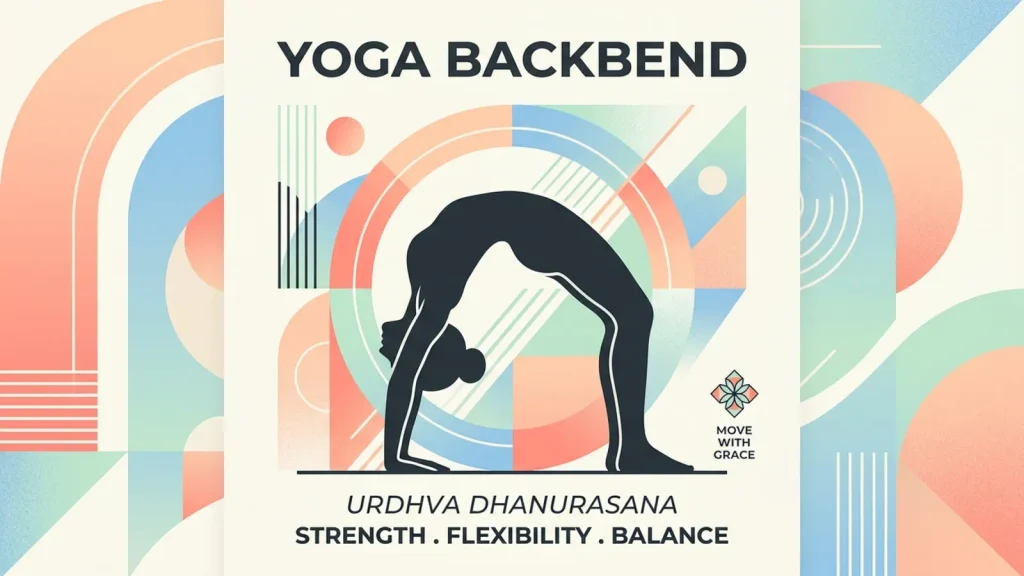
Understanding the Backbend Yoga Pose
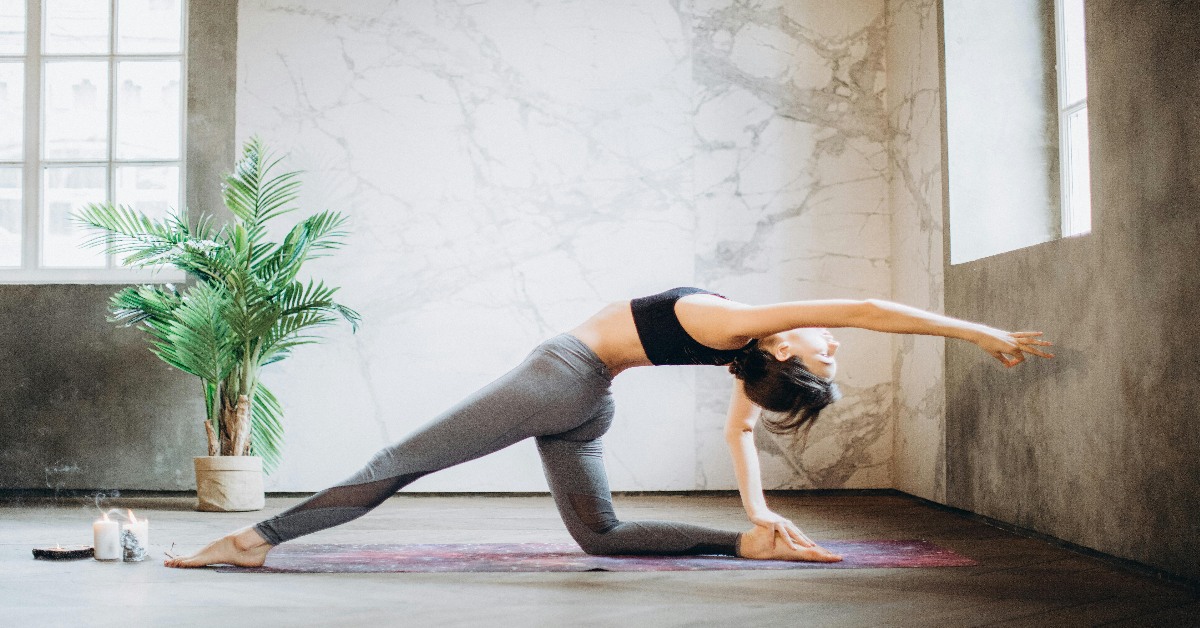
A backbend is any yoga posture that creates spinal extension by arching the spine backward. During backbending, multiple joints and muscle groups work together to create a safe and controlled movement.
A gentle backbend focuses on mobility and posture correction, while a deep backbend requires greater strength, stability, and flexibility.
Examples include:
- Sphinx Pose
- Superman Pose
- Upward Dog Pose
- Camel Pose (Ustrasana)
- Wheel Pose
Why Are Backbends Important in Yoga?
Backbends play an important role in yoga because they counteract the effects of prolonged sitting and poor posture.
Benefits include:
- Improved posture
- Better spinal alignment
- Increased mobility
- Enhanced flexibility
- Greater body awareness
- Improved breathing mechanics
Many yoga practitioners also describe backbends as heart-opening yoga and chest-opening yoga because they create space across the front body.
Benefits of Backbends in Yoga
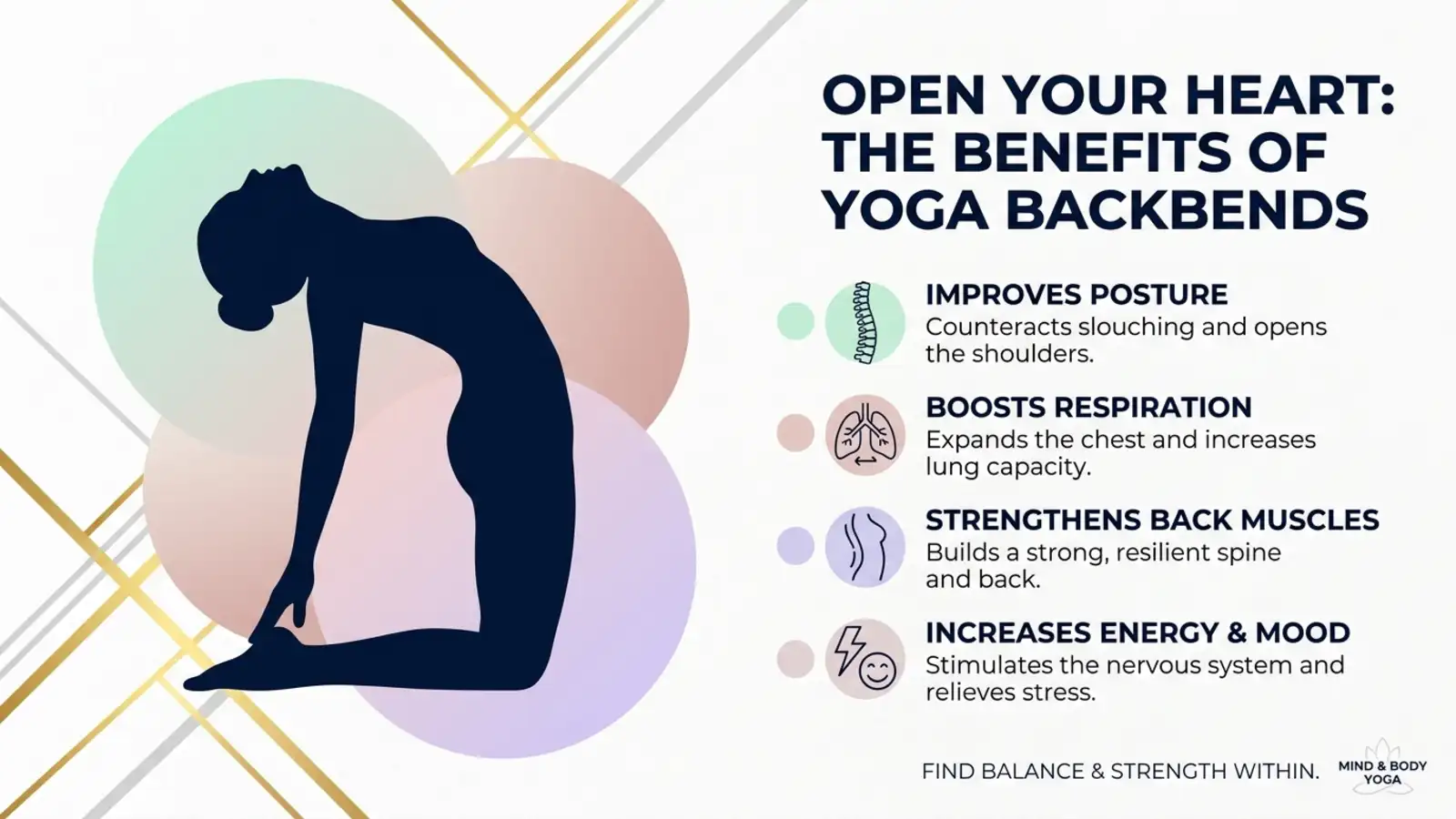
Backbends for Posture and Spinal Health
One of the most recognized backbend benefits is posture improvement.
Backbends help:
- Strengthen upper back muscles
- Improve spinal alignment
- Reduce rounded shoulders
- Support a healthy spine
- Improve thoracic spine mobility
Backbends for Flexibility and Mobility
Regular practice improves:
- Spinal flexibility
- Hip mobility
- Shoulder mobility
- Overall movement quality
Backbends for flexibility are especially helpful for people who spend long hours sitting.
Backbends for Energy, Stress Relief, and Mental Well-Being
Many practitioners report that backbends provide an energy boost and help reduce mental fatigue.
Benefits may include:
- Reduced stress
- Better mood
- Increased confidence
- Improved emotional well-being
- Better focus
Backbends for Digestion, Breathing, and Overall Health
Backbends create expansion through the chest and abdomen.
Potential benefits include the following:
- Improved deep breathing
- Better respiratory health
- Enhanced cardiovascular function
- Improved digestion
- Better gut health
Can Backbends Change Your Life?
While the phrase may sound dramatic, daily backbend practice benefits many aspects of health, including posture, mobility, confidence, and physical function.
The Anatomy of Backbends
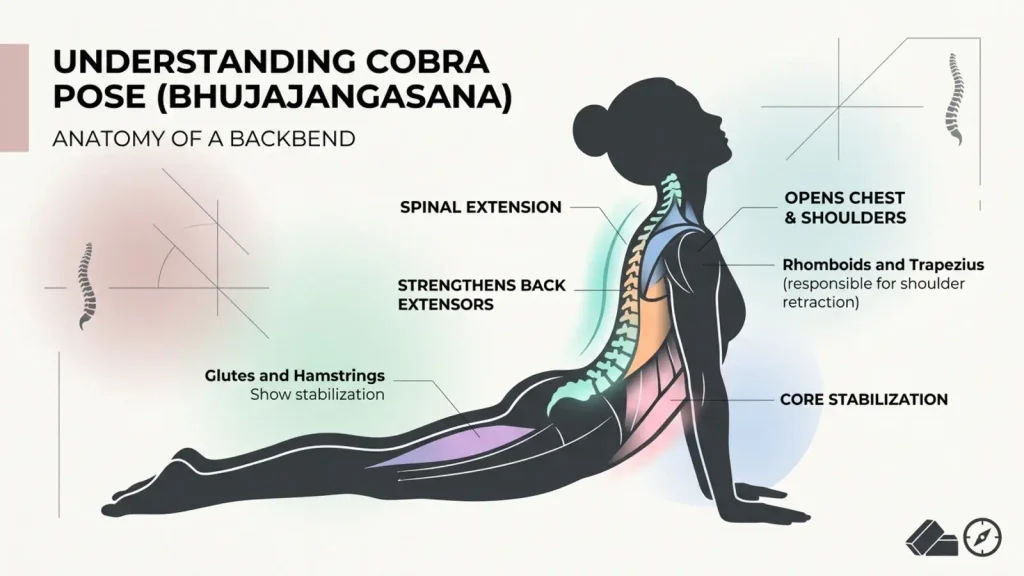
How the Spine Moves During a Backbend
| Spine Region | Function During Backbending |
| Thoracic Spine | Creates controlled extension and chest opening |
| Lumbar Spine | Provides arching movement and support |
| Cervical Spine | Supports head positioning |
| Sacrum | Stabilizes the pelvis and spine |
Muscles Used in Backbending Postures
Key muscles include:
- Trunk extensors
- Trunk flexors
- Back muscles
- Gluteal muscles
- Hamstrings
- Abdominal muscles
The Importance of Core Engagement and Stability
Proper core engagement helps:
- Protect the spine
- Improve yoga alignment
- Maintain stability
- Improve neuromuscular connection
Types of Backbends and Popular Backbend Yoga Poses
Beginner Backbend Poses
| Pose | Benefit |
| Sphinx Pose | Gentle spinal extension |
| Superman Pose | Strengthens back muscles |
| Baby Cobra | Improves posture |
| Bridge Pose | Builds stability |
Intermediate Yoga Backbends
- Upward Dog Pose
- Cobra Pose
- Locust Pose
- Bow Pose
Advanced Backbend Yoga Poses
- Camel Pose
- Ustrasana
- Wheel Pose
- King Pigeon Pose
How to Do a Backbend for Beginners
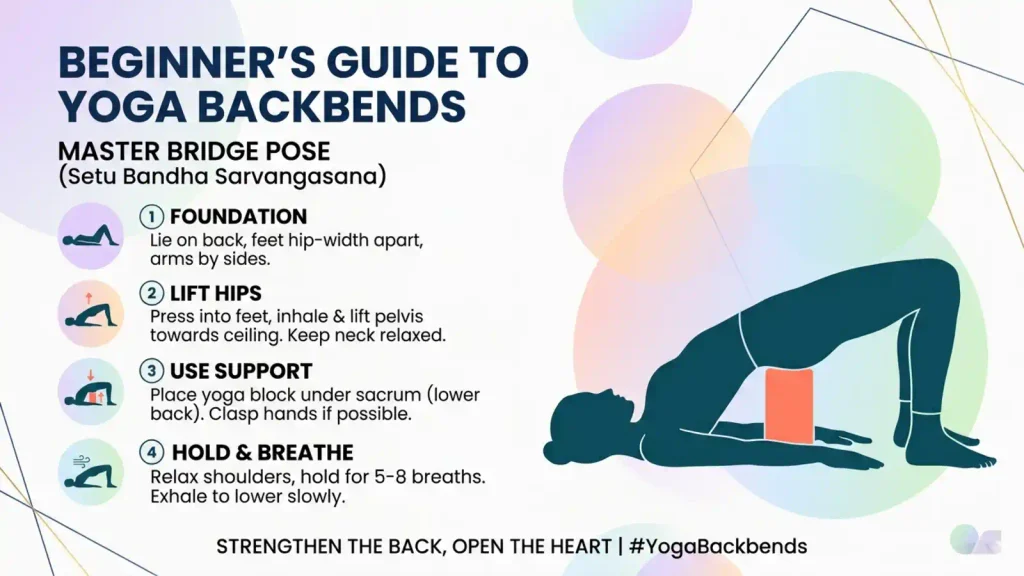
Step-by-Step Beginner Guide to Backbends
- Warm up the spine.
- Engage the core.
- Lift the chest gradually.
- Lengthen through the spine.
- Breathe steadily.
Safe Backbend Techniques for Every Skill Level
- Avoid forcing flexibility.
- Focus on strength before depth.
- Move slowly.
- Keep breathing.
- Maintain spinal alignment.
Beginner Backbend Exercises to Build Strength
- Superman Pose
- Bird Dog
- Locust Pose
- Glute Bridges
- Back strengthening exercises
How to Improve Backbends Safely
How to Improve Backbends Without Forcing Flexibility
Focus on:
- Upper back strength
- Lower back strength
- Mobility training
- Core stability
How to Deepen a Backbend Safely
- Progress gradually
- Improve thoracic mobility
- Strengthen supporting muscles
- Avoid spinal compression
Common Backbending Mistakes to Avoid
Overarching Through the Lumbar Spine
Neglecting Thoracic Spine Mobility
Ignoring Core Stability and Alignment
Chasing a Deep Backbend Too Quickly
Poor Breathing and Body Awareness
Are Backbends Good for Your Spine?
When practiced correctly, backbends support spine health by improving posture, mobility, muscle strength, and spinal flexibility. People with existing injuries should seek professional guidance before attempting advanced backbending postures.
Common Myths About Backbends
Myth #1: Backbends Are Only for Flexible People
Reality: Strength is more important than flexibility.
Myth #2: The Spine Is at Risk from Backbends
Reality: Proper technique makes them safe and effective.
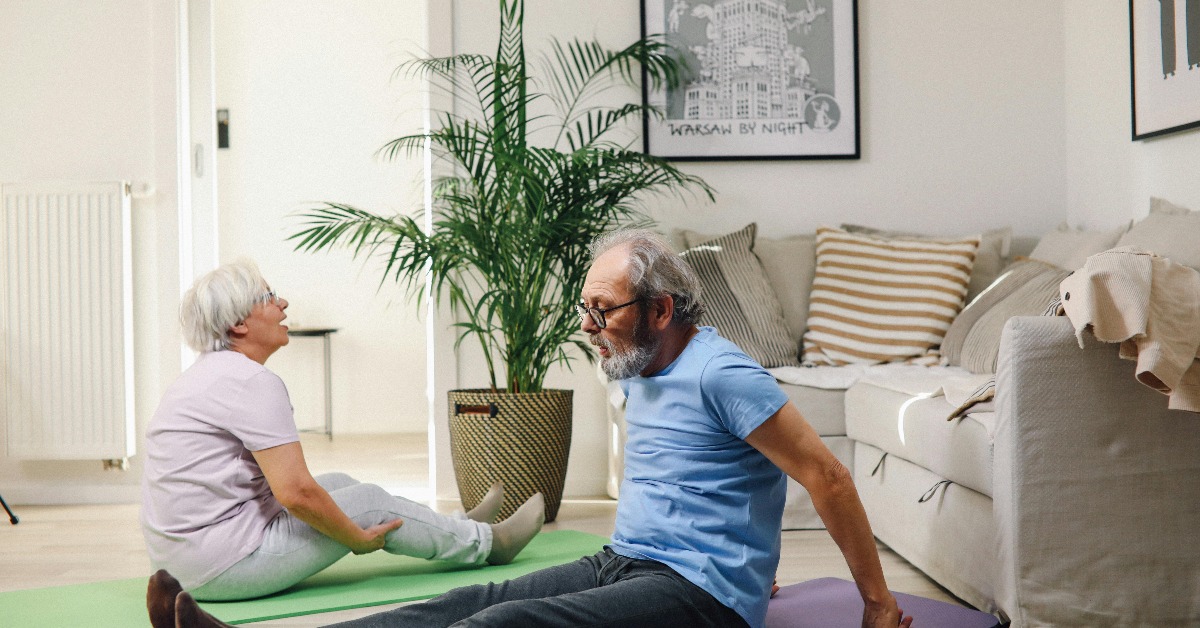
Myth #3: Older Adults Should Avoid Backbends
Reality: Safe yoga backbends for older adults can improve mobility and posture.
Backbends for Different Lifestyles and Goals
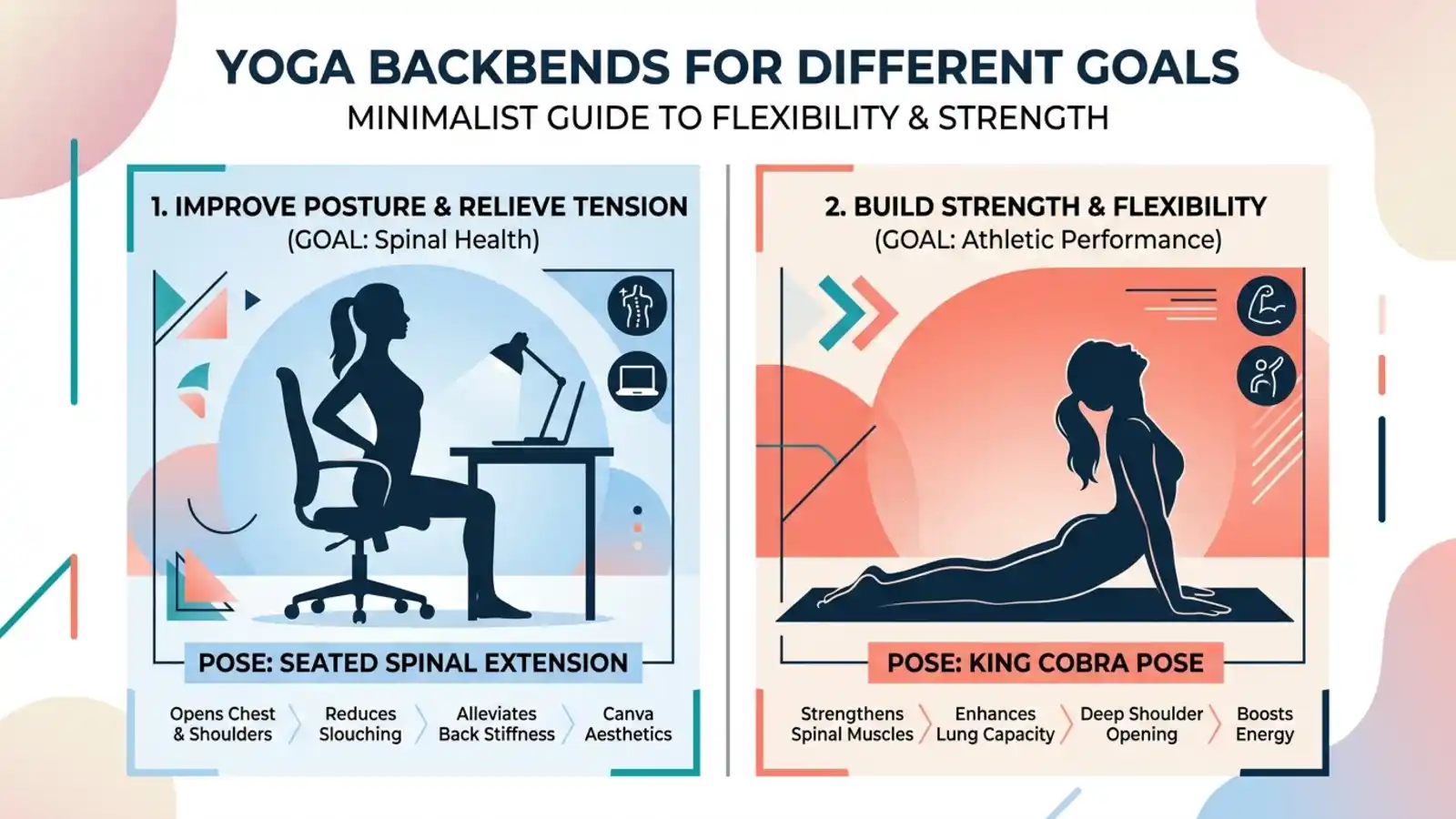
Backbends for Office Workers
Counteracts prolonged sitting and poor posture.
Backbends for Athletes
Improves mobility, strength, and recovery.
Backbends for Long-Term Mobility and Posture Correction
Supports healthy movement patterns and spinal health.
10 Words and Meanings
| Word | Meaning |
| Backbend | A posture involving spinal extension |
| Mobility | Ability to move joints freely |
| Flexibility | Ability of muscles to lengthen |
| Thoracic Spine | Middle section of the spine |
| Lumbar Spine | Lower back region |
| Cervical Spine | Neck region of the spine |
| Sacrum | There is a triangle bone at the base of the spine. |
| Core Stability | Ability to stabilize the trunk |
| Spinal Alignment | Proper positioning of the spine |
| Neuromuscular Connection | Communication between muscles and nerves |
Conclusion
Strong yoga poses like backbends enhance breathing, flexibility, mobility, posture, and the general health of the spine.
Whether you are a beginner or an experienced practitioner, focusing on safe backbend techniques, proper alignment, and gradual progression can help you enjoy the many benefits of backbends while reducing the risk of injury.
FAQs
1. What is a backbend in yoga?
A backbend is a yoga posture that involves arching the spine backward through controlled spinal extension.
2. What are the benefits of backbends in yoga?
Backbends improve posture, mobility, flexibility, breathing capacity, spinal health, and overall body awareness.
3. How can beginners practice backbends safely?
Beginners should start with gentle poses such as the Sphinx Pose and the Superman Pose while focusing on core engagement and proper alignment.
4. Are backbends good for your spine?
Yes, when practiced correctly, backbends can improve spinal mobility, posture, and muscle strength.
5. What are the best backbend poses for beginners?
Sphinx Pose, Baby Cobra, Superman Pose, and Bridge Pose are among the best beginner backbend poses.