Introduction
The stretching cobra is one of the most effective yoga stretches for improving posture, flexibility, mobility, and spine health. Also known as Cobra Pose or Bhujangasana, this gentle yoga backbend creates spinal extension while opening the chest, stretching the abdominal muscles, and strengthening the lower back.
Whether you want better posture, relief from prolonged sitting, or improved spinal mobility, the cobra stretch can be a valuable addition to your stretching routine. In this guide, you’ll learn the benefits of the stretching cobra pose, the muscles it targets, proper cobra stretch technique, and common mistakes to avoid.
What Is the Stretching Cobra?
Understanding the Cobra Stretch
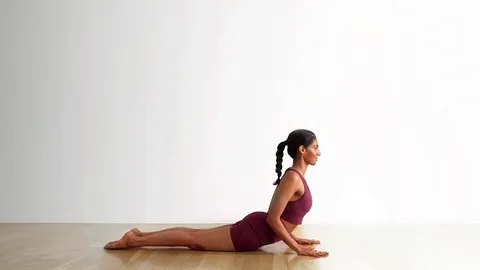
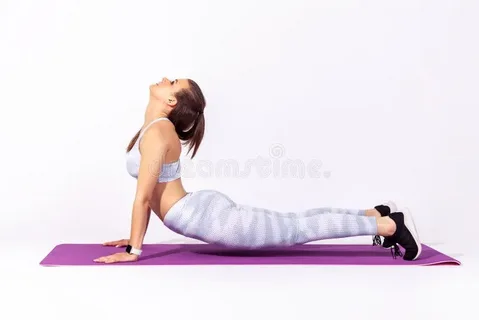
The stretching cobra is a prone back stretch performed while lying face down and lifting the chest off the floor. It is often categorized as a spinal extension stretch because the movement gently extends the lumbar spine and upper back.
Unlike many flexibility exercises that focus on forward bending, the cobra stretch exercise promotes chest expansion, shoulder mobility, and spinal decompression.
Key characteristics include the following:
- Controlled spinal extension
- Gentle chest opening
- Improved body alignment
- Increased range of motion
- Core engagement throughout the movement
Cobra Pose (Bhujangasana) in Yoga
Bhujangasana comes from the Sanskrit words “Bhujanga” (cobra) and “Asana” (pose). The posture resembles a cobra raising its hood, which is why it is commonly called Cobra Pose.
In yoga practice, the cobra pose is considered a beginner-friendly yoga backbend because it develops spinal mobility, flexibility, and strength without requiring an extreme range of motion.
Benefits of the Stretching Cobra
Cobra Stretch Benefits for Posture and Spine Health
Modern lifestyles often involve prolonged sitting and forward-rounded shoulders. The cobra stretch helps counteract these patterns by promoting posture correction and spinal alignment.
Benefits include:
- Improved posture
- Better spinal alignment
- Reduced slouching posture
- Enhanced spine health
- Increased thoracic mobility
Cobra Stretch Benefits for Flexibility and Mobility
Regular yoga stretching can improve overall flexibility and mobility by encouraging controlled movement through the spine and hips.
Benefits include:
- Greater spinal mobility
- Improved flexibility training
- Better mobility training outcomes
- Increased range of motion
- Enhanced movement quality
Cobra Stretch Benefits for Lower Back Pain
Many people use the cobra stretch for lower back pain because it may help reduce stiffness and encourage healthy spinal movement.
Potential benefits include the following:
- Improved lumbar spine extension
- Better spinal decompression
- Reduced lower back tightness
- Increased lower back flexibility
Note: Individuals with spinal injuries should consult a healthcare professional before beginning new exercises.
Cobra Stretch Benefits for Breathing and Chest Opening
The cobra stretch promotes chest opening by expanding the front body and improving breathing mechanics.
Benefits include:
- Improved chest expansion
- Better respiratory efficiency
- Increased upper body mobility
- Greater shoulder mobility
Cobra Stretch Benefits for Hip Flexors and Core Muscles
Because the hips remain extended during the pose, the stretch can help lengthen tight hip flexors while encouraging core stability.
Benefits include:
- Improved hip mobility
- Reduced tightness in the front hip muscles
- Better core engagement
- Increased torso stability
What muscles does the cobra stretch target?
Primary Muscles Stretched During Cobra Stretching
| Muscle Group | Function |
| Abdominal Muscles | Lengthened during spinal extension |
| Hip Flexors | Open and stretch through the front hips |
| Intercostal Muscles | Expand during chest opening |
| Rib Muscles | Support breathing and movement |
| Chest Muscles | Lengthened as the chest lifts |
Muscles Strengthened During the Cobra Stretch
| Muscle Group | Benefit |
| Lower Back Muscles | Supports spinal extension |
| Core Muscles | Stabilizes the torso |
| Torso Muscles | Improves posture |
| Shoulder Stabilizers | Enhances shoulder control |
Why Muscle Activation Matters
Proper muscle activation helps maintain the following:
- Core stability
- Controlled movement
- Proper body alignment
- Reduced injury risk
10 Words and Meanings
| Word | Meaning |
| Bhujangasana | Sanskrit name for Cobra Pose |
| Spinal Extension | Backward bending movement of the spine |
| Mobility | Ability of joints to move freely |
| Flexibility | Ability of muscles to lengthen |
| Posture | Position of the body while standing or sitting |
| Core Engagement | Activation of abdominal and trunk muscles |
| Lumbar Spine | Lower section of the spine |
| Intercostal Muscles | Muscles located between the ribs |
| Spinal Decompression | Reduction of pressure on spinal structures |
| Range of Motion | Distance a joint can move safely |
Conclusion
The stretching cobra is a simple yet highly effective yoga stretch that supports posture, spinal health, flexibility, and mobility. By practicing proper cobra stretch form and focusing on controlled movement, you can safely improve chest opening, lower back flexibility, and overall movement quality. Whether you are a beginner or an experienced practitioner, Cobra Pose can be a valuable part of a balanced fitness and wellness routine.
FAQs
What is the stretching cobra?
The stretching cobra is a yoga pose, also known as “cobra pose” or “Bhujangasana,” that involves lifting the chest while lying face down to create gentle spinal extension.
Does a cobra stretch help with lower back pain?
For many people, the cobra stretch may help reduce lower back stiffness and improve spinal mobility. However, those with existing back injuries should seek professional guidance.
What muscles does the cobra stretch target?
The pose primarily stretches the abdominal muscles, hip flexors, chest muscles, and intercostal muscles while strengthening the lower back and core muscles.
How long should you hold a cobra stretch?
Beginners typically hold the pose for 10-30 seconds while maintaining steady breathing and proper alignment.
What is the difference between Cobra Pose and Sphinx Pose?
Sphinx Pose is performed on the forearms and creates a gentler backbend, while Cobra Pose uses the hands and generally allows greater spinal extension.