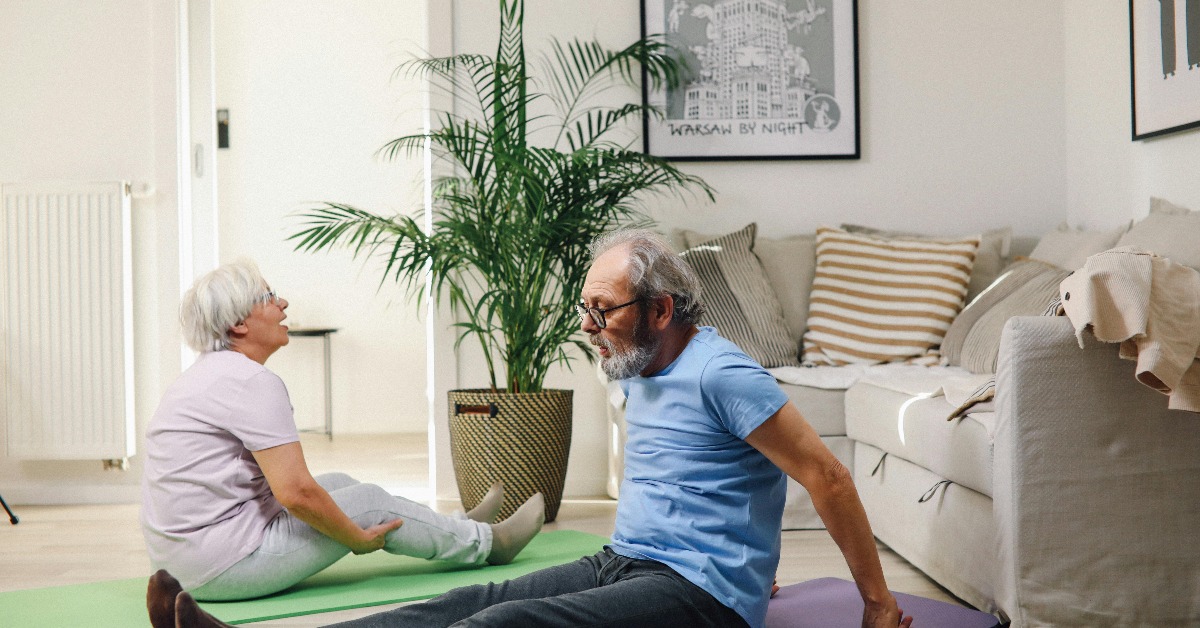
Aging is often described as a “golden” period, but let’s be honest, it usually comes with a side of stiff joints and a sudden, mysterious inability to touch your toes. If the thought of rolling out a mat on the floor feels more like a survival stunt than a workout, you aren’t alone.
Enter Chair Yoga.
This accessible, low-impact practice is a game-changer for seniors. It bridges the gap between staying active and respecting your body’s current limits. In this guide, we’ll explore why chair yoga is the secret weapon for longevity and how you can start today without ever needing to get down on the floor.
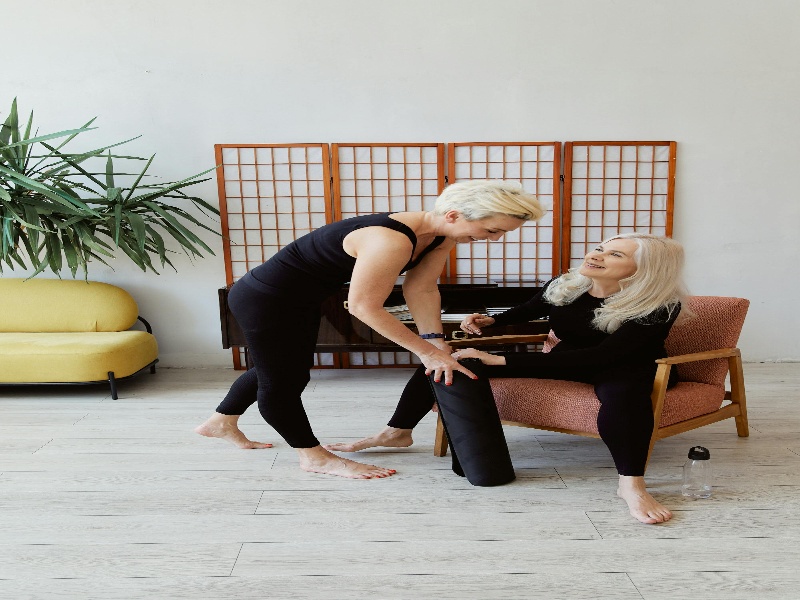
What is chair yoga?
At its core, chair yoga is exactly what it sounds like: a gentle form of yoga practiced while sitting on a chair or standing and using the chair for support. It adapts traditional hatha yoga poses (asanas) so they can be performed with greater stability.
While it’s often marketed toward seniors, it’s also incredibly effective for:
- People with limited mobility or chronic pain.
- Office workers looking for a “desk-break” stretch.
- Individuals recovering from surgery or injury.
Why Seniors Are Flocking to the Chair
The benefits of yoga don’t disappear just because you aren’t doing a headstand. In fact, for seniors, the focused nature of chair yoga can be even more beneficial than traditional styles.
1. Improved Flexibility and Range of Motion
Our connective tissues naturally tighten as we become older. Chair yoga uses gentle stretches to lengthen muscles and lubricate joints. This makes daily tasks like reaching for a glass in the cupboard or tying your shoes significantly easier.
2. Enhanced Balance and Fall Prevention
Falls are one of the leading causes of injuries among the elderly. Chair yoga strengthens the core and the small stabilizer muscles in the ankles and legs. Even though you are seated, many poses engage the abdominal muscles, which are the “anchor” of your balance.
3. Better Respiratory Health
A huge component of yoga is pranayama, or breathwork. Learning to breathe deeply increases lung capacity and oxygenates the blood, which can improve energy levels and reduce feelings of breathlessness.
4. Stress Reduction and Mental Clarity
Yoga is a moving meditation. The focus on the breath and the body helps calm the nervous system, reducing levels of cortisol (the stress hormone). For seniors dealing with the anxieties of aging or social isolation, this mental “reset” is priceless.
Getting Started: The Right Equipment
You don’t need a fancy studio or expensive leggings. You just need a few basics:
- The Chair: Use a sturdy, stable chair without wheels. A typical dining room chair is ideal. Avoid chairs with armrests if possible, as they can limit your side-to-side movement.
- The Surface: Place your chair on a non-slip surface, like a yoga mat or a carpeted floor, to ensure it doesn’t slide during movement.
- Clothing: Wear comfortable, breathable clothes that allow you to move your limbs freely.
- Footwear: You can practice barefoot for better grip or wear non-slip socks. If you prefer shoes, ensure they are flat and supportive.
5 Essential Chair Yoga Poses for Daily Practice
If you have 10 minutes, these five poses will target the most common areas of tension for seniors.
1. Seated Mountain Pose (Tadasana)
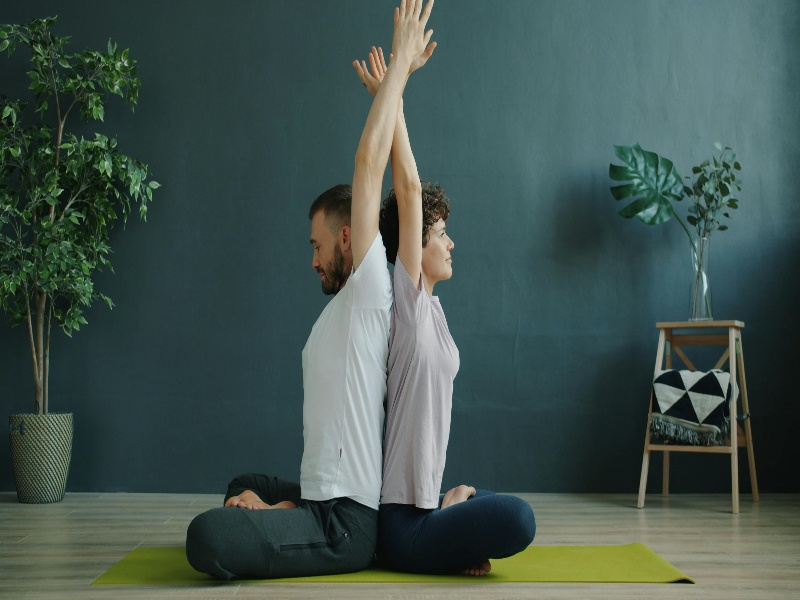
This serves as the “home base” for chair yoga.
- How to do it: At the edge of your chair, take a tall seat. Keep your feet hip-width apart and level on the ground. Rest your hands on your thighs. Picture the crown of your head being pulled toward the ceiling by a string.
- Benefit: Improves posture and spinal alignment.
2. Seated Cat-Cow Stretch
Perfect for those who wake up with a stiff back.
- How to do it: Arch your back and glance slightly upward (cow) while you inhale. When you exhale, bury your chin toward your chest and curve your back (Cat).
- Benefit: Increases spinal flexibility and massages the internal organs.
3. Seated Warrior I
Builds strength in the arms and core.
- How to do it: Sit sideways on the chair so your right leg is off the side. Extend your right leg back (as much as comfortable) and keep your left foot planted forward. Lift your arms toward the sky.
- Benefit: Increases lower-body strength and opens the hip flexors.
4. Seated Forward Fold
- How to do it: With feet wide, slowly lean forward from the hips. Let your hands slide down your legs toward your ankles. Don’t go farther than is comfortable.
- Benefit: Relaxes the nervous system and stretches the lower back.
5. Seated Spinal Twist
- How to do it: Sit tall. Place your left hand on your right knee and your right hand on the back of the chair. Turn gently so you can see over your right shoulder. Repeat on the other side.
- Benefit: Aids digestion and relieves tension along the vertebrae.
Safety First: Tips for a Pain-Free Practice
While chair yoga is safe, it’s important to listen to your body.
- Never push into pain: Yoga should feel like a “challenging stretch,” not a “sharp pinch.” “If it hurts, back off.
- Drink water both before and after your session to stay hydrated.
- Consult your doctor: If you have had a recent hip replacement or spinal surgery or suffer from severe vertigo, check with a healthcare professional before starting.
- Move with your breath: Try to synchronize your movements with your inhales and exhales. This prevents you from holding your breath, which can spike blood pressure.
Creating a Routine That Sticks
Consistency beats intensity every time. You don’t need an hour-long session. Start with 15 minutes every morning. Treat it like an appointment with yourself, perhaps right after your morning tea or before lunch.
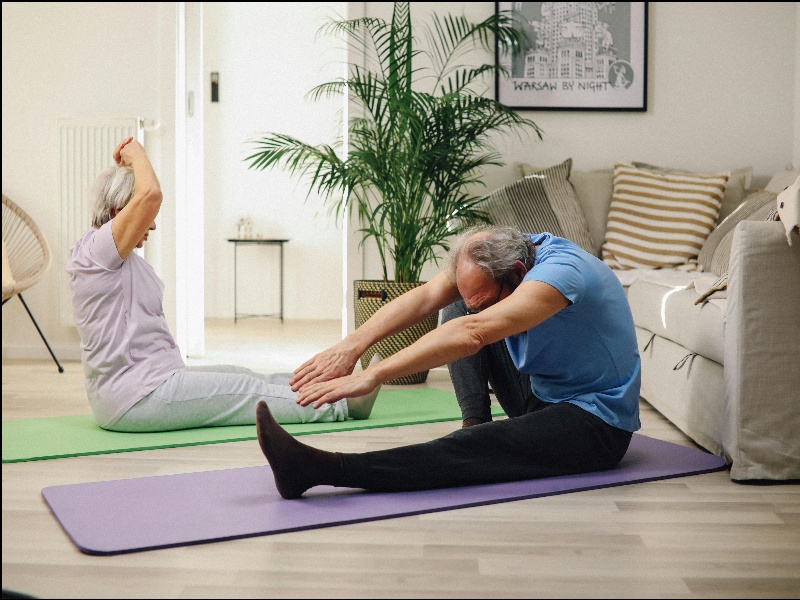
“Yoga does not care about what you have been; it cares about the person you are becoming.” – Bhagavad Gita.
Conclusion
Chair yoga is a testament to the fact that movement is for everyone, regardless of age or physical ability. By dedicating just a few minutes a day to these gentle stretches and mindful breaths, you can reclaim your mobility, sharpen your mind, and approach the day with a renewed sense of vitality. Your body has carried you through a lifetime of experiences; now is the time to give it a little love back.
(FAQs)
1. Is chair yoga as effective as regular yoga?
For many seniors, it is actually more effective because it allows for longer holds and better alignment without the fear of falling, leading to better results over time.
2. Can chair yoga help with arthritis?
Yes. Gentle movement helps keep joints lubricated and reduces the stiffness and pain associated with arthritis.
3. Do I have to be adaptable at first?
Not at all. Yoga isn’t about being flexible; it’s about becoming more flexible than you were yesterday.
4. How many times a week should I do chair yoga?
For best results, aim for 3 to 5 times a week, though even a daily 10-minute stretch is highly beneficial.
5. Can I do chair yoga if I use a wheelchair?
Absolutely. Most seated poses can be adapted for a wheelchair. Just ensure the brakes are locked before you begin.
6. Will chair yoga help me lose weight?
While it burns fewer calories than cardio, it builds muscle tone and reduces stress-related eating, which supports weight management.
7. Can I learn chair yoga from YouTube?
Yes, there are many excellent instructors online. Look for channels specifically dedicated to “Senior Yoga” or “Gentle Yoga.”
8. What if I can’t reach my feet in a forward fold?
That’s okay! Put your hands on your shins or knees. The goal is the stretch in your back, not the destination of your hands.
9. Is it okay to do chair yoga with high blood pressure?
Yes, but avoid holding your breath and move slowly when transitioning from a folded position to sitting upright to avoid dizziness.
10. Do I need a special yoga chair?
No. Any stable, armless chair with a flat seat will work perfectly. Stay away from couches or recliners, as they are too soft to support your spine.