In our modern, high-velocity world, we are constantly encouraged to do more, move faster, and push harder. We celebrate “Yang” energy. the fiery, active, and muscular force that drives us through HIIT workouts, marathons, and busy workdays. But what happens when the fire burns too hot?
Enter Yin Yoga. Unlike its more athletic cousins, yin yoga isn’t about breaking a sweat or perfecting a handstand. It is a quiet, meditative practice that asks us to slow down, stay still, and sink into the deeper layers of our being. By targeting the “plastic” tissues of the body, such as the fascia, ligaments, tendons, and joints. Yin Yoga offers a profound path to physical flexibility and mental clarity.
In this guide, we’ll explore the science behind Yin, the essential poses to transform your practice, and how to navigate the “delicious discomfort” of the long hold.
What exactly are Yin Yoga Poses?
To understand Yin, we must understand the Taoist concept of Yin and Yang. Yang represents movement, change, and vigor. Yin represents the stable, unmoving, and hidden.
In a physical sense, your muscles are yang: they are elastic, they love heat, and they respond to rhythmic movement. Your connective tissues (fascia and ligaments) are Yin: they are less vascular, more rigid, and require gentle, steady pressure over time to safely “glide” and hydrate.
The Three Pillars of Yin Yoga Practice
- Find Your Edge: Move into a pose until you feel a significant sensation, but never sharp pain.
- Commit to Stillness: Once you’ve found the edge, resolve to remain still. This allows the muscles to relax so the stress transfers to the deeper tissues.
- Hold for Time: Poses are typically held for 3 to 5 minutes, though advanced practitioners may hold for 10 or more.
The Science of Fascia: Why We Hold So Long
By 2026, the scientific community will have fully embraced biotensegrity. The idea that our bodies are held together by a continuous web of fascia rather than just a stack of bones. When we practice Yin, we aren’t just stretching; we are “remodeling” this web.
Long-held Yin poses induce a process called hyaluronan production. This substance acts as a lubricant between your tissue layers. When you stay in a pose for several minutes, you are essentially “oiling” your joints from the inside out. This is why Yin is often referred to as a “fountain of youth” practice. It prevents the “drying out” of joints that typically comes with aging.
Essential Yin Yoga Poses for Deep Release
1. Butterfly Pose (Baddha Konasana)
Target Area: Inner thighs, groin, and lower back.
Butterfly is often the gateway into a Yin session. Unlike the “Cobbler’s Pose” in Hatha yoga, where you pull your heels close to your groin and keep a flat back, the Yin Butterfly keeps the feet further away, creating a diamond shape.
- How to do it: Bring your soles together while sitting on the floor. Slide them forward. Fold forward with a rounded spine, letting your head hang heavy toward your feet.
- Why it works: It’s a wonderful way to decompress the lower spine and stimulate the kidney and urinary bladder meridians.
- Modification: If your head feels too heavy or your neck is strained, rest your forehead on a yoga block or a stack of pillows.
2. Sphinx Pose (Salamba Bhujangasana)
Target Area: Lower back (lumbar spine).
If you spend your day hunched over a laptop or steering wheel, Sphinx is your antidote. This gentle backbend provides a “compression” that stimulates the health of the vertebral discs.
- How to do it: Lie on your belly. Prop yourself up on your elbows, placing them slightly in front of your shoulders. Relax your glutes completely.
- The Yin Secret: In Yang yoga, you’d engage your core to protect your back. Here, we want the belly to sag toward the floor to allow the lumbar spine to gently compress and “rebound.”
- Duration: 3-5 minutes.
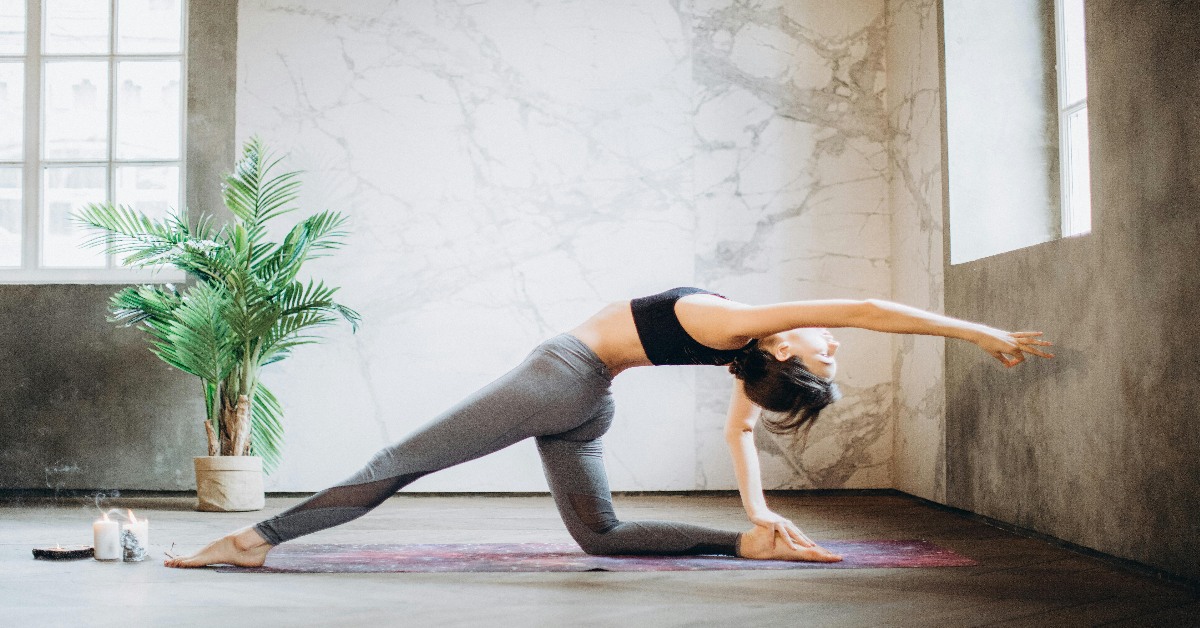
3. Dragon Pose (The Ultimate Hip Opener)
Target Area: Hip flexors and psoas.
Dragon is notoriously intense. It is one of the “deepest” hip openers in the practice, targeting the psoas. a muscle often associated with the “fight or flight” response.
- How to do it: From a tabletop position, step one foot forward between your hands. Slide the back knee away until you feel a deep stretch in the front of the back hip.
- Emotional Release: Don’t be surprised if emotions bubble up here. The hips are known as the “junk drawer” of the body, where we store suppressed stress and trauma.
- Pro Tip: Use blocks under your hands to take the weight off your wrists and allow your hips to sink lower.
4. Caterpillar Pose (Paschimottanasana)
Target Area: Hamstrings and the entire back body.
This is the Yin version of a seated forward fold. The goal isn’t to touch your toes or keep a straight back; it’s to surrender to gravity.
- How to do it: Sit with your legs outstretched. As you fold forward, let your spine round. Let your palms face up to signal a state of receiving and surrender.
- The benefit of this pose is that it stretches the ligaments along the spine and the fascia lata. It is incredibly grounding for a scattered or anxious mind.
5. Swan Pose (Sleeping Swan)
Target Area: Outer hips and glutes.
The Yin counterpart of Pigeon Pose is Swan. It’s an effective way to address sciatica and general hip stiffness caused by sedentary lifestyles.
- How to do it: Bring your right knee forward toward your right wrist. Angle the foot in toward your left hip. Instead of staying active and upright, fold your body over your front leg.
- Adjustment: If your hip is hovering high off the ground, slide a folded blanket or block underneath it. Stability is the key to letting the nervous system relax.
6. Bananasana (The Side Stretch)
Target Area: Side body, obliques, and IT band.
This pose creates a lateral stretch that is often missing from our linear daily movements (walking, sitting, running).
- To accomplish this, lie on your back. Move your hips to the right side of the mat. Move your feet and your upper body to the left, creating a “C” or banana shape. Place your right ankle over your left.
- Why it’s essential: It opens the intercostal muscles between the ribs, allowing for deeper, more efficient breathing and clearing the gallbladder meridian.
7. Melting Heart (Anahatasana)
Target Area: Upper back, shoulders, and chest.
Melting Heart is a beautiful “heart opener.” It balances the “collapsed” posture we often take when feeling defensive or tired when staring at a smartphone.
- How to do it: From all fours, walk your hands forward until your chest sinks toward the floor. Keep your hips stacked directly over your knees.
- The Focus: Soften the space between the shoulder blades. This pose is excellent for those dealing with respiratory issues or emotional “heaviness.”
The Mental Frontier: Training the Mind for Stillness
The hardest part of Yin Yoga isn’t the physical sensation; it’s the mental quiet. When you are held in a deep hip opener for five minutes, your mind will look for any excuse to leave. It will remind you of emails you haven’t sent, the grocery list, or that awkward thing you said three years ago.
Yin is a form of biofeedback. “It teaches you how to stay present with discomfort without reacting. In a world where digital distractions are at an all-time high, Yin Yoga serves as a vital “brain reset,” moving the body from the sympathetic (stress) nervous system to the parasympathetic (rest and digest) system.
Tips for Staying Present:
- Inhale for four, hold for four, exhale for four, and hold for four to practice box breathing.
- Body Scanning: Systematically check in with every muscle, ensuring you aren’t “holding” tension in the jaw or shoulders.
- Observe the Rebound: When you exit a pose, lie flat for 1 minute. Notice the “flush” of blood and energy (Qi) returning to the area.
How to Build a Home Yin Practice
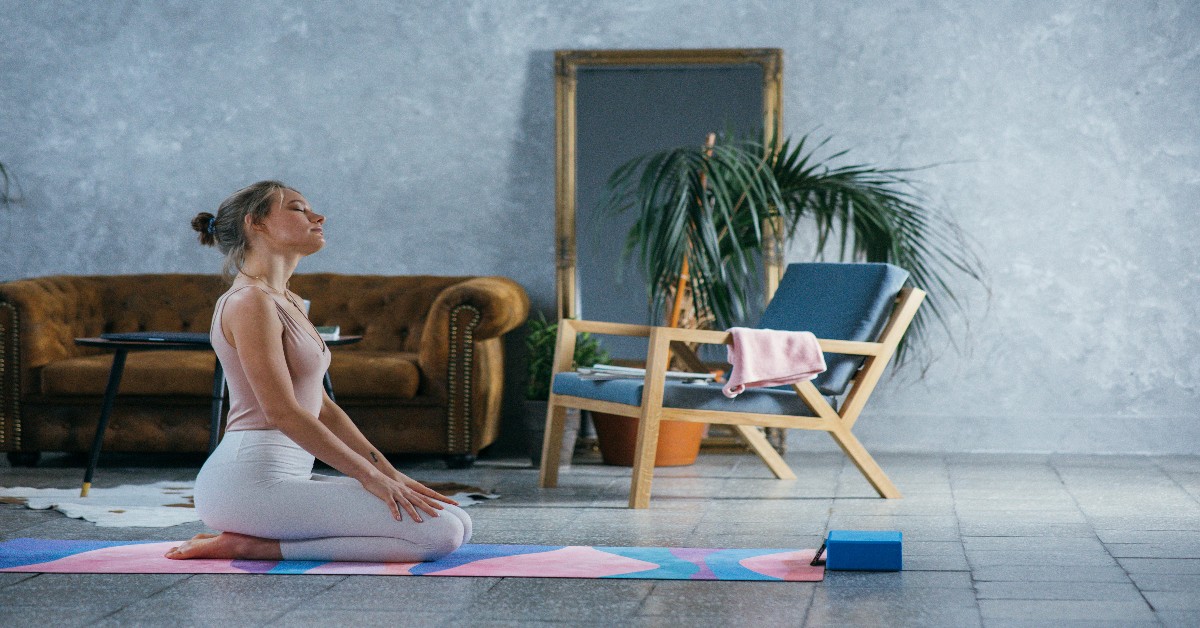
Setting up a home practice is easier than you think. Since Yin is a “cool” practice (we aren’t building internal heat), your environment should reflect that.
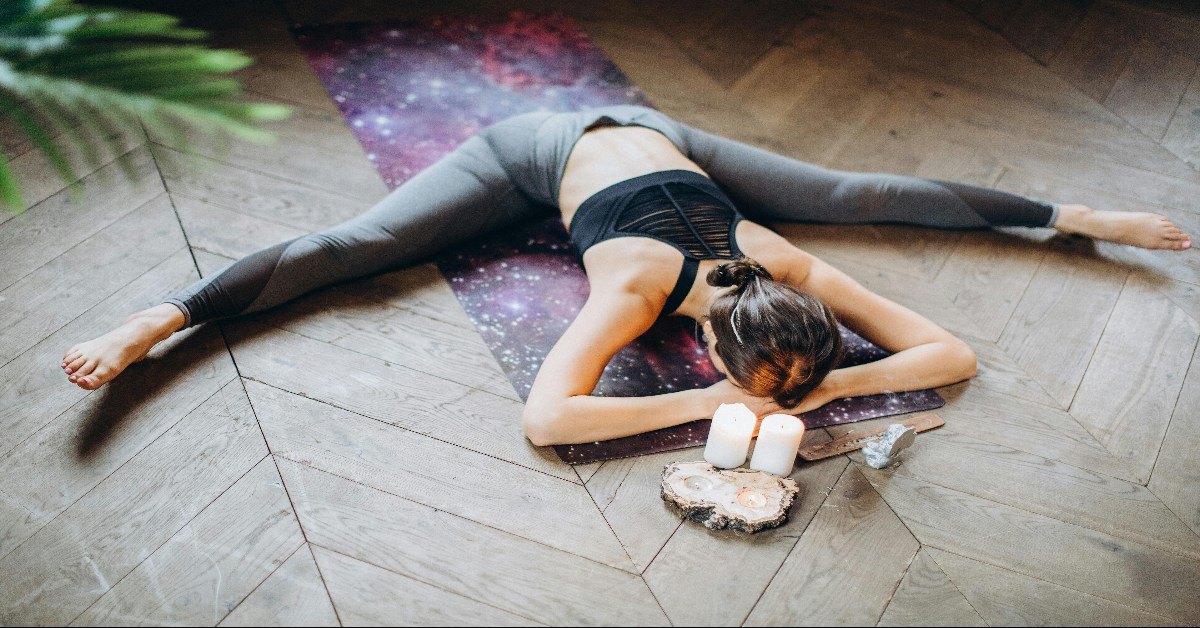
- Create a Sanctuary: Dim the lights, light a candle, or use an essential oil diffuser (lavender or frankincense).
- Wear Layers: Because your heart rate drops and you aren’t moving, your body temperature will fall. Wear socks and a cozy sweatshirt.
- Use Props Liberally: Pillows from your bed, thick coffee table books, and rolled-up bath towels can all serve as blocks and bolsters. The more supported you feel, the more your tissues will “let go.”
- Timing is Everything: Use a quiet timer that doesn’t have a jarring alarm. Many practitioners use “Insight Timer” or specific Yin Yoga apps.
Conclusion
Yin yoga is more than just a series of stretches; it is a philosophy of surrender. By choosing to sit with ourselves in silence, addressing the tightest corners of our hips and the loudest corners of our minds, we develop a resilience that carries over into every aspect of life.
Whether you are looking to improve your athletic performance, recover from an injury, or simply find a moment of peace in a chaotic world, the “quiet practice” of Yin is a profound tool for holistic health. Start with just 10 minutes a day, and watch how the stillness transforms your world.
(FAQs)
1. How often should I practice yin yoga?
For most people, 2-3 times a week is the “sweet spot.” It provides a perfect balance to “Yang” activities like running, weightlifting, or power yoga. However, a gentle 15-minute session before bed can be done daily.
2. Is Yin Yoga better than Restorative Yoga?
They serve different purposes. Restorative yoga aims for 100% comfort to heal the nervous system. Yin yoga aims for “controlled stress” on the connective tissues to increase mobility. Think of Restorative as a “nap” and Yin as “deep tissue work.”
3. Why do I feel emotional after a Yin class?
Traditional Chinese Medicine suggests we store emotions like anger, fear, and grief in our connective tissues and organs. Releasing the physical tissue can often lead to an “emotional detox,” resulting in crying or a sense of sudden relief.
4. Can I do Yin Yoga while pregnant?
Yes, but with caution. Pregnancy hormones like relaxin already loosen the ligaments, so it’s easy to overstretch them. Use more props and only go to 50% of your maximum depth. Always consult your doctor first.
5. Why are the poses held so long?
Connective tissue is non-elastic and “plastic” in nature. It takes about 90 to 120 seconds of steady, gentle pressure for the fascia to begin to respond and “creep” (lengthen).
6. Can I do Yin if I’m not flexible?
Yin is actually best for those who are stiff! Because we use props and focus on relaxation rather than “pushing,” it is the most accessible way for inflexible people to regain their range of motion.
7. Is Yin Yoga good for weight loss?
While it doesn’t burn many calories compared to cardio, it significantly lowers cortisol. High cortisol is a leading cause of stubborn belly fat, so Yin can indirectly support weight management by reducing stress.
8. Should I do Yin Yoga in the morning or evening?
Both have benefits. Morning practice targets the joints while they are “cold” and stiff. Evening practice helps quiet the mind and prepare the body for deep, restorative sleep.
9. What should I do if my limb goes numb?
Gently come out of the pose. “Pins and needles” or numbness typically indicate that a nerve is being squeezed. Re-adjust your alignment, use a prop, or skip the pose entirely.
10. Do I need a special mat for Yin?
A thicker, more cushioned mat is usually better since you’ll be spending a lot of time on your knees and sitting on the floor. Natural rubber or cork mats provide great stability for long holds.