Introduction
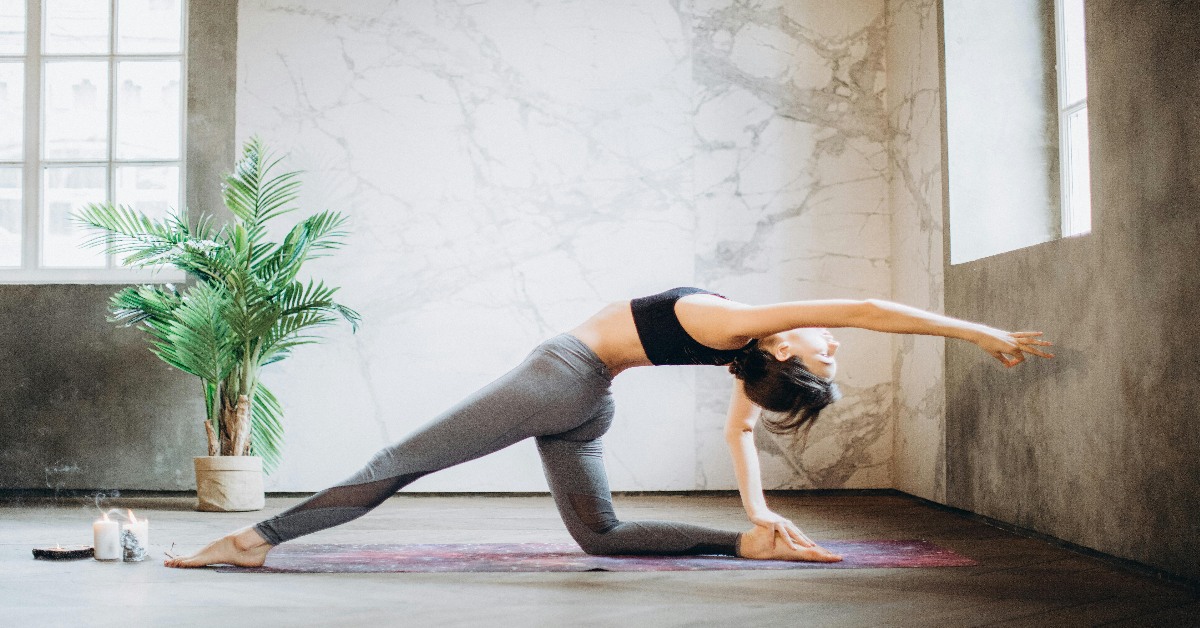
Hip openers are yoga poses and stretches designed to improve hip flexibility, hip mobility, and overall movement quality. Because many people spend hours sitting, the hips often become tight and stiff, leading to discomfort, poor posture, and reduced range of motion.
A regular hip-opener yoga practice can help release hip tension, improve blood circulation, reduce lower back pain, and support healthy hip joints. In this guide, you’ll learn about hip anatomy, the benefits of hip openers, the best hip-opening yoga poses, emotional release, and safe practice techniques.
Why Are Hip Openers Important and What Are They?
What Are Hip Openers in Yoga?
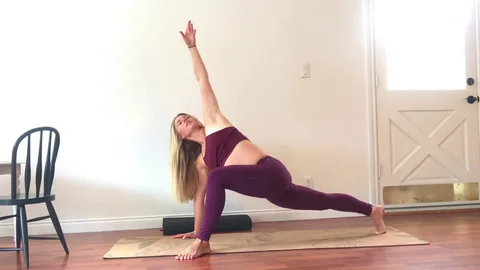
Hip openers are yoga hip openers and stretches that target the muscles surrounding the hip joint. These hip-opening poses focus on improving flexibility and mobility while reducing tightness in the hips, groin, glutes, and thighs.
Common forms include:
- Hip opener stretches
- Hip-opening yoga poses
- Hip opener exercises
- Hip mobility yoga routines
- Hip opening sequences
Why Are Hip Openers Important in Yoga?
The benefits of hip openers in yoga extend beyond flexibility.
They help:
- Improve hip flexibility
- Improve hip mobility
- Increase range of motion
- Improve movement quality
- Support better posture
- Reduce stiffness
As flexibility improves, everyday activities become easier and more comfortable.
Who Should Practice Hip Openers?
Hip openers are especially helpful for:
- Yoga for tight hips
- Hip stretches for desk workers
- Hip mobility for a sedentary lifestyle
- Yoga for runners
- Yoga for cyclists
- Yoga for dancers
- Hip openers for athletes
Understanding Hip Anatomy and Mobility
Anatomy of the Hips Explained
Understanding hip anatomy helps you practice more effectively.
The hip joint can move in a variety of directions because it is a ball-and-socket joint.
This design makes the hips one of the most mobile joints in the body.
Hip Anatomy Overview
| Structure | Function |
| Hip Joint | Supports movement and stability |
| Pelvis | Connects spine and legs |
| Femur | Main thigh bone |
| Connective Tissue | Supports joint integrity |
| Fascia and Tendons | Transfer force and movement |
Major Hip Muscles Targeted by Hip Openers
Hip-opening yoga poses stretch and strengthen:
- Hip flexors
- Quadriceps
- Hamstring muscles
- Gluteal muscles
- Glutes
- Groin muscles
- Adductors
- Internal rotators
- External rotators
- Psoas muscle
- IT Band
These muscles work together to support hip flexibility and mobility.
Hip Joint Movements and Range of Motion
The hips move through six primary actions:
| Hip Movement | Description |
| Hip Flexion | Knee moves toward chest |
| Hip Extension | The leg moves behind the body. |
| Hip Adduction | Legs move toward the midline. |
| Hip Abduction | Legs move away from the midline. |
| Internal Hip Rotation | The thigh rotates inward |
| External Hip Rotation | The thigh rotates outward |
These hip joint movements improve with consistent hip movement exercises.
Top Hip Opener Benefits for Flexibility, Mobility, and Health
How Hip Openers Improve Hip Flexibility and Mobility
One of the main benefits of hip openers is improved movement.
Regular practice helps:
- Improve hip flexibility
- Improve hip mobility
- Increase joint mobility
- Improve flexibility naturally
- Support mobility exercises
- Enhance flexibility exercises
How Hip Openers Help Reduce Pain and Stiffness
Tight hips can affect the lower back, knees, and posture.
Hip openers help:
- Relieve hip tightness
- Release hip tension
- Reduce hip stiffness
- Improve mobility
- Support how to loosen tight hips naturally
Hip openers for tight hips are especially beneficial for people who sit for long periods.
Lower Back, Posture, and Balance Benefits
Many people use hip openers for lower back pain relief.
Benefits include:
- Reduce lower back pain
- Improve posture
- Improve balance
- Better movement patterns
- Increased stability
Athletic Performance and Recovery Benefits
Athletes often include hip opener routines in training because they can
- Create stronger hip joints
- Promote healthy hip joints
- Improve blood circulation
- Improve athletic mobility
- Support hip flexibility for runners
- Improve hip mobility for athletes
Best Hip Opening Yoga Poses for Every Level
Hip Opener Yoga for Beginners
If you’re new to yoga, start with the following:
- Butterfly Pose
- Easy Pose
- Bound Angle Pose
- Happy Baby Pose
These beginner hip stretches improve hip mobility safely for beginners.
Best Hip Opening Yoga Poses for Flexibility
Excellent flexibility-focused poses include:
- Pigeon Pose
- Butterfly Pose
- Happy Baby Pose
- Bound Angle Pose
- Easy Pose
- Lotus Pose
- Hero Pose
These are among the best hip-opening yoga poses for releasing tight hips.
Best Hip Opener Yoga Poses for Hip Flexors
To stretch tight hip flexors, try:
- Low Lunge
- High Lunge
- Camel Pose
- Reclined Thunderbolt Pose
- Bridge Pose
Best Hip Opener Stretches for Hamstrings and Glutes
These poses target the posterior chain:
- Downward-Facing Dog
- Standing Forward Bend
- Seated Forward Bend
- Standing Wide-Legged Forward Bend
- Seated Wide-Legged Forward Bend
- One-Legged Forward Bend
- Cow Face Pose
Dynamic Hip Opening Poses for Strength and Stability
For active mobility:
- Chair Pose
- Warrior 3 Pose
- Half Moon Pose
- Eagle Pose
Hip Opener Exercises and Sequences
Hip Opener Exercises for Beginners
A simple beginner hip-opener yoga routine:
- Butterfly Pose – 1 minute
- Happy Baby Pose – 1 minute
- Low Lunge – 30 seconds each side
- Bound Angle Pose – 1 minute
- Easy Pose – 2 minutes
A Simple Hip Opening Sequence
A balanced hip opening sequence:
- Cat-Cow
- Low Lunge
- Pigeon Pose
- Butterfly Pose
- Seated Forward Bend
- Happy Baby Pose
This sequence improves hip mobility yoga practice and overall movement quality.
Daily Hip Opener Stretches for Better Mobility
For daily mobility:
- Stretch gently
- Move consistently
- Focus on breathing
- Avoid forcing flexibility
Emotional Release and the Sacral Chakra Connection
Why Emotions Are Often Linked to Tight Hips
Many yoga traditions suggest that emotions stored in the hips may contribute to physical tension.
Practitioners often report:
- Emotional release in the hips
- Reduced stress
- Greater relaxation
- Improved body awareness
Hip Openers for Stress Relief and Emotional Balance
Hip opener emotional benefits may include the following:
- Emotional release yoga effects
- Anxiety relief yoga support
- Stress reduction yoga benefits
- Better mind-body connection
- Activation of the parasympathetic nervous system
Hip Openers and Sacral Chakra Healing
The hips are often associated with the sacral chakra, also called the Svadhisthana chakra.
Sacral Chakra Associations
| Aspect | Meaning |
| Energy Center | Creativity and emotions |
| Water Element Chakra | Flow and adaptability |
| Sexual Energy Chakra | Passion and vitality |
| Emotional Energy Center | Emotional expression |
Many practitioners use hip-opener yoga alongside chakra healing and chakra balancing practices.
How to Practice Hip Openers Safely
How to Do Hip Openers Safely
Safe hip opener practice starts with patience.
Guidelines:
- Practice hip openers safely
- Progress gradually
- Respect body limits
- Avoid pain
Importance of Yoga Alignment
Proper yoga alignment helps prevent injury.
Focus on:
- Knee safety in yoga
- Neutral spine position
- Controlled movement
- Avoid overstretching
Best Warm-Up Before Hip Openers
Always warm up before yoga.
Good options include:
- Surya Namaskar warm-up
- Cat-Cow Pose
- Gentle lunges
- Dynamic mobility drills
Using Props and Modifications
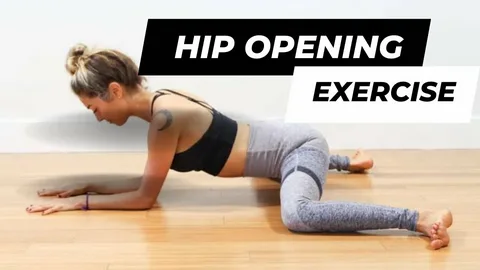
Helpful yoga props include:
- Yoga blocks
- Yoga bolsters
- Cushion support yoga tools
These support hip opener modifications and yoga pose variations for different body types.
Common Hip Opener Mistakes to Avoid
Overstretching Tight Hips
Never force a stretch. Mobility develops gradually.
Ignoring Knee and Lower Back Alignment
Poor alignment can place stress on joints.
Moving Too Fast Instead of Building Mobility
Focus on consistent practice rather than quick results.
Not Using Props When Needed
Props make poses safer and more accessible.
Quick Reference Table – Best Hip Openers by Goal
| Goal | Recommended Hip Opening Yoga Poses |
| Tight Hips | Butterfly Pose, Pigeon Pose, Happy Baby Pose |
| Hip Flexors | Low Lunge, High Lunge, Camel Pose |
| Lower Back Pain Relief | Bridge Pose, Bound Angle Pose |
| Athletes | Warrior 3 Pose, Half Moon Pose |
| Beginners | Easy Pose, Butterfly Pose |
| Emotional Release | Pigeon Pose, Lotus Pose |
Conclusion
Hip openers are an essential part of a balanced yoga practice. They improve hip flexibility, hip mobility, posture, and movement quality while helping reduce stiffness and lower back discomfort. By understanding hip anatomy, practicing effective hip-opening yoga poses, and following safe alignment principles, you can build stronger, healthier hips over time.
Whether your goal is better athletic performance, increased mobility, emotional release, or relief from tight hips, a consistent hip opener yoga routine can support long-term physical and mental well-being.
Frequently Asked Questions
What Are Hip Openers in Yoga?
Hip openers are yoga poses and stretches that improve hip flexibility, mobility, and range of motion by targeting the muscles around the hip joint.
What Are the Main Hip Opener Benefits?
The main benefits include improved hip mobility, increased flexibility, reduced lower back pain, better posture, enhanced balance, and healthier hip joints.
What Are the Best Hip Opening Yoga Poses for Beginners?
Butterfly Pose, Happy Baby Pose, Easy Pose, Bound Angle Pose, and Low Lunge are beginner-friendly hip openers.
Can Hip Openers Help Reduce Lower Back Pain?
Yes. Tight hips often contribute to lower back discomfort. Regular hip opener practice may reduce tension and improve movement patterns.
How Often Should You Practice Hip Openers?
Most people benefit from practicing hip opener stretches 3-5 times per week, while gentle mobility work can be performed daily.