Yoga has become one of the world’s most popular wellness practices because it combines physical movement, mindful breathing, and mental relaxation. Whether you’re completely new to yoga or have years of experience, learning yoga poses’ names helps you understand classes, follow instructors more confidently, and build a consistent practice.
Every yoga posture, also called an asana, serves a specific purpose. Some improve flexibility, while others strengthen muscles, enhance balance, reduce stress, or promote relaxation. From basic standing poses to advanced balancing postures, each pose offers unique physical and mental benefits.
This guide covers the most common yoga pose names, organized by category, making it easy for beginners and experienced practitioners to explore different yoga asanas.
Why Is It Important to Learn Yoga Poses’ Names?
Knowing the names of yoga poses makes your yoga journey easier and more enjoyable.
Some key benefits include:
- Follow yoga classes with confidence.
- Understand online tutorials quickly.
- Improve communication with instructors.
- Build a structured yoga routine.
- Learn the purpose of each pose.
- Progress safely from beginner to advanced levels.
Whether you’re practicing at home or attending a studio, recognizing common yoga asana Yoga Poses Names: Complete List for Every Skill Level Today
Names help you improve faster.
Categories of Yoga Poses
Yoga includes many different types of postures. Each category focuses on improving specific aspects of physical fitness and overall wellness.
| Category | Main Purpose |
| Standing Yoga Poses | Strength, stability, posture |
| Seated Yoga Poses | Flexibility and relaxation |
| Balancing Yoga Poses | Coordination and focus |
| Backbends | Spine flexibility and energy |
| Forward Bends | Stretching and calming |
| Twisting Poses | Mobility and digestion |
| Inversions | Balance and circulation |
| Restorative Poses | Recovery and stress relief |
Standing Yoga Poses Names
Standing poses build strength, balance, and endurance while improving posture.
1. Mountain Pose (Tadasana)
Mountain Pose is the foundation of nearly every standing sequence.
Benefits
- Improves posture
- Builds body awareness
- Strengthens legs
- Enhances balance
2. Warrior I (Virabhadrasana I)
One of the most popular yoga poses with names recognized worldwide.
Benefits
- Strengthens legs
- Opens hips
- Improves stability
- Builds confidence
3. Warrior II (Virabhadrasana II)
This pose increases lower-body strength while opening the chest and hips.
Benefits
- Improves endurance
- Strengthens thighs
- Enhances balance
- Opens shoulders
4. Triangle Pose (Trikonasana)
Triangle Pose stretches multiple muscle groups simultaneously.
Benefits
- Improves flexibility
- Strengthens legs
- Stretches hamstrings
- Enhances spinal mobility
5. Extended Side Angle Pose (Utthita Parsvakonasana)
A full-body stretching posture suitable for intermediate practitioners.
Benefits
- Opens hips
- Improves flexibility
- Strengthens legs
- Increases stamina
Seated Yoga Poses Names
Seated poses help improve flexibility while encouraging relaxation.
6. Easy Pose (Sukhasana)
Often used during meditation and breathing exercises.
Benefits
- Promotes relaxation
- Improves posture
- Encourages mindful breathing
7. Staff Pose (Dandasana)
A simple but important foundational seated posture.
Benefits
- Strengthens back muscles
- Improves posture
- Builds core stability
8. Seated Forward Fold (Paschimottanasana)
One of the most effective yoga stretching poses.
Benefits
- Stretches hamstrings
- Relieves stress
- Improves flexibility
- Calms the nervous system
9. Butterfly Pose (Baddha Konasana)
This beginner-friendly posture gently opens the hips.
Benefits
- Improves hip flexibility
- Relieves lower back tension
- Supports better posture
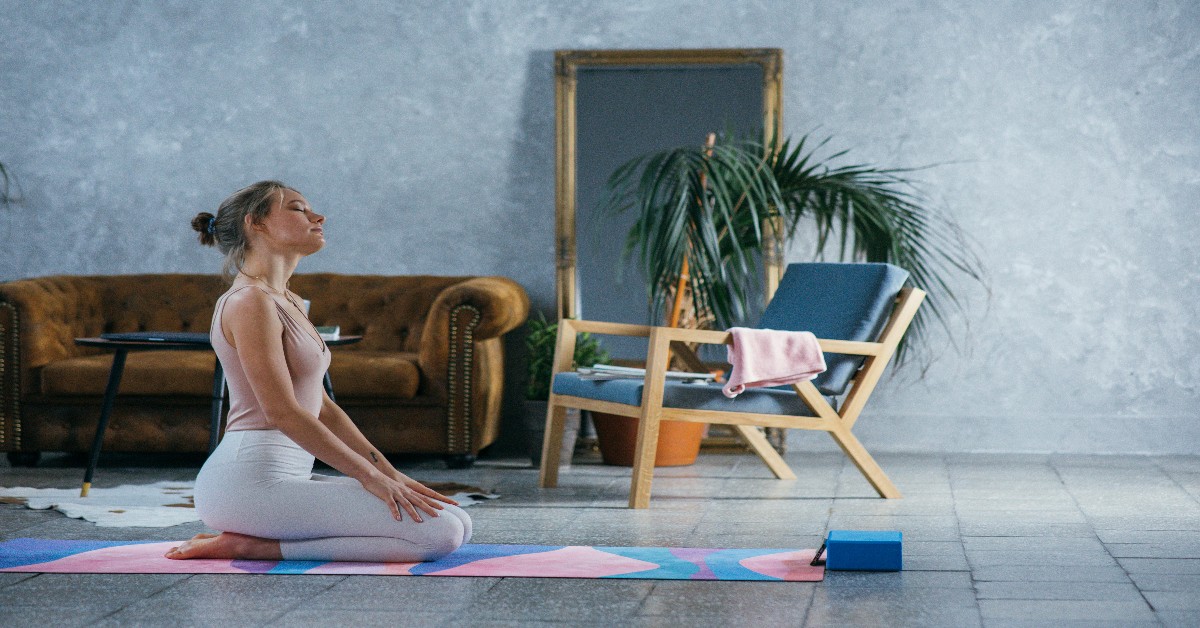
10. Hero Pose (Virasana)
A comfortable sitting posture commonly used after yoga practice.
Benefits
- Improves ankle flexibility
- Stretches thighs
- Supports meditation
Balancing Yoga Poses
Balance poses improve concentration while strengthening stabilizing muscles.
11. Tree Pose (Vrikshasana)
Tree Pose is among the best basic yoga poses for improving balance.
Benefits
- Improves coordination
- Strengthens legs
- Enhances focus
- Builds stability
12. Eagle Pose (Garudasana)
This pose challenges both balance and flexibility.
Benefits
- Strengthens joints
- Improves concentration
- Stretches shoulders
- Develops balance
13. Dancer Pose (Natarajasana)
An elegant balancing posture that improves flexibility.
Benefits
- Opens chest
- Improves balance
- Strengthens legs
- Increases flexibility
Beginner Yoga Pose List
If you’re just starting, begin with these beginner yoga pose names:
| Beginner Pose | Difficulty |
| Mountain Pose | Easy |
| Child’s Pose | Easy |
| Cat-Cow Pose | Easy |
| Downward Dog | Easy |
| Cobra Pose | Easy |
| Bridge Pose | Easy |
| Tree Pose | Easy |
| Butterfly Pose | Easy |
| Easy Pose | Easy |
| Seated Forward Fold | Easy |
These poses create a strong foundation before moving to more challenging yoga postures.
Backbending Yoga Poses Names
Backbends help improve spinal flexibility, strengthen the back muscles, and open the chest. They can also boost energy levels and counteract the effects of prolonged sitting.
14. Cobra Pose (Bhujangasana)
Cobra Pose is one of the most popular yoga poses for flexibility and spinal health.
Benefits
- Strengthens the spine
- Opens the chest and shoulders
- Improves posture
- May help reduce mild back stiffness
15. Bridge Pose (Setu Bandhasana)
Bridge Pose is a gentle backbend suitable for beginners.
Benefits
- Strengthens the back and glutes
- Stretches the chest
- Improves hip mobility
- Supports core stability
16. Camel Pose (Ustrasana)
Camel Pose provides a deep stretch for the front of the body.
Benefits
- Opens the chest
- Improves spinal flexibility
- Stretches the hip flexors
- Strengthens the back muscles
17. Wheel Pose (Urdhva Dhanurasana)
Wheel Pose is an advanced backbend requiring strength and flexibility.
Benefits
- Increases full-body flexibility
- Strengthens the arms and legs
- Opens the shoulders
- Boosts energy
Forward-Bending Yoga Poses Names: Complete List for Every Skill Level Today
Yoga Poses Names
Forward bends promote relaxation while stretching the back body.
18. Standing Forward Fold (Uttanasana)
Benefits
- Stretches the hamstrings
- Relieves back tension
- Improves flexibility
- Encourages relaxation
19. Head-to-Knee Pose (Janu Sirsasana)
Benefits
- Improves hamstring flexibility
- Stretches the lower back
- Promotes calmness
- Supports healthy posture
Twisting Yoga Poses’ Names
Twisting poses increase spinal mobility and improve overall body awareness.
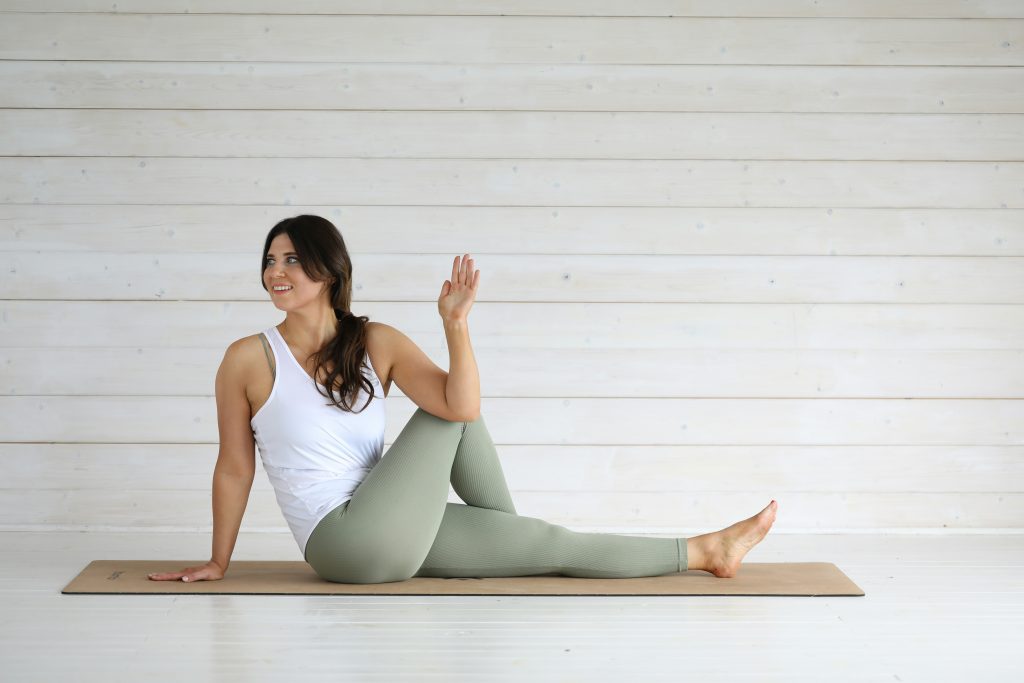
20. Half Lord of the Fishes Pose (Ardha Matsyendrasana)
Benefits
- Improves spinal flexibility
- Stretches the shoulders
- Supports healthy posture
- Enhances mobility
21. Revolved Triangle Pose (Parivrtta Trikonasana)
Benefits
- Improves balance
- Strengthens the legs
- Increases flexibility
- Challenges coordination
Inversion Yoga Poses Names
Inversions require proper technique and should be practiced with care.
22. Downward-Facing Dog (Adho Mukha Svanasana)
Although often considered a transitional pose, Downward Dog is also a mild inversion.
Benefits
- Stretches the entire body
- Strengthens the shoulders
- Improves flexibility
- Builds endurance
23. Shoulder Stand (Sarvangasana)
Benefits
- Strengthens the shoulders
- Improves body awareness
- Enhances balance
- Builds core control
24. Headstand (Sirsasana)
“Headstand” is one of the most advanced yoga posture names.
Benefits
- Develops upper-body strength
- Improves balance
- Enhances focus
- Builds confidence
Note: Beginners should practice headstand only under qualified instruction.
Restorative Yoga Poses’ Names
These poses encourage deep relaxation and recovery.
25. Child’s Pose (Balasana)
One of the most loved, popular yoga poses for relaxation.
Benefits
- Relaxes the body
- Stretches the lower back
- Calms the mind
- Reduces tension
26. Corpse Pose (Savasana)
Savasana is practiced at the end of nearly every yoga session.
Benefits
- Promotes complete relaxation
- Supports recovery
- Encourages mindfulness
- Reduces stress
Complete Yoga Pose Chart
| English Name | Sanskrit Name | Difficulty |
| Mountain Pose | Tadasana | Beginner |
| Child’s Pose | Balasana | Beginner |
| Downward Dog | Adho Mukha Svanasana | Beginner |
| Cobra Pose | Bhujangasana | Beginner |
| Bridge Pose | Setu Bandhasana | Beginner |
| Tree Pose | Vrikshasana | Beginner |
| Warrior I | Virabhadrasana I | Beginner |
| Warrior II | Virabhadrasana II | Beginner |
| Triangle Pose | Trikonasana | Beginner |
| Butterfly Pose | Baddha Konasana | Beginner |
| Camel Pose | Ustrasana | Intermediate |
| Wheel Pose | Urdhva Dhanurasana | Advanced |
| Shoulder Stand | Sarvangasana | Advanced |
| Headstand | Sirsasana | Advanced |
Tips for Learning Yoga Pose Names
Learning yoga exercise names becomes easier with regular practice.
- Learn 5-10 poses each week.
- Practice the pose while saying its name aloud.
- Understand both the English and Sanskrit names.
- Keep a yoga journal or pose chart.
- Follow beginner-friendly yoga classes.
- Focus on proper alignment before attempting advanced poses.
Common Mistakes Beginners Should Avoid
Many beginners make mistakes that can slow progress or increase the risk of discomfort.
- Skipping warm-up exercises
- Holding the breath during poses
- Comparing yourself with others
- Rushing into advanced postures
- Ignoring proper alignment
- Practicing through pain instead of adjusting the pose
A healthy and long-lasting yoga practice can be developed by paying attention to your body and making cautious progress
Conclusion
Learning yoga poses’ names is an excellent first step toward building a confident and enjoyable yoga practice. From foundational postures like Mountain Pose and Child’s Pose to more challenging poses such as Wheel and Headstand, every asana offers unique physical and mental benefits.
Whether your goal is to improve flexibility, build strength, reduce stress, or simply stay active, understanding the yoga pose list allows you to practice with greater awareness and confidence. Start with beginner-friendly poses, focus on proper technique, and gradually explore more advanced asanas as your strength and flexibility improve.
Frequently Asked Questions
1. What are the most common yoga poses’ names?
Some of the most common yoga poses include Mountain Pose, Downward-Facing Dog, Child’s Pose, Tree Pose, Cobra Pose, Warrior I, Warrior II, Triangle Pose, Bridge Pose, and Butterfly Pose.
2. How many yoga poses are there?
There are hundreds of asanas in traditional yoga; according to some sources, there are over 80 classical positions and numerous contemporary modifications that are employed in various yoga forms.
3. Which yoga poses are best for beginners?
Beginners should start with Mountain Pose, Child’s Pose, Cat-Cow, Downward-Facing Dog, Cobra Pose, Bridge Pose, Easy Pose, Butterfly Pose, Tree Pose, and Seated Forward Fold.
4. Why do yoga poses have Sanskrit names?
Sanskrit names preserve the traditional origins of yoga and provide a universal way for practitioners around the world to identify the same poses.
5. How can I remember yoga pose names more easily?
Practice regularly, learn a few poses at a time, use a yoga pose chart, repeat the names while practicing, and become familiar with both the English and Sanskrit names.