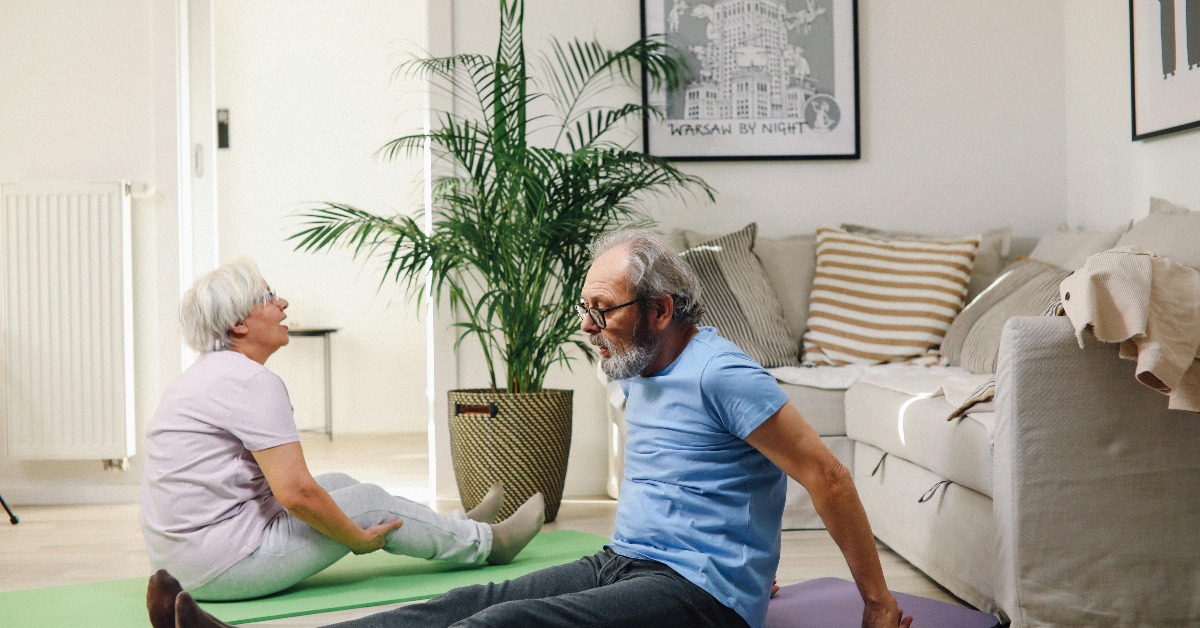
Starting yoga can feel overwhelming when you see advanced poses online, but the truth is that every experienced yogi began with the basics. Learning beginner yoga poses helps build strength, flexibility, balance, and confidence while reducing the risk of injury.
Whether you want to improve posture, reduce stress, increase mobility, or simply create a healthier lifestyle, practicing yoga poses for beginners is one of the easiest ways to begin your wellness journey.
In this guide, you’ll discover the best easy beginner yoga poses, their benefits, proper alignment tips, breathing techniques, and the most common mistakes beginners should avoid.
Table of Contents
- Why Beginners Should Practice Yoga
- Benefits of Beginner Yoga Poses
- Best Beginner Yoga Poses
- Step-by-Step Instructions
- Beginner Yoga Routine
- Common Mistakes
- Safety Tips
- FAQs
Why Should Beginners Start with Basic Yoga Poses?
Beginning with basic yoga poses allows your body to gradually develop flexibility, strength, coordination, and body awareness. Instead of forcing difficult postures, beginners should focus on mastering proper alignment and controlled breathing.
Practicing simple poses consistently helps create a solid foundation for more advanced yoga styles later.
Benefits include:
- Improves flexibility
- Strengthens muscles
- Enhances posture
- Supports better balance
- Relieves stress
- Boosts confidence
- Increases body awareness
- Improves breathing
Benefits of Beginner Yoga Poses
| Benefit | How It Helps |
| Better Flexibility | Gradually loosens tight muscles |
| Improved Strength | Builds core, legs, arms, and back |
| Better Balance | Reduces falls and improves stability |
| Stress Relief | Calms the nervous system |
| Improved Posture | Encourages proper spinal alignment |
| Increased Energy | Enhances circulation and oxygen flow |
| Better Sleep | Promotes relaxation before bedtime |
| Mental Focus | Improves concentration and mindfulness |
10 Best Beginner Yoga Poses
1. Mountain Pose (Tadasana)
Mountain Pose is the foundation of nearly every standing yoga posture. It teaches proper posture, balance, and body awareness.
How to Do It
- Place your feet hip-width apart or together.
- Keep your spine straight.
- Relax your shoulders.
- Engage your core.
- Allow your arms to naturally fall to your sides.
- Take slow, deep breaths.
Benefits
- Improves posture
- Strengthens legs
- Enhances balance
- Increases body awareness
2. Child’s Pose (Balasana)
Child’s Pose is one of the most relaxing simple yoga poses and is perfect for resting between exercises.
Steps
- Kneel on the mat.
- Sit back on your heels.
- Stretch your arms forward.
- Lower your forehead toward the floor.
- Breathe deeply.
Benefits
- Relaxes the body
- Stretches the hips
- Releases lower back tension
- Reduces stress
3. Cat-Cow Pose (Marjaryasana-Bitilasana)
Cat-Cow improves spinal mobility and gently warms up the body before a full yoga session.
Instructions
- Start on hands and knees.
- Inhale and arch your back (Cow Pose).
- Exhale and round your spine (Cat Pose).
- Continue slowly with your breath.
Benefits
- Improves spinal flexibility
- Relieves stiffness
- Warms up muscles
- Supports better posture
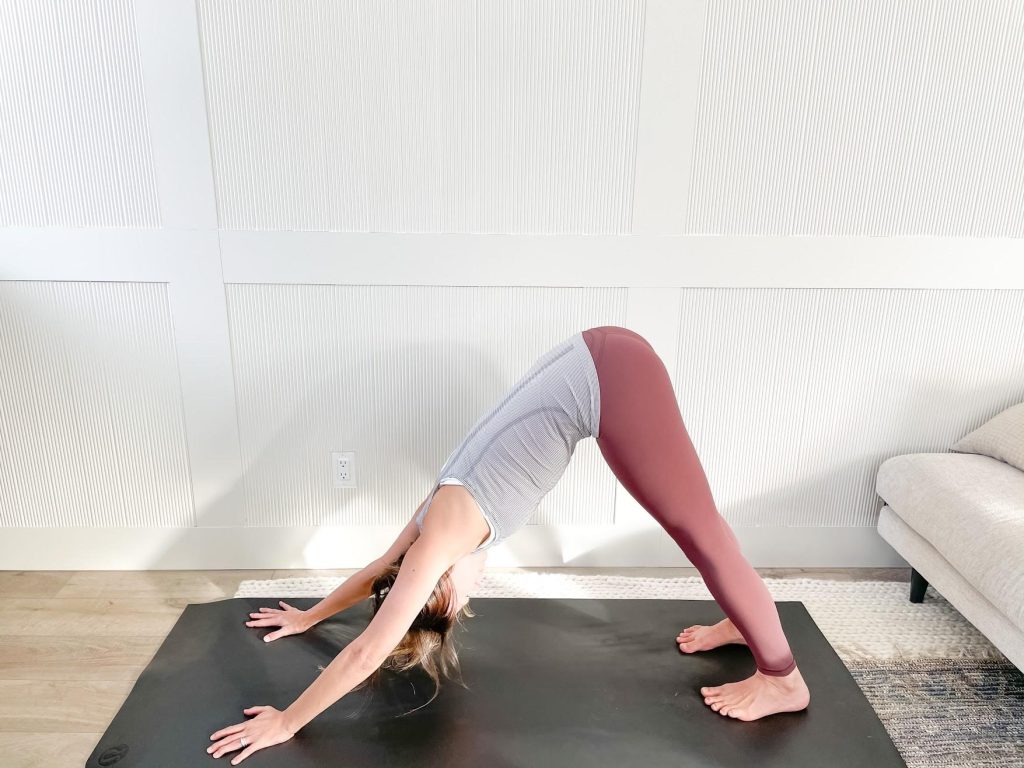
4. Downward Facing Dog (Adho Mukha Svanasana)
This classic pose stretches the entire body while strengthening the shoulders and legs.
Steps
- Begin on hands and knees.
- Lift your hips upward.
- Straighten your legs as much as is comfortable.
- Keep your hands firmly on the floor.
- Relax your neck.
Benefits
- Stretches hamstrings
- Strengthens shoulders
- Improves circulation
- Builds full-body strength
5. Cobra Pose (Bhujangasana)
Cobra Pose is an excellent backbend for improving spinal flexibility without placing excessive strain on beginners.
How to Perform
- Lie face down.
- Place your palms under your shoulders.
- Press gently into your hands.
- Lift your chest.
- Keep your elbows slightly bent.
- Hold while breathing naturally.
Benefits
- Strengthens the back
- Opens the chest
- Improves posture
- Increases spinal flexibility
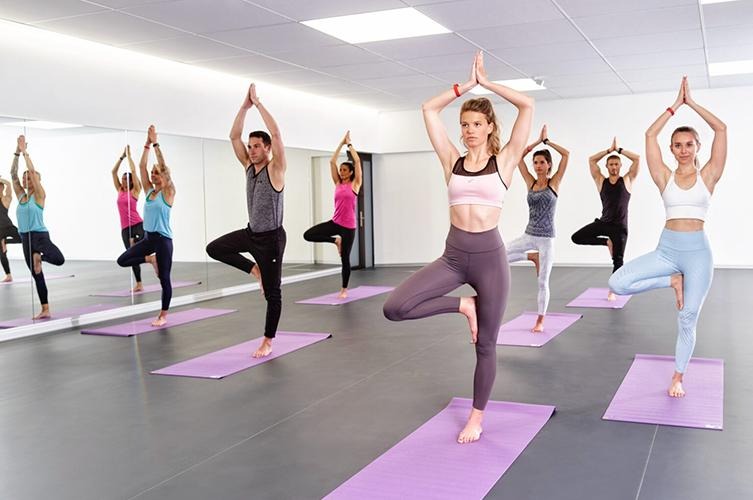
6. Tree Pose (Vrikshasana)
Tree Pose introduces beginners to balance while improving concentration and stability.
Steps
- Stand tall.
- Shift weight onto one foot.
- Place the opposite foot against your calf or inner thigh.
- Bring your hands together at your chest.
- Hold for several breaths before switching sides.
Benefits
- Improves balance
- Strengthens legs
- Enhances focus
- Builds confidence
Beginner Tips Before Moving to More Challenging Poses
Starting a beginner yoga routine is about consistency rather than perfection. Focus on learning proper form before increasing the difficulty of your practice.
Keep these tips in mind:
- Practice on a non-slip yoga mat.
- Never force a stretch.
- Move with your breath.
- Wear comfortable clothing.
- Practice 15–30 minutes daily.
- Stay hydrated.
- Listen to your body and rest when needed.
7. Bridge Pose (Setu Bandhasana)
Bridge Pose is one of the best beginner yoga poses for strengthening the lower back, glutes, and core while gently opening the chest. It is an excellent addition to any beginner yoga routine because it helps improve posture and spinal mobility.
How to Do Bridge Pose
- Lie flat on your back with your knees bent and feet hip-width apart.
- Place your arms beside your body with palms facing down.
- Press your feet firmly into the mat.
- Lift your hips toward the ceiling.
- Maintain your knees in alignment and your shoulders relaxed.
- Hold for 20–30 seconds while breathing slowly.
Benefits
- Strengthens the back and glutes
- Improves posture
- Opens the chest and shoulders
- Supports spinal flexibility
8. Seated Forward Fold (Paschimottanasana)
This gentle stretch is one of the most effective seated yoga poses for beginners. It helps improve flexibility in the hamstrings, calves, and lower back while promoting relaxation.
Steps
- Sit with your legs extended straight.
- Keep your back long.
- Inhale and raise your arms.
- Exhale as you slowly fold forward from the hips.
- Don’t force the stretch as you reach for your feet.
- Hold for several breaths.
Benefits
- Increases flexibility
- Stretches the back and legs
- Calms the nervous system
- Improves posture
9. Warrior I (Virabhadrasana I)
Warrior I is one of the most popular standing yoga poses for beginners because it develops strength, balance, and stability.
How to Perform
- Step one foot forward into a lunge.
- Turn the back foot slightly outward.
- Bend the front knee.
- Raise both arms overhead.
- Keep your chest lifted.
- Hold for 20–30 seconds before switching sides.
Benefits
- Strengthens the legs
- Improves balance
- Opens the hips
- Builds endurance
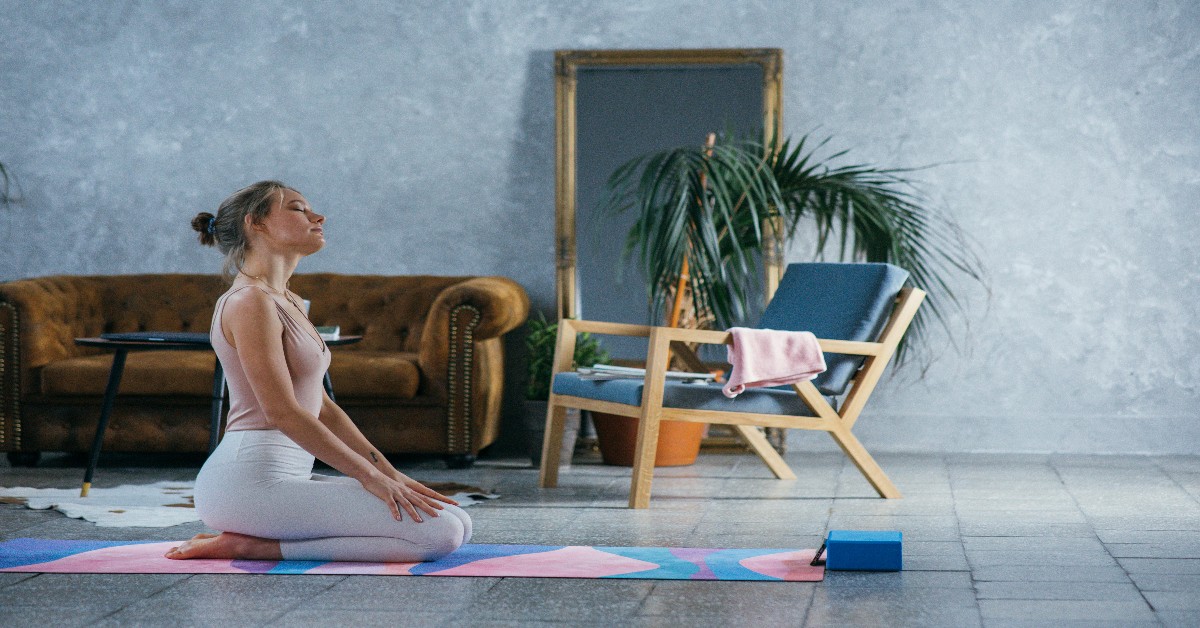
10. Easy Pose (Sukhasana)
For novices, Easy Pose is a cozy sitting position ideal for yoga breathing and meditation.
Steps
- Sit cross-legged.
- Lengthen your spine.
- Rest your hands on your knees.
- Relax your shoulders.
- Close your eyes.
- Breathe deeply for several minutes.
Benefits
- Improves posture
- Encourages relaxation
- Supports mindfulness
- Enhances breathing
Sample Beginner Yoga Routine
If you’re wondering how to start yoga, this simple 20-minute sequence is ideal for daily practice.
| Pose | Time |
| Mountain Pose | 1 minute |
| Cat-Cow Pose | 2 minutes |
| Child’s Pose | 2 minutes |
| Downward Dog | 2 minutes |
| Cobra Pose | 2 minutes |
| Warrior I | 2 minutes each side |
| Tree Pose | 1 minute each side |
| Bridge Pose | 2 minutes |
| Seated Forward Fold | 2 minutes |
| Easy Pose & Deep Breathing | 4 minutes |
Practicing this beginner yoga sequence consistently can help improve flexibility, balance, and overall well-being.
Common Mistakes Beginners Should Avoid
Many people progress more quickly by avoiding these common errors:
- Holding your breath during poses
- Rushing through movements
- Comparing yourself to others
- Ignoring pain or discomfort
- Skipping warm-up exercises
- Locking your knees or elbows
- Practicing without proper alignment
- Trying advanced poses too soon
Remember, yoga is about steady progress, not perfection.
Safety Tips for Beginner Yoga Practice
Follow these simple guidelines to make your beginner yoga practice safe and enjoyable.
- Warm up before starting.
- Move slowly and mindfully.
- Focus on your breathing.
- Use yoga blocks or straps if needed.
- Practice on a non-slip yoga mat.
- Wear comfortable clothing.
- Stay hydrated.
- Stop immediately if you feel sharp pain.
- Consult your healthcare provider before starting if you have an injury or medical condition.
Key Takeaways
- Beginner yoga poses help build a strong foundation for long-term practice.
- Focus on proper alignment before increasing difficulty.
- Practice consistently rather than aiming for perfection.
- Combine movement with controlled breathing for the best results.
- A short daily session is more effective than occasional long workouts.
Conclusion
Learning beginner yoga poses is one of the best ways to improve your physical and mental health. Whether your goal is to become more flexible, build strength, reduce stress, or simply develop a healthier daily routine, mastering the basics will set you up for long-term success.
As your confidence increases, work your way up from basic poses like Mountain Pose, Child’s Pose, Cat-Cow, and Tree Pose. You can achieve a stronger, healthier, and more balanced lifestyle by paying attention to your body, practicing patiently, and keeping in mind that every little step counts.
Frequently Asked Questions (FAQs)
1. Which yoga positions are ideal for beginners?
Mountain Pose, Child’s Pose, Cat-Cow, Downward-Facing Dog, Cobra Pose, Tree Pose, Bridge Pose, Warrior I, Seated Forward Fold, and Easy Pose are among the best beginner yoga poses.
2. How often should beginners practice yoga?
Beginners should aim for 15-30 minutes of yoga, three to five days a week. As strength and flexibility improve, daily practice can be beneficial.
3. Can beginners do yoga at home?
Yes. Many yoga poses at home are easy to learn with proper guidance, enough space, and a quality yoga mat.
4. How long should novices hold each pose in yoga?
Most beginners can hold each pose for 20-30 seconds while maintaining slow, steady breathing. You can progressively extend the duration as you get more experience.
5. Do beginner yoga poses help with flexibility?
Absolutely. Regular practice of easy beginner yoga poses gently stretches the muscles and joints, improving flexibility, posture, and mobility over time.