Practicing 3-person yoga poses is a fun and engaging way to improve flexibility, balance, strength, and teamwork. Unlike solo yoga, trio yoga requires three people to work together, communicate clearly, and support one another through each pose.
Whether you’re practicing with friends, family members, or classmates, three-person yoga poses can make your yoga sessions more enjoyable while building trust and coordination. Most beginner 3-person yoga poses are simple to learn and don’t require advanced flexibility or experience.
In this guide, you’ll discover the best trio yoga poses, learn how to perform them safely, explore their benefits, and follow a beginner-friendly routine you can practice almost anywhere.
What Are 3-Person Yoga Poses?
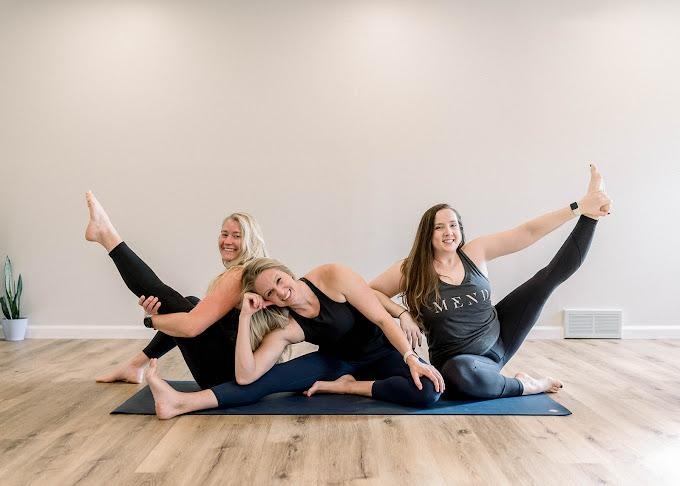
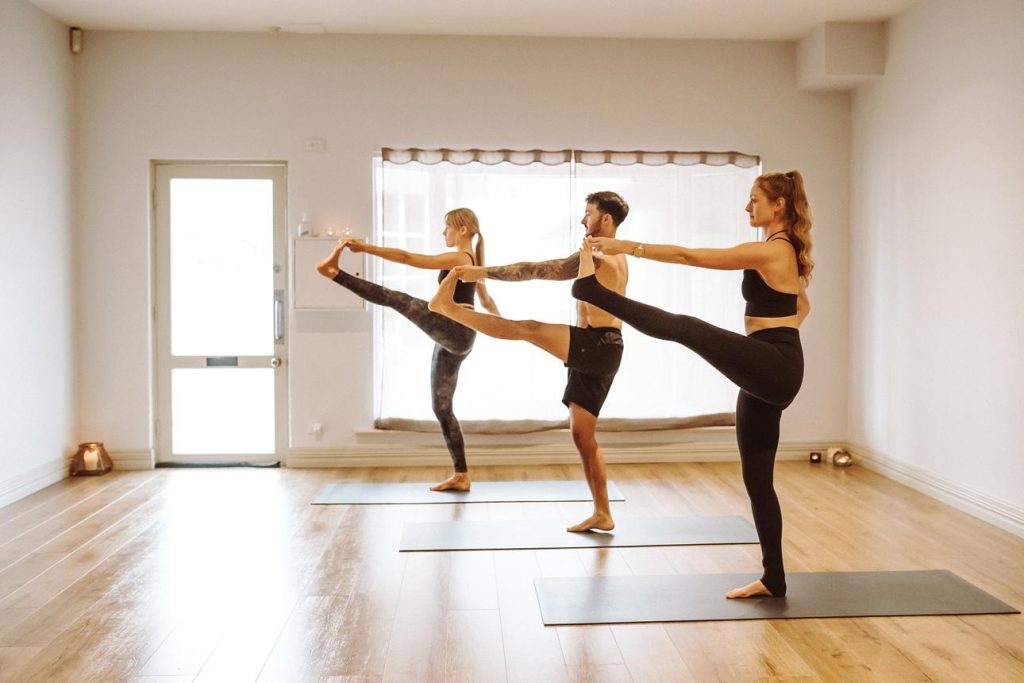
3-person yoga poses, also known as trio yoga poses or group yoga poses, are yoga postures performed by three people working together. Each participant helps improve balance, stability, and support while encouraging teamwork and communication.
Unlike individual yoga, trio yoga emphasizes the following:
- Teamwork
- Balance
- Communication
- Trust
- Coordination
- Flexibility
- Shared mindfulness
These poses can be practiced for fun, fitness, or team-building activities.
Benefits of 3-Person Yoga Poses
Practicing yoga poses for 3 people provides numerous physical and mental benefits.
| Benefit | How It Helps |
| Improves flexibility | Helps deepen stretches safely |
| Builds strength | Engages the core, legs, and arms |
| Improves balance | Enhances stability and body control |
| Encourages teamwork | Builds trust among participants |
| Reduces stress | Promotes relaxation and mindfulness |
| Boosts communication | Requires cooperation and coordination |
Regular group yoga exercises also make workouts more enjoyable and motivating.
Who Can Practice Trio Yoga?
Beginner trio yoga is suitable for:
- Friends
- Families
- Students
- Yoga groups
- Fitness partners
- Beginners looking for a fun challenge
You don’t need previous yoga experience. Simply begin with easy poses and progress gradually as your confidence grows.
How to Prepare for 3-Person Yoga
Before practicing partner yoga for 3 hours, make sure you have:
| Item | Purpose |
| Yoga mats | Prevent slipping |
| Comfortable clothing | Allows easy movement |
| Open practice space | Ensures safe positioning |
| Water bottle | Keeps everyone hydrated |
Safety Tips Before You Begin
- Warm up before starting.
- Communicate throughout every pose.
- Never force a stretch.
- Support each other gently.
- Move slowly and with control.
- If anyone is in pain or uncomfortable, stop right away.
Best 3 Person Yoga Poses for Beginners
These easy 3-person yoga poses are perfect for beginners and help improve flexibility, strength, and teamwork.
1. Triple Mountain Pose
How to Do It
- Stand in a small circle facing inward.
- Keep your feet hip-width apart.
- Put your hands lightly on each other’s shoulders.
- Lengthen your spine and engage your core.
- Hold for 30-60 seconds while breathing deeply.
Benefits
- Improves posture
- Builds balance
- Enhances teamwork
- Encourages body awareness
2. Three-Person Back-to-Back Twist
How to Do It
- Sit in a circle with your backs lightly touching.
- Cross your legs comfortably.
- Twist gently to one side while placing a hand on the nearest person’s knee.
- Hold for 20–30 seconds.
- Repeat on the opposite side.
Benefits
- Improves spinal mobility
- Relieves back tension
- Encourages synchronized breathing
- Increases flexibility
3. Triple Child’s Pose
How to Do It
- One person begins in Child’s Pose.
- The second person kneels beside them.
- The third person kneels on the opposite side.
- Extend your arms forward together.
- Hold the stretch for 30-60 seconds.
Benefits
- Gently stretches the back
- Relaxes the shoulders
- Reduces stress
- Promotes mindfulness
4. Triangle Circle Stretch
How to Do It
- Stand in a triangle formation.
- Hold hands with the two people beside you.
- Step your feet wide apart.
- Lean gently to one side together.
- Repeat on the opposite side.
Benefits
- Improves side-body flexibility
- Opens the hips
- Strengthens the legs
- Builds coordination
5. Triple Tree Pose
How to Do It
- Stand shoulder-to-shoulder in a small circle.
- Put your inner arms around each other’s shoulders.
- Lift your outside foot onto your ankle or calf.
- Hold your balance together for 20–30 seconds.
- Lower your legs and repeat.
Benefits
- Improves balance
- Strengthens the legs
- Builds concentration
- Develops teamwork
Why Practice Yoga with Three People?
exercise. Practicing yoga poses for groups is about much more than exercise. It makes exercising enjoyable and engaging while strengthening connections.
Benefits include:
- Better communication
- Stronger friendships
- Increased motivation
- Improved coordination
- Greater confidence
- More enjoyable workouts
Three-person yoga poses offer a special opportunity to keep active together, whether you’re practicing with close friends, family, or classmates.
6. Three-Person Boat Pose
How to Do It
- Face each other while seated in a close circle.
- Hold each other’s hands firmly.
- One foot at a time, raise it until all of the feet are in the middle.
- As much as is comfortable, straighten your legs.
- Hold the pose for 20-30 seconds.
Benefits
- Strengthens the core
- Improves balance
- Builds teamwork
- Enhances coordination
7. Three-Person Warrior II
How to Do It
- Stand in a triangle formation.
- Step one foot back into Warrior II.
- Extend your arms sideways.
- Lightly hold the hands of the people beside you.
- Hold for 30 seconds, then switch sides.
Benefits
- Strengthens the legs
- Improves stability
- Opens the hips
- Encourages synchronized movement
8. Triple Chair Pose
How to Do It
- Stand shoulder-to-shoulder.
- Place your arms around each other’s backs or shoulders.
- As though you were sitting in a chair, slowly bring your knees together.
- Keep your chest lifted and core engaged.
- Hold for 20–30 seconds.
Benefits
- Strengthens the lower body
- Improves balance
- Engages the core
- Builds teamwork
9. Three-Person Standing Side Stretch
How to Do It
- Stand side by side.
- With those beside you, hold hands.
- Raise your arms overhead.
- Lean gently to one side together.
- Repeat on the opposite side.
Benefits
- Improves flexibility
- Opens the shoulders
- Stretches the waist
- Enhances posture
10. Triple Savasana
How to Do It
- Lie on your backs beside one another.
- Relax your arms and legs comfortably.
- Close your eyes.
- Focus on slow, deep breathing.
- Stay in the pose for 5–10 minutes.
Benefits
- Promotes relaxation
- Reduces stress
- Encourages mindfulness
- Helps the body recover
3-Person Yoga Routine
This simple 3-person yoga routine is perfect for beginners.
| Pose | Time |
| Triple Mountain Pose | 2 minutes |
| Three-Person Back-to-Back Twist | 2 minutes |
| Triple Child’s Pose | 2 minutes |
| Triangle Circle Stretch | 2 minutes |
| Triple Tree Pose | 2 minutes |
| Three-Person Boat Pose | 2 minutes |
| Three-Person Warrior II | 2 minutes |
| Triple Chair Pose | 2 minutes |
| Three-Person Standing Side Stretch | 2 minutes |
| Triple Savasana | 5 minutes |
Practice this routine 2-4 times per week to improve flexibility, balance, coordination, and teamwork.
Best Group Yoga Stretches
Include these stretches in every session to improve flexibility:
- Three-Person Back-to-Back Twist
- Triangle Circle Stretch
- Triple Child’s Pose
- Triple Tree Pose
- Three-Person Standing Side Stretch
These group yoga exercises help release muscle tension while improving mobility and posture.
Common Mistakes to Avoid
| Mistake | Better Approach |
| Poor communication | Talk throughout every movement |
| Rushing difficult poses | Master beginner poses first |
| Forcing stretches | Stretch only to a comfortable level |
| Skipping warm-ups | Warm up before every session |
| Ignoring balance | Move slowly and support one another |
| Holding your breath | Breathe slowly and consistently |
Avoiding these mistakes makes three-person partner yoga safer and more enjoyable.
Safety Tips
Follow these tips every time you practice 3-person yoga poses:
- Warm up for 5-10 minutes before starting.
- Use non-slip yoga mats.
- Practice on a flat, open surface.
- Communicate clearly with your partners.
- Support each other gently.
- Never force a stretch or balance position.
- Stop immediately if anyone feels pain or dizziness.
Safety should always come before attempting more challenging trio yoga poses.
Conclusion
Practicing 3-person yoga poses is a fun and rewarding way to improve strength, flexibility, balance, and teamwork. Whether you’re exercising with friends, family members, or classmates, this trio of yoga poses helps build trust, communication, and coordination while making fitness more enjoyable.
Start with simple poses like Triple Mountain Pose, Back-to-Back Twist, and Triple Tree Pose, then gradually progress as your confidence grows. With regular practice and proper communication, yoga poses for 3 people can become an exciting and healthy group activity for all skill levels.
FAQs
1. What are the best 3-person yoga poses for beginners?
Triple Mountain Pose, three-person back-to-back twist, triple child’s pose, triple tree pose, and three-person boat pose are excellent beginner-friendly trio yoga poses.
2. Is 3-person yoga suitable for beginners?
Yes. Most beginner 3-person yoga poses focus on simple movements, gentle stretches, and teamwork, making them suitable for people with little or no yoga experience.
3. What are the benefits of trio yoga?
Trio yoga improves flexibility, balance, strength, coordination, communication, and teamwork while making exercise more fun and engaging.
4. Can we practice 3-person yoga at home?
Absolutely. As long as you have enough open space, non-slip yoga mats, and clear communication between participants, many 3-person yoga poses can be practiced safely at home.
5. How often should beginners practice 3-person yoga?
Practicing 2-4 times per week for 20-30 minutes helps improve flexibility, balance, and coordination while building confidence with each session.