Introduction
What is yog? If you’ve ever searched for the meaning of yog, you’ve probably encountered the term yoga as well. Many people use these words interchangeably, but there are important distinctions between them.
Understanding the difference between yoga and yog helps you appreciate both the spiritual roots and modern applications of these ancient practices. While yoga is often associated with physical exercise and fitness, yog focuses on a deeper connection between the mind, body, and soul.
In this guide, you’ll learn the true yog meaning of yoga, its origins, benefits, core principles, and how yoga and yog work together to support a balanced lifestyle.

What Is Yog? Understanding the True Meaning of Yog
Definition of Yog in Sanskrit
The definition of yog comes from the Sanskrit root “Yuj,” which means “to unite,” “to join,” or “to connect.”
The yog meaning refers to the union of individual consciousness with universal consciousness. It is a holistic path that integrates physical, mental, emotional, and spiritual development.
Unlike many modern interpretations, traditional yog extends beyond physical movement and focuses on self-realization and inner transformation.
Key Elements of Yog
- Union of body and soul
- Self-awareness
- Spiritual growth
- Inner harmony
- Mindful living
- Consciousness development
The Philosophy Behind Yog
At its core, yog philosophy is a spiritual practice designed to create harmony between the body, mind, and spirit.
Traditional yog encourages:
- Ethical living
- Self-discipline
- Mindfulness
- Meditation
- Self-control
- Spiritual balance
The ultimate goal is to develop awareness of the inner self while living with compassion and purpose.
The Goal of Yog
The purpose of yog is not merely physical fitness. It aims to cultivate the following:
- Self-awareness
- Inner tranquility
- Spiritual growth
- Mental calmness
- Emotional balance
- Personal growth
Individuals who practice yoga consistently can gain a better awareness of themselves and their place in the world.
What Is Yoga? Understanding the Modern Practice of Yoga
Definition of Yoga
The definition of yoga commonly refers to a system of physical postures, breathing exercises, and relaxation techniques practiced worldwide.
The modern yoga meaning often focuses on health, fitness, flexibility, and stress relief.
Today, yoga has become one of the most popular wellness practices across the globe.
How Yoga Evolved Over Time
Historically, yoga emerged from ancient yogic traditions. Over time, many schools adapted yoga into a structured fitness routine emphasizing the following:
- Physical activity
- Strength
- Mobility
- Flexibility
- Wellness
- Healthy living
Modern yoga practice is now commonly taught in studios, gyms, schools, and online platforms.
Yoga Asanas and Physical Practice
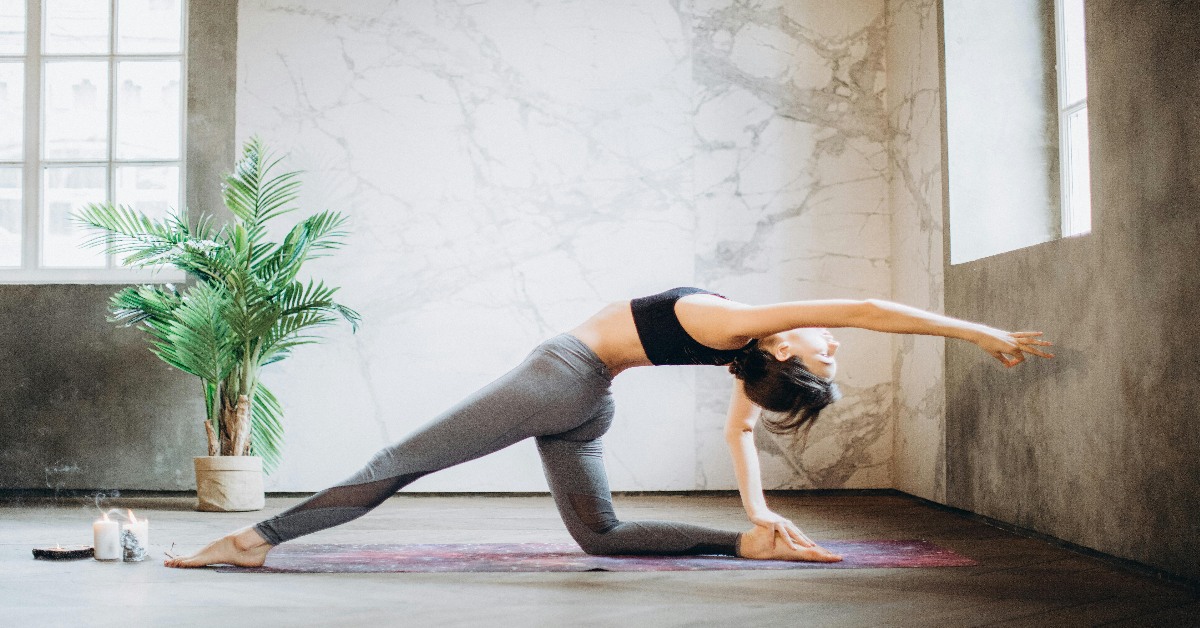
One of the most recognizable aspects of yoga is the practice of yoga asanas.
Common forms include:
- Beginner yoga poses
- Advanced yoga postures
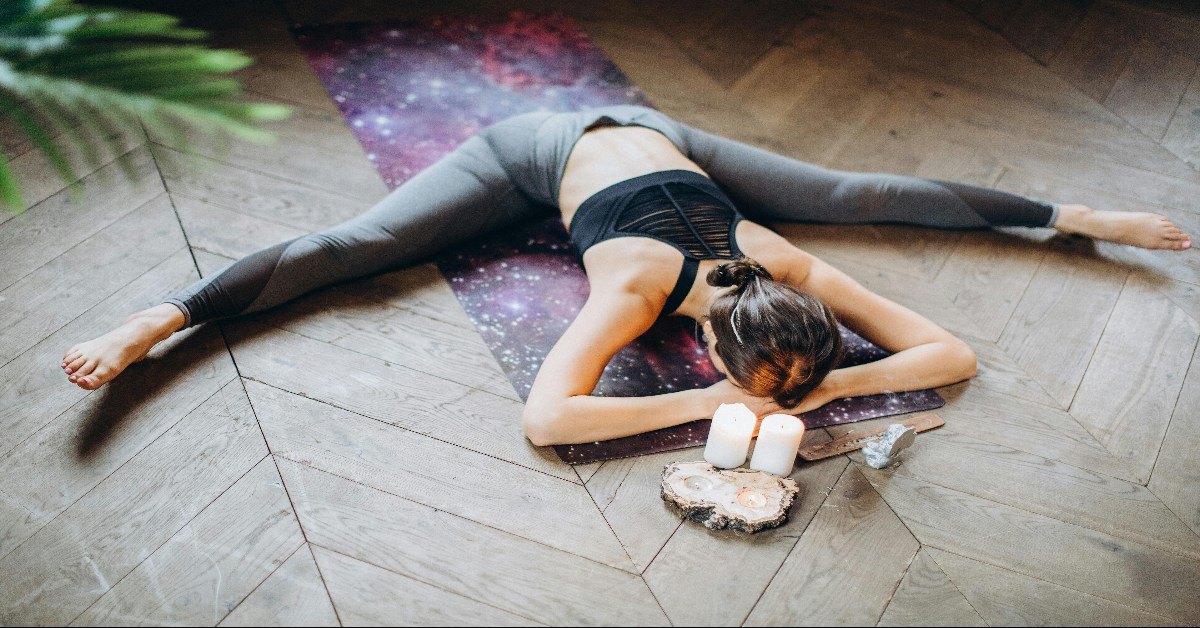
- Restorative asanas
- Balance-focused poses
- Strength-building sequences
These yoga exercises help improve flexibility, posture, and overall physical fitness.
Yoga vs Yog: Key Differences Explained
Yoga vs Yog – A Side-by-Side Comparison
Many people ask about yoga vs yog or yog vs yoga. While they share common roots, their emphasis differs.
| Aspect | Yog | Yoga |
| Primary Goal | Spiritual growth | Physical fitness |
| Main Practices | Meditation, pranayama | Asanas, yoga exercises |
| Focus | Consciousness | Strength and flexibility |
| Outcome | Self-realization | Wellness and health |
| Approach | Internal transformation | Physical development |
Difference Between Yoga and Yog
- Yog focuses on spirituality and consciousness.
- Yoga focuses primarily on physical practice.
- Yog includes ethical principles and meditation.
- Yoga emphasizes postures and movement.
- Both contribute to overall well-being.
Focus, Purpose, and Practice
Although yoga and yog have different focuses, they complement each other.
Yog develops:
- Self-awareness
- Spirituality
- Consciousness
- Inner peace
Yoga develops:
- Strength
- Mobility
- Flexibility
- Physical health
Together, they create a complete mind-body connection.
Core Elements of a Traditional Yog Practice
Yama and Niyama
Yama and Niyama are the ethical pillars of yoga.
Yama
Guidelines for social conduct:
- Non-violence
- Truthfulness
- Integrity
- Self-control
Niyama
Personal disciplines that encourage:
- Self-discipline
- Contentment
- Cleanliness
- Self-reflection
These principles support ethical living and character development.
Dhyana and Meditation Practice
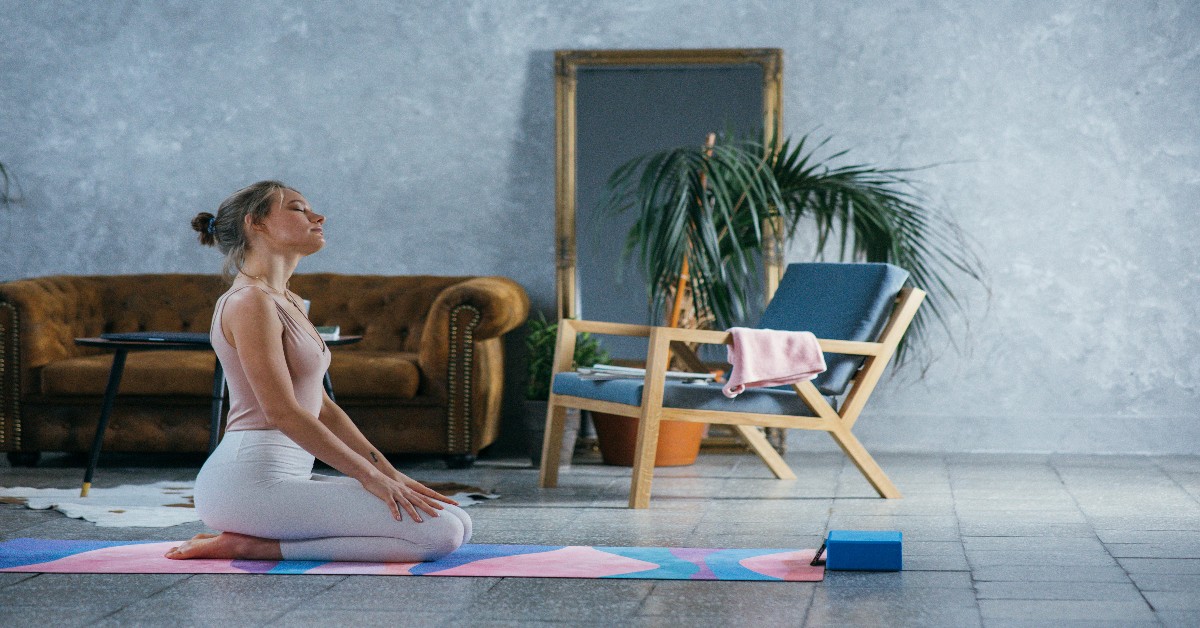
Dhyana, or meditation, is one of the most important elements of yog.
Benefits include:
- Increased concentration
- Better focus
- Mental sharpness
- Emotional control
- Mindfulness practice
Regular meditation techniques can improve memory and cognitive performance while promoting calmness.
Pranayama and Breath Control
“Pranayama” refers to breath control practices that regulate life energy.
Popular breathing techniques include:
- Alternate nostril breathing
- Deep diaphragmatic breathing
- Box breathing
- Ujjayi breathing
Benefits of pranayama:
- Improved respiratory health
- Better breath awareness
- Reduced stress
- Enhanced relaxation
Benefits of Yog for Mind, Body, and Spirit
Physical Benefits of Yog
The physical benefits of yoga and yog include:
- Improved flexibility
- Greater strength
- Better mobility
- Increased range of motion
- Enhanced posture improvement
- Better muscle tone
- Improved muscle density
- Stronger respiratory health
These benefits support long-term physical fitness and wellness.
Mental Health Benefits of Yog
Yog supports mental health by helping manage daily challenges.
Mental Benefits
- Stress relief
- Stress management
- Anxiety relief
- Improved concentration
- Better focus
- Enhanced cognitive performance
- Greater mental clarity
Many practitioners report better emotional resilience and mental calmness.
Emotional and Spiritual Benefits
Yog makes a tremendous contribution to emotional health and spiritual development.
Emotional Benefits
- Emotional control
- Happiness
- Calmness
- Self-improvement
- Personal growth
Spiritual Benefits
- Spiritual balance
- Inner tranquility
- Self-awareness
- Connection between body and soul
Yoga for Beginners: How To Start Practicing Yog
How to Practice Yog Daily
If you’re wondering how to practice yog, consistency matters more than duration.
Daily Yog Practice Tips
- Start with 10–15 minutes daily.
- Practice mindful breathing.
- Include meditation.
- Follow basic ethical principles.
- Maintain regular yoga habits.
A simple daily yoga practice can produce noticeable benefits over time.
Beginner Yoga Routine for Daily Life
Simple Beginner Routine
- Breathing exercises (5 minutes)
- Beginner yoga poses (10 minutes)
- Meditation practice (5 minutes)
- Relaxation techniques (5 minutes)
This yoga routine for beginners supports both physical and mental well-being.
Simple Meditation and Breathing Exercises
Helpful beginner practices include:
- Mindful breathing
- Guided meditation
- Breath awareness exercises
- Relaxation techniques
These methods improve mindfulness and support emotional balance.
Yoga Equipment for Beginners: What You Really Need
Choosing the Best Yoga Mat
A quality yoga mat improves comfort and safety during practice.
Look for:
- Non-slip yoga mat surfaces
- Adequate cushioning
- Durable materials
- Easy maintenance
Eco-Friendly Yoga Mats
Popular eco-friendly options include:
| Material | Benefits |
| Natural Rubber Yoga Mat | Excellent grip and durability |
| Cork Yoga Mat | Sustainable and antimicrobial |
| Eco-Friendly Yoga Mat | Environmentally conscious choice |
Essential Yoga Props and Accessories
Useful yoga accessories include:
- Yoga blocks
- Yoga straps
- Yoga bolster
- Yoga wheel
These yoga tools improve alignment and make poses more accessible for beginners.
Combining Yoga and Yog for Complete Well-Being
Why Yoga and Yog Work Better Together
Combining yoga and yog provides both physical and spiritual benefits.
Yog and Yoga Benefits
- Improved wellness
- Enhanced flexibility
- Greater mindfulness
- Better stress management
- Increased spiritual growth
Creating a Mind-Body Connection
The combination of yoga and yog strengthens the connection between:
- Mind and body
- Body and soul
- Physical health and mental health
This holistic approach supports long-term wellness.

Building a Balanced Lifestyle Through Daily Practice
Developing a healthy lifestyle involves:
- Consistent practice
- Mindfulness
- Wellness practices
- Positive habits
- Self-development
A sustainable yoga lifestyle promotes lasting well-being.
Common Misconceptions About Yog and Yoga
Is Yog the Same as Yoga?
No. Yog is the broader spiritual philosophy, while yoga often refers to physical practice.
Is Yoga Only Physical Exercise?
No. Yoga also includes breathing, relaxation, and mindfulness elements.
Can Beginners Practice Yoga?
Yes. Anyone can begin with simple meditation, breathing exercises, and beginner yoga poses.
Do You Need Special Equipment for Yog?
No. Equipment can help, but many yog practices require little or no gear.
Conclusion
Understanding the true yog meaning reveals a rich tradition that extends far beyond physical exercise. While modern yoga emphasizes flexibility, strength, and wellness, yog focuses on spirituality, consciousness, and self-awareness.
The discussion of yoga vs.vs. yog is not about choosing one over the other. Instead, it highlights how these practices complement each other. By combining meditation, pranayama, yoga asanas, and mindful living, you can enjoy the physical, mental, emotional, and spiritual benefits of both traditions.
Whether your goal is improved physical fitness, better mental health, stress relief, or spiritual growth, beginning a consistent yoga and yog practice can be a valuable step toward long-term well-being.
Frequently Asked Questions
What Is Yog?
Yoga is an ancient spiritual practice focused on uniting the body, mind, and consciousness through meditation, self-discipline, and ethical living.
What Is Yoga?
Yoga is a system of physical postures, breathing exercises, and mindfulness practices designed to improve overall health and well-being.
What Is the Difference Between Yoga and Yogas?
Yog emphasizes spiritual growth and self-realization, while yoga often focuses on physical fitness, flexibility, and stress relief.
What Are the Main Benefits of Yog?
Benefits of yog include spiritual growth, mental calmness, emotional balance, improved focus, stress relief, and overall well-being.
How Can Beginners Start a Yoga Practice?
Beginners can start with simple meditation, breath control exercises, basic yoga poses, and a consistent daily routine.