Introduction
The seated forward fold is one of the most recognized yoga postures for improving flexibility, mobility, and relaxation. Also known as Paschimottanasana, this classic seated forward-fold yoga pose stretches the entire back side of the body while encouraging calm breathing and mental focus.
Whether you are looking for a yoga pose for flexibility, a gentle seated yoga stretch, or a way to improve posture and mobility, this pose can be a valuable addition to your routine. In this guide, you’ll learn the benefits, muscles worked, step-by-step instructions, common mistakes, modifications, and safety precautions.
What Is the Seated Forward Fold (Paschimottanasana)?
Seated Forward Fold Meaning and Sanskrit Name
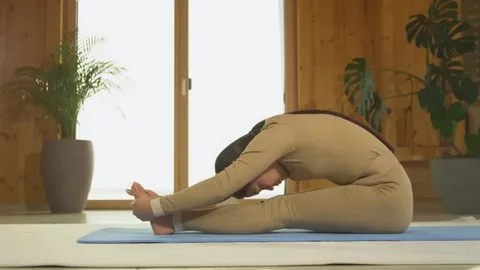
The seated forward fold, sometimes called the seated forward bend or seated forward bend pose, is a traditional yoga forward bend pose performed while sitting with the legs extended in front of the body.
Its Sanskrit name, Paschimottanasana, comes from the following:
- Paschima is the back or west side of the body.
- Uttana = intense stretch
- Asana = pose
Lengthening the back body from the heels to the spine is the main goal of the Paschimottanasana position.
Why the Seated Forward Fold Is Important in Yoga
The seated forward fold yoga posture appears in many yoga styles because it
- Improves flexibility and mobility
- Encourages relaxation
- Supports healthy posture
- Promotes body awareness
- Complements other seated yoga poses
For beginners and advanced practitioners alike, it remains one of the most effective forward-bending yoga poses.
Seated Forward Fold Benefits
Physical Benefits of the Seated Forward Fold Pose
The most notable seated forward fold benefits include the following:
- Helps stretch the back of the body
- Creates a deep hamstring stretch
- Improves hip mobility
- Enhances spinal flexibility
- Relieves muscle tension
- Supports recovery after physical activity
These are a few of the main advantages of practicing seated forward bends.
How the Pose Improves Flexibility and Mobility
As a powerful mobility yoga pose, the seated forward fold helps:
- Increase hamstring flexibility
- Improve hip mobility
- Improve spinal flexibility
- Lengthen tight muscles
- Enhance overall movement quality
Consistent practice can be an effective flexibility yoga stretch for people who spend long hours sitting.
Mental and Internal Health Benefits
In addition to physical benefits, the pose may:
- Act as a stress-relief yoga pose
- Support anxiety relief yoga practices
- Encourage mindful breathing
- Promote relaxation
- Support healthy circulation
Many practitioners also use it as part of yoga for digestion routines because gentle compression around the abdomen may stimulate digestive function.
Seated Forward Fold: Muscles Worked
Major Muscle Groups Targeted
The pose primarily targets:
| Muscle Group | Action |
| Hamstrings | Lengthening and stretching |
| Lower Back | Gentle spinal stretch |
| Glutes | Increased mobility |
| Hips | Improved flexibility |
| Thighs | Active engagement |
This combination creates an effective hamstring-stretch yoga and lower-back-stretch yoga posture.
Understanding Seated Forward Fold Yoga Anatomy
When practiced correctly, the pose creates a
- Posterior chain stretch
- Back body stretch
- Hip stretch
- Glute stretch
- Thigh stretch
These areas work together to improve movement efficiency and flexibility.
Why Core Engagement Matters
Proper core engagement and abdominal engagement help:
- Protect the lower back
- Improve spinal mobility
- Maintain stability
- Support safer movement patterns
A strong core allows deeper stretching without excessive strain.
How to Do Seated Forward Fold Correctly
Seated Forward Fold Step-by-Step Guide
Use these guidelines if you’re unsure how to perform a seated forward fold:
Step 1
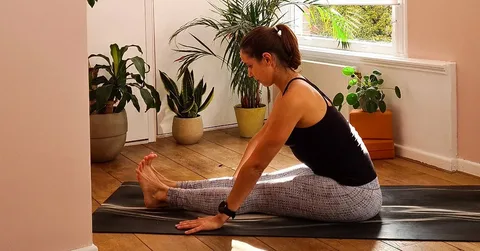
Sit with your legs extended straight ahead.
Step 2
Lengthen the spine and sit tall.
Step 3
Inhale and raise your arms overhead.
Step 4
Exhale and begin to hinge forward.
Step 5
Reach toward your feet while maintaining good posture.
Step 6
Hold for several breaths and return slowly.
This simple, seated, step-by-step forward fold method works well for beginners.
Proper Seated Forward Fold Alignment
Good seated forward fold alignment includes the following:
- Keeping the spine long
- Maintaining forward fold alignment
- Avoiding shoulder collapse
- Keeping the chest open
Proper alignment improves both safety and effectiveness.
Key Technique Tips for Better Results
For proper seated forward fold form,
- Hinge at the hips
- Lengthen the spine
- Maintain a flat-back forward fold
- Focus on chest-to-feet alignment
- Use controlled breathing
These techniques improve your overall seated fold technique.
Common Seated Forward Fold Mistakes to Avoid
Rounded Back in Forward Fold
One of the most common seated forward fold mistakes is developing a rounded back in a forward fold.
Avoid:
- Bending from the waist
- Slouching the shoulders
- Poor forward fold posture
Forcing the Stretch Too Far
Another mistake is forcing the stretch.
Never:
- Pull aggressively on the feet
- Bounce into the stretch
- Push beyond comfortable limits
Long-term outcomes are always improved by safe flexibility progression.
Forward Fold Alignment Errors Beginners Make
Common forward fold alignment errors include:
- Knees rotating outward
- Collapsing through the chest
- Lack of core activation
The stance can be rapidly improved with a simple yoga posture correction.
Seated Forward Fold Modifications for Beginners
Seated Forward Fold With Bent Knees
Try sitting forward with your knees bent if your muscles are tense.
This modification helps people who:
- Cannot straighten knees
- Have tight hamstrings
- Need a beginner-friendly option
Seated Forward Fold Using a Yoga Strap
A seated forward fold with a strap is ideal if you
- Cannot touch toes
- Need extra reach
- Want better alignment
This is one of the most popular seated forward fold modifications for beginners.
Seated Forward Fold With Blocks and Bolsters
Helpful props include:
- Seated forward fold with blocks
- Seated forward fold with bolster
- Supported seated forward fold
These options create a more restorative seated forward fold experience.
Chair-Seated Forward Fold for Limited Mobility
A chair-seated forward fold can help individuals with the following:
- Tight hips
- Limited mobility
- Balance concerns
It is an excellent option for people seeking yoga for tight muscles.
Seated Forward Fold Variations
Seated Forward Fold Variations for Beginners
Popular beginner variations include:
- Bent-knee version
- Strap-assisted version
- Supported variation
These make the pose more accessible for the seated forward fold for beginners.
Advanced Seated Forward Fold Variations
Advanced practitioners may explore:
- Deeper folds
- Longer holds
- Increased flexibility in work
Alternative Forward Bending Yoga Poses
Related poses include:
- Runner’s Stretch
- Head-to-Knee Pose
- Seated Hamstring Stretch
These alternative forward-bending yoga poses offer similar benefits.
Seated Forward Fold for Tight Hamstrings and Lower Back Pain
Seated Forward Fold for Tight Hamstrings
People with tight hamstrings often benefit from:
- Bent knees
- Yoga straps
- Gradual progression
These approaches support seated forward fold modifications for tight hamstrings.
Seated Forward Fold for Lower Back Flexibility
The pose can improve the following:
- Lower back flexibility
- Spinal mobility
- Hip movement
This makes it useful for people seeking yoga for stiff back routines.
Can a Seated Forward Fold Help Relieve Discomfort?
When performed correctly, the pose may provide mild seated forward-fold pain relief by reducing muscular tension and improving mobility.
Seated Forward Fold Contraindications and Safety Precautions
Seated Forward Fold Contraindications
Certain conditions require caution:
- Acute back injuries
- Recent hamstring injuries
- Severe hip injuries
Always follow appropriate yoga pose precautions.
When to Avoid the Pose
Consult a healthcare professional if you have:
- Forward fold back injury concerns
- Vertebral disc disease
- Hernia-related issues
Pregnancy and Blood Pressure Considerations
Seek professional guidance for:
- Yoga during pregnancy
- Blood pressure concerns
- Medical restrictions
Safety should always come first.
Conclusion
The seated forward fold pose, or Paschimottanasana, is a highly effective yoga posture for improving flexibility, mobility, and relaxation. By focusing on proper alignment, avoiding common mistakes, and using modifications when needed, practitioners of all levels can safely enjoy its benefits.
Whether your goal is to increase hamstring flexibility, improve spinal mobility, reduce stress, or enhance overall movement quality, regular practice of the seated forward fold can help support long-term physical and mental well-being.
Frequently Asked Questions
How Long Should You Hold a Seated Forward Fold?
Most practitioners hold the pose for 20–60 seconds while maintaining smooth breathing.
Is Seated Forward Fold Good for Tight Hamstrings?
Yes. It is one of the most effective stretches for improving hamstring flexibility when practiced consistently.
What Muscles Does Seated Forward Fold Stretch?
It primarily stretches the hamstrings, glutes, hips, lower back, calves, and the posterior chain.
Should Beginners Bend Their Knees?
Yes. Bending the knees can improve alignment and reduce strain while learning the pose.
Is Paschimottanasana Good for Daily Practice?
For most healthy individuals, daily practice can help improve flexibility, posture, mobility, and relaxation.