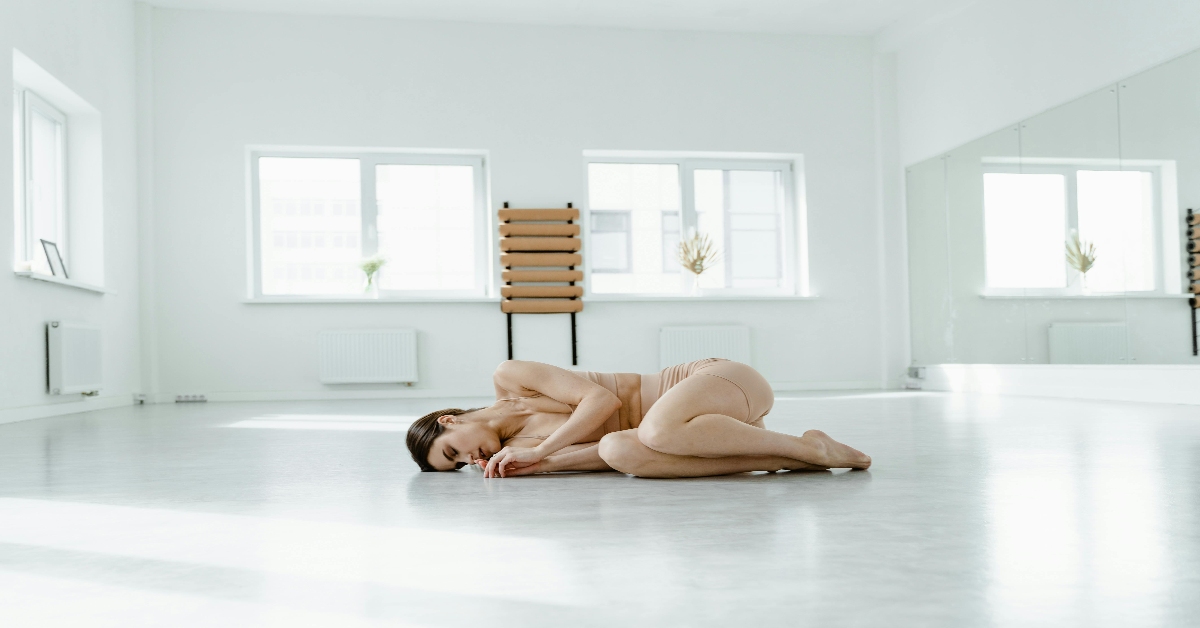
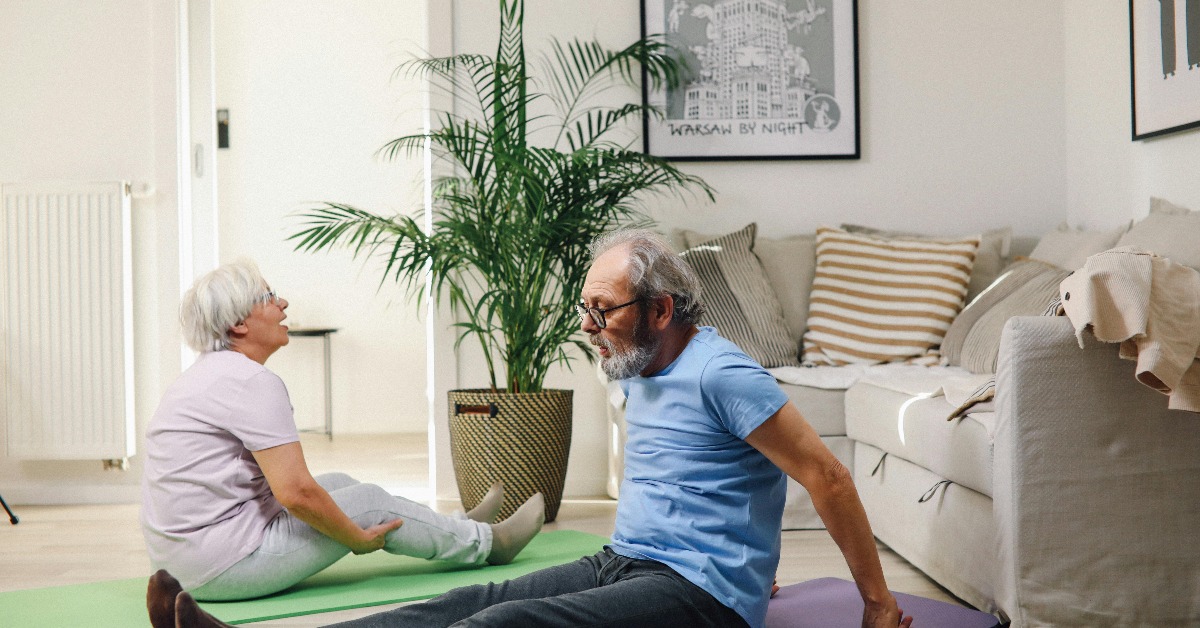
Yoga is one of the best ways to improve both physical and mental health naturally. Whether you want better flexibility, stress relief, weight management, or inner peace, yoga exercises can help you achieve your goals. Today, millions of people practice yoga daily because it supports a healthy lifestyle without requiring expensive equipment or intense workouts.
If you are wondering how to do yoga properly as a beginner, this guide will explain everything in a simple and practical way. You will learn about basic yoga exercises, breathing techniques, beginner-friendly poses, the benefits of yoga, and tips to start safely at home.
What Is Yoga?
Yoga is an ancient practice that combines physical movement, controlled breathing, and mindfulness. It focuses on creating balance between the body and mind. Unlike regular exercise routines, yoga improves flexibility, posture, concentration, and emotional well-being at the same time.
Many people use yoga exercises for:
- Stress management
- Weight loss support
- Improved flexibility
- Better sleep quality
- Increased energy levels
- Mental relaxation
- Muscle strength and balance
Yoga can be practiced by people of all ages because there are different styles and difficulty levels available.
Benefits of Yoga Exercises
Yoga offers long-term health benefits when practiced consistently. Here are some of the most important advantages.
Improves Flexibility
Regular yoga stretches tight muscles and increases body flexibility. Beginner poses slowly help your body move more comfortably.
Supports Mental Health
Yoga breathing exercises calm the nervous system and reduce stress, anxiety, and mental fatigue. Many people practice yoga for emotional balance.
Builds Body Strength
Holding yoga poses strengthens muscles naturally without heavy gym equipment.
Helps with Weight Management
Certain yoga exercises increase calorie burn and improve metabolism, which may support healthy weight loss goals.
Enhances Posture
Yoga teaches body awareness and spinal alignment, reducing poor posture caused by long sitting hours.
Improves Sleep Quality
Relaxation-focused yoga can help improve sleep patterns and reduce insomnia symptoms.
How to Start Yoga for Beginners
Starting yoga does not need complicated training. Beginners can practice simple poses at home with consistency and patience.
Choose a Quiet Space
Find a clean and peaceful place where you can move comfortably without distractions.
Wear Comfortable Clothes
Use stretchable clothes that allow free body movement during yoga exercises.
Use a Yoga Mat
A yoga mat provides grip and comfort while performing poses safely.
Start with Simple Poses
Do not try advanced yoga positions immediately. Begin with basic beginner-friendly yoga exercises.
Focus on Breathing
Breathing is an important part of yoga. Slow and controlled breathing helps maintain balance and concentration.
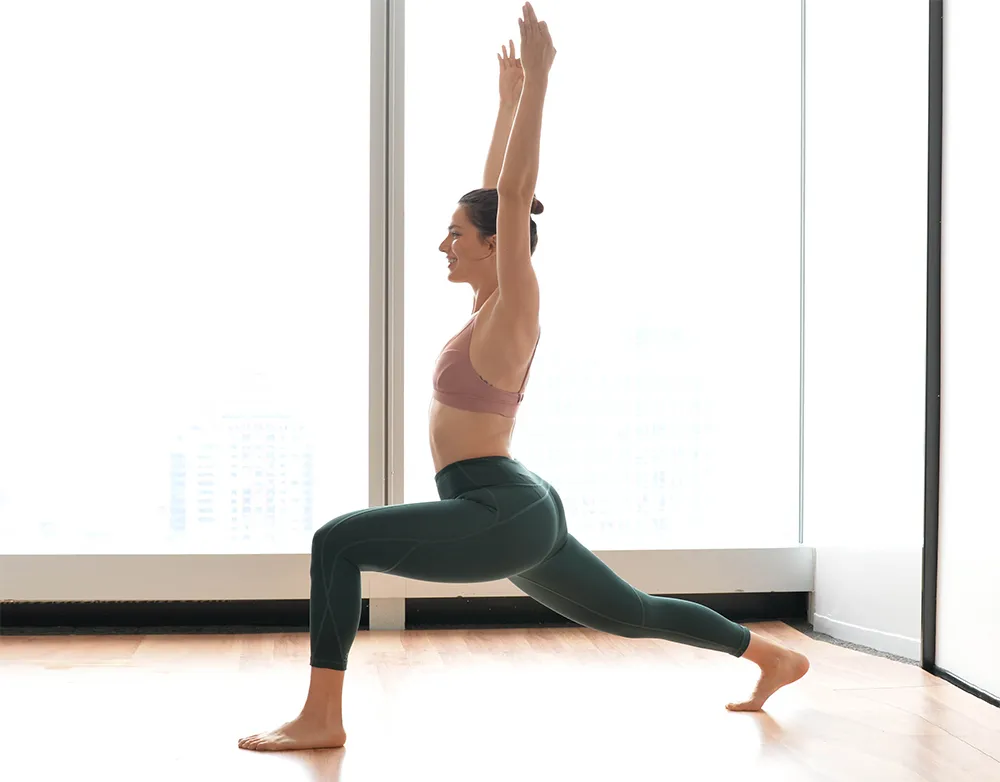
Best Beginner Yoga Exercises
Here are some easy yoga exercises beginners can practice daily.
Mountain Pose (Tadasana)
This is one of the simplest yoga poses and improves posture and balance.
How to Do It
- Stand straight with feet together
- Keep your arms relaxed at your sides
- Take deep breaths
- Maintain balance evenly on both feet
Benefits:
- Improves posture
- Enhances focus
- Strengthens legs
Child’s Pose (Balasana)
Child’s pose is a relaxing yoga exercise often used between intense movements.
Steps
- Kneel on the mat
- Sit back on your heels
- Stretch arms forward
- Lower your forehead to the floor
Benefits:
- Relieves stress
- Stretches the back
- Calms the mind
Downward Dog Pose
This popular yoga pose stretches multiple muscle groups together.
How to Perform
- Start on hands and knees
- Lift hips upward
- Keep legs and arms straight
- Form an inverted V-shape
Benefits:
- Strengthens shoulders
- Improves flexibility
- Boosts circulation
Cobra Pose (Bhujangasana)
Cobra pose helps improve spinal flexibility and posture.
Instructions
- Lie on your stomach
- Place hands under shoulders
- Lift your chest slowly
- Keep elbows slightly bent
Benefits:
- Strengthens the spine
- Opens chest muscles
- Reduces stiffness
Tree Pose (Vrikshasana)
Tree pose improves balance and concentration.
Steps
- Stand straight
- Place one foot on the opposite inner thigh
- Join hands above the head
- Focus on one point for balance
Benefits:
- Improves coordination
- Strengthens legs
- Enhances mental focus
Importance of Breathing in Yoga
Breathing techniques are essential in yoga because they help connect body movement with mental awareness.
Deep Breathing Technique
- Inhale slowly through the nose
- Expand the lungs fully
- Exhale gently and completely
This technique improves relaxation and oxygen flow throughout the body.
How Often Should You Practice Yoga?
Beginners can start with:
- 15–20 minutes daily
- 3–5 sessions per week
Consistency is more important than long workout sessions. Regular yoga exercises provide better results over time.
Common Mistakes Beginners Should Avoid
Skipping Warm-Up
Always prepare your body before yoga to avoid stiffness or discomfort.
Comparing Yourself to Others
Yoga is a personal journey. Progress takes time and patience.
Holding Breath
Never stop breathing during yoga exercises. Maintain slow and steady breathing.
Forcing Difficult Poses
Avoid pushing your body beyond comfort, especially as a beginner.
Can You Do Yoga at Home?
Yes, many beginners successfully practice yoga at home. You only need:
- A quiet environment
- A yoga mat
- Comfortable clothing
- Basic beginner guidance
Home yoga practice is affordable, flexible, and convenient for busy schedules.
Best Time to Practice Yoga
Many people prefer morning yoga because it energizes the body and improves focus for the day ahead. However, evening yoga can also help relax muscles and reduce stress after work.
The best time depends on your routine and comfort level.
Yoga and a Healthy Lifestyle
Yoga works best when combined with healthy daily habits such as:
- Balanced nutrition
- Proper hydration
- Good sleep
- Stress management
- Regular physical activity
A healthy lifestyle supports better results from yoga exercises.
Final Thoughts
Learning how to do yoga is easier than many beginners think. You do not need perfect flexibility or advanced skills to start. Simple yoga exercises practiced regularly can improve your physical health, mental peace, flexibility, and overall lifestyle.
The key is consistency, patience, and mindful breathing. Start slowly with beginner-friendly poses, focus on comfort, and gradually build confidence over time.
Yoga is not just exercise, it is a long-term practice for healthier living and inner balance.
FAQs About Yoga Exercises
1. Can beginners do yoga at home?
Yes, beginners can easily practice basic yoga exercises at home with proper guidance and consistency.
2. How long should a beginner do yoga daily?
Beginners can start with 15 to 20 minutes daily and gradually increase the duration.
3. Is yoga good for weight loss?
Yes, regular yoga combined with healthy eating habits may support weight management and fat loss.
4. What should I wear for yoga?
Wear comfortable and stretchable clothes that allow free body movement during yoga practice.
5. Which yoga exercise is best for beginners?
Child’s Pose, Mountain Pose, Cobra Pose, and Tree Pose are among the best beginner-friendly yoga poses.