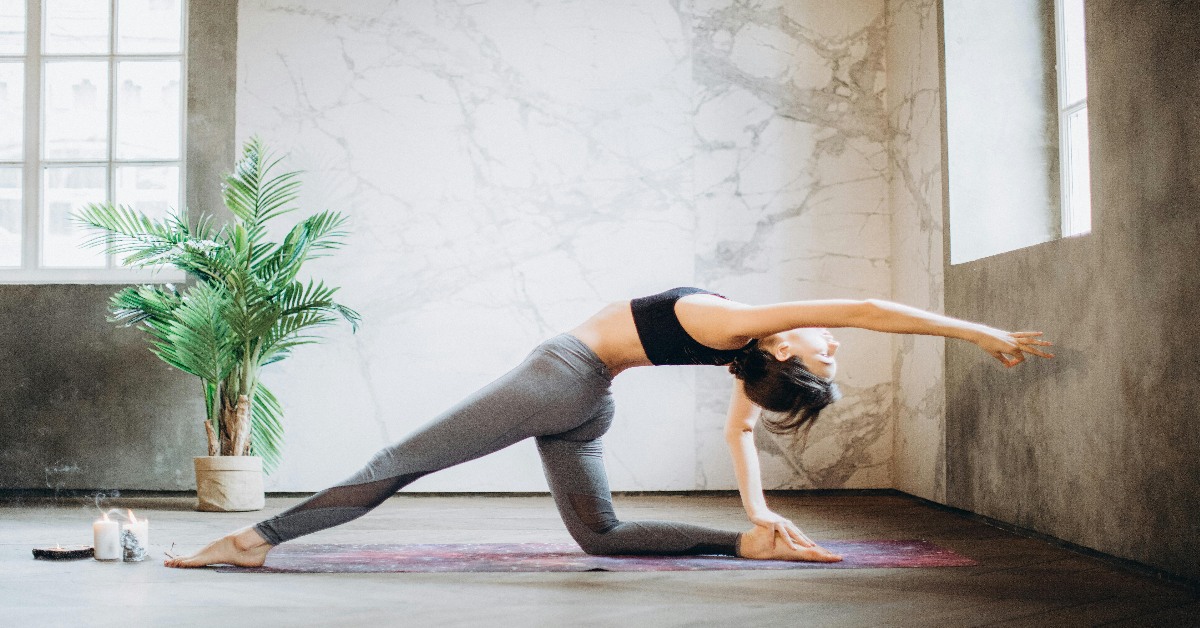
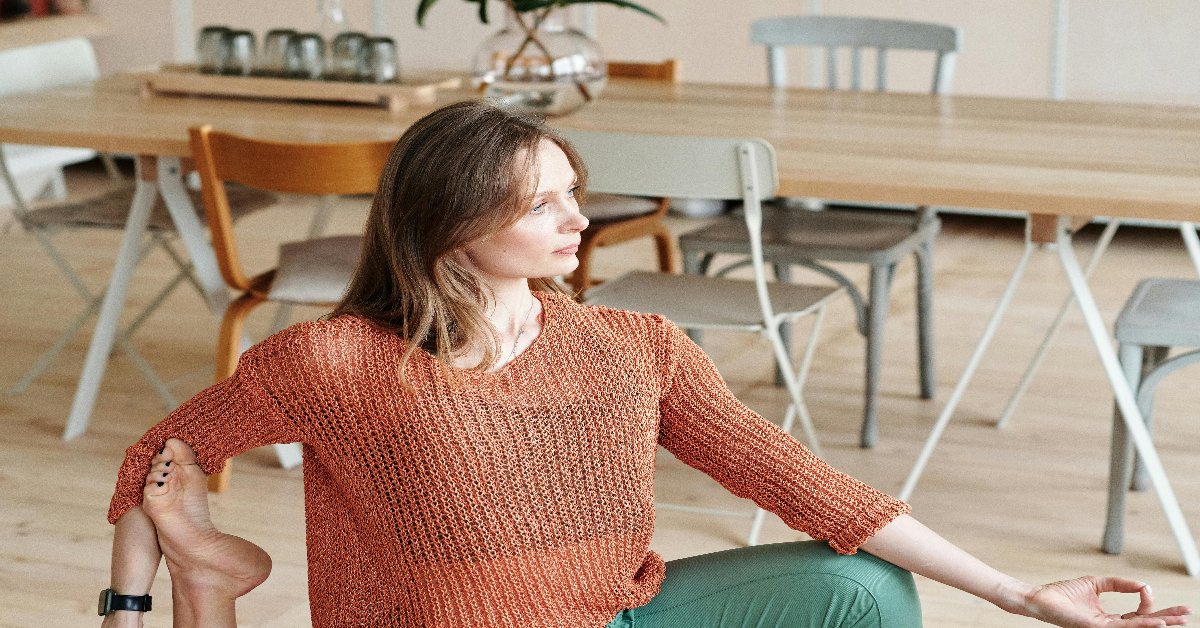
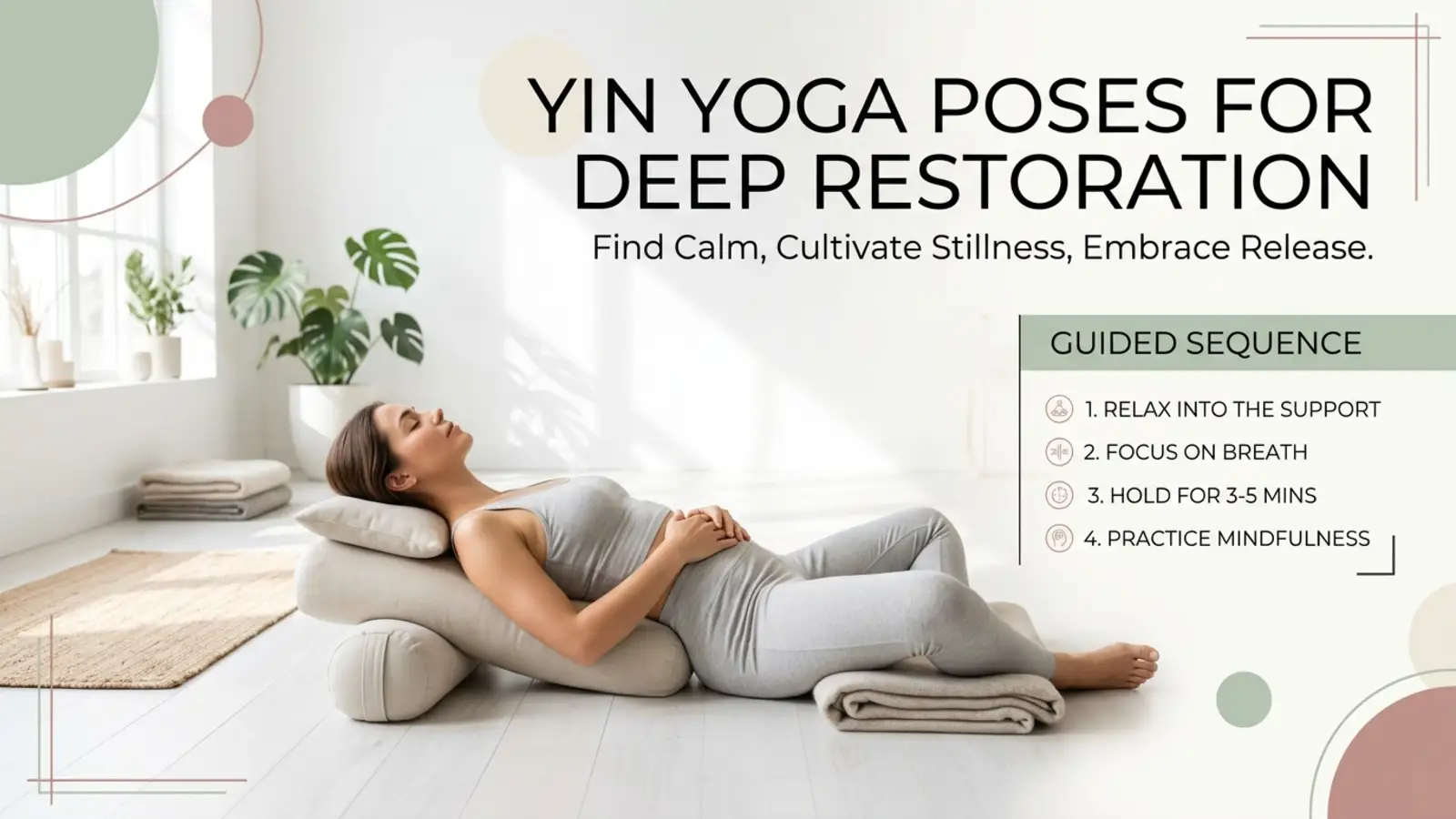
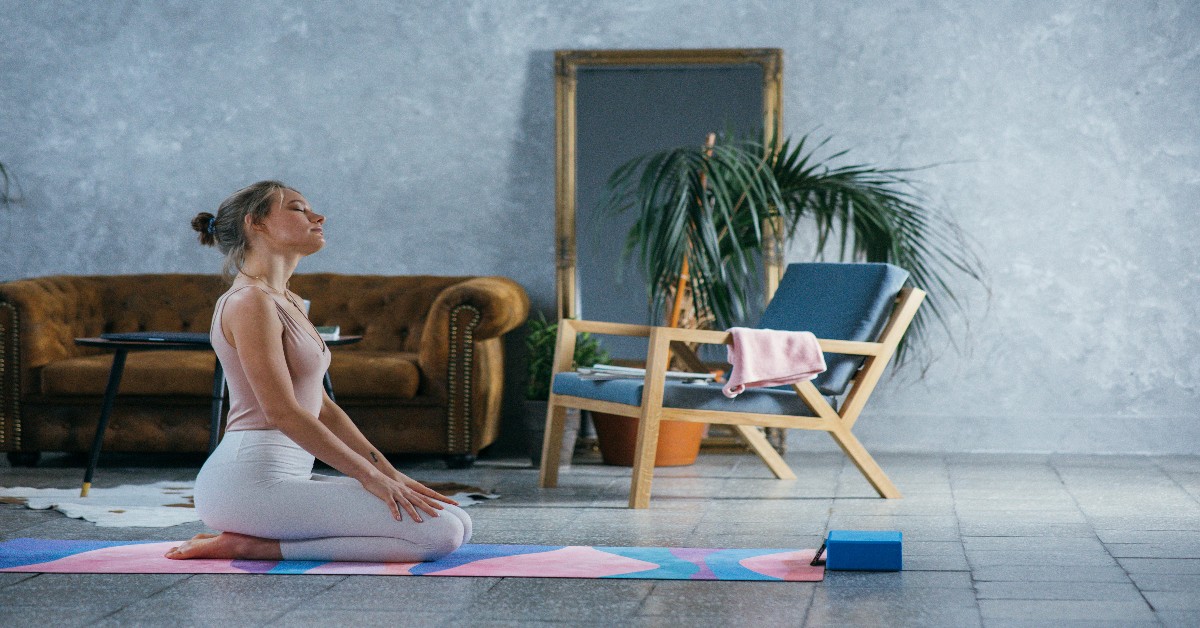
Flow yoga is a dynamic style of yoga where poses move smoothly from one posture to another in synchronization with breathing. It is commonly known as Vinyasa Flow Yoga because each movement is linked to an inhale or exhale, creating a continuous “flow” of motion.
Unlike traditional yoga styles that hold poses for long periods, flow yoga focuses on fluid transitions, rhythm, balance, and mindful breathing. This style can range from slow and relaxing to fast-paced and physically challenging, depending on the sequence and intensity.
Flow yoga has become one of the most popular modern yoga practices because it combines flexibility, strength, mindfulness, cardio movement, and stress relief in one complete workout.
Understanding the Meaning of Flow Yoga
The word “vinyasa” comes from Sanskrit and means “to place in a special way.” In yoga practice, it refers to connecting breath with movement.
In a typical flow yoga session:
- Inhale while opening or lengthening the body
- Exhale while folding, twisting, or transitioning
- Move continuously between poses
- Focus on breath awareness and mindfulness
The smooth sequence creates a meditative experience that helps calm the mind while strengthening the body.
History of Flow Yoga
Flow yoga evolved from traditional Hatha Yoga and became popular through modern Vinyasa Yoga teachings during the 20th century.
Several yoga teachers contributed to the rise of flow yoga by creating movement-based sequences that emphasized:
- Breath control
- Continuous motion
- Physical endurance
- Mental focus
- Creative yoga transitions
Today, flow yoga classes are widely practiced in yoga studios, gyms, wellness centers, and online yoga platforms worldwide.
How Flow Yoga Works
Flow yoga connects three essential elements:
1. Movement
Each yoga pose transitions naturally into the next posture without stopping.
2. Breathing
Breathing controls movement speed and helps maintain balance and focus.
3. Mindfulness
Attention stays focused on the present moment, body alignment, and breathing rhythm.
This combination creates a moving meditation that supports both physical fitness and mental wellness.
Main Benefits of Flow Yoga
Flow yoga offers both physical and mental health benefits.
1. Improves Flexibility
Continuous stretching helps loosen tight muscles and improve joint mobility.
Common areas improved:
- Hamstrings
- Hips
- Shoulders
- Spine
- Ankles
Regular practice gradually increases overall body flexibility.
2. Builds Full-Body Strength
Flow yoga strengthens muscles through bodyweight movements and balance poses.
Muscles commonly targeted:
- Core muscles
- Legs
- Glutes
- Arms
- Back
- Shoulders
Muscular endurance is enhanced by holding and switching between poses.
3. Supports Weight Management
Flow yoga can increase heart rate and burn calories, especially in fast-paced classes.
It may help:
- Improve metabolism
- Reduce body fat
- Increase energy expenditure
- Support healthy lifestyle habits
Power flow yoga sessions are especially effective for calorie burning.
4. Reduces Stress and Anxiety
The parasympathetic nervous system is triggered by breath-focused activity, which promotes relaxation.
Flow yoga may:
- Lower stress hormones
- Calm racing thoughts
- Improve mood
- Enhance emotional balance
Many people use flow yoga for stress management and mental clarity.
5. Improves Balance and Coordination
Transitioning smoothly between poses improves body awareness and stability.
Balance-focused poses strengthen:
- Ankles
- Knees
- Core stabilizers
- Postural muscles
This can improve coordination in daily activities and sports.
6. Boosts Heart Health
Continuous movement creates mild cardiovascular activity.
Benefits may include:
- Improved circulation
- Better oxygen flow
- Enhanced stamina
- Increased endurance
Advanced flow yoga classes can provide a cardio-style workout.
Types of Flow Yoga
Flow yoga comes in several styles and intensity levels.
Vinyasa Flow Yoga
The most common type focused on synchronized breath and movement.
Power Flow Yoga
A faster, stronger style emphasizing strength, endurance, and calorie burning.
Slow Flow Yoga
A gentler version with slower transitions and longer breathing cycles.
Hot Flow Yoga
Practiced in a heated room to increase sweating and flexibility.
Creative Flow Yoga
Uses unique transitions and varied pose combinations for creativity and mindfulness.
Common Flow Yoga Poses
Many flow yoga sequences combine standing, balancing, seated, and restorative poses.
Popular beginner-friendly flow yoga poses:
Mountain Pose
Improves posture and grounding.
Downward Dog
Strengthens the shoulders and stretches the hamstrings.
Plank Pose
Builds core and upper-body strength.
Cobra Pose
Improves spinal flexibility and chest opening.
Warrior Poses
Increase leg strength, balance, and endurance.
Child’s Pose
Provides relaxation and recovery during practice.
Tree Pose
Enhances balance and concentration.
Beginner Flow Yoga Sequence
Here is a simple beginner flow yoga routine:
- Mountain Pose
- Forward Fold
- Half Lift
- Plank Pose
- Cobra Pose
- Downward Dog
- Warrior I
- Warrior II
- Triangle Pose
- Child’s Pose
Practice slowly while matching each movement to your breathing.
Flow Yoga Breathing Techniques
Breathing is one of the most important parts of flow yoga.
Ujjayi Breathing
This method, often known as “ocean breath,” produces slow, deliberate nasal breathing.
Benefits include:
- Better focus
- Increased oxygen flow
- Calmer nervous system
- Improved endurance
What to Expect in a Flow Yoga Class
A typical flow yoga class may include the following:
Warm-Up
Gentle stretches and breathing exercises.
Sun Salutations
The entire body is warmed by this flowing rhythm.
Standing Flow
Strength and balance poses connected smoothly.
Floor Poses
Core work, twists, and hip-opening stretches.
Cool Down
Gentle stretches followed by relaxation.
Final Relaxation
Usually ends with Savasana for recovery and mindfulness.
Is Flow Yoga Good for Beginners?
Yes, flow yoga is beginner-friendly when practiced at a comfortable pace.
Beginners should:
- Focus on breathing first
- Learn proper alignment
- Avoid forcing flexibility
- Modify difficult poses
- Practice consistently
Slow-flow yoga classes are often best for new practitioners.
Flow Yoga vs Hatha Yoga
| Feature | Flow Yoga | Hatha Yoga |
| Movement Style | Continuous flow | Slower and static |
| Pace | Moderate to fast | Slow |
| Breathing | Linked with movement | Separate breathing focus |
| Intensity | Moderate to high | Gentle to moderate |
| Cardio Effect | Higher | Lower |
| Best For | Fitness + mindfulness | Beginners + relaxation |
Flow Yoga vs Power Yoga
Although similar, there are differences.
| Flow Yoga | Power Yoga |
| Can be gentle or intense | Usually intense |
| Focuses on fluid movement | Focuses on strength and stamina |
| Suitable for all levels | Better for intermediate practitioners |
| Emphasizes mindfulness | Emphasizes fitness |
Tips for Starting Flow Yoga
Start Slowly
Choose beginner-friendly sequences before advanced classes.
Focus on Breath
Breathing should guide every movement.
Wear Comfortable Clothes
Flexible clothing allows easier movement.
Stay Hydrated
Drink water before and after class.
Use Yoga Props
Blocks and straps help improve alignment safely.
Practice Consistently
Regular practice improves flexibility and confidence.
Best Time to Practice Flow Yoga
Flow yoga can be practiced anytime, depending on your goals.
Morning Practice
- Boosts energy
- Improves focus
- Activates the body
Evening Practice
- Reduces stress
- Relaxes muscles
- Helps improve sleep quality
Who Should Avoid Intense Flow Yoga?
Although generally safe, some people should practice cautiously.
Consult a healthcare professional if you have:
- Recent injuries
- Severe back pain
- Heart conditions
- High blood pressure
- Pregnancy complications
Gentle or modified yoga may be safer in these situations.
How Often Should You Practice Flow Yoga?
For most people:
- Beginners: 2-3 times weekly
- Intermediate practitioners: 4-5 times weekly
- Advanced practitioners: Daily practice if recovery is balanced
Consistency matters more than session length.
Can Flow Yoga Help Mental Health?
Flow yoga supports mental wellness through mindful movement and controlled breathing.
Research suggests yoga may help:
- Reduce anxiety
- Improve sleep quality
- Support emotional regulation
- Increase mindfulness
- Reduce mental fatigue
The meditative flow creates a calming effect on the nervous system.
Flow Yoga for Weight Loss
Flow yoga may support healthy weight management by combining movement, strength training, and cardiovascular activity.
For better results:
- Practice regularly
- Combine with balanced nutrition
- Include higher-intensity flow sessions
- Maintain consistent sleep habits
Power flow yoga burns more calories than slower yoga styles.
Essential Equipment for Flow Yoga
You only need a few basics:
- Yoga mat
- Comfortable clothing
- Water bottle
- Yoga blocks
- Yoga strap
- Towel for hot yoga
Beginners can start with minimal equipment.
Final Thoughts
Flow yoga is a dynamic and mindful yoga style that combines breathing, movement, flexibility, and strength into one complete practice. Whether you want better fitness, reduced stress, improved flexibility, or mental clarity, flow yoga offers benefits for both body and mind.
Its adaptable nature makes it suitable for beginners and advanced practitioners alike. By practicing consistently and focusing on mindful breathing, flow yoga can become an effective part of a healthy wellness routine.
FAQs About Flow Yoga
1. What is flow yoga good for?
Flow yoga improves flexibility, strength, balance, stress relief, posture, and overall fitness while promoting mindfulness and relaxation.
2. Is flow yoga suitable for beginners?
Yes, beginners can practice flow yoga by starting with slow-paced classes and focusing on breathing and basic poses.
3. Does flow yoga help with weight loss?
Flow yoga may support weight loss by increasing calorie burn, improving metabolism, and encouraging regular physical activity.
4. How often should I practice flow yoga?
Most beginners benefit from practicing flow yoga 2-3 times per week, while experienced practitioners may practice more frequently.
5. What is the difference between flow yoga and Vinyasa yoga?
Flow yoga and Vinyasa yoga are often used interchangeably because both connect movement with breathing in a continuous sequence.