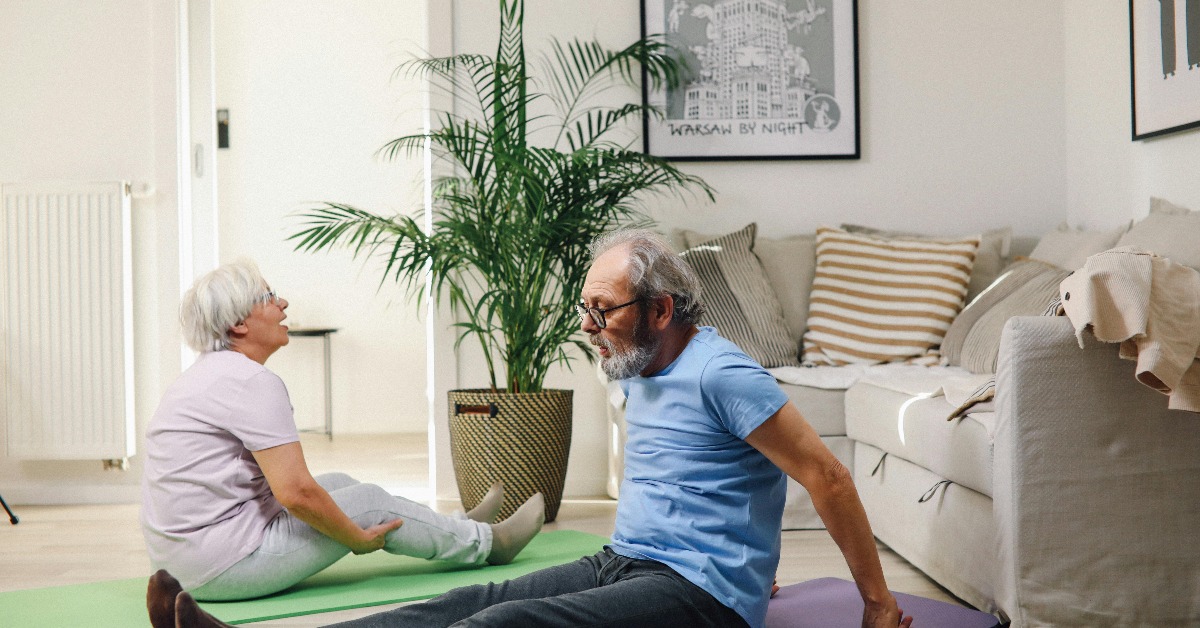
The figure-4 glute stretch is a simple yet effective exercise that targets the hips, glutes, and piriformis muscles. This popular hip and glute stretch helps improve flexibility, reduce muscle tension, and support better movement. Whether you’re a beginner, an office worker, an athlete, or an older adult, this stretch can be a valuable addition to your mobility routine.

What Is the Figure 4 Glute Stretch?
Understanding the Figure 4 Stretch Position
The figure 4 stretch gets its name from the shape created when one ankle rests across the opposite knee. It can be performed as a seated figure-4 stretch, seated glute stretch, or seated hip stretch using a sturdy chair.
This position gently opens the hips and stretches muscles around the buttocks and outer hip area.
Which muscles does Figure 4 stretch?
The stretch primarily targets:
- Glute muscles
- Gluteal muscles
- Piriformis muscle
- Deep glute muscle tissue
- Outer hip muscles
Because it focuses on the piriformis area, many people also use it as a piriformis muscle stretch to relieve tightness.
Top Figure 4 Stretch Benefits for Hip Mobility and Flexibility
Improves Hip Flexibility and Range of Motion
One of the biggest benefits of the figure-4 stretch is improved hip flexibility. Regular practice acts as a hip flexibility exercise that may increase range of motion and make daily movements easier.
Benefits include:
- Better hip mobility
- Easier bending and squatting
- Improved movement efficiency
Supports Better Hip Mobility and Joint Health
As a hip mobility stretch and hip mobility exercise, the figure-4 position encourages healthy joint movement.
Regular stretching may support:
- Joint mobility
- Lower body mobility
- Better athletic performance
- Greater movement comfort
Helps Relieve Tight Hips and Glute Tension
Many people experience hip tightness from prolonged sitting. This tight glutes stretch can help reduce hip tension and function as a gentle glute pain-relief stretch.
Potential benefits include the following:
- Reduced stiffness
- Improved comfort while walking
- Better flexibility during daily activities
Can Help Reduce Lower Back Discomfort
Lower back pain may be exacerbated by tight hips. A “figure 4” stretch for lower back pain may help by reducing tension in surrounding muscles.
Many individuals also use the movement for piriformis pain relief when muscle tightness affects comfort and mobility.
How to Do a Seated Figure 4 Stretch Correctly
Step-by-Step Guide for Beginners
If you’re learning how to do a seated figure 4 stretch, follow these steps:
- Sit upright in a sturdy chair.
- Place both feet flat on the floor.
- Cross one ankle over the opposite knee.
- Keep your chest lifted.
- Lean forward gently till you experience a stretch. Lean forward gently till you experience a stretch.
- Hold for 20–60 seconds.
- Repeat on the opposite side.
This chair-based hip stretch is an excellent beginner glute stretch.
Form Advice for a Secure and Efficient Stretch
For the best results:
- Maintain a straight back.
- Relax your shoulders.
- Breathe slowly.
- Avoid forcing the movement.
A gentle glute stretch performed with good form promotes functional movement and safe flexibility gains.
How Long Should You Hold the Stretch?
Most people benefit from holding the stretch for 20–60 seconds.
For daily flexibility exercises and a balanced mobility routine, perform the stretch 2–3 times per side.
Common Mistakes to Avoid During the Figure 4 Glute Stretch
Leaning Too Far Forward
Avoid excessive forward bending. Only move until you feel a comfortable stretch.
Rounding the Spine
Keep the spine neutral to prevent unnecessary stress on the lower back.
Pressing Too Hard on the Knee
Never force the knee downward. Gentle positioning is usually enough.
Ignoring Hip or Knee Discomfort
Stop if you experience pain rather than a mild stretching sensation.
Holding Your Breath While Stretching
Steady breathing helps muscles relax and improves stretch quality.
Best Figure 4 Stretch Variations for Different Mobility Levels
Gentle Seated Glute Stretch for Beginners
A gentle seated glute stretch can be performed by crossing the ankle lower on the leg. This simple figure 4 stretch modification reduces intensity.
Chair Glute Stretch for Limited Flexibility
A seated glute stretch is ideal for people with mobility limitations. This hip stretch while sitting in a chair offers support and stability.
Seated Piriformis Stretch Variation
The seated piriformis stretch focuses more directly on the piriformis muscle and can serve as a chair stretch for the piriformis muscle.
Figure 4 Stretch for Tight Hips
People with limited mobility often use the figure-4 stretch for tight hips as a glute mobility stretch that gradually improves flexibility.
Figure 4: Glute Stretch for Seniors
Why Older Adults Should Stretch the Hips and Glutes
The figure-4 glute stretch for seniors may help maintain healthy hips and support comfortable walking.
Benefits include:
- Improved mobility
- Better flexibility
- Enhanced independence
Safe Stretching Tips for Seniors
When performing safe stretches for older adults:
- Use a sturdy chair.
- Move slowly.
- Avoid painful positions.
- Focus on low-impact stretching exercises.
These practices support senior flexibility exercises safely.
Chair Exercises for Seniors Using the Figure 4 Stretch
The movement fits well into chair exercises for seniors and chair stretching exercises.
It may complement:
- Senior hip stretches
- Mobility exercises for seniors
- Daily flexibility routines
Easier Alternatives for Limited Mobility
For those with restricted movement, consider:
- Seated stretches for older adults
- Easy glute stretches for older adults
- Seated piriformis stretch for older adults
These modifications reduce strain while maintaining benefits.
When Should You Add the Figure 4 Stretch to Your Routine?
After Sitting for Long Periods
This stretch for sitting too long may help reduce stiffness and complement hip stiffness exercises.
Before or After Exercise
The stretch works well as a lower-body stretch before activity or during a post-workout stretching routine.
As Part of a Daily Mobility Program
Incorporating the stretch into regular flexibility exercises could help with:
- Better posture improvement
- Greater mobility
- Long-term flexibility gains
Figure 4: Stretch vs Other Popular Hip Stretches
Figure 4: Stretch vs Hip Opener Stretch
A hip opener stretch often targets multiple hip muscles, while the figure-4 stretch focuses more directly on the glutes and piriformis.
Figure 4: Stretch vs Traditional Piriformis Stretch
Traditional piriformis stretches can be performed lying down, whereas the figure-4 version is often easier and more accessible.
Is the Figure 4 Stretch the Best Seated Glute Stretch?
For many people, it is considered one of the best seated glute stretch options because it effectively targets both the glutes and hips while remaining beginner-friendly.
Conclusion
The figure-4 glute stretch is a simple yet powerful exercise that improves hip flexibility, supports joint mobility, and helps reduce tension in the glutes and lower back. Whether you use it for general fitness, recovery, or senior mobility, this stretch can become an important part of a healthy flexibility routine. Consistent practice may lead to better movement, improved posture, and greater everyday comfort.
FAQs
What muscles does the Figure 4 glute stretch work?
It primarily targets the glutes, piriformis, outer hips, and surrounding buttock muscles.
Can the Figure 4 stretch help with lower back pain?
It may help reduce tension around the hips and glutes, which can contribute to lower back discomfort.
How often should I perform a seated figure-4 stretch?
Most people benefit from stretching 3-7 times per week as part of a mobility routine.
Is the Figure 4 glute stretch safe for seniors?
Yes. When performed carefully and modified as needed, it can be a safe option for many older adults.
Can this stretch improve walking mobility and posture?
Yes. Improved hip flexibility and mobility may contribute to better walking mechanics and posture.