A glute stretch is a movement designed to lengthen the glute muscles, improve flexibility, and support healthy movement. Because the glutes connect closely with the hips and lower back, keeping them flexible can improve posture, reduce stiffness, and make everyday activities more comfortable.
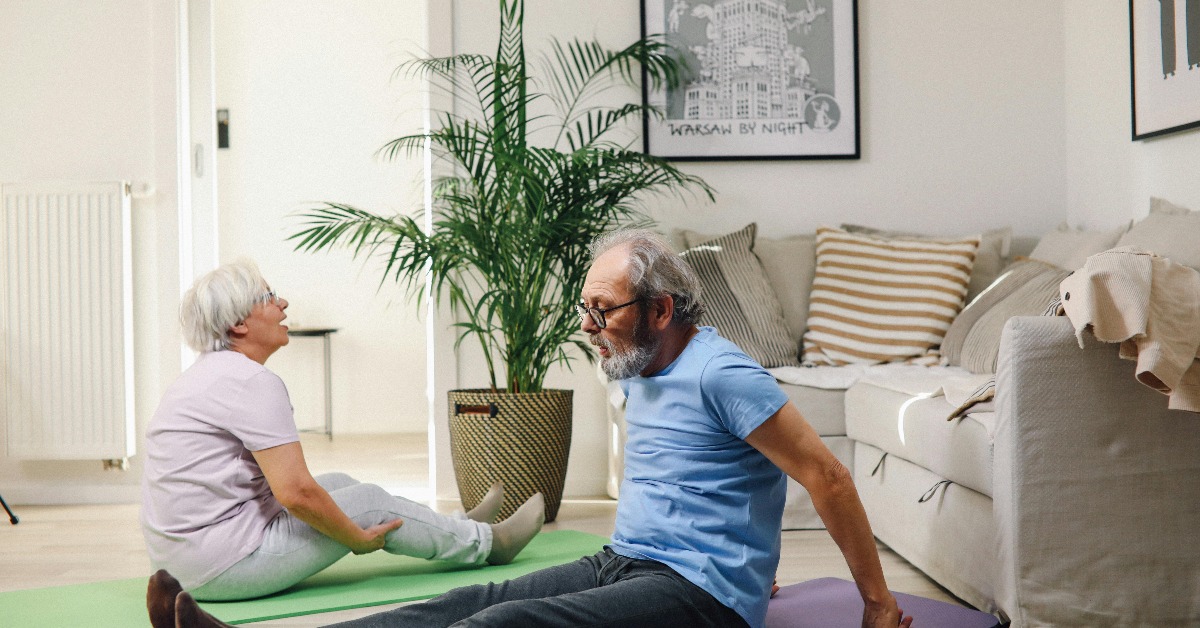
Whether you are an athlete, office worker, or older adult, adding a hip and glute stretch to your routine can help improve hip mobility, hip flexibility, and overall lower-body mobility.
What Is a Glute Stretch?
Understanding the Glute Muscles
The glutes are a group of powerful muscles located in the buttocks. They help you walk, climb stairs, stand up from a chair, and maintain balance.
The glute muscles work together with the hip muscles, outer hip muscles, and the deep glute muscle known as the piriformis. When these muscles become tight, movement can become restricted and uncomfortable.
What Happens During a Glute Stretch?
A glute stretch gently lengthens the muscle fibers in the buttocks and hips. This helps:
- Improve flexibility
- Increase joint mobility
- Relieve tightness
- Reduce tension around the hips
- Promote flexible hips
Regular stretching also improves blood flow and supports healthier movement patterns.
Benefits of a Glute Stretch for Flexibility and Mobility
Improves Hip Mobility and Hip Flexibility
Healthy hips are essential for movement and balance. A consistent mobility routine can:
- Improve hip mobility
- Increase hip flexibility
- Support lower-body mobility
- Reduce hip stiffness
- Address limited flexibility
People with tight hips often notice better movement after incorporating stretching into their daily routine.
Helps Relieve Tightness in the Hips and Glutes
Long periods of sitting can lead to hip tightness and glute tightness.
A regular glute stretch can:
- Relieve tightness in the buttocks and hips
- Ease discomfort from sitting
- Improve comfortable sitting
- Support comfortable walking
- Enhance daily movement flexibility
Supports Lower Back Health
Tight glutes can place additional stress on the lower back.
Benefits may include:
- Lower back relief
- Improved lower back health
- Reduced muscle tension
- Better posture
- More efficient movement patterns
Many people use a glute stretch for lower back pain as part of a broader flexibility routine.
Best Glute Stretch Exercises to Try
| Stretch | Primary Target | Main Benefit |
| Seated Figure-4 Stretch | Glutes, Piriformis | Improves hip mobility |
| Seated Piriformis Stretch | Piriformis Muscle | Reduces hip tightness |
| Seated Hip Stretch | Hip Muscles | Improves flexibility |
| Chair Glute Stretch | Glutes | Easy for beginners and seniors |
Seated Figure-4 Stretch
The seated figure-4 stretch is one of the most effective exercises for the glutes and hips.
How to Do It
- Sit upright in a chair.
- Cross one ankle over the opposite knee.
- Create a figure-4 position.
- Lean forward at the hips.
- Stretch the hip and buttocks gently.
- Hold the stretch for 20–60 seconds.
Benefits include:
- Figure-4 stretch for tight glutes
- Better hip mobility
- Improved flexibility
- Reduced stiffness
Seated Piriformis Stretch
A seated piriformis stretch specifically targets the piriformis muscle.
Benefits include:
- Improved hip movement
- Reduced muscle tension
- Seated piriformis stretch for hip pain relief
- Effective piriformis and glute stretch combination
Seated Hip Stretch
A seated hip stretch is ideal for people who spend long hours sitting.
Benefits include:
- Better flexibility
- Improved posture
- Reduced tight hips
- Increased daily movement flexibility
Chair Glute Stretch
A chair glute stretch is a chair-based stretch that offers a safe and effective option for beginners.
Benefits include:
- Easy to perform
- Minimal equipment required
- Helpful for seniors
- Suitable for people with limited mobility
How to Perform a Seated Glute Stretch Correctly
Step-by-Step Guide
- Sit tall in a sturdy chair.
- Cross one ankle over the opposite knee.
- Form a figure-4 position.
- Lean forward at the hips.
- Hold the stretch comfortably.
- Use deep breathing during stretching.
Proper Form Tips
- Keep your back straight.
- Avoid forcing the movement.
- Relax your shoulders.
- Stop if pain occurs.
- Hold the stretch without bouncing.
Beginner-Friendly Glute Stretch Variations
Gentle Glute Stretch for Beginners
A gentle glute stretch is ideal for people new to stretching.
Benefits:
- Lower intensity
- Easier movement
- Reduced strain
- Safe progression
Gentle Seated Stretch Options
A gentle seated stretch allows people with tight muscles to improve flexibility gradually.
A gentle hip stretch can be performed without leaning forward too far.
Modified Glute Stretch Variations
A modified glute stretch works well for people with limited flexibility.
Options include:
- Lower ankle placement
- Reduced forward lean
- Supported sitting position
Best Glute Stretch Options for Older Adults
Seated Glute Stretch for Seniors
A seated glute stretch for seniors helps maintain flexibility while reducing fall risk.
Benefits:
- Better balance
- Improved mobility
- Safer movement patterns
Hip and Glute Stretch for Older Adults
A hip and glute stretch for older adults can support independence and daily activities.
Chair Glute Stretch for Seniors
A chair glute stretch for seniors provides stability and comfort during stretching sessions.
Hip Mobility Stretch for Seniors
A hip mobility stretch for seniors helps maintain joint function and movement quality.
Chair Exercises for Hip Flexibility
Simple chair exercises for hip flexibility can complement stretching routines and improve mobility.
Lower Body Mobility Exercises for Seniors
Combining stretches with lower-body mobility exercises for seniors can improve flexibility and support healthy aging.
Additional Glute Stretch Variations Worth Trying
Seated Crossed-Leg Hug
The seated crossed-leg hug is a simple variation that gently stretches the outer hip and glute muscles.
Crossed-Leg Stretch
A crossed-leg stretch provides a comfortable option for beginners and those with tight hips.
Hip-Opening Stretch
A hip-opening stretch can improve posture and complement any glute stretching program.
Creating a Lower-Body Stretching Routine
Combining Glute and Hamstring Stretches
Pairing a glute stretch with a seated hamstring stretch helps improve overall flexibility and movement quality.
Building a Daily Mobility Routine
For best results:
- Stretch 3–7 times per week
- Hold each stretch for 20–60 seconds
- Stay consistent
- Progress gradually
A regular lower-body stretching routine can provide lasting improvements in mobility and comfort.
Common Glute Stretch Mistakes to Avoid
Avoid these common mistakes:
- Rushing through stretches
- Holding poor posture
- Ignoring proper breathing
- Stretching through pain
- Being inconsistent
Correct technique helps maximize results while reducing injury risk.
Conclusion
A glute stretch is one of the simplest ways to improve flexibility, increase hip mobility, and support lower back health. Whether you choose a seated figure-4 stretch, seated piriformis stretch, seated hip stretch, or chair glute stretch, consistent practice can help relieve tightness, improve movement, and make daily activities more comfortable.
Adding these stretches to your mobility routine can support healthier hips, more flexible movement, and long-term physical well-being.
Frequently Asked Questions
What is the best seated glute stretch?
The seated figure-4 stretch is often considered the best seated glute stretch because it targets both the glutes and piriformis muscles while improving hip mobility.
How long should I hold a glute stretch?
Most people benefit from holding a glute stretch for 20–60 seconds while maintaining steady breathing.
Can a glute stretch help lower back pain?
A glute stretch may help reduce lower back discomfort by decreasing tension in the hips and buttocks.
Is a seated piriformis stretch effective for hip pain?
Yes. A seated piriformis stretch can help relieve tension around the piriformis muscle and improve hip mobility.
Are chair glute stretches safe for seniors?
Yes. Chair glute stretches are generally safe for seniors because they provide support and stability during movement.