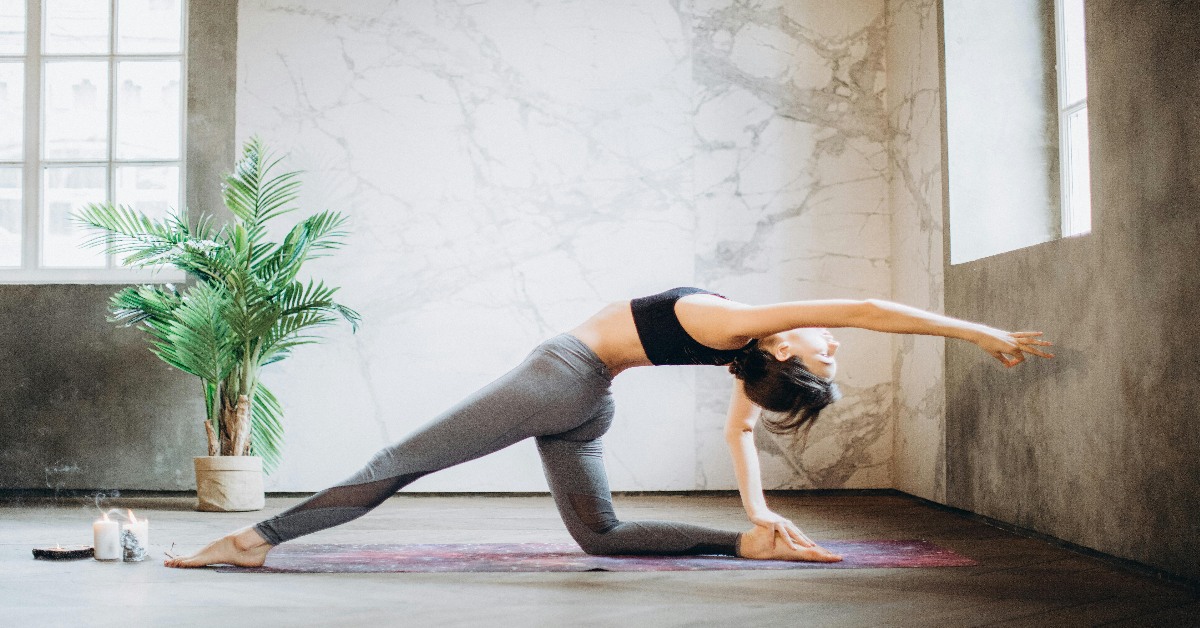
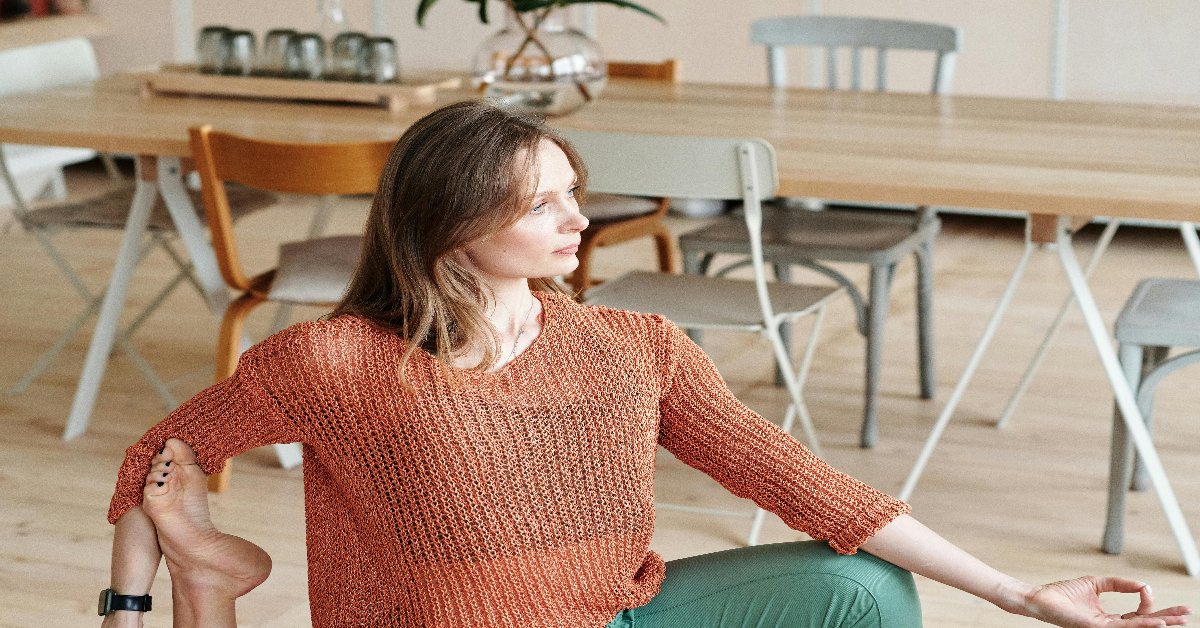
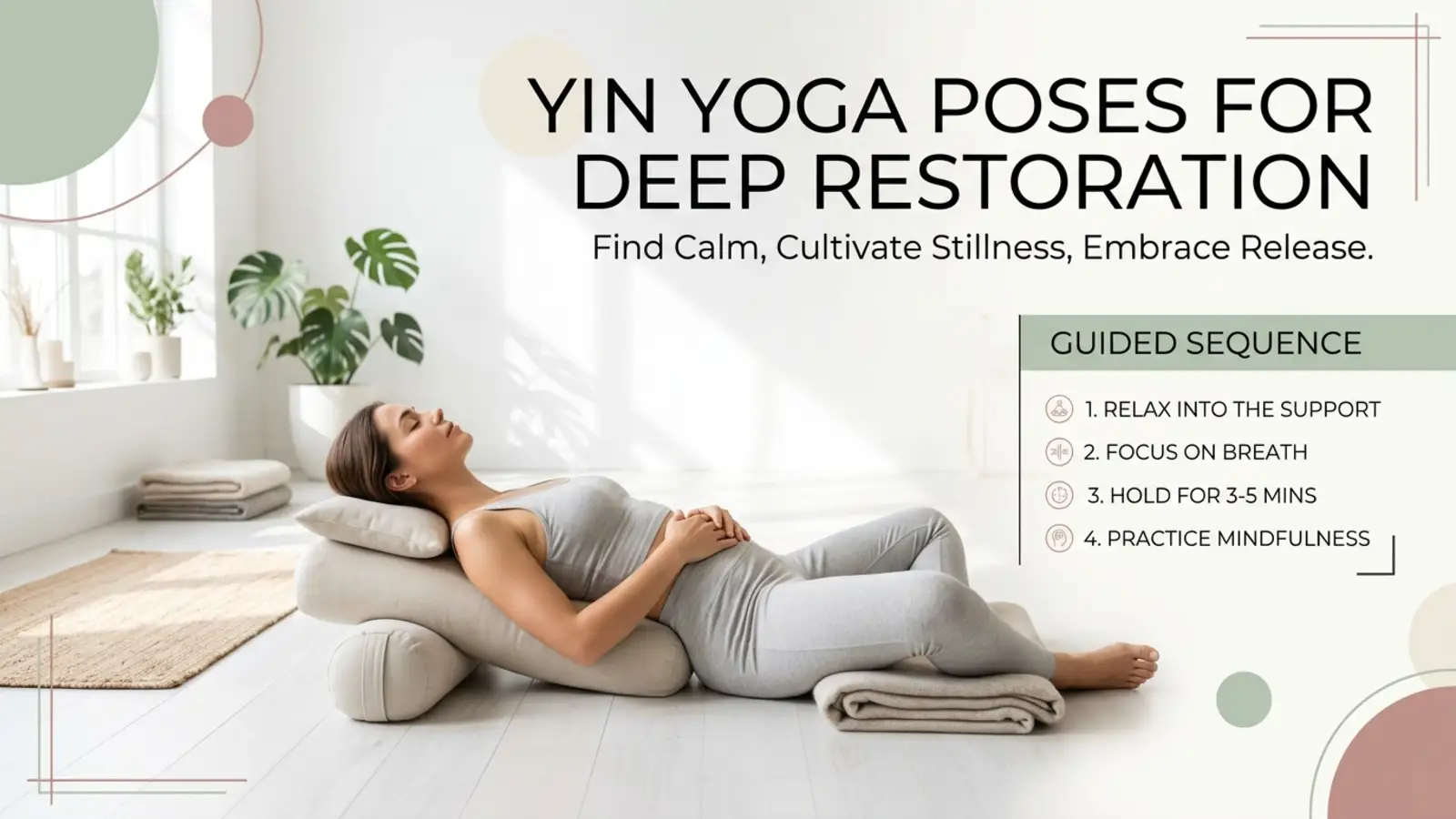
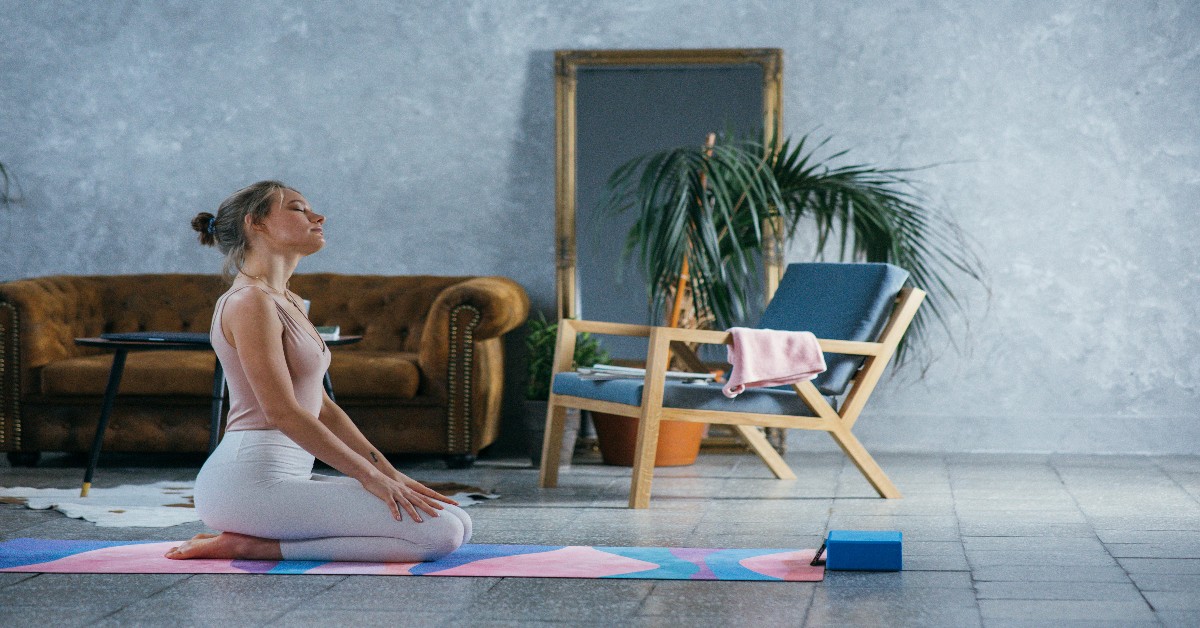
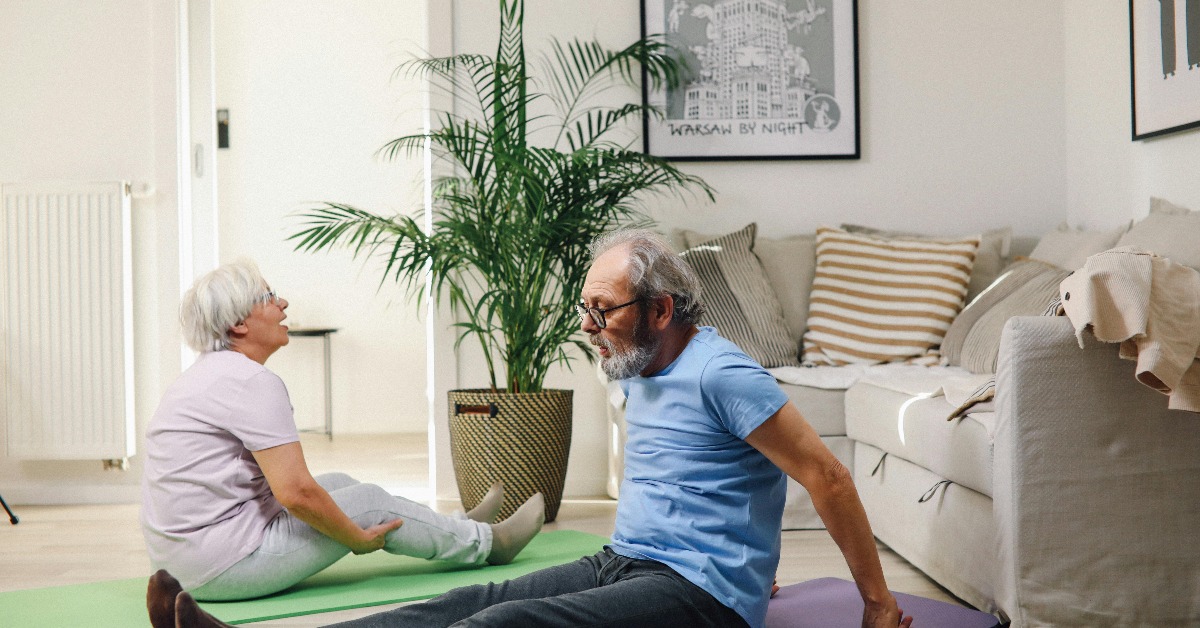
Starting yoga is one of the best ways to improve your physical health, mental well-being, and overall fitness. The beauty of easy yoga poses is that they require little to no experience, making them perfect for anyone beginning their yoga journey. Whether your goal is to increase flexibility, improve posture, reduce stress, or simply stay active, PR Journey. Easy yoga poses for beginners can help you achieve lasting results. Unlike high-intensity workouts, yoga focuses on controlled movement, proper breathing, and mindful awareness, making it suitable for people of all ages and fitness levels.
This guide introduces 15 beginner-friendly yoga poses that are simple to learn and safe to practice at home. You’ll also discover the benefits of yoga, tips for beginners, and the proper techniques for performing each pose correctly.
Why Start with Easy Yoga Poses?
Beginning with basic yoga poses allows your body to gradually adapt to stretching and strengthening exercises without unnecessary strain.
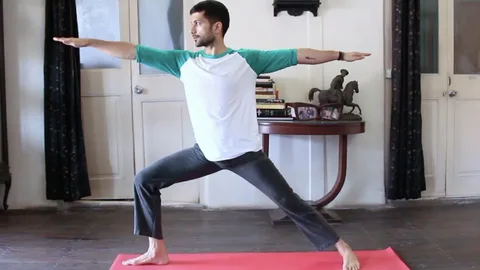
Benefits of Easy Yoga
Regular practice can help you:
- Improve flexibility
- Increase muscle strength
- Enhance balance and coordination
- Improve posture
- Reduce stress and anxiety
- Increase energy levels
- Support healthy joints
- Improve breathing patterns
- Promote better sleep
- Build confidence for advanced yoga poses
Even a 15-20 minute daily yoga practice can significantly improve your overall health.
Essential Equipment for Beginner Yoga
You don’t need expensive equipment to start practicing yoga.
| Item | Purpose |
| Yoga Mat | Prevents slipping and cushions joints |
| Comfortable Clothing | Allows free movement |
| Water Bottle | Keeps you hydrated |
| Yoga Block (Optional) | Provides support for difficult stretches |
| Yoga Strap (Optional) | Improves flexibility safely |
Tips Before You Begin
Follow these yoga tips for beginners before starting your practice:
- Warm up your body for 3-5 minutes.
- Practice in a quiet, well-ventilated space.
- Wear comfortable clothing.
- Focus on breathing throughout each pose.
- Never force your body into a stretch.
- Move slowly and mindfully.
- Stay hydrated.
- End every session with relaxation.
15 Easy Yoga Poses for Beginners
1. Mountain Pose (Tadasana)
Mountain Pose is the foundation of many standing yoga postures and teaches proper body alignment.
Benefits
- Improves posture
- Strengthens legs
- Builds body awareness
- Improves balance
How to Do It
- Stand with your feet together.
- Keep your spine straight.
- Relax your shoulders.
- Engage your abdominal muscles.
- Keep your arms at your sides.
- Breathe deeply for 30–60 seconds.
2. Child’s Pose (Balasana)
One of the most relaxing, gentle yoga poses, child’s pose, helps relieve tension throughout the body.
Benefits
- Stretches hips and lower back
- Relieves stress
- Promotes relaxation
- Improves flexibility
Steps
- Kneel on your yoga mat.
- Sit back on your heels.
- Extend your arms forward.
- Rest your forehead on the floor.
- Hold for one minute while breathing slowly.
3. Cat-Cow Pose (Marjaryasana-Bitilasana)
This flowing movement gently warms up the spine and improves mobility.
Benefits
- Improves spinal flexibility
- Reduces stiffness
- Relieves back tension
- Improves posture
Steps
- Start on your hands and knees.
- Inhale and arch your back (Cow Pose).
- Lift your head and chest.
- Exhale while rounding your spine (Cat Pose).
- Tuck your chin toward your chest.
- Repeat for 8–10 breaths.
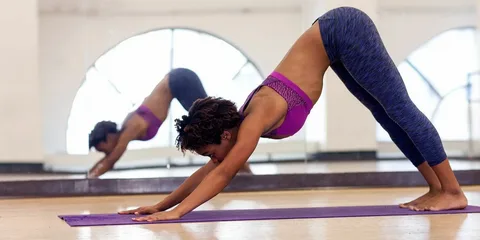
4. Downward-Facing Dog (Adho Mukha Svanasana)
One of the most recognized simple yoga poses, Downward Dog strengthens and stretches the entire body.
Benefits
- Strengthens arms and shoulders
- Improves hamstring flexibility
- Lengthens the spine
- Boosts circulation
How to Practice
- Begin on hands and knees.
- Lift your hips toward the ceiling.
- Straighten your legs as much as possible.
- Press your palms firmly into the mat.
- Keep your neck relaxed.
- Hold for 20-30 seconds.
5. Cobra Pose (Bhujangasana)
Cobra Pose is an excellent beginner yoga stretch for strengthening the back and opening the chest.
Benefits
- Strengthens the spine
- Improves posture
- Opens the shoulders
- Increases flexibility
Steps
- Lie face down.
- Place your hands under your shoulders.
- Press gently through your palms.
- Lift your chest.
- Keep your elbows slightly bent.
- Hold for 20–30 seconds.
6. Tree Pose (Vrikshasana)
Tree Pose develops balance, stability, and concentration.
Benefits
- Improves balance
- Strengthens legs
- Builds core stability
- Increases focus
Steps
- Stand tall.
- Shift weight onto one foot.
- Place the opposite foot against your calf or inner thigh.
- Bring palms together.
- Hold for 20-30 seconds.
- Repeat on the opposite side.
7. Bridge Pose (Setu Bandhasana)
Bridge Pose strengthens the lower body while opening the chest.
Benefits
- Strengthens glutes
- Improves spinal mobility
- Opens the chest
- Supports better posture
Steps
- Lie on your back.
- Bend your knees.
- Keep your feet flat on the floor.
- Lift your hips.
- Hold for 20–30 seconds.
- Lower slowly.
8. Butterfly Pose (Baddha Konasana)
Butterfly Pose gently stretches the hips and inner thighs.
Benefits
- Opens the hips
- Improves flexibility
- Relieves muscle tightness
- Promotes relaxation
Steps
- Sit upright.
- Bring the soles of your feet together.
- Hold your feet.
- Allow your knees to relax toward the floor.
- Breathe deeply for one minute.
Why Consistency Is Important
Practicing an easy yoga routine regularly provides better long-term results than occasional intense workouts.
A consistent beginner yoga routine can help:
- Improve flexibility
- Build muscle endurance
- Enhance balance
- Reduce stiffness
- Improve posture
- Increase confidence
- Reduce stress
- Support long-term wellness
Remember, progress in yoga comes from patience and regular practice—not perfection.
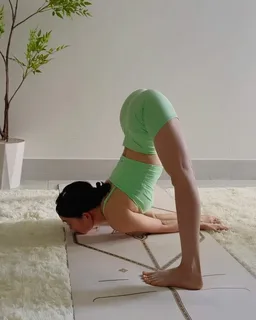
9. Seated Forward Fold (Paschimottanasana)
Seated Forward Fold is one of the best easy yoga poses for beginners to improve flexibility in the hamstrings, lower back, and spine. Move softly and avoid forcing the stretch.
Benefits
- Improves hamstring flexibility
- Stretches the lower back
- Promotes relaxation
- Improves posture
- Calms the mind
How to Do It
- Sit with both legs extended in front of you.
- Keep your spine straight.
- Inhale and lengthen your torso.
- Exhale as you bend forward from your hips.
- Reach toward your feet without straining.
- Hold for 20–30 seconds while breathing deeply.
10. Easy Pose (Sukhasana)
Easy Pose is one of the simplest beginner yoga poses and is commonly used for breathing exercises and meditation.
Benefits
- Encourages mindfulness
- Improves posture
- Supports deep breathing
- Reduces stress
- Promotes relaxation
How to Do It
- Sit cross-legged on your mat.
- Lengthen your spine.
- Rest your hands on your knees.
- Relax your shoulders.
- Close your eyes.
- Breathe slowly for 2-5 minutes.
11. Standing Forward Fold (Uttanasana)
Standing forward fold gently stretches the entire back of the body while helping relieve muscle tension.
Benefits
- Stretches the hamstrings
- Relaxes the neck and shoulders
- Improves circulation
- Increases flexibility
How to Do It
- Stand with your feet hip-width apart.
- Hinge forward from your hips.
- Let your head and arms relax.
- Bend your knees slightly if needed.
- Hold for 20-30 seconds.
12. Warrior I (Virabhadrasana I)
Warrior I is a powerful standing pose that builds strength, stability, and confidence.
Benefits
- Strengthens the legs
- Improves balance
- Opens the hips and chest
- Builds endurance
How to Do It
- Step one foot back.
- Bend your front knee.
- Keep your back leg straight.
- Raise both arms overhead.
- Hold for 20-30 seconds before switching sides.
13. Triangle Pose (Trikonasana)
Triangle Pose stretches the sides of the body while improving balance and flexibility.
Benefits
- Improves hip flexibility
- Strengthens the legs
- Opens the chest
- Enhances body awareness
How to Do It
- Stand with your feet wide apart.
- Turn one foot outward.
- Extend your arms to shoulder height.
- Reach toward your front foot.
- Place one hand on your shin or a yoga block.
- Extend the opposite arm upward and hold.
14. Legs-Up-the-Wall Pose (Viparita Karani)
This restorative pose is perfect after a long day and supports recovery.
Benefits
- Relieves tired legs
- Improves circulation
- Reduces stress
- Promotes relaxation
- Helps calm the nervous system
How to Do It
- Sit beside a wall.
- Swing your legs up the wall while lying back.
- Rest your arms comfortably by your sides.
- Close your eyes.
- Stay for 5–10 minutes.
15. Corpse Pose (Savasana)
Although it looks simple, Savasana is one of the most important basic yoga poses because it allows the body and mind to fully relax after practice.
Benefits
- Reduces stress
- Lowers muscle tension
- Encourages mental clarity
- Supports recovery
- Promotes overall wellness
How to Do It
- Lie flat on your back.
- Extend your arms a little bit away from your body.
- Allow your feet to fall outward naturally.
- Close your eyes.
- Focus on slow, natural breathing for 5–10 minutes.
Complete Beginner Yoga Routine
All 15 positions are combined in this beginner yoga sequence for a simple, well-rounded practice.
| Pose | Time |
| Mountain Pose | 1 minute |
| Child’s Pose | 1 minute |
| Cat-Cow Pose | 1 minute |
| Downward-Facing Dog | 30 seconds |
| Cobra Pose | 30 seconds |
| Tree Pose | 30 seconds each side |
| Bridge Pose | 30 seconds |
| Butterfly Pose | 1 minute |
| Seated Forward Fold | 1 minute |
| Easy Pose | 2 minutes |
| Standing Forward Fold | 30 seconds |
| Warrior I | 30 seconds each side |
| Triangle Pose | 30 seconds each side |
| Legs-Up-the-Wall | 5 minutes |
| Corpse Pose | 5 minutes |
Total Practice Time: Approximately 20–25 minutes
This routine works well as a morning yoga routine or a relaxing evening session.
Common Mistakes Beginners Should Avoid
Many people progress faster by avoiding these common errors:
- Holding your breath during poses
- Rushing through movements
- Comparing yourself with others
- Locking your knees or elbows
- Ignoring pain signals
- Skipping warm-up exercises
- Practicing on a slippery surface
- Forcing flexibility
- Looking down at your phone during practice
- Practicing inconsistently
Safety Tips for Home Yoga Practice
To make your home yoga practice safe and enjoyable:
- Warm up before starting.
- Practice on a non-slip yoga mat.
- Wear comfortable clothing.
- Keep a water bottle nearby.
- Move slowly and with control.
- Use yoga blocks or straps if needed.
- Stop immediately if you feel sharp pain.
- Consult a healthcare professional before beginning yoga if you have injuries, chronic pain, or other medical conditions.
How to Build a Daily Yoga Habit
Creating a sustainable daily yoga practice doesn’t require long workouts.
Try these simple habits:
- Practice at the same time each day.
- Start with just 15–20 minutes.
- Focus on proper technique instead of perfection.
- Pair movement with yoga breathing techniques.
- Track your progress in a journal.
- Gradually increase your flexibility and strength.
- Celebrate small improvements to stay motivated.
Conclusion
Practicing easy yoga poses is one of the simplest and most effective ways to improve your health, flexibility, and mental well-being. These 15 beginner-friendly yoga poses provide a strong foundation for anyone new to yoga, helping you build strength, improve balance, increase mobility, and reduce stress.Whether you’re looking for an easy yoga workout, a gentle stretching routine, or a way to support yoga for overall wellness, these poses can easily fit into your daily life. Practice consistently, focus on proper breathing, and listen to your body. Over time, you’ll notice better posture, increased confidence, greater flexibility, and a healthier, more balanced lifestyle.
FAQs
1. What are the easiest yoga poses for beginners?
Some of the easiest poses include Mountain Pose, Child’s Pose, Cat-Cow, Cobra Pose, Bridge Pose, Tree Pose, Butterfly Pose, Easy Pose, Standing Forward Fold, and Corpse Pose.
2. How often should beginners practice yoga?
Aim for 15-20 minutes, three to five days per week. As your strength and flexibility improve, you can gradually increase the duration or practice daily.
3. Can I do yoga at home without equipment?
Yes. A non-slip yoga mat is helpful, but you can begin with comfortable clothing and a safe, quiet space. Optional props like blocks or straps can provide additional support.
4. Is yoga good for weight loss?
Yoga can support weight management by increasing physical activity, building muscle, improving flexibility, and reducing stress. Combined with balanced nutrition and regular exercise, it can contribute to healthy weight-loss goals.
5. Is flexibility a prerequisite for beginning yoga?
No. Flexibility is developed through regular practice. Beginners of all ages and fitness levels can safely start with simple poses and gradually improve over time.