A few simple yoga stretches each day can help your body feel loose, calm, and ready to move.
Have you ever woken up feeling stiff and wished your body felt more free? I have.
I was looking for simple ways to move better when I came across Yoga Stretches: Easy Moves for Better Flexibility and Ease.
At first, I was not sure which stretches were safe or where to start. I did not want to push my body too hard or do a move the wrong way.
So, I decided to learn more about yoga stretches and how they can help with flexibility, ease, and daily movement.
I soon found that simple stretches can be easy to add to a daily routine. They can help relax tight muscles, improve body movement, and make everyday activity feel easier.
In this guide, you will learn what yoga stretches are, how they work, which easy moves you can try, and how to practice them in a safe and simple way.
Why Are Yoga Stretches Important?
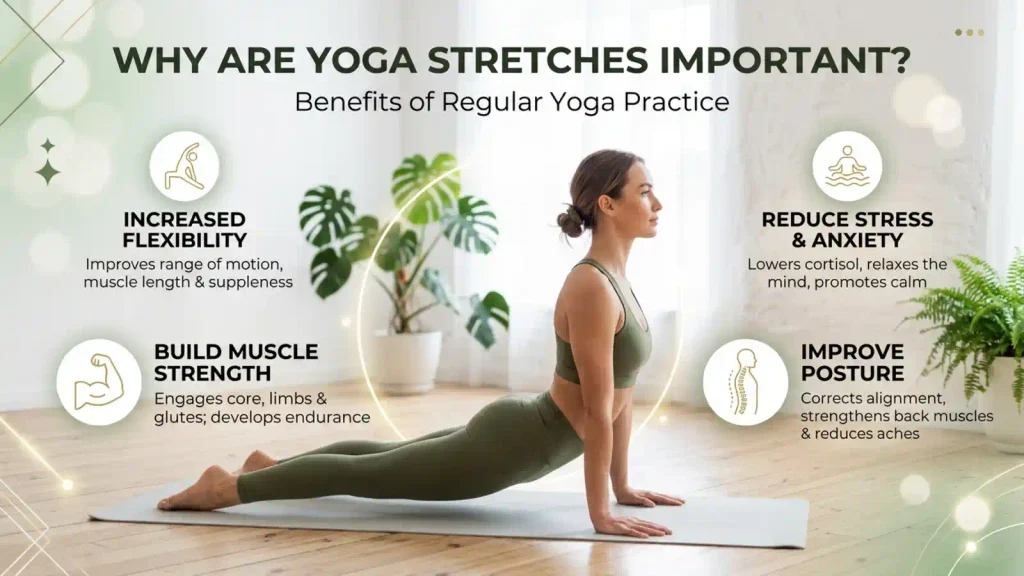
Unlike regular stretching, yoga combines movement with controlled breathing and mindfulness. This combination helps improve flexibility while also supporting balance, mobility, and mental relaxation.
Regular daily yoga stretches may help you:
- Improve flexibility and joint mobility
- Reduce muscle stiffness
- Support better posture
- Ease everyday stress
- Improve circulation
- Enhance athletic performance
- Promote better body awareness
Even practicing for 10–15 minutes each day can make a noticeable difference over time.
Best Yoga Stretches for Your Whole Body
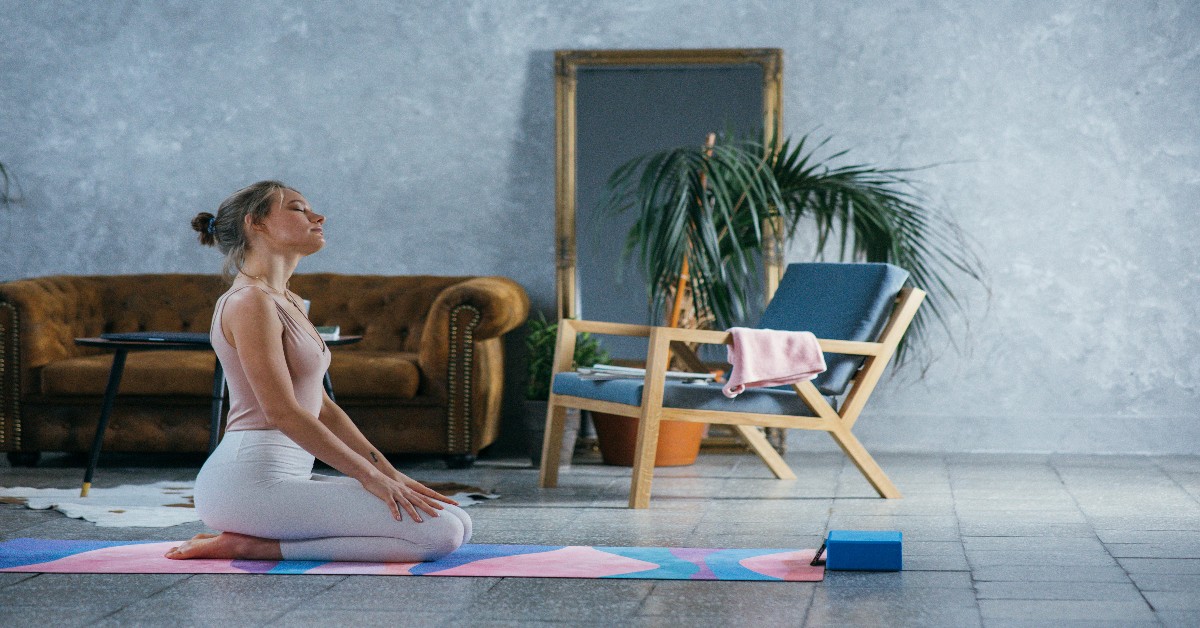
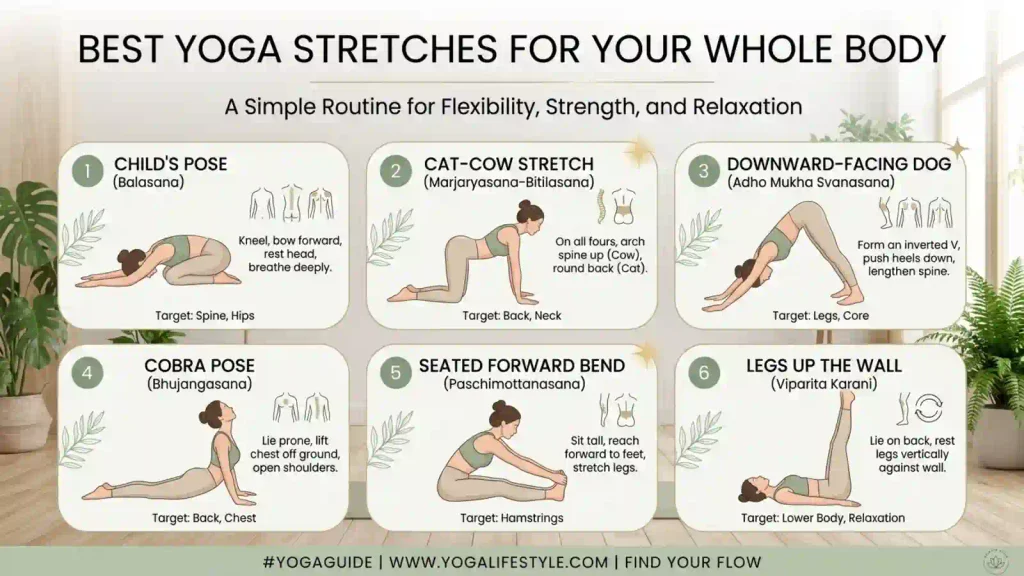
Child’s Pose
Child’s Pose is one of the most relaxing yoga stretches for beginners. It softly stretches the shoulders, lower back, and hips.
How to Do It
- Kneel on the floor.
- Sit back on your heels.
- Extend your arms forward.
- Lower your forehead toward the mat.
- Hold for 30–60 seconds while breathing slowly.
Cat-Cow Stretch
This gentle movement improves spinal mobility and warms up the back muscles.
Steps
- Start on hands and knees.
- Inhale while arching your back.
- Exhale while rounding your spine.
- Repeat for 8–10 breaths.
Downward-Facing Dog
One of the best yoga stretches for the entire body, this pose stretches the calves, hamstrings, shoulders, and spine.
Steps
- Begin on hands and knees.
- Lift your hips upward.
- Straighten your legs as comfortably as possible.
- Press your heels toward the floor.
- Hold for 30–45 seconds.
Cobra Pose
Cobra Pose stretches the chest and abdomen while strengthening the back.
Steps
- Lie face down.
- Place your palms beside your chest.
- Press into your hands.
- Lift your chest gently.
- Keep your shoulders relaxed.
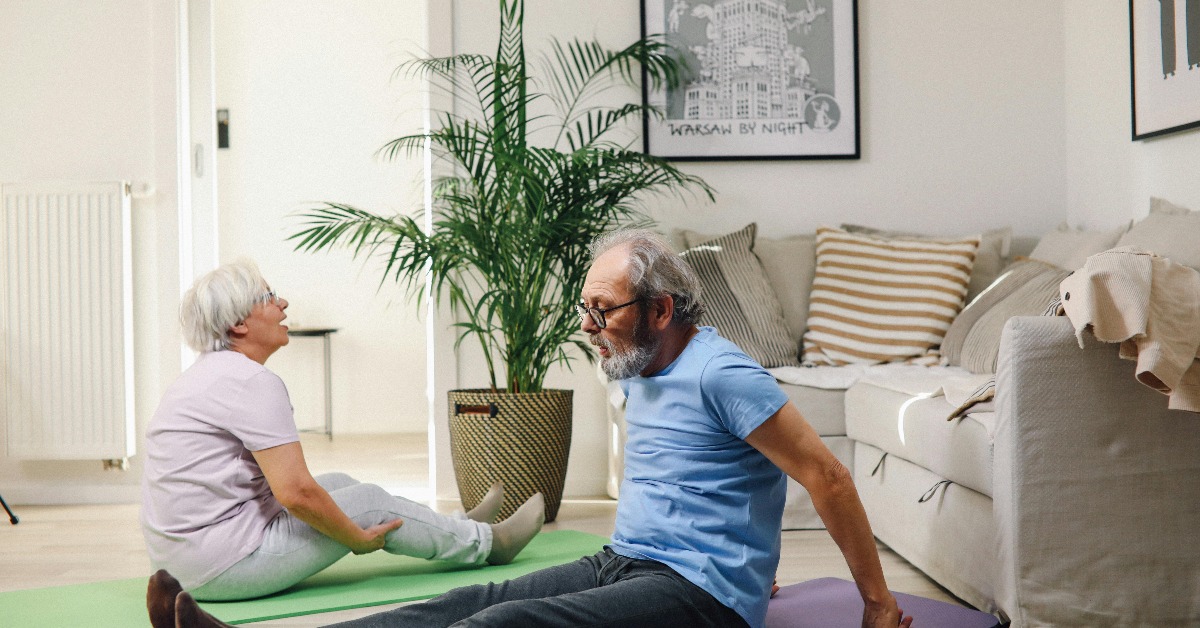
Seated Forward Fold
This classic stretch targets the hamstrings, calves, and lower back.
Steps
- Sit with legs extended.
- Keep your spine long.
- Reach toward your feet.
- Hold without bouncing.
Yoga Stretches for Flexibility
Improving flexibility requires consistency rather than intensity. The following poses are excellent for increasing your range of motion:
- Butterfly Pose
- Standing Forward Fold
- Triangle Pose
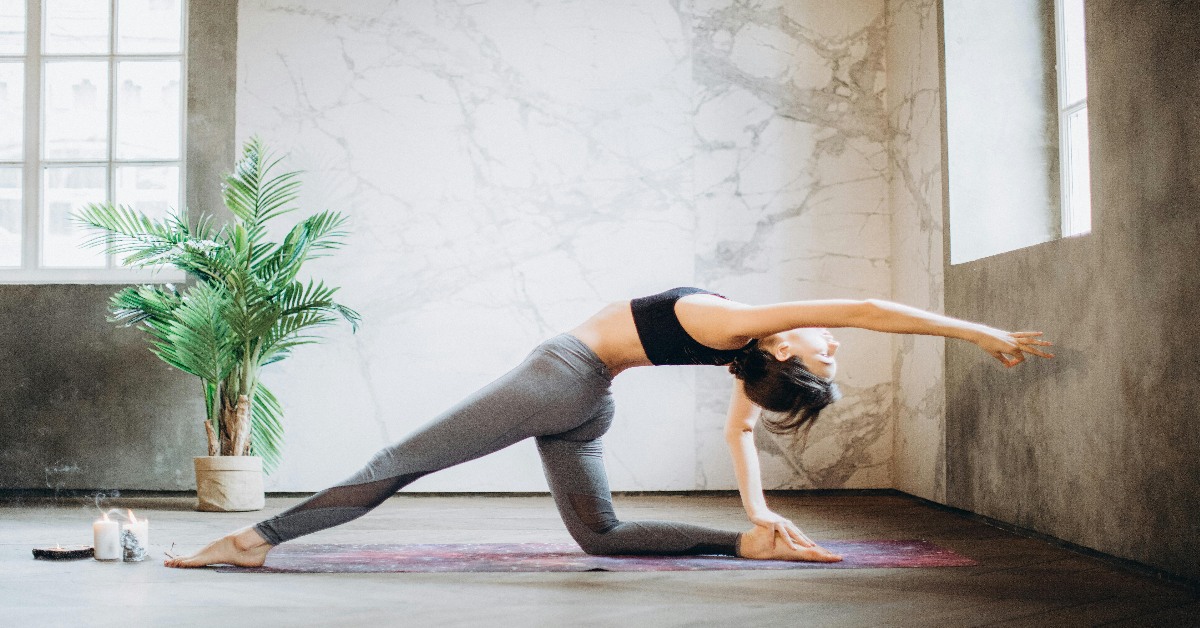
- Low Lunge
- Reclining Hand-to-Big-Toe Pose
Practice these yoga stretches for flexibility at least three times each week for gradual improvement.
Yoga Stretches for Back Pain
Many people experience back discomfort due to prolonged sitting or poor posture. Stretching gently could help release tense muscles.
Helpful poses include:
- Cat-Cow Stretch
- Child’s Pose
- Supine Twist
- Cobra Pose
- Knees-to-Chest Stretch
Safety Note
If your back pain is severe, persistent, or caused by an injury, consult a healthcare professional before beginning any exercise program.
Yoga Stretches for Hips
Tight hips can affect posture, walking, and lower back comfort.
Excellent hip stretches include:
- Butterfly Pose
- Pigeon Pose
- Happy Baby Pose
- Low Lunge
- Garland Pose
These yoga stretches for hips can improve mobility and reduce stiffness when practiced consistently.
Morning Yoga Stretches
A short morning routine helps wake up your muscles and prepares your body for the day.
A simple sequence:
- Mountain Pose
- Cat-Cow
- Downward Dog
- Low Lunge
- Cobra Pose
- Child’s Pose
This routine takes about 10 minutes and supports flexibility, posture, and energy.
Yoga Stretches for Beginners
If you’re new to yoga, start with simple poses instead of advanced stretches.
Beginner-friendly options include:
- Child’s Pose
- Cat-Cow
- Butterfly Pose
- Mountain Pose
- Standing Forward Fold
Focus on slow breathing and proper alignment rather than stretching as deeply as possible.
Full Body Yoga Stretches
A balanced routine should target every major muscle group.
| Body Area | Recommended Stretch |
| Neck | Neck Stretch |
| Shoulders | Thread the Needle |
| Chest | Cobra Pose |
| Back | Cat-Cow |
| Hips | Butterfly Pose |
| Hamstrings | Forward Fold |
| Calves | Downward Dog |
| Spine | Supine Twist |
Performing these full-body yoga stretches several times per week promotes balanced flexibility.
Benefits of Daily Yoga Stretches
Regular stretching offers both physical and mental benefits.
- Improves flexibility
- Supports healthy posture
- Increases mobility
- Relieves muscle tightness
- Reduces stress
- Improves circulation
- Enhances balance
- Promotes better sleep
- Supports joint health
- Encourages mindful breathing
Yoga Stretching Routine
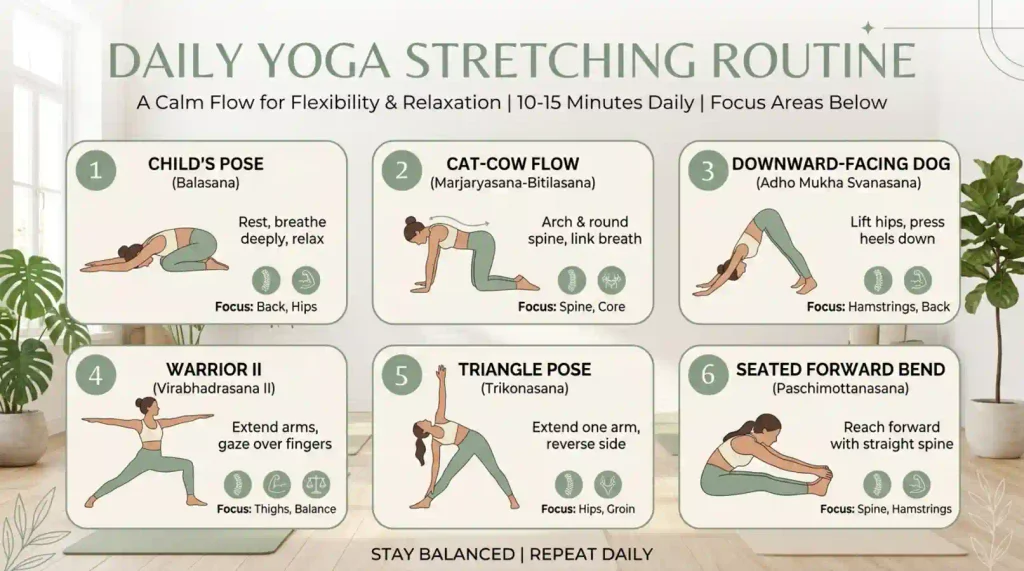
15-Minute Daily Routine
Routine
- Child’s Pose – 1 minute
- Cat-Cow – 2 minutes
- Downward Dog – 2 minutes
- Low Lunge – 2 minutes each side
- Cobra Pose – 1 minute
- Seated Forward Fold – 2 minutes
- Supine Twist – 2 minutes
- Savasana – 3 minutes
Repeat this yoga stretching routine four to five days each week for lasting results.
Comparison Table
| Regular Stretching | Yoga Stretches |
| Focuses mainly on muscles | Improves muscles and mindfulness |
| Limited breathing practice | Controlled breathing included |
| Primarily physical | Physical and mental benefits |
| Short muscle stretches | Full-body movement |
| Less relaxation | Promotes relaxation and stress relief |
Safety Tips
- Warm up before deep stretching.
- Never force a pose.
- Breathe slowly throughout each stretch.
- Move with control.
- Use yoga blocks or straps if needed.
- Stop immediately if you feel sharp pain.
- Stay hydrated after your session.
Common Mistakes
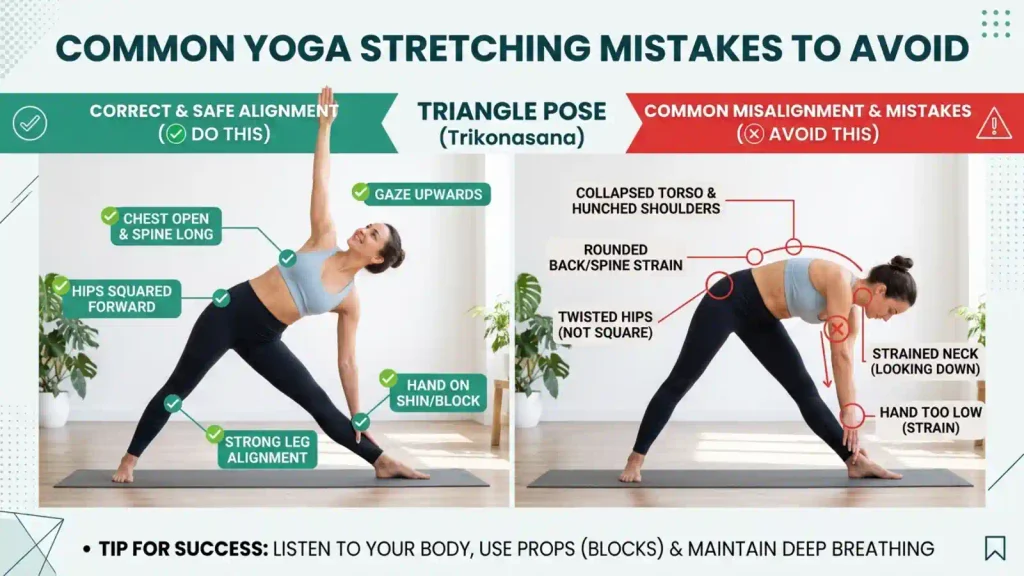
- Holding your breath
- Stretching too aggressively
- Skipping warm-ups
- Rushing through poses
- Ignoring proper alignment
- Comparing your flexibility with others
- Practicing inconsistently
Routine Practice Tips
- Practice at the same time each day.
- Start with 10–15 minutes.
- Increase duration gradually.
- Wear comfortable clothing.
- Use a non-slip yoga mat.
- Stay patient; flexibility improves over time.
- Pair stretching with mindful breathing for better results.
Conclusion
Adding yoga stretches to your daily lifestyle is an effective way to improve flexibility, ease muscle tension, and support overall wellness. Whether your goal is to reduce back discomfort, loosen tight hips, or simply move more comfortably, consistent practice can produce lasting benefits. Begin with beginner-friendly poses, focus on proper form, and gradually build a routine that fits your schedule. These little routines can eventually make you feel more resilient, more
Frequently Asked Questions
1. What are the best yoga stretches for beginners?
Child’s Pose, Cat-Cow, Butterfly Pose, Mountain Pose, and Standing Forward Fold is among the easiest and safest stretches for beginners.
2. How often should I practice yoga stretches?
For the best results, practice 10–20 minutes at least three to five times per week. Daily practice can further improve flexibility and mobility.
3. Can yoga stretches help with back pain?
Gentle stretches such as Child’s Pose, Cat-Cow, Cobra Pose, and Supine Twist may help reduce muscle tension and improve mobility. Persistent or severe pain should be evaluated by a healthcare professional.
4. Are morning yoga stretches better than evening stretches?
Morning stretches help energize the body and improve mobility, while evening stretches promote relaxation and may help reduce muscle tension before sleep.
5. How long does it take to improve flexibility with yoga stretches?
Many people notice small improvements within two to four weeks of regular practice, while significant flexibility gains often develop over several months of consistent training.