Mountain Pose, also called Tadasana, is one of the most important foundational yoga poses for beginners. Although it appears simple, this standing posture teaches yoga alignment, grounding, balance, and posture awareness.
The Tadasana yoga pose is often the starting point for all yoga standing poses because it creates a strong standing asana foundation. Practicing Mountain Pose yoga regularly can improve posture, spinal alignment, body awareness, and stability while helping you feel more centered and focused.
For beginners, this basic yoga pose develops proper standing alignment and teaches how to move with selective effort and ease.
What Is Mountain Pose (Tadasana)?
Tadasana’s Meaning in Yoga
The Sanskrit word “Tadasana” comes from the following:
- tada = mountain
- asana = posture
- asana = seat
Tadasana’s meaning reflects the qualities of a mountain: strong, stable, grounded, and upright. In yoga, Mountain Pose helps create a neutral spine and balanced body alignment while improving posture and concentration.
Why Mountain Pose Is the Foundation of Yoga Standing Poses
Mountain Pose is considered the standing pose foundation for many yoga standing poses because it teaches the following:
- Proper posture alignment
- Grounding through the feet
- Safe alignment
- Core engagement
- Spinal alignment
This foundational yoga pose builds awareness of how the body should feel during standing yoga practice.
Many yoga teachers use teaching Tadasana to explain yoga cues related to posture, balance, and standing alignment.
Why Beginners Should Practice Mountain Pose Daily
Mountain Pose for beginners is highly effective because it is
- A beginner standing yoga pose
- An easy yoga pose to learn
- Helpful for yoga posture correction
- Excellent for improving balance
Daily practice also helps reduce the effects of prolonged sitting and poor posture habits.
How to Do Mountain Pose Correctly
Step-by-Step Guide to Proper Tadasana Alignment
How to Do Mountain Pose
- Stand with your feet hip-distance apart or big toes touching.
- Press evenly through all the toes of your feet.
- Keep a balanced weight distribution between both legs.
- Engage your abdominal muscles gently.
- Lift through the erector spinae to elongate the spine naturally.
- Relax tense shoulders and keep shoulder blades down.
- Align shoulders, hips, knees, and ankles vertically.
- Maintain a neutral spine and upright posture.
- Keep your gaze forward and breathe steadily.
This Tadasana alignment improves body alignment and posture alignment while building better standing alignment.
Proper Foot Position and Grounding in Mountain Pose
Grounding is one of the most important aspects of Mountain Pose yoga.
Key Foot Alignment Tips
- Keep feet grounded evenly
- Avoid pronation and supination
- Distribute weight equally
- Maintain stable grounding through feet
Proper grounding improves balance, posture awareness, and overall stability.
Upper Body Alignment in Mountain Pose Yoga
Correct upper-body posture helps support healthy spinal alignment.
Focus on:
- Shoulder blades down
- Relaxed neck and shoulders
- Upright posture
- Neutral spine
- Elongate spine upward
Avoid:
- Rounded shoulders
- Lifted shoulders
- Tailbone tuck
These posture corrections help improve alignment and reduce tension.
Core Engagement and Stability in Tadasana
Core engagement supports balance and protects the spine.
Important muscles activated include:
- Abdominal muscles
- Quadriceps
- Calf muscles
- Glutei muscles
- Psoas
- Erector spinae
This creates better body awareness and standing posture stability.

10 Powerful Benefits of Mountain Pose
1. Mountain Pose Improves Posture and Spinal Alignment
Mountain Pose improves posture by teaching proper yoga posture and spinal alignment.
Benefits include:
- Better upright posture
- Full body posture awareness
- Improved posture alignment
- Better yoga posture correction
It also supports long-term spinal health.
2. Tadasana Helps Improve Balance and Stability
Tadasana strengthens stabilizing muscles and improves balance through better standing posture control.
It develops:
- Improve balance
- Improve stability
- Stronger grounding
- Better standing posture stability
This makes it one of the best yoga poses for balance.
3. Mountain Pose Builds Body Awareness
Practicing Mountain Pose regularly improves:
- Body awareness
- Posture awareness
- Mind-body connection
- Selective effort and ease
You become more aware of tension, posture habits, and movement patterns.
4. Tadasana Relieves Shoulder and Neck Tension
Many people experience tight shoulders from stress and sitting.
Mountain Pose helps:
- Release shoulder tension
- Reduce tense shoulders
- Correct lifted shoulders
- Improve shoulder stability
The rhomboids and trapezius muscles help support healthy shoulder positioning.
5. Mountain Pose Strengthens Core and Leg Muscles
This posture strengthens several important muscles, including:
- Quadriceps
- Calf muscles
- Glutei muscles
- Abdominal muscles
- Erector spinae
Strong muscles improve balance, stability, and posture control.
6. Tadasana Encourages Proper Pelvic and Spine Support
Mountain Pose improves pelvic alignment and spine support by encouraging natural posture.
It activates:
- Psoas muscles
- Core stabilizers
- Back-supporting muscles
Maintaining a neutral spine helps reduce pressure on the lower back.
7. Mountain Pose Counteracts Prolonged Sitting
Poor sitting habits often lead to posture problems and muscle tightness.
Mountain Pose helps:
- Counter prolonged sitting
- Improve alignment
- Reset posture naturally
- Reduce spinal compression
This makes it ideal for office workers and students.
8. Tadasana Improves Mental Focus and Concentration
The grounding effect of Tadasana helps calm the mind and improve concentration.
Benefits include:
- Mental stability
- Inner stability
- Peace and intentionality
- Better focus during yoga practice
Many practitioners use Mountain Pose before meditation or breathing exercises.
9. Mountain Pose Creates a Safe Foundation for Yoga Practice
Mountain Pose creates a safe alignment base before practicing advanced yoga postures.
It teaches:
- Safe alignment
- Yoga cues
- Standing balance
- Proper body mechanics
This standing pose foundation prepares you for the following:
- Utkatasana
- Garudasana
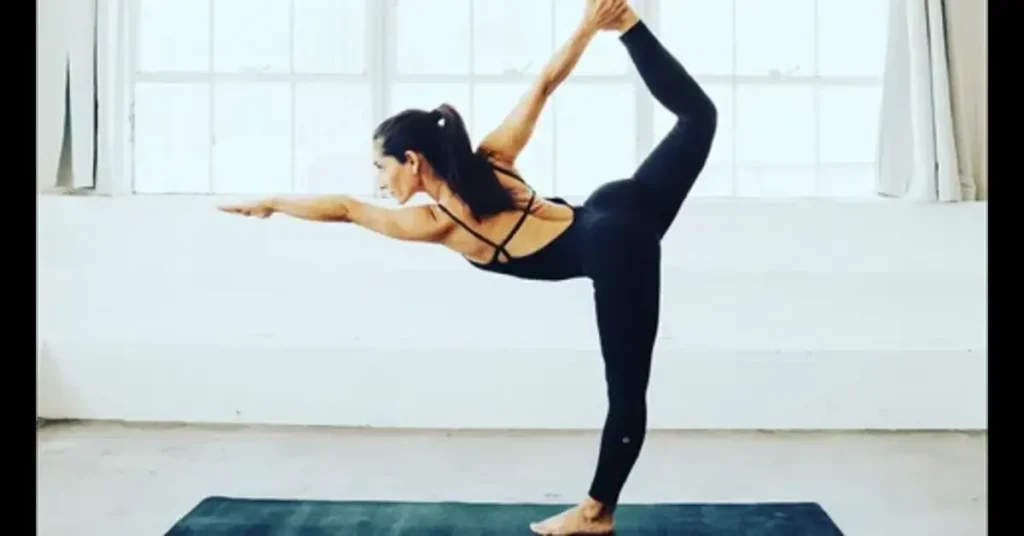
- Natarajasana
10. Mountain Pose Supports Better Breathing and Energy Flow
Standing tall in Tadasana opens the chest and supports deeper breathing.
This helps:
- Improve concentration
- Improve posture
- Support healthy circulation
- Enhance energy flow during yoga
Common Mistakes in Mountain Pose
| Mistake | Correction |
| Rounded shoulders | Draw shoulder blades down |
| Hyperextending knees | Keep a soft bend in knees |
| Locking knees | Engage leg muscles gently |
| Tailbone tuck | Maintain natural lumbar curve |
| Uneven weight distribution | Ground evenly through both feet |
| Pronation or supination | Balance pressure across feet |
Mountain Pose Variations for Beginners
Mountain Pose With Feet Apart
This variation improves stability for beginners who struggle with balance.
Mountain Pose Against a Wall
Wall Mountain Pose improves posture alignment and helps develop body awareness.
Mountain Pose in a Chair
Seated Mountain Pose or supported Mountain Pose is ideal for seniors, beginners, and people with mobility limitations.
Related Yoga Poses to Practice After Mountain Pose
After practicing Tadasana yoga pose, try these related poses:
- Uttanasana
- Balasana
- Padangusthasana
- Anjaneyasana
- Hanumanasana
- Parighasana
- Ardha Bhekasana
- Supta Virasana
- Setu Bandha Sarvangasana
- Camatkarasana
- Savasana
Conclusion
Mountain Pose may look simple, but it is one of the most effective foundational yoga poses for improving posture, balance, grounding, and body awareness. Regular Tadasana practice strengthens the body, improves spinal alignment, and creates a safe foundation for yoga practice.
For beginners, mastering Mountain Pose yoga can improve stability, concentration, and overall movement quality both on and off the mat.
Frequently Asked Questions (FAQs)
1. What are the main benefits of Mountain Pose?
Mountain Pose benefits include improved posture, balance, grounding, spinal alignment, and concentration.
2. Is Mountain Pose good for beginners?
Yes, Mountain Pose is one of the best beginner yoga poses because it teaches alignment and balance.
3. What does Tadasana mean in yoga?
Tadasana means “Mountain Pose” in Sanskrit. “Tada” means “mountain,” and “asana” means “posture” or “seat.”
4. How long should I hold Mountain Pose?
Most people hold Mountain Pose for 30–60 seconds while breathing steadily.
5. What muscles are used in Mountain Pose?
Mountain Pose activates the quadriceps, abdominal muscles, glutei muscles, calf muscles, and erector spinae.
6. Can Mountain Pose improve posture?
Yes, practicing Tadasana regularly can improve posture and spinal alignment.
7. What are common mistakes in Mountain Pose?
Common mistakes include locking knees, rounded shoulders, uneven grounding, and tailbone tuck.
8. Is Mountain Pose helpful for back pain?
Yes, proper posture alignment and core engagement may help reduce mild back discomfort.
9. What are the best Mountain Pose variations for beginners?
Mountain Pose with feet apart, wall Mountain Pose, and seated Mountain Pose are beginner-friendly options.
10. Which yoga poses pair well with Mountain Pose?
Poses such as Utkatasana, Uttanasana, and Balasana pair well with Mountain Pose.