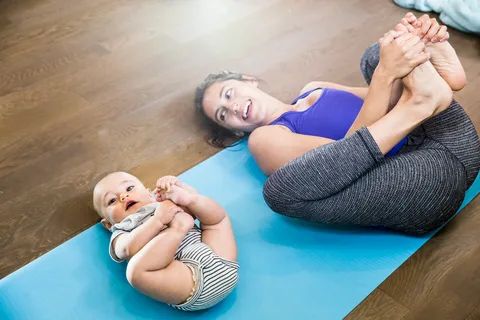
Happy Baby Pose, also known as Ananda Balasana, is a gentle yoga pose that stretches the hips, inner thighs, groin muscles, and lower back while encouraging relaxation. This popular yoga asana resembles the position of a happy infant lying on its back, holding its feet.
As a restorative yoga pose and a supine yoga pose, happy baby pose is commonly included in yoga routines designed to improve flexibility, reduce stress, and support recovery. Because it is performed on the floor, it is considered a beginner yoga pose suitable for most practitioners.
Comprehending Ananda Balasana and Happy Baby Pose Yoga
The Sanskrit name Ananda Balasana translates to the following:
- Ananda = Bliss or happiness
- Bala = Baby or child
- Asana = Yoga posture
The pose is sometimes called the Blissful Baby Pose because it reflects the natural movement pattern often seen in infants.
Why Happy Baby Pose Is a Popular Restorative Yoga Pose
Key reasons yogis practice this relaxing yoga pose include the following:
- Gentle yoga stretch for the entire lower body
- Excellent hip-opening yoga pose
- Supports relaxation and recovery
- Helps release physical tension
- Easy to modify for beginners
- Encourages body awareness and mindful breathing
Top Happy Baby Pose Benefits for Flexibility, Mobility, and Relaxation
Happy Baby Pose for Hip Flexibility and Hip Mobility
One of the most recognized Happy Baby Pose benefits is improved hip flexibility. The posture gently opens the hips and increases mobility in the hip joints without excessive strain.
Benefits include:
- Better hip mobility
- Increased range of motion
- Improved flexibility training
- Enhanced athletic movement
- Effective hip opener for sedentary lifestyles
How Happy Baby Pose Stretches the Inner Thighs, Groin, and Hamstrings
During the pose, the legs move outward, creating a deep stretch through the following:
- Inner thighs
- Groin muscles
- Hamstrings
- Pelvic floor muscles
This inner thigh stretch and groin stretch can help reduce stiffness while supporting functional movement.
Lower Back Stretch and Lower Back Pain Relief Benefits
Happy Baby Pose provides a gentle lower back stretch by lengthening the spine and reducing compression.
Potential benefits include the following:
- Lower back pain relief
- Reduced back tension relief
- Better posture
- Increased spinal mobility
- Improved recovery after long periods of sitting
Spine Decompression and Spinal Health Support
The pose promotes mild spine decompression by creating space between the vertebrae.
| Benefit | Impact |
| Spine Decompression | Reduces tension |
| Spinal Health | Supports posture |
| Sacrum Mobility | Improves movement |
| Back Muscles Relaxation | Reduces stiffness |
Sacroiliac Joint Release and Pelvic Floor Stretch Benefits
Happy Baby Pose may help support the following:
- Sacroiliac joint release
- Pelvic region mobility
- Pelvic floor stretch
- Improved hip alignment
The movement gently mobilizes the sacroiliac joints connecting the sacrum to the pelvis.
Stress Relief Yoga and Nervous System Relaxation
This yoga pose for relaxation activates the body’s relaxation response.
Benefits include:
- Stress relief yoga support
- Nervous system relaxation
- Improved mental focus
- Reduced anxiety
- Better emotional balance
Improve Circulation and Promote Overall Wellness
Regular yoga practice can help improve circulation while supporting overall wellness and the mind-body connection.
Anatomy of Happy Baby Pose: Muscles and Joints Involved
How the Hips, Knees, and Ankles Work in Ananda Balasana
The primary joints involved include:
- Hips
- Hip joints
- Knees
- Ankles
These structures work together to create a safe hip-opening stretch.
The Role of the Spine, Lower Back, and Sacrum
Important anatomical areas include:
- Spine
- Lower back
- Sacrum
- Back muscles
Maintaining proper alignment helps maximize benefits while reducing discomfort.
Maintaining Proper Alignment Through the Neck and Shoulders
Keep:
- Neck relaxed
- Shoulders grounded
- Spine neutral
Good yoga alignment supports a safer practice.
How to Do Happy Baby Pose Correctly (Step-by-Step Guide)
Happy Baby Pose Instructions for Beginners
Follow these Happy Baby Pose steps:
- Lie flat on your back.
- Bend your knees toward your chest.
- Separate your knees wider than your torso.
- Hold the outer edges of your feet.
- Stack ankles above knees.
- Gently pull downward while pressing feet upward.
- Hold for 5-10 breaths.
- Release slowly.
Proper Breathing Technique During Happy Baby Pose
Focus on:
- Deep breathing
- Yoga breathing
- Mindful breathing
Slow breaths help deepen relaxation and improve flexibility.
Yoga Alignment Tips for Safe Yoga Practice
For safe yoga practice:
- Keep shoulders relaxed.
- Avoid forcing the stretch.
- Maintain proper alignment.
- Move slowly and steadily.
Happy Baby Pose Variations for Beginners and Advanced Yogis
Modified Happy Baby Pose for Limited Flexibility
Hold your calves or shins instead of your feet.
Half Happy Baby Pose for Beginners
Practice one leg at a time while the other remains extended.
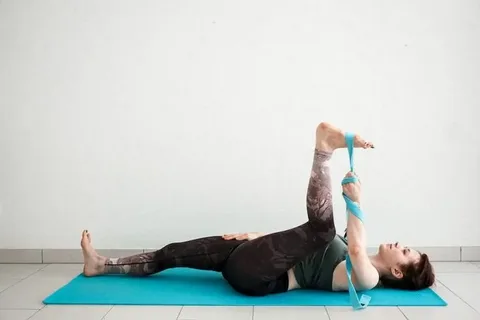
Happy Baby Pose with Strap for Better Accessibility
Use a yoga strap around each foot if flexibility is limited.
Adjusted Hand Position for Improved Comfort
Place hands behind knees or on shins.
Supine Straddle Variation for a Deeper Hip Opening Stretch
Advanced practitioners may gradually extend the legs outward.
Common Happy Baby Pose Mistakes and How to Avoid Them
Overarching the Back and Creating Lower Back Pressure
Keep the lower back grounded to avoid unnecessary pressure.
Avoiding Neck Strain in Yoga
Relax the neck and keep the head resting on the mat.
Why Gripping Feet Too Hard Can Affect Alignment
Avoid excessive pulling that creates tension in the shoulders.
Common Yoga Alignment Mistakes During Happy Baby Pose
- Forcing flexibility
- Lifting shoulders
- Holding breath
- Rounding the neck
Preparatory Poses Before Practicing Happy Baby Pose
Child’s Pose (Balasana) for Hip and Spine Warm Up
Child’s Pose helps warm up the hips and spine before deeper stretching.
Hero Pose (Virasana) to Improve Hip Mobility
Hero Pose supports hip mobility and prepares the legs for the posture.
Best Counter Poses After Happy Baby Pose
Downward Facing Dog (Adho Mukha Svanasana)
This pose helps lengthen the spine and re-engage muscles.
Counter Yoga Poses for Spinal Lengthening and Recovery
Additional options:
- Gentle twists
- Bridge Pose
- Reclined stretches
Final thought
Happy Baby Pose is a simple yet effective yoga posture that supports hip flexibility, lower back comfort, spinal health, and relaxation. Whether you are a beginner or an experienced yogi, adding Ananda Balasana to your yoga routine can help improve mobility, encourage mindful breathing, and strengthen the mind-body connection. With consistent practice and proper alignment, this therapeutic yoga pose can become an essential part of your long-term wellness journey.
FAQs
1. What Are the Main Benefits of the Happy Baby Pose?
It improves flexibility, mobility, spinal health, and relaxation.
2. Is Happy Baby Pose Suitable for Beginners?
Yes. It is one of the most beginner-friendly yoga poses.
3. How Long Should You Hold Happy Baby Pose?
Most practitioners hold the pose for 30–60 seconds or 5–10 breaths.
4. Can Happy Baby Pose Help With Stress Relief?
Yes. Deep breathing and gentle stretching support stress reduction.
5. Is Happy Baby Pose Good for Lower Back Pain?
Many people use it for lower back tension relief, although severe pain should be evaluated by a healthcare professional.