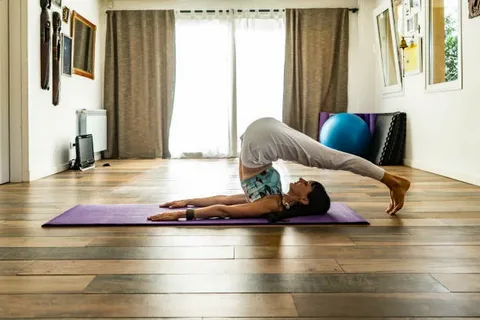
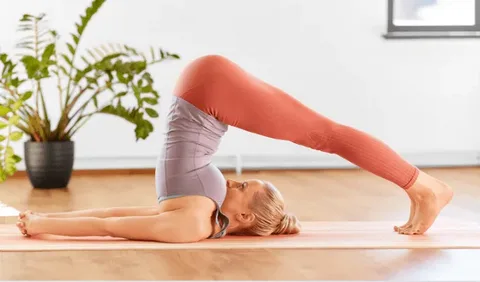
Plow Pose, also known as Halasana, is a classic inverted yoga pose that stretches the body from the shoulders to the legs. This yoga posture is named after the traditional farming plow because the body resembles a plow shape when the feet move overhead.
In Plow Pose yoga, practitioners lift their legs over their heads while keeping their shoulders grounded. The pose is widely used to improve flexibility, relaxation, and overall body awareness.
Why Inverted Yoga Poses Like Halasana Are Popular
Halasana is considered one of the most effective forward-bending postures in yoga. It combines stretching, balance, and controlled breathing, making it valuable for both physical and mental well-being.
Key benefits include the following:
- Improves balance and flexibility
- Supports spinal mobility
- Encourages deep breathing
- Promotes relaxation
- Enhances body awareness
Top Benefits of Plow Pose
How Plow Pose Improves Spinal Flexibility
One of the major benefits of the plow pose is increased spinal flexibility. The position creates a deep spine stretch that helps lengthen the vertebral column and reduce stiffness.
Benefits include:
- Improved flexibility
- Better posture
- Enhanced spinal mobility
- Reduced muscular tension
Deep Stretch Benefits for the Back, Hips, and Legs
Halasana provides a complete back stretch, hip stretch, and leg stretch. The posture targets the upper back, lower back, hips, hamstrings, and calves simultaneously.
| Area | Benefit |
| Upper Back | Releases tension |
| Lower Back | Improves mobility |
| Hips | Increases flexibility |
| Legs | Lengthens muscles |
| Shoulders | Enhances Mobility |
How Halasana Helps Improve Blood Circulation
As an inversion, Halasana may help improve blood circulation by encouraging blood flow toward the upper body. Many practitioners include it among the best yoga poses for blood circulation.
Potential benefits include the following:
- Better circulation
- Increased oxygen delivery
- Improved recovery
- Enhanced energy levels
Digestion and Internal Organ Stimulation with Plow Pose
The gentle compression created in the abdominal area may help stimulate the digestive system and support overall digestive health.
This may help:
- Stimulate internal organs
- Support healthy digestion
- Relieve constipation
- Improve gut function
Plow Pose for Stress Relief and Mental Wellness
Halasana is often included in relaxation yoga routines because it helps calm the nervous system.
Possible mental benefits:
- Stress relief
- Anxiety relief
- Mental relaxation
- Improved sleep quality
- Insomnia relief
- Ability to calm the mind
Strengthening the Back, Shoulders, and Core
Although known as a stretching pose, Halasana also engages important muscle groups.
It helps:
- Strengthen back muscles
- Strengthen shoulders
- Improve core strength
- Support shoulder muscles and stability
How to Do Plow Pose Correctly
Step-by-Step Guide to Plow Pose
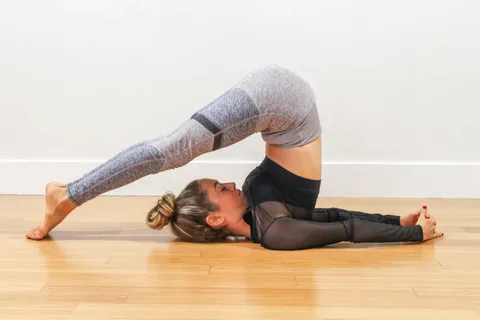
- Lie flat on your back.
- Place your arms beside your body.
- Lift your legs toward the ceiling.
- Slowly move your feet overhead.
- Touch the floor behind your head if comfortable.
- Breathe deeply and hold.
- Return slowly to the starting position.
Proper Yoga Alignment for Maximum Benefits
For safe yoga practice:
- Keep the spine long.
- Avoid turning the head.
- Maintain neck safety.
- Use deep breathing throughout the pose.
- Focus on proper yoga alignment.
Supported Halasana for Beginners
Best Yoga Props for a Safe Practice
Using support can make the posture more accessible.
Helpful yoga props include:
- Yoga blocks
- Yoga blanket
- Yoga cushion
These supports help create a safer Supported Halasana experience.
Chair-Supported Halasana for Limited Flexibility
A chair-supported Halasana allows the feet to rest on a chair, reducing strain on the back and neck while still providing benefits.
Halasana with Hands Supporting the Back
Placing the hands on the lower back can provide extra stability and help maintain proper alignment.
Advanced Halasana Variations
Karnapidasana (Knee to Ears Pose)
Karnapidasana, also called Knee-to-Ears Pose, is a deeper variation of Halasana where the knees move toward the ears.
Benefits include:
- Increased flexibility
- Deeper spinal stretch
- Enhanced focus
Advanced Halasana for Experienced Practitioners
Advanced practitioners may explore longer holds and deeper stretches while maintaining control and proper alignment.
Best Yoga Poses to Pair with Plow Pose
Preparatory Poses Before Halasana
Recommended poses include:
- Cobra Pose (Bhujangasana)
- Bridge Pose (Setu Bandhasana)
These poses prepare the spine and shoulders for deeper movement.
Combining Sarvangasana and Halasana
Many yoga sequences combine Sarvangasana (Candle Pose) with Halasana because both complement each other and support circulation.
Counter Poses After Plow Pose
Effective counterposes include the following:
- Fish Pose (Matsyasana)
- Savasana
These restorative yoga postures help balance the body after deep forward bending.
Plow Pose Precautions and Safety Tips
Essential Plow Pose Precautions
To avoid injury in yoga:
- * The feet should never be forced to the ground.
- Enter and exit slowly.
- Use props when needed.
- Practice mindfully.
Neck Safety and Spine Protection
Proper neck safety is critical.
Avoid:
- Turning the head
- Jerky movements
- Excessive pressure on the neck
Halasana Contraindications and Who Should Avoid It
Consult a professional before practicing if you have:
- Neck pain
- Back pain
- Recent injuries
Special care should be taken regarding:
- Pregnancy yoga modifications
- Menstruation yoga modifications
Common Plow Pose Mistakes and How to Fix Them
Alignment Errors That Reduce Benefits
Common mistakes include:
- Rounding excessively
- Holding the breath
- Forcing flexibility
- Ignoring discomfort
Beginner Corrections for Better Results
For yoga beginners:
- Use support
- Focus on breathing
- Practice gradually
- Build flexibility over time
Conclusion
Plow Pose is a powerful yoga posture that combines flexibility, relaxation, circulation support, and digestive benefits. Whether you practice a basic Halasana, a supported variation, or advanced versions like Karnapidasana, the pose can become a valuable part of your yoga routine when practiced safely and consistently.
FAQs
1. What are the benefits of Plow Pose?
Plow Pose helps improve flexibility, spinal mobility, circulation, digestion, and relaxation while reducing stress.
2. Is Halasana suitable for beginners?
Yes. Beginners can practice Supported Halasana using blankets, blocks, or a chair.
3. How long should I hold the plow pose?
Most practitioners hold the pose for 20–60 seconds while breathing comfortably.
4. Can Plow Pose help with digestion?
Yes. The gentle compression of the abdomen may stimulate digestive organs and support healthy digestion.
5. Who should avoid Halasana?
People with neck injuries, serious back problems, glaucoma, or certain medical conditions should consult a healthcare professional before practicing.