A yoga workout is an effective way to improve flexibility, strength, balance, mobility, and overall wellness without requiring expensive gym equipment. Whether you are new to yoga or want to create a consistent fitness routine, yoga exercises can be adapted to different fitness levels and goals.
A regular yoga workout can include gentle stretching, strength-building poses, balance exercises, breathing techniques, and relaxation. You can practice a yoga workout at home, in a studio, or outdoors. With the right routine, yoga may support physical fitness while also helping you feel more relaxed and focused.
What Is a Yoga Workout?
A yoga workout combines physical yoga poses, controlled breathing, stretching, balance, and mindful movement. Unlike some traditional workouts, yoga can be gentle or physically challenging depending on the style and intensity.

A beginner yoga workout may focus on basic poses and mobility, while an advanced routine can include challenging balance poses, flowing movements, and strength-focused exercises.
A yoga workout may help you:
- Improve flexibility
- Build functional strength
- Support better balance
- Improve body awareness
- Reduce stiffness
- Encourage relaxation
- Support healthy movement
- Improve posture
Because yoga is adaptable, it can be a useful option for people with different fitness goals.
Benefits of a Regular Yoga Workout
1. Improves Flexibility
Regular yoga exercises gently move your body through different ranges of motion. Over time, consistent stretching may help improve flexibility in areas such as the hips, shoulders, hamstrings, and back.
Poses like Downward-Facing Dog, Low Lunge, Cat-Cow, and Seated Forward Fold are commonly included in a yoga stretching workout.
2. Builds Strength
Yoga is not only about stretching. Many poses require you to support and control your body weight.
Plank Pose, Chair Pose, Warrior II, Boat Pose, and Downward-Facing Dog can help challenge different muscle groups. A consistent yoga workout for strength may support stronger legs, arms, shoulders, core, and back muscles.
3. Supports Weight Management
A yoga workout for weight loss can support an active lifestyle by increasing movement and helping build strength. More dynamic styles, such as Vinyasa or power yoga, may provide a more physically demanding workout.
However, healthy weight loss usually depends on several factors, including nutrition, daily activity, sleep, and overall lifestyle habits.
4. Supports Better Balance
Concentration and body control are necessary for many yoga poses.Tree Pose, Warrior III, and other balancing poses may help improve stability and body awareness.
Improved balance can be useful for everyday activities and general physical fitness.
5. May Help Reduce Stress
Yoga combines movement with breathing and mindfulness. This combination can help many people create a calming exercise routine.
A slower yoga routine may be especially helpful when you want to relax after a busy day.
Best Yoga Exercises for a Full-Body Workout
A full body yoga workout can target the legs, arms, core, back, hips, and shoulders.
Downward-Facing Dog
Downward-Facing Dog stretches the back of the legs and helps strengthen the shoulders and arms. It is one of the most commonly used poses in many yoga routines.
Plank Pose
Plank Pose engages the core, shoulders, arms, and legs. Beginners can modify the pose by lowering their knees to the mat.
Warrior II
Warrior II strengthens the legs while opening the hips and chest. It is a useful pose for developing lower-body endurance.
Chair Pose
Chair Pose challenges the thighs, glutes, and core. It can be included in a yoga workout for strength.
Boat Pose
Boat Pose focuses on the abdominal muscles and requires core control. Beginners can keep their knees bent to make the pose more accessible.
Bridge Pose
Bridge Pose strengthens the glutes and may gently stretch the front of the body. It can be included in both beginner and intermediate routines.
Yoga Workout for Beginners
If you’re new to yoga, start with easy poses and pay more attention to technique than speed.
Beginner Yoga Routine
Try the following beginner yoga exercises:
- Mountain Pose – 30 seconds
- Cat-Cow Stretch – 8 to 10 repetitions
- Child’s Pose – 30 to 60 seconds
- Downward-Facing Dog – 20 to 30 seconds
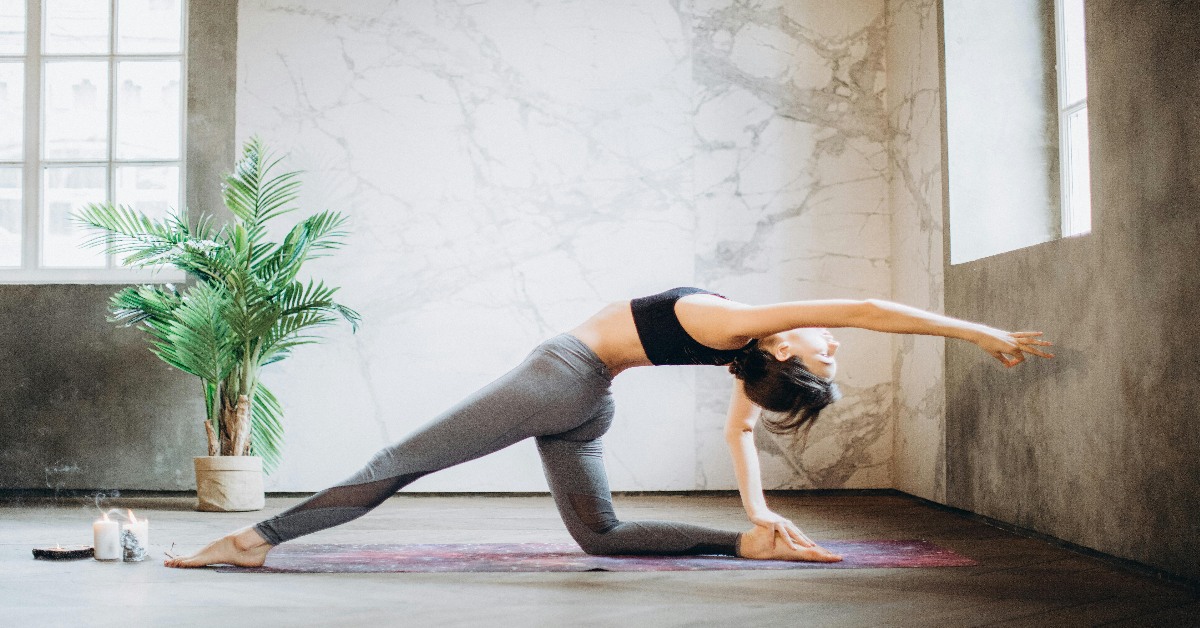
- Low Lunge – 20 seconds per side
- Warrior II – 20 seconds per side
- Bridge Pose – 8 to 10 repetitions
- Corpse Pose – 1 to 2 minutes
Move slowly and breathe comfortably throughout the routine.
Yoga Workout at Home
A yoga workout at home can be simple and convenient. You only need a comfortable space and, if desired, a yoga mat.
Tips for Home Yoga
- Choose a quiet and safe space.
- Wear comfortable clothing.
- Start with a short yoga routine.
- Keep water nearby.
- Avoid forcing your body into uncomfortable positions.
- Focus on steady breathing.
- Use modifications when necessary.
A home yoga workout can be completed in 10, 20, or 30 minutes depending on your schedule.
20-Minute Yoga Workout Routine
A 20 minute yoga workout can provide a balanced combination of movement, stretching, and relaxation.
Warm-Up: 3 Minutes
Begin with:
- Deep breathing
- Shoulder rolls
- Gentle neck movements
- Cat-Cow Stretch
Strength and Movement: 10 Minutes
Perform:
- Downward-Facing Dog
- Plank Pose
- Low Lunge
- Warrior II
- Chair Pose
- Bridge Pose
Hold each pose for approximately 20 to 40 seconds, depending on your fitness level.
Stretching and Relaxation: 7 Minutes
Finish with:
- Child’s Pose
- Seated Forward Fold
- Supine Twist
- Corpse Pose
This routine can be adjusted according to your goals and experience.

Yoga Workout for Weight Loss
A yoga workout for weight loss may be more effective when it includes continuous movement and strength-building poses.
Dynamic yoga routines can increase physical activity and challenge multiple muscle groups. However, yoga should be viewed as part of a complete healthy lifestyle rather than a quick weight-loss solution.
For a more active routine, you can include:
- Sun Salutations
- Chair Pose
- Warrior Poses
- Plank Pose
- Boat Pose
- High Lunge
- Dynamic lunges
Practice at a level that feels challenging but manageable.
Morning Yoga Workout
A morning yoga workout can help you begin the day with movement and mindful breathing.
A simple morning yoga workout may include:
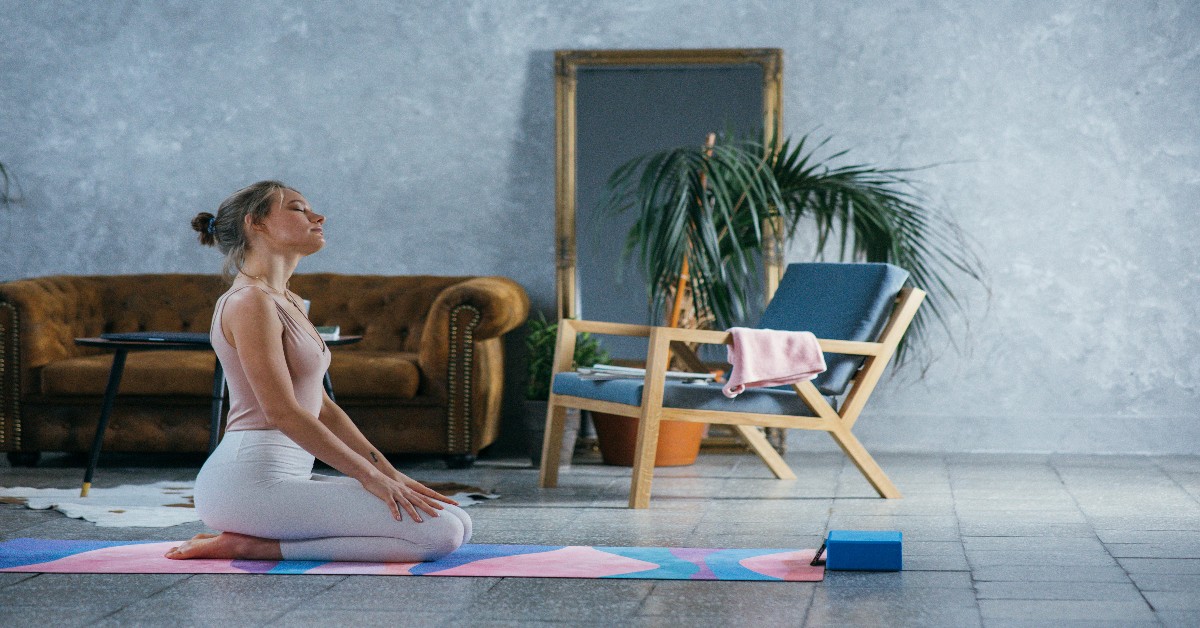
- Easy Pose
- Cat-Cow Stretch
- Child’s Pose
- Downward-Facing Dog
- Low Lunge
- Warrior II
- Standing Forward Fold
- Mountain Pose
Morning yoga may help reduce stiffness after sleep and prepare your body for daily activities.
Yoga Workout for Flexibility
A yoga workout for flexibility should include slow, controlled movements. Avoid bouncing or forcing a stretch.
Useful poses include:
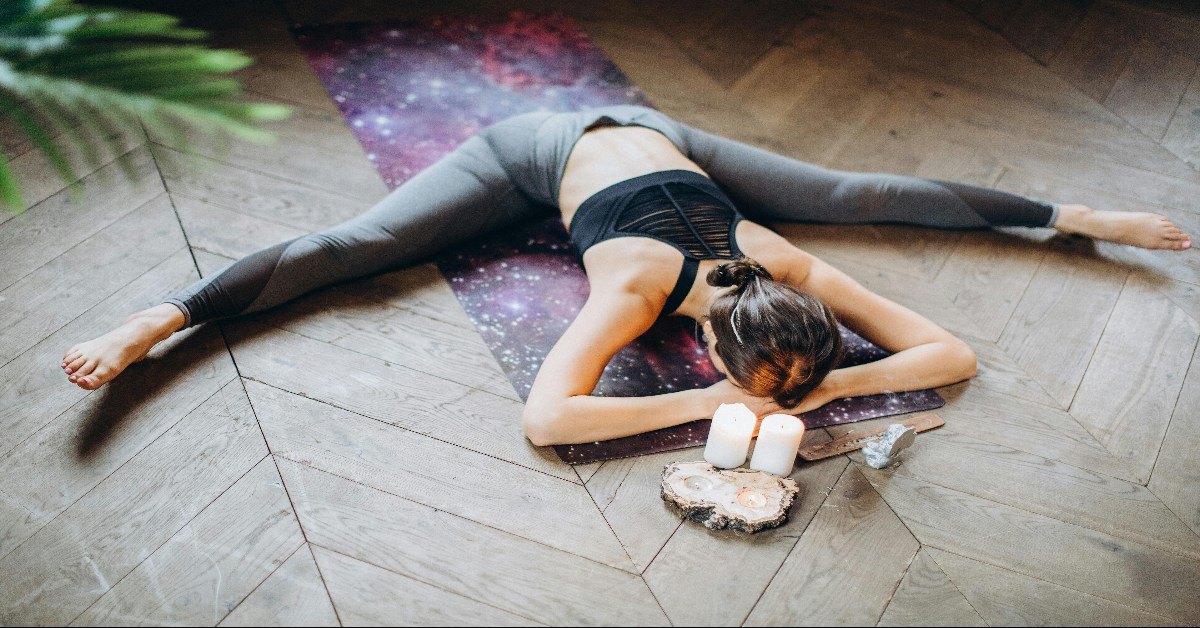
- Butterfly Pose
- Seated Forward Fold
- Low Lunge
- Pigeon Pose
- Child’s Pose
- Supine Hamstring Stretch
Hold each stretch comfortably and focus on relaxed breathing.
Yoga Workout for Strength
A yoga workout for strength uses body weight to challenge the muscles.
Effective poses include:
- Plank Pose
- Side Plank
- Chair Pose
- Warrior III
- Boat Pose
- Crow Pose
- Bridge Pose
Beginners should focus on proper alignment and gradually increase the duration or difficulty of poses.
Low-Impact Yoga Workout
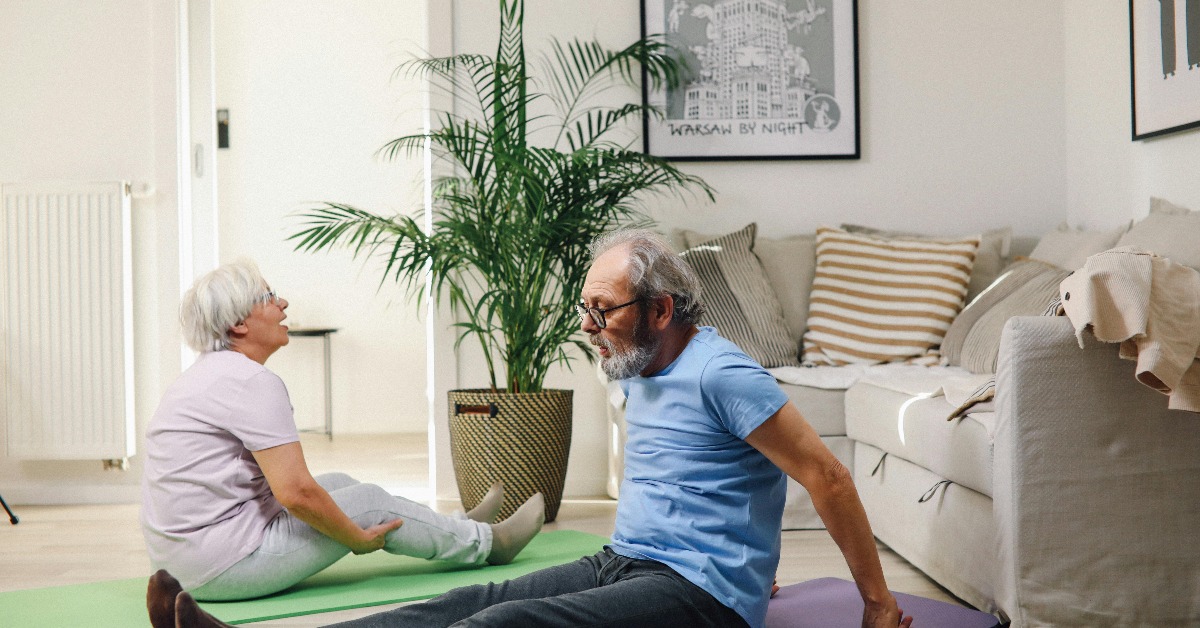
A low impact yoga workout can be a good option for people who prefer gentle movement. It places less stress on the joints compared with many high-impact exercises.
A gentle routine may include:
- Seated Cat-Cow
- Child’s Pose
- Bridge Pose
- Supine Twist
- Legs-Up-the-Wall Pose
- Gentle seated stretches
If you have an injury or ongoing pain, consider speaking with a qualified healthcare professional before starting a new exercise routine.
Yoga Workout for Women and Men
Yoga can be beneficial for people of all genders. A yoga workout for women and a yoga workout for men can include the same basic poses, although individual goals and fitness levels may differ.
Some people may focus on flexibility, while others may prioritize strength, balance, mobility, stress management, or general fitness.
The best yoga workout is the one that matches your personal needs and can be practiced consistently.
How Often Should You Do a Yoga Workout?
Many people can benefit from practicing yoga several times per week. Beginners may start with 10 to 20 minutes two or three times per week and gradually increase their practice.
A daily yoga workout can be gentle and short, especially when the goal is mobility, stretching, breathing, or relaxation.
Consistency is generally more important than completing a long workout occasionally.
Common Mistakes to Avoid
Forcing a Stretch
Stretching should feel comfortable. Steer clear of pushing into severe or acute discomfort.
Holding Your Breath
Steady breathing is an important part of yoga. Try to breathe slowly and naturally.
Comparing Yourself to Others
Everyone has a different body, fitness level, and range of motion. Focus on your own progress.
Skipping Warm-Up Movements
Gentle movements can help prepare your body for more challenging poses.
Doing Too Much Too Soon
Start with exercises that are easy for beginners and work your way up to more difficult ones.

10 Vocabulary Words and Meanings
- Flexibility – The ability of muscles and joints to move comfortably.
- Strength – The ability of muscles to produce force.
- Balance: The capacity to keep one’s body steady.
- Mobility – The ability to move joints through their range of motion.
- Alignment – Proper positioning of the body during movement.
- Posture – The way you hold and position your body.
- Mindfulness – Paying attention to the present moment.
- Endurance – The ability to continue physical activity over time.
- Breathing – The process of taking air into and out of the lungs.
- Consistency – Continuing an activity regularly over time.
Conclusion
A yoga workout can be a practical and adaptable way to improve flexibility, strength, balance, mobility, and overall fitness. Whether you prefer a yoga workout for beginners, a yoga workout at home, a morning yoga workout, or a more challenging full body yoga workout, there are many options to match your goals.Start with simple yoga exercises, focus on proper form, and gradually build a consistent yoga workout routine. With regular practice, yoga can become an enjoyable part of a balanced and active lifestyle.
Frequently Asked Questions
What is the ideal yoga practice for novices?
The best yoga workout for beginners includes simple poses such as Mountain Pose, Cat-Cow, Child’s Pose, Downward-Facing Dog, Low Lunge, and Bridge Pose.
Is yoga a good workout?
Yes. Yoga can improve flexibility, strength, balance, mobility, body awareness, and relaxation. The intensity depends on the type of yoga and the poses included.
Can yoga help with weight loss?
Yoga may support weight management by increasing physical activity, building strength, and supporting a healthy lifestyle. More dynamic yoga styles may provide a more intense workout.
How long should a yoga workout be?
A yoga workout can last anywhere from 10 to 60 minutes. A consistent 20-minute yoga workout can be a practical option for many people.
Can I do a yoga workout at home?
Yes. A home yoga workout requires very little equipment and can be adapted to your available space, fitness level, and goals.