A consistent yoga routine can help improve flexibility, strength, balance, mobility, posture, and relaxation. Whether you are a beginner starting yoga for the first time or an experienced practitioner looking for a structured daily practice, the right routine can make yoga easier to follow and more enjoyable.
A yoga routine does not need to be complicated or time-consuming. You can practice for 10 minutes in the morning, complete a 20-minute full-body session, or spend longer working on specific goals such as flexibility, strength, stress relief, or mobility.
What Is a Yoga Routine?
A scheduled series of yoga poses, stretches, breathing exercises, and relaxation techniques carried out in a certain order is called a yoga routine.
Some routines are designed for general fitness, while others focus on particular goals. For example, a morning yoga routine may help you start your day with gentle movement, while a strength-focused routine may include challenging poses such as Plank and Chair Pose.

A yoga routine can be:
- Short or long
- Gentle or challenging
- Performed at home or in a studio
- Designed for beginners or advanced practitioners
- Focused on flexibility, strength, balance, or relaxation
The best routine is one that fits your lifestyle and can be practiced consistently.
Benefits of Following a Regular Yoga Routine
Improves Flexibility
Regular yoga stretches can gradually improve the flexibility of muscles and joints. Poses such as Downward-Facing Dog, Low Lunge, Butterfly Pose, and Seated Forward Fold can be included in a flexibility-focused practice.
Supports Strength
Yoga uses body weight to challenge muscles. Plank Pose, Chair Pose, Warrior II, Bridge Pose, and Boat Pose can help develop strength in the core, legs, arms, and shoulders.
Helps Improve Balance
Balancing poses require focus and body control. Tree Pose and Warrior III are examples of poses that can challenge balance.
Supports Relaxation
Slow movements, controlled breathing, and gentle stretching can make yoga a calming activity. A relaxing routine may be useful after a busy day.
Encourages Consistent Movement
A simple routine makes it easier to exercise regularly. Even a short practice can help you create a consistent healthy habit.
Best Yoga Routine for Beginners
If you are new to yoga, begin with basic poses and avoid trying advanced movements too quickly.
Beginner Yoga Sequence
1. Mountain Pose
Stand tall with your feet comfortable and your shoulders relaxed. Take several slow breaths.
2. Cat-Cow Stretch
Come onto your hands and knees. Move slowly between rounding and gently extending your spine.
3. Child’s Pose
Sit your hips back toward your heels and extend your arms forward. Relax and breathe comfortably.
4. Downward-Facing Dog
Lift your hips upward while keeping your hands firmly on the floor. Bend your knees if needed.
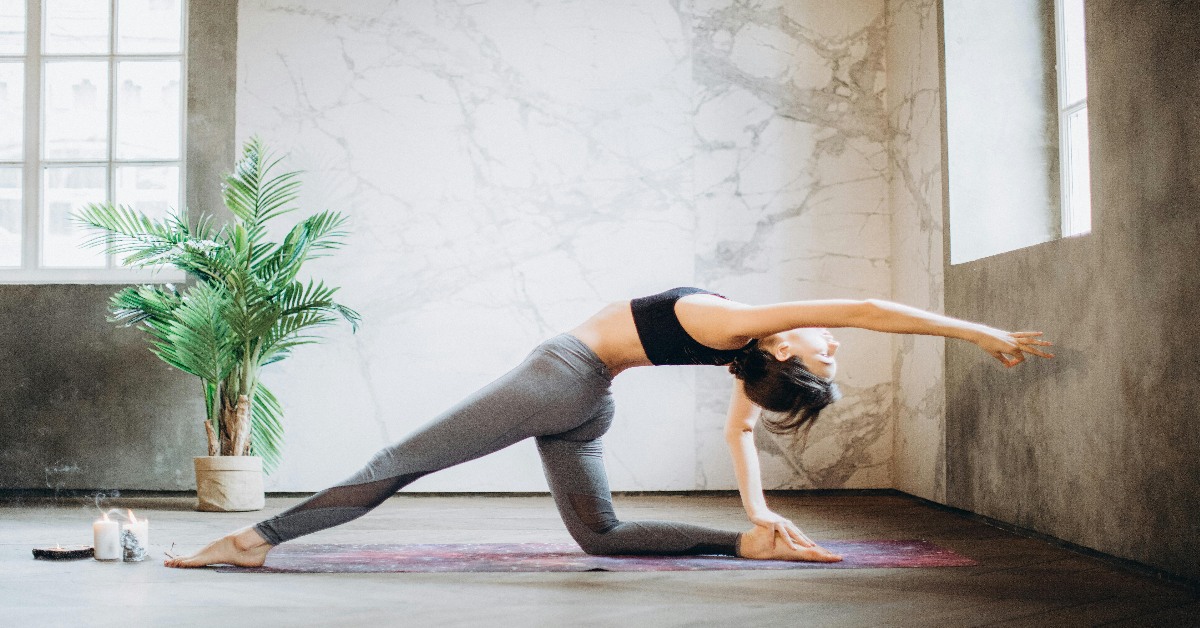
5. Low Lunge
Gently lower the rear knee and take a step forward. Keep your movement controlled.
6. Warrior II
Stand with your feet apart and bend the front knee while extending your arms to the sides.
7. Bridge Pose
Bend your knees and lie on your back. Press through your feet and gently lift your hips.
8. Corpse Pose
Lie comfortably on your back and relax your body for one to two minutes.
10-Minute Daily Yoga Routine
A 10-minute daily yoga routine can be a practical choice for people with busy schedules.
Minutes 1–2: Breathing and Gentle Movement
Begin with slow breathing and gentle shoulder rolls.
Minutes 3–4: Cat-Cow Stretch
To warm up your spine, move slowly while breathing.
Minutes 5–6: Downward-Facing Dog
Stretch the back of your body and gently move your legs.
Minutes 7–8: Low Lunge
Practice on both sides to open the hips and stretch the legs.
Minute 9: Child’s Pose
Allow your body to relax.
Minute 10: Relaxation
Finish with slow breathing and gentle awareness of your body.
20-Minute Full-Body Yoga Routine
A 20-minute yoga routine can provide a balanced workout for the entire body.
Warm-Up – 3 Minutes
Start with:
- Deep breathing
- Shoulder rolls
- Cat-Cow
- Gentle spinal movement
Main Sequence – 12 Minutes
Perform:
- Downward-Facing Dog
- Plank Pose
- Low Lunge
- Warrior II
- Chair Pose
- Boat Pose
- Bridge Pose
Hold each pose for approximately 20 to 40 seconds, depending on your comfort and fitness level.
Cool-Down – 5 Minutes
Finish with:
- Child’s Pose
- Seated Forward Fold
- Supine Twist
- Relaxation
This full-body yoga routine can be modified for beginners.

Morning Yoga Routine
A morning yoga routine can help you gently move your body after sleeping.
Try the following sequence:
- Easy Pose
- Neck and shoulder movements
- Cat-Cow Stretch
- Child’s Pose
- Downward-Facing Dog
- Low Lunge
- Warrior II
- Standing Forward Fold
- Mountain Pose
Practice slowly and focus on relaxed breathing.
Yoga Routine for Flexibility
If flexibility is your main goal, spend more time in gentle stretching poses.
Recommended Poses
- Butterfly Pose
- Low Lunge
- Pigeon Pose
- Seated Forward Fold
- Supine Hamstring Stretch
- Child’s Pose
Avoid forcing your body. Flexibility usually improves gradually through regular practice.
Yoga Routine for Strength
A strength-focused yoga routine can include poses that require stability and muscular control.
Try These Poses
- Plank Pose
- Side Plank
- Chair Pose
- Warrior III
- Boat Pose
- Bridge Pose
- Crow Pose
Beginners should first learn the basic form of each pose before attempting more advanced variations.
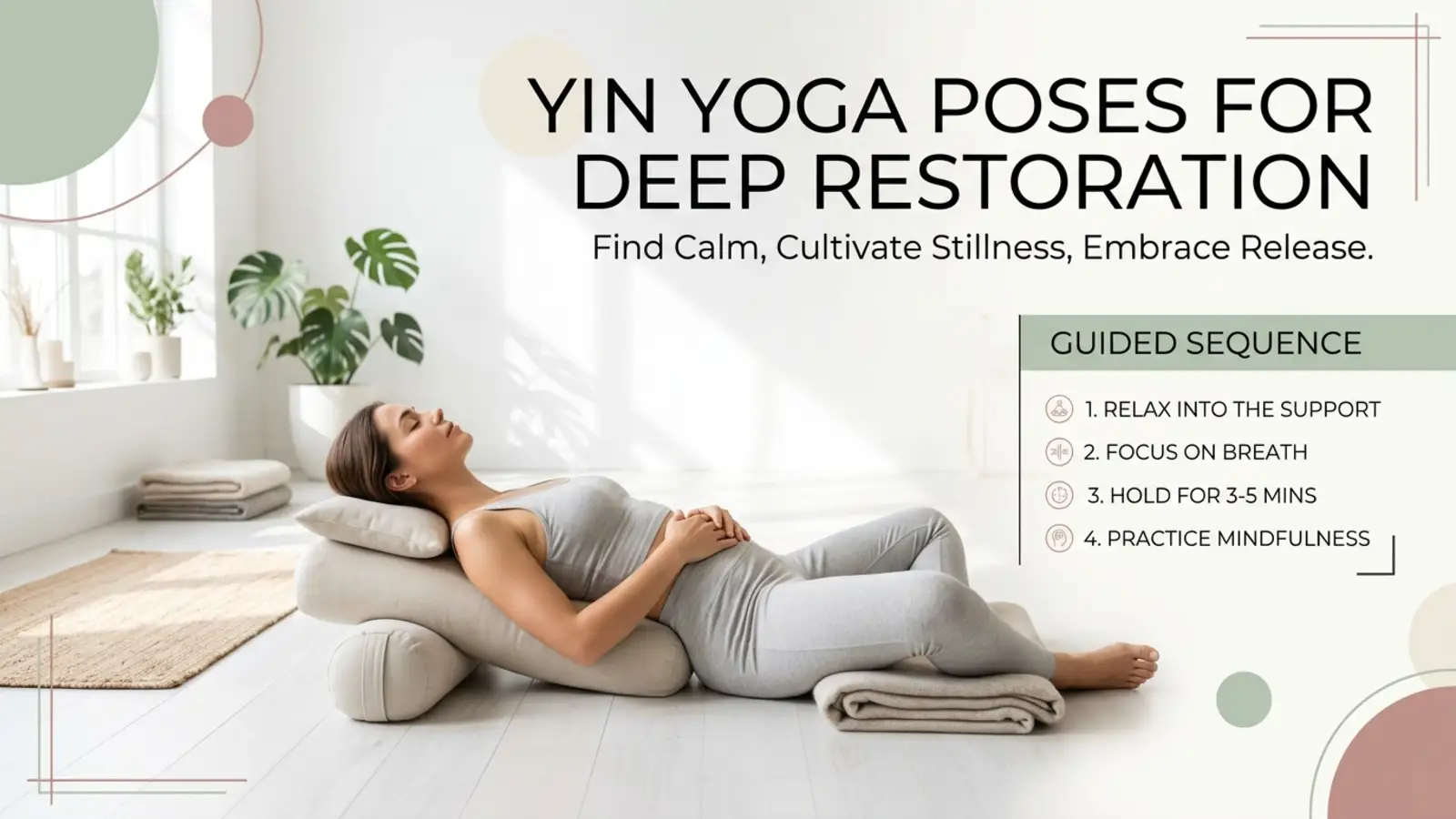
Yoga Routine for Relaxation
A gentle yoga routine may help you unwind and release physical tension.
Relaxing Sequence
- Child’s Pose
- Cat-Cow Stretch
- Seated Forward Fold
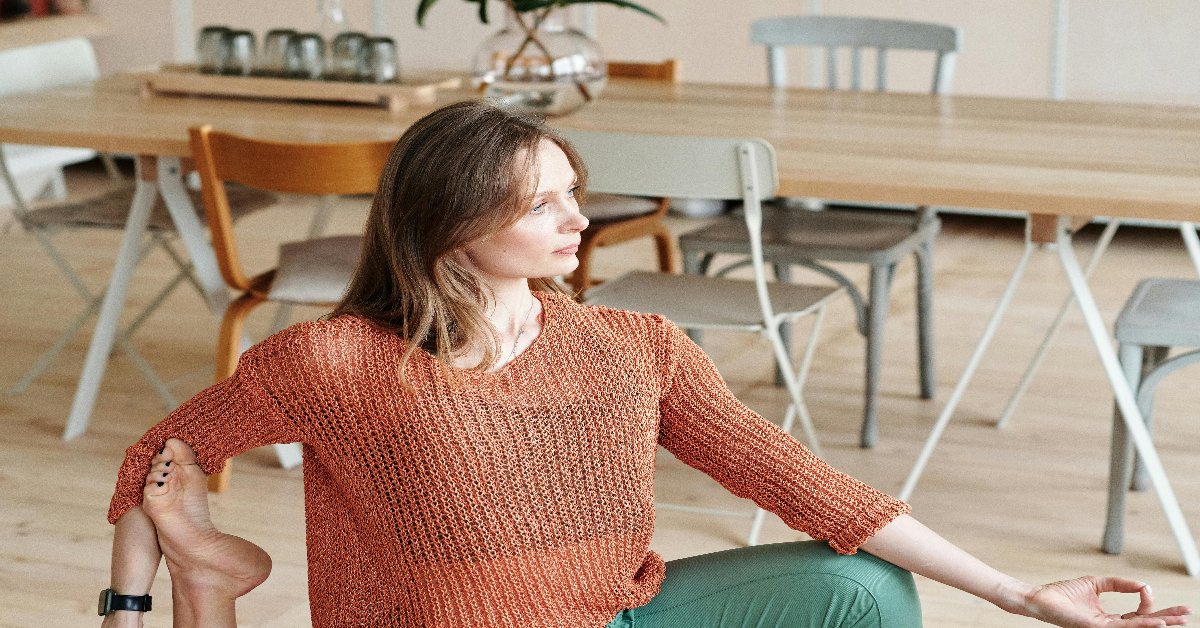
- Supine Twist
- Happy Baby Pose
- Legs-Up-the-Wall Pose
- Corpse Pose
Move slowly and breathe comfortably throughout the practice.
Yoga Routine at Home
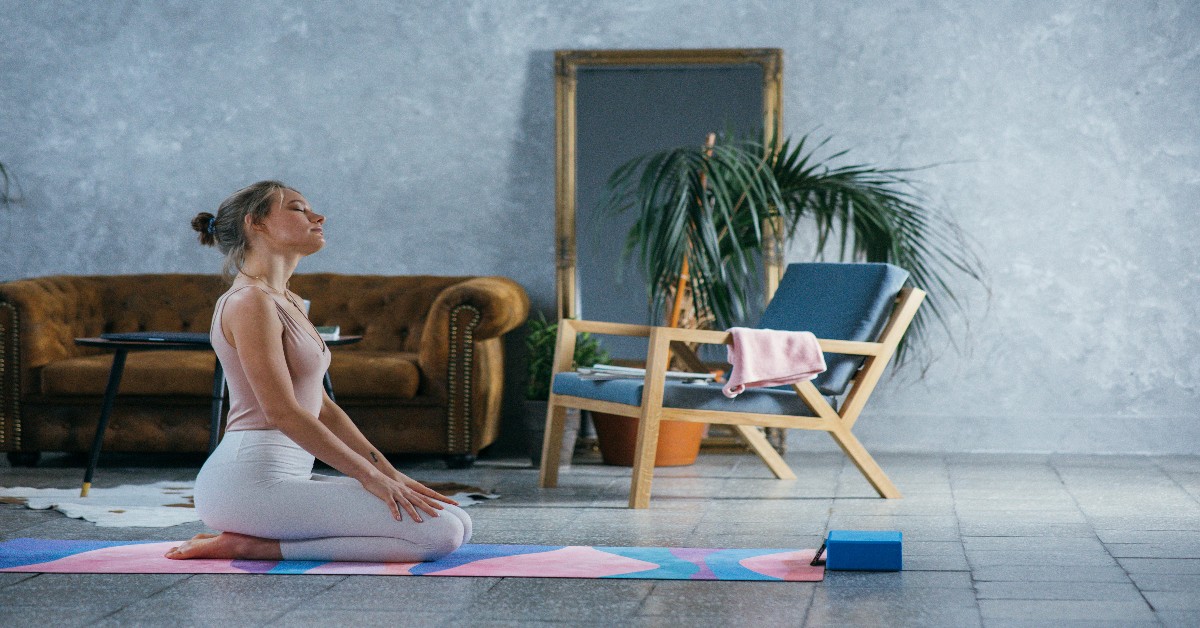
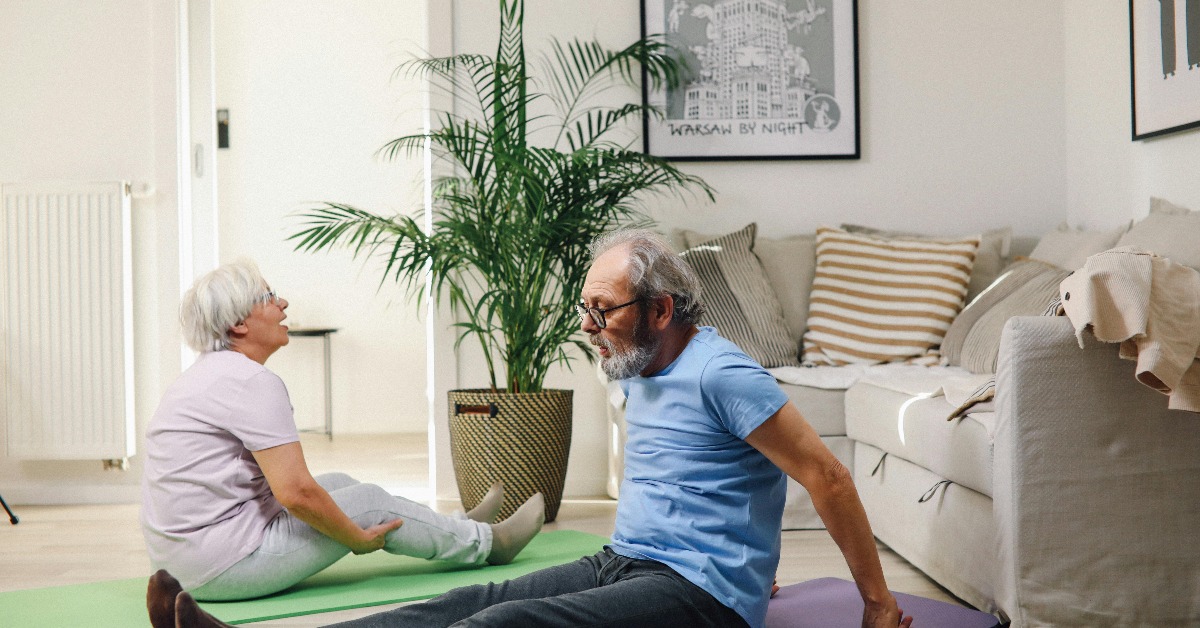
Practicing yoga at home can make exercise more convenient. You do not need a large space or expensive equipment.
Tips for Home Practice
- Choose a clean, safe space.
- Use a yoga mat if available.
- Wear comfortable clothing.
- Start with a realistic schedule.
- Keep your movements controlled.
- Avoid comparing your practice with others.
- Stop if you experience sharp or severe pain.
A home yoga routine can be completed in a bedroom, living room, or any other comfortable area.
How Often Should You Practice Yoga?
The ideal frequency depends on your goals, fitness level, and schedule. Beginners may start with two or three sessions per week.
As your body becomes more comfortable with the movements, you may practice more frequently. A short daily yoga routine can also be beneficial when it includes gentle movements and appropriate intensity.
Consistency is often more important than practicing for a long time once in a while.
Common Yoga Routine Mistakes
Practicing Without Warming Up
Gentle movements can help prepare your body for more challenging poses.
Forcing Your Body
Never push into sharp pain. Use modifications when necessary.
Holding Your Breath
Try to maintain steady, natural breathing throughout your practice.
Doing Too Much Too Soon
Start with simple poses and work your way up to more complex ones.
Ignoring Proper Alignment
Good alignment can help you practice more safely and effectively.

10 Vocabulary Words and Meanings
- Routine – A regular sequence of activities.
- Flexibility – The ability to move muscles and joints comfortably.
- Mobility – The ability to move freely and easily.
- Balance: The capacity to keep one’s body steady.
- Strength is the capacity of muscles to generate force.
- Alignment – Proper positioning of the body.
- Relaxation – A state of reduced physical and mental tension.
- Posture – The way the body is positioned.
- Breathing – The process of inhaling and exhaling air.
- Consistency – Continuing an activity regularly over time.
Conclusion
A yoga routine can be a simple and effective way to add regular movement to your daily life. Whether you choose a 10-minute daily yoga routine, a 20-minute full-body sequence, a morning practice, or a relaxing evening session, consistency can help you work toward better flexibility, strength, balance, and mobility.
Start with beginner-friendly poses, listen to your body, and gradually develop a practice that fits your personal goals and lifestyle.
Frequently Asked Questions
What is a beginner-friendly yoga routine?
A good beginner yoga routine includes Mountain Pose, Cat-Cow, Child’s Pose, Downward-Facing Dog, Low Lunge, Warrior II, Bridge Pose, and Corpse Pose.
How long should a yoga routine be?
A yoga routine can last from 10 to 60 minutes. Beginners can start with 10 or 20 minutes and gradually increase the duration.
Can I do a yoga routine every day?
Yes, many people can practice yoga daily. Gentle routines are especially suitable for regular practice.
Is a morning yoga routine beneficial?
Yes. Morning yoga can help gently move the body, improve mobility, and prepare you for the day.
Can yoga improve flexibility?
Yes. Consistent yoga practice may gradually improve flexibility in the hips, legs, shoulders, and back.