Practicing yoga poses for 2 is an enjoyable way to improve flexibility, strength, balance, and communication while spending quality time with someone you trust. Unlike solo yoga, partner yoga combines traditional yoga postures with teamwork, synchronized breathing, and mutual support, allowing both people to stretch deeper and develop greater body awareness.
Whether you’re practicing with a spouse, friend, family member, or workout partner, partner yoga offers a fun way to stay active while building trust and confidence. Many yoga poses for two people are beginner-friendly, making them perfect for anyone who wants to start a healthy home yoga practice without advanced experience.
In this complete guide, you’ll learn what partner yoga is, who can practice it, its physical and mental benefits, safety tips, and the best easy partner yoga poses to improve flexibility, balance, and strength.
What Is Partner Yoga?
Partner yoga is a style of yoga where two people perform yoga poses together using each other’s balance, support, and gentle resistance. Instead of practicing alone, yoga with a partner encourages communication, teamwork, and mindful movement while helping both participants safely deepen their stretches.
Yoga for two isn’t only for experienced yogis. Today, beginner partner yoga is becoming increasingly popular because many partner yoga poses can easily be modified for different flexibility levels.
Some people practice yoga exercises for two as part of their fitness routine, while others enjoy couples yoga poses for relaxation or yoga poses for friends during wellness sessions.
Understanding Yoga Poses for 2
Unlike traditional yoga, yoga poses for 2 focus on connection as much as movement. Each pose requires both people to work together using proper body alignment and synchronized breathing.
Partner yoga includes many styles, including:
- Easy partner yoga poses
- Simple partner yoga poses
- Beginner yoga poses for two people
- Two-person yoga poses
- Partner stretching exercises
- Yoga partner stretches
- Partner yoga flow
- Partner yoga workout
Whether your goal is improving flexibility or strengthening your core, there is a partner yoga routine suitable for every fitness level.
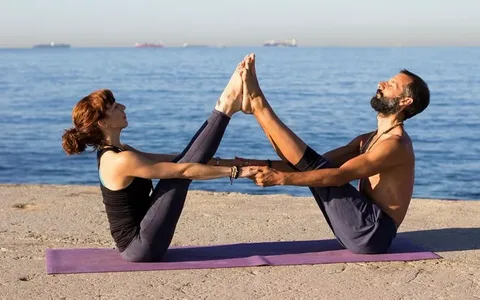
Table: Solo Yoga vs Partner Yoga
| Feature | Solo Yoga | Partner Yoga |
| Participants | One person | Two people |
| Balance | Self-balanced | Shared balance |
| Support | Individual | Mutual support |
| Communication | Minimal | Essential |
| Flexibility | Self-guided | Assisted stretching |
| Fun Factor | Moderate | High |
Who Should Practice Partner Yoga?
Partner yoga is suitable for nearly everyone.
It works well for:
- Beginners
- Couples
- Friends
- Parents and children
- Workout partners
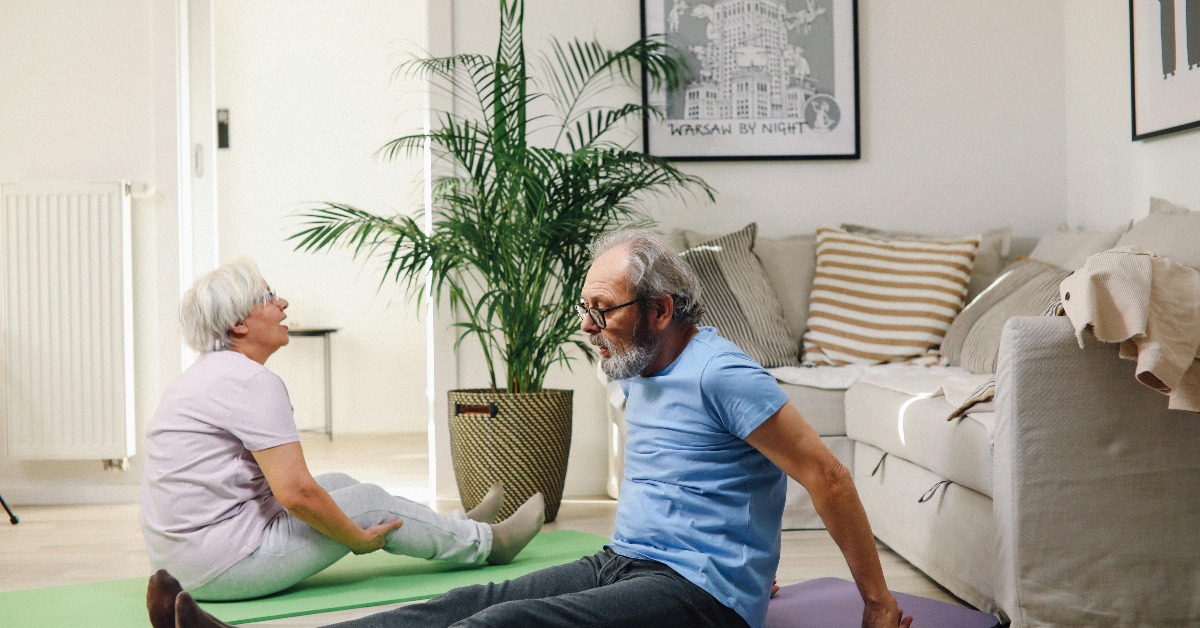
- Seniors using modified poses
- Anyone looking for a fun yoga challenge
Yoga poses for couples help strengthen communication, while partner yoga for friends encourages teamwork and creates an enjoyable fitness experience. If you’re new to yoga, starting with easy yoga poses for 2 beginners helps you learn proper technique before progressing to advanced movements.
Benefits of Yoga Poses for 2
Partner yoga provides far more than improved flexibility. Practicing regularly supports physical health, mental wellness, and stronger interpersonal relationships.
Physical Benefits
Regular practice of partner yoga poses can:
- Improve flexibility
- Improve balance
- Strengthen core muscles
- Strengthen shoulders
- Increase mobility
- Improve posture
- Stretch hamstrings
- Open hips
- Promote muscle recovery
- Enhance spinal mobility
- Support flexibility training
- Improve balance training
- Build core strength safely
Many yoga stretches for two allow partners to gently deepen stretches without forcing movement, making them effective for improving long-term mobility.
Physical Benefits Table
| Benefit | How Partner Yoga Helps |
| Flexibility | Assisted stretches improve range of motion |
| Balance | Shared stability develops control |
| Core Strength | Many poses engage abdominal muscles |
| Mobility | Gentle movement reduces stiffness |
| Posture | Better spinal alignment |
| Recovery | Light stretching eases muscle tension |
Mental & Wellness Benefits
Partner yoga also supports emotional well-being.
Benefits include:
- Stress relief
- Relaxation
- Better partner connection
- Trust building
- Improved teamwork
- Increased body awareness
- Mindful movement
- Mindful breathing
- Better coordination
- Improved overall wellness
- Greater fitness motivation
Because both partners move together using breathing exercises and synchronized breathing, every yoga session becomes more mindful and enjoyable.
How to Prepare for Partner Yoga
Preparing correctly helps prevent injuries and makes every partner yoga practice more effective.
Safety Guidelines
Before beginning any yoga practice, remember these important tips.
Communicate Constantly
Talk with your partner throughout every pose. Let each other know if a stretch feels too deep or uncomfortable.
Maintain Proper Body Alignment
Good posture protects your spine, shoulders, hips, and knees while improving balance.
Focus on breathing.
Use slow breathing exercises throughout every movement.
A simple breathing pattern is:
- Inhale while lengthening the body.
- Exhale while deepening the stretch.
- Keep breathing naturally throughout each pose.
Practicing synchronized breathing helps both partners move together more smoothly.
Warm Up First
Never begin deep stretches with cold muscles.
Spend 5–10 minutes performing:
- Gentle yoga
- Mobility exercises
- Active stretching
- Shoulder rolls
- Hip circles
- Cat-Cow stretches
- Light walking
This prepares your body for a safe and enjoyable home yoga practice.
What You’ll Need
Fortunately, partner yoga requires very little equipment.
Recommended items include:
- Non-slip yoga mat
- Comfortable clothing
- Open floor space
- Water bottle
- Small towel
- Yoga blocks (optional)
- Cushion or blanket for support
A quiet environment with enough room to move freely makes your yoga routine safer and more relaxing.
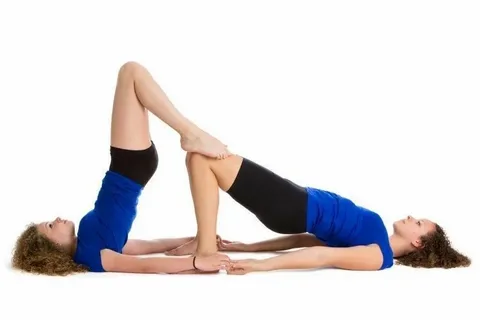
Best Easy Yoga Poses for 2 Beginners
If you’re just starting, choose poses that emphasize communication, balance, and flexibility rather than difficult arm balances. These easy partner yoga poses help both partners build confidence before progressing to more advanced partner yoga moves.
Beginner-friendly options include:
- Back-to-Back Twists
- Child’s Pose & Backbend Stretch
- Double Boat Pose
- Downward Dog Partner Stretch
- Wide Leg Forward Bend
- Double Plank Pose
These partner yoga poses anyone can do require little experience and are ideal for couples, friends, and families practicing together at home.
In the next section, we’ll explore each pose step by step, including proper technique, common mistakes, benefits, and safety tips.
Step-by-Step Partner Yoga Poses
Once you understand the basics of partner yoga, it’s time to practice the movements. Start with simple poses and gradually progress as your flexibility, balance, and confidence improve. Remember to communicate throughout each pose, maintain proper body alignment, and use slow, synchronized breathing.
Back-to-Back Twists
Back-to-Back Twists are among the best yoga poses for two because they gently improve spinal mobility while encouraging both partners to move together.
How to Do It
- Sit back-to-back with your partner in Easy Pose.
- Lengthen your spine as you inhale.
- Exhale and rotate into a seated twist.
- Place your right hand on your partner’s left knee while your left hand rests on your own knee.
- Hold for 3-5 slow breaths.
- Return to the center and repeat on the opposite side.
Benefits
- Improves spinal twist mobility
- Encourages better posture improvement
- Supports healthy digestion
- Releases tension in the lower back
- Enhances body awareness
Common Mistakes
- Twisting too forcefully
- Rounding the spine
- Holding your breath
- Moving faster than your partner
Child’s Pose & Backbend Stretch
This relaxing combination pairs a gentle Partner Child’s Pose with a supported Backbend Stretch, making it one of the most enjoyable yoga stretches for two.
How to Do It
- One partner begins in Child’s Pose.
- The second partner carefully leans back over their partner’s back.
- They may keep their legs extended or sit in Hero Pose (Virasana).
- Relax into the stretch while breathing slowly together.
- Switch positions after several breaths.
Benefits
- Deep hip opener
- Gentle hip stretch
- Excellent back stretch
- Stretches the quadriceps
- Opens the chest and shoulders
- Promotes relaxation
Why Beginners Love It
This is one of the easiest partner yoga poses because it requires very little balance while providing a deep assisted stretch.
Double Boat Pose
Double Boat Pose is excellent for building core strength while improving balance and coordination.
How to Do It
- Sit facing each other.
- Bend both knees.
- Press the soles of your feet together.
- Hold each other’s hands or forearms.
- Slowly extend both legs upward.
- Keep your spine long and engage your abdominal muscles.
Beginner Modification
If your hamstrings feel tight:
- Keep knees slightly bent.
- Lean back only slightly.
- Place one hand behind you for support if necessary.
Benefits
- Strengthens the core
- Improves balance
- Builds coordination
- Creates a deep core stretch
- Supports partner yoga for core strength
- Increases flexibility in the hips and legs
Downward Dog Partner Stretch
This pose combines Downward Dog with a gentle assisted stretch, making it one of the most effective yoga partner stretches.
How to Do It
- One partner begins in Child’s Pose.
- The second partner stands facing them.
- Hold your partner’s ankles for stability.
- Step backward into Downward Dog.
- Place your hands gently on your partner’s hips.
- Apply light, controlled pressure while both partners breathe steadily.
Benefits
- Excellent shoulder stretch
- Deep hamstring stretch
- Opens the hips
- Lengthens the spine
- Relieves lower-back tension
Safety Tip
Never force your partner deeper into the stretch. Gentle pressure is enough to increase flexibility safely.
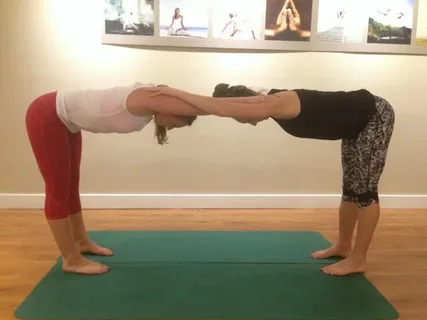
Wide Leg Forward Bend
This standing stretch is perfect for improving flexibility while stretching multiple muscle groups simultaneously.
How to Do It
- Stand back-to-back with your partner.
- Place your feet wider than shoulder-width apart.
- Inhale and lengthen your spine.
- Exhale and fold into a standing forward fold.
- Reach through your legs and hold your partner’s hands or forearms.
- Relax while maintaining steady breathing.
Benefits
- Deep glute stretch
- Gentle hip stretch
- Stretches the hamstrings
- Improves flexibility
- Enhances partner stretching exercises
- One of the best yoga stretches for two
Double Plank Pose
Double Plank Pose is one of the most challenging partner yoga poses and is ideal for developing strength and stability.
How to Do It
- The first partner enters a strong plank position.
- The second partner carefully places their hands near the first partner’s ankles.
- One foot at a time is placed on the lower partner’s shoulders or hips, depending on experience.
- Engage the core and maintain a straight body.
- Hold for several breaths before carefully stepping down.
Benefits
- Builds upper-body strength
- Improves core stability
- Develops balance training
- Enhances body control
- Strengthens shoulders
- Excellent partner yoga workout
Beginner Alternative
Instead of stacking completely, practice partner plank with knees on the floor until both partners gain confidence.
Partner Crow Pose Challenge
Once you’ve mastered the basics, try this advanced Arm Balance Pose.
Partner Crow Pose combines balance, concentration, and strength while creating a fun yoga challenge.
How to Do It
- One partner relaxes in Child’s Pose.
- The second partner carefully performs Crow Pose nearby.
- Focus on balance and controlled breathing.
- Keep your landing area clear.
- Step down carefully without placing weight on your partner.
Benefits
- Develops advanced balance
- Improves coordination
- Builds arm strength
- Strengthens the core
- Improves confidence
- Enhances focus
Important Safety Tips
- Practice only if you already know Crow Pose.
- Always warm up first.
- Use a soft yoga mat.
- Never jump onto your partner.
- Keep your elbows slightly bent.
- Move slowly and with control.
Comparison Table: Best Yoga Poses for 2
| Yoga Pose | Difficulty | Main Focus | Best For |
| Back-to-Back Twists | Beginner | Spinal mobility | Flexibility |
| Child’s Pose & Backbend Stretch | Beginner | Hip opener | Relaxation |
| Double Boat Pose | Beginner–Intermediate | Core strengthening | Balance |
| Downward Dog Partner Stretch | Beginner | Hamstring stretch | Mobility |
| Wide Leg Forward Bend | Beginner | Hip and glute stretch | Flexibility |
| Double Plank Pose | Intermediate | Core and shoulders | Strength |
| Partner Crow Pose | Advanced | Arm balance | Coordination & Focus |
Tips for Better Results
To get the most from these partner yoga poses:
- Move slowly instead of rushing.
- Match your breathing with your partner.
- Communicate during every movement.
- Never force a stretch.
- Practice consistently two or three times each week.
- Stay hydrated before and after your yoga session.
- Finish with gentle stretching and relaxation before ending your practice.
These partner yoga poses provide a complete full-body workout while improving flexibility, strength, balance, mobility, and trust. Whether you’re practicing with a friend, family member, or spouse, these exercises help create a fun and rewarding yoga experience for two.
Complete Partner Yoga Flow for Beginners
A structured partner yoga flow helps you move smoothly from one pose to the next while improving flexibility, balance, and strength. If you’re new to yoga poses for 2, follow a simple sequence that gradually warms up the body before moving into more challenging postures.
Beginner Partner Yoga Routine
This beginner partner yoga routine takes about 20–30 minutes and is suitable for couples, friends, or family members.
Warm-Up (5 Minutes)
Prepare your body with gentle movements.
- Neck rolls
- Shoulder rolls
- Cat-Cow Stretch
- Hip circles
- Standing side stretches
- Gentle hamstring stretches
- Deep breathing exercises
Main Partner Yoga Flow (15-20 Minutes)
Perform each pose for 30–60 seconds while maintaining synchronized breathing.
- Back-to-Back Twists
- Child’s Pose & Backbend Stretch
- Double Boat Pose
- Downward Dog Partner Stretch
- Wide Leg Forward Bend
- Double Plank Pose
Repeat the sequence 2–3 times depending on your fitness level.
Cool-Down (5 Minutes)
Finish your yoga session with:
- Child’s Pose
- Seated Forward Fold
- Gentle spinal twist
- Deep mindful breathing
- Relaxation for 2–3 minutes
This partner yoga flow improves mobility, encourages active stretching, and supports a sustainable home yoga practice.
20-Minute Partner Yoga Workout
If you have limited time, this partner yoga workout for beginners provides a full-body routine.
| Time | Activity |
| 3 Minutes | Warm-up and breathing exercises |
| 3 Minutes | Back-to-Back Twists |
| 3 Minutes | Child’s Pose & Backbend Stretch |
| 3 Minutes | Double Boat Pose |
| 3 Minutes | Downward Dog Partner Stretch |
| 3 Minutes | Wide Leg Forward Bend |
| 2 Minutes | Relaxation and cool-down |
Benefits of this yoga workout include:
- Better flexibility
- Stronger core
- Improved balance
- Increased mobility
- Reduced muscle stiffness
- Better posture
Recommended Partner Yoga Sequence
As your confidence grows, you can build a more complete partner yoga sequence.
Recommended order:
- Warm-up
- Back-to-Back Twists
- Child’s Pose & Backbend Stretch
- Double Boat Pose
- Downward Dog Partner Stretch
- Wide Leg Forward Bend
- Double Plank Pose
- Relaxation
This sequence combines yoga balance poses, bodyweight yoga, mobility exercises, and stretching into one enjoyable routine.
Partner Yoga for Different Goals
Different partner yoga poses target different fitness objectives. Choose poses based on what you want to improve.
Partner Yoga for Flexibility
If your goal is to improve flexibility, focus on longer holds and controlled breathing.
Recommended poses:
- Child’s Pose & Backbend Stretch
- Downward Dog Partner Stretch
- Wide Leg Forward Bend
- Back-to-Back Twists
These yoga flexibility exercises help increase range of motion while reducing muscle tightness.
Partner Yoga for Balance
To improve yoga balance and overall stability, practice the following:
- Double Boat Pose
- Double Plank Pose
- Partner Crow Pose
These balance exercises strengthen stabilizing muscles and improve coordination.
Partner Yoga for Strength
For greater strength, include:
- Double Boat Pose
- Double Plank Pose
- Partner Plank
- Partner Crow Pose
These poses create an effective core workout while strengthening the shoulders, arms, and abdominal muscles.
Partner Yoga for Relaxation
If stress relief is your priority, slow down your practice and focus on gentle yoga.
Best poses include:
- Child’s Pose
- Back-to-Back Twists
- Seated breathing practice
- Supported stretches
These exercises promote relaxation, mindful movement, and emotional well-being.
Yoga Poses for Couples and Friends
Partner yoga is not just a workout—it is also a fun way to connect with others.
Best Yoga Poses for Couples at Home
Couples often enjoy practicing together because partner yoga improves communication and trust.
Try these at-home partner yoga poses:
- Child’s Pose & Backbend Stretch
- Double Boat Pose
- Back-to-Back Twists
- Downward Dog Partner Stretch
These yoga poses for couples at home require very little equipment and are suitable for most beginners.
Fun Yoga Poses for Two Friends
Practicing yoga with a friend makes exercise more enjoyable and motivating.
Great choices include:
- Double Boat Pose
- Wide Leg Forward Bend
- Double Plank Pose
- Partner stretching exercises
These fun partner yoga exercises encourage teamwork while helping both people improve flexibility and balance.
Common Beginner Mistakes
Avoid these common mistakes to stay safe and enjoy your practice.
- Skipping warm-up exercises
- Poor communication with your partner
- Incorrect body alignment
- Holding your breath
- Moving too quickly
- Comparing yourself to others
- Ignoring flexibility limits
- Practicing difficult poses too soon
Listening to your body is more important than achieving the deepest stretch.
Tips to Improve Your Partner Yoga Practice
Developing a regular yoga routine produces the best long-term results.
Helpful tips:
- Practice two or three times each week.
- Focus on quality instead of difficulty.
- Communicate clearly during every pose.
- Use mindful breathing throughout the session.
- Continue improving body awareness.
- Include partner stretching after workouts.
- Stay patient and celebrate small improvements.
- End every practice with relaxation.
Consistency is the key to long-term progress.
Glossary
| Word | Meaning |
| Partner Yoga | Yoga practiced with another person for support and balance. |
| Easy Pose | A simple seated yoga posture used for meditation and stretching. |
| Child’s Pose | A resting yoga pose that gently stretches the back and hips. |
| Downward Dog | A yoga pose that stretches the entire body while strengthening the arms and legs. |
| Boat Pose | A balancing posture that strengthens the abdominal muscles and hips. |
| Crow Pose | An arm balance that develops strength, balance, and focus. |
| Virasana | Also called Hero Pose, it’s a kneeling posture that stretches the thighs and ankles. |
| Flexibility | The ability of muscles and joints to move through a full range of motion. |
| Mobility | The body’s ability to move freely and efficiently without discomfort. |
| Mindfulness | Paying full attention to the present moment during movement and breathing. |
Conclusion
Yoga poses for 2 provide an enjoyable way to improve flexibility, strength, balance, and overall wellness while creating meaningful connections with another person. Whether you’re practicing with a spouse, friend, or family member, partner yoga helps build trust, coordination, and confidence through shared movement.
Start with beginner-friendly poses, learn proper technique, and progress at your own pace. By practicing regularly, using controlled breathing, and communicating with your partner, you’ll develop a safe and rewarding yoga routine that supports both physical fitness and mental relaxation.
The journey doesn’t require perfection-only consistency. With time, these partner yoga poses can become an enjoyable part of your weekly wellness routine.
FAQs
1. What are the best yoga poses for two?
Back-to-Back Twists, Child’s Pose & Backbend Stretch, Double Boat Pose, Downward Dog Partner Stretch, Wide Leg Forward Bend, and Double Plank Pose are among the best yoga poses for two because they are effective, beginner-friendly, and improve flexibility, balance, and strength.
2. How do you do partner yoga safely?
Practice on a non-slip yoga mat, communicate with your partner, maintain proper body alignment, use slow breathing, warm up before stretching, and never force a movement beyond your comfort level.
3. Are partner yoga poses good for beginners?
Yes. Many easy partner yoga poses are designed specifically for beginners. Start with simple stretches and gradually progress to more advanced poses as your strength and flexibility improve.
4. Can couples practice yoga poses for 2 at home?
Absolutely. Most yoga poses for couples at home require only a yoga mat, comfortable clothing, and enough open space to move safely together.
5. What are the benefits of yoga with a partner?
Practicing yoga with a partner can improve flexibility, balance, posture, core strength, mobility, communication, trust, stress management, and overall well-being while making exercise more enjoyable.