Introduction
Stress has become a common part of modern life. Whether it comes from work, school, relationships, finances, or daily responsibilities, prolonged stress can affect both physical and mental health. Many people are searching for natural and effective ways to manage stress without relying solely on medication. One of the most effective solutions is yoga for stress relief.
Yoga is an ancient practice that combines physical postures, breathing exercises, and mindfulness techniques to promote relaxation and inner peace. Regular yoga practice can help reduce stress hormones, improve sleep quality, enhance mood, and increase overall well-being.
In this comprehensive guide, you’ll learn how yoga helps relieve stress, the best yoga poses for relaxation, breathing techniques, the benefits of yoga for mental health, and tips for creating a daily stress-relief yoga routine.
What Is Yoga for Stress Relief?
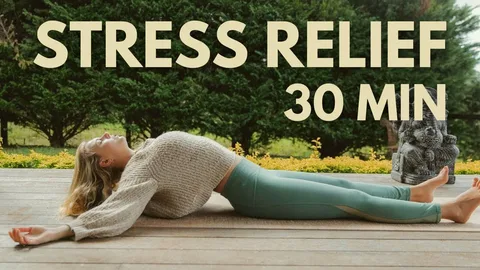
Yoga for stress relief refers to a collection of yoga practices specifically designed to calm the nervous system and reduce mental tension. Unlike intense fitness workouts, stress-relief yoga focuses on gentle movements, deep breathing, and mindfulness.
The goal is to help the body shift from a state of stress and anxiety into a state of relaxation and balance.
Stress-relief yoga often includes the following:
- Gentle stretching
- Controlled breathing
- Meditation
- Relaxation techniques
- Mindful movement
These practices work together to reduce physical tension and calm the mind.
How Stress Affects the Body and Mind
Before understanding how yoga helps, it is important to know what stress does to the body.
When you’re stressed, your body releases hormones such as cortisol and adrenaline. These hormones trigger the “fight or flight” response.
Common symptoms of chronic stress include:
- Headaches
- Muscle tension
- Fatigue
- Anxiety
- Irritability
- Sleep problems
- Digestive issues
- Difficulty concentrating
Long-term stress can contribute to serious health conditions, including high blood pressure, heart disease, and depression.
This is why stress management is essential for maintaining overall health.
How Yoga Helps Reduce Stress
Yoga provides a natural way to manage stress through physical movement and mental relaxation.
1. Lowers Cortisol Levels
Research suggests that regular yoga practice may help lower cortisol, the body’s primary stress hormone. Lower cortisol levels are associated with reduced anxiety and improved mood.
2. Activates the Relaxation Response
Yoga stimulates the parasympathetic nervous system, which is responsible for rest and recovery. This helps slow the heart rate and calm the mind.
3. Improves Breathing
Stress often causes shallow breathing. Yoga teaches deep breathing techniques that improve oxygen flow and promote relaxation.
4. Releases Physical Tension
Stress frequently causes tight muscles, especially in the neck, shoulders, and back. Yoga stretches help release this tension.
5. Encourages Mindfulness
Mindfulness helps you focus on the present moment rather than worrying about the future or dwelling on the past.
Benefits of Yoga for Stress Relief
Practicing yoga regularly can provide numerous physical and mental health benefits.
Mental Benefits
- Reduces anxiety
- Improves emotional balance
- Enhances focus and concentration
- Promotes positive thinking
- Increases self-awareness
- Improves resilience to stress
Physical Benefits
- Lowers blood pressure
- Improves flexibility
- Relieves muscle tension
- Enhances sleep quality
- Boosts energy levels
- Supports immune function
Emotional Benefits
- Creates a sense of calm
- Encourages relaxation
- Improves mood
- Reduces feelings of overwhelm
- Supports emotional well-being
Best Yoga Poses for Stress Relief
1. Child’s Pose (Balasana)
Child’s Pose is one of the most relaxing yoga postures.
Benefits
- Calms the nervous system
- Relieves back tension
- Encourages deep breathing
How to Practice
- Kneel on the floor.
- Sit back on your heels.
- Extend your arms forward.
- Rest your forehead on the mat.
- Breathe deeply for 1–3 minutes.
2. Cat-Cow Stretch
This gentle movement helps release tension from the spine.
Benefits
- Improves flexibility
- Relieves stress in the back
- Enhances breathing awareness
How to Practice
- Start on hands and knees.
- Inhale and arch your back.
- Exhale and round your spine.
- Repeat slowly for 1–2 minutes.
3. Standing Forward Fold
This pose helps calm the mind and stretch the entire back body.
Benefits
- Relieves tension
- Reduces fatigue
- Improves circulation
How to Practice
- Stand with feet hip-width apart.
- Fold forward from the hips.
- Allow your head to relax.
- Hold for 30–60 seconds.
4. Legs Up the Wall Pose
A restorative yoga pose that encourages deep relaxation.
Benefits
- Calms the nervous system
- Reduces anxiety
- Relieves tired legs
How to Practice
- Sit beside a wall.
- Swing your legs up the wall.
- Lie comfortably on your back.
- Stay for 5–10 minutes.
5. Seated Forward Bend
This pose gently stretches the spine and promotes relaxation.
Benefits
- Reduces stress
- Improves flexibility
- Encourages introspection
How to Practice
- Sit with legs extended.
- Reach toward your feet.
- Keep your spine long.
- Hold for 1–2 minutes.
6. Supine Twist
A gentle twist that helps release tension throughout the body.
Benefits
- Relaxes the spine
- Improves mobility
- Reduces stress
How to Practice
- Lie on your back.
- Bring your knees toward your chest.
- Drop them to one side.
- Hold for 30 seconds and switch sides.
7. Corpse Pose (Savasana)
Savasana is considered one of the most important yoga poses for relaxation.
Benefits
- Deep relaxation
- Mental clarity
- Stress reduction
How to Practice
- Lie flat on your back.
- Relax your arms and legs.
- Close your eyes.
- Focus on slow breathing.
- Stay for 5–10 minutes.
Breathing Techniques for Stress Relief
Breathing exercises are a powerful part of yoga practice.
Deep Belly Breathing
This technique promotes relaxation by activating the parasympathetic nervous system.
Steps
- Sit comfortably.
- Place one hand on your abdomen.
- Inhale slowly through your nose.
- Feel your belly expand.
- Exhale slowly.
- Repeat for 5 minutes.
Alternate Nostril Breathing
A traditional yoga breathing practice that promotes balance.
Benefits
- Calms the mind
- Reduces anxiety
- Improves focus
Steps
- Close one nostril.
- Inhale through the other nostril.
- Switch sides.
- Exhale through the opposite nostril.
- Continue for several minutes.
A Simple Daily Yoga Routine for Stress Relief
Warm-Up (5 Minutes)
- Neck stretches
- Shoulder rolls
- Cat-Cow Stretch
Main Practice (15 Minutes)
- Child’s Pose
- Standing Forward Fold
- Seated Forward Bend
- Supine Twist
- Legs Up the Wall
Relaxation (5 Minutes)
- Deep breathing
- Savasana
This 25-minute routine can help reduce daily stress and improve overall well-being.
Yoga and Mindfulness
Mindfulness is the practice of paying attention to the present moment without judgment.
Yoga naturally encourages mindfulness through:
- Breath awareness
- Body awareness
- Focused attention
- Meditation
When combined, yoga and mindfulness can significantly improve mental health and emotional resilience.
Tips for Getting the Most from Your Practice
Practice Regularly
Consistency is more important than intensity.
Create a Quiet Space
Choose a calm environment free from distractions.
Focus on Your Breath
Breathing is one of the most effective stress-management tools in yoga.
Avoid Comparing Yourself
Yoga is a personal journey. Focus on your own progress.
Listen to Your Body
Move gently and avoid pushing into pain.
Common Mistakes to Avoid
Holding Your Breath
Breathing should remain slow and steady throughout practice.
Rushing Through Poses
Move mindfully and allow yourself time to relax.
Practicing with Too Much Intensity
Stress-relief yoga should feel calming, not exhausting.
Ignoring Relaxation
Never skip the final relaxation pose.
Who Can Benefit from Yoga for Stress Relief?
Yoga is suitable for almost everyone, including:
- Students
- Office workers
- Parents
- Seniors
- Beginners
- Athletes
People experiencing mild stress, anxiety, or emotional tension may find yoga particularly beneficial.
Conclusion
Yoga for stress relief is a natural, effective, and accessible way to improve mental and physical well-being. Through gentle movement, deep breathing, and mindfulness, yoga helps calm the nervous system, reduce anxiety, and promote relaxation.
Whether you’re dealing with daily stress, work pressure, or simply looking for greater balance in life, incorporating yoga into your routine can make a significant difference. Even a few minutes of practice each day can help create a calmer mind, a healthier body, and a more peaceful life.
By practicing regularly and focusing on mindful breathing, you can experience the lasting benefits of yoga for stress relief and build a stronger foundation for overall wellness. (FAQs)
1. Is yoga effective for stress relief?
Yes. Yoga is widely recognized as one of the most effective natural methods for reducing stress. It combines physical movement, breathing exercises, and mindfulness techniques that help calm the nervous system and promote relaxation.
2. Which type of yoga is best for stress relief?
Gentle styles such as Restorative Yoga, Hatha Yoga, Yin Yoga, and Yoga Nidra are often considered the best forms of yoga for stress relief because they focus on relaxation and mindful breathing.
3. How long should I practice yoga for stress relief?
Even 10 to 20 minutes of daily yoga can help reduce stress levels. For maximum benefits, aim for at least 20 to 30 minutes of consistent practice several times per week.
4. Can yoga help with anxiety and depression?
Yoga may help reduce symptoms of anxiety and mild depression by encouraging relaxation, improving mood, and reducing stress hormone levels. However, it should not replace professional medical treatment when needed.
5. What are the best yoga poses for stress relief?
Some of the most effective poses include Child’s Pose (Balasana), Legs Up the Wall Pose, Cat-Cow Stretch, Standing Forward Fold, Supine Twist, Seated Forward Bend, and Corpse Pose (Savasana).