The Bridge Yoga Pose, also known as Setu Bandhasana, is a gentle backbend that helps improve flexibility, strengthen the body, and promote relaxation. This beginner-friendly posture opens the chest, stretches the spine, and strengthens the legs and core. It is commonly practiced in yoga routines to improve posture, reduce stress, and support lower back health.
What Is the Bridge Yoga Pose?
Bridge Pose, or Setu Bandhasana, is a yoga backbend pose performed while lying on the back and lifting the hips toward the ceiling. The body forms a bridge-like shape, which gives the pose its name.
This posture is suitable for beginners and experienced practitioners alike. It combines strengthening and stretching benefits while encouraging deeper breathing and relaxation.
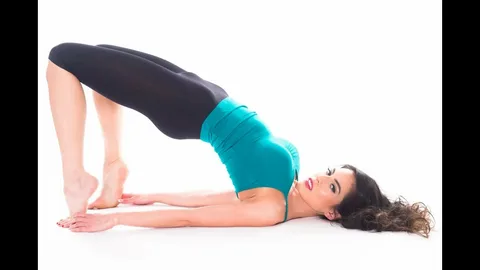
Meaning of Setu Bandhasana
The Sanskrit word “Setu” means bridge, “Bandha” means lock or bind, and “asana” means pose. Together, Setu Bandhasana translates to “bridge lock pose.”
What Are the Benefits of the Bridge Yoga Pose?
The bridge yoga pose’s benefits affect both the body and mind.
Physical Benefits
- Strengthens the glutes and legs.
- Improves spinal flexibility.
- Opens the chest and shoulders.
- Enhances posture.
- Supports lower back strength.
- Stretches the hips and hip flexors.
- Improves core stability.
Mental Benefits
- Reduces stress and anxiety.
- Promotes relaxation.
- Improves focus.
- Encourages deep breathing.
- Boosts energy levels.
How to Do the Bridge Yoga Pose
Follow these bridge yoga pose steps carefully.
Step 1: Lie on Your Back
Lie flat on your mat with your knees bent and feet hip-width apart.
Step 2: Position the Feet
Place the feet close to the hips while keeping the arms alongside the body.
Step 3: Engage the Core
Activate the abdominal muscles and press the feet firmly into the floor.
Step 4: Lift the Hips
Slowly raise the hips toward the ceiling while keeping the shoulders grounded.
Step 5: Hold the Pose
Maintain the position for several breaths before lowering the hips gently.
Which Muscles Does the Bridge Pose Work?
Bridge Pose activates several important muscle groups:
- Glutes
- Hamstrings
- Core muscles
- Lower back muscles
- Hip flexors
- Chest muscles
- Shoulder muscles
This makes it one of the most effective yoga poses for strength and balance.
Can the Bridge Pose Help Back Pain?
Bridge Pose is often recommended as a therapeutic yoga pose because it strengthens the muscles supporting the spine. Gentle backbending can improve posture and relieve tension in the lower back.
People with chronic pain should practice carefully and seek professional guidance if necessary.
Beginner Modifications for Bridge Pose
Beginners can make the pose more comfortable by:
- Using a yoga block under the hips.
- Lifting the hips only slightly.
- Keeping the feet wider apart.
- Practicing shorter holds.
- Using folded blankets for support.
These beginner modifications for bridge pose improve stability and comfort.
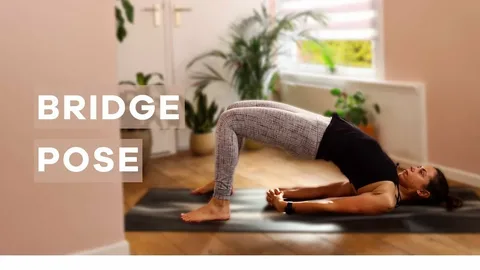
Bridge Pose Variations
Several bridge pose variations can make the practice easier or more challenging.
Supported Bridge Pose
Place a yoga block under the sacrum for support.
One-Leg Bridge Pose
Lift one leg toward the ceiling while maintaining hip stability.
Dynamic Bridge Pose
Lift and lower the hips repeatedly to build strength.
Bridge Pose With Block
Use a yoga block between the thighs to engage the inner legs.
Common Bridge Pose Mistakes
Avoid these common bridge pose mistakes:
- Placing the feet too far away.
- Turning the knees outward.
- Overarching the neck.
- Holding the breath.
- Lifting the hips excessively.
- Collapsing the chest.
Who Should Avoid the Bridge Pose?
Avoid or modify the pose if you have:
- Neck injuries
- Severe back pain
- Recent surgeries
- Shoulder injuries
- Serious spinal conditions
Consult a healthcare professional before practicing if necessary.
Safety Tips for Practicing Bridge Pose
Warm Up the Spine
Gentle stretches prepare the body for backbending.
Engage the Core
Core activation protects the lower back.
Keep the Knees Aligned
Maintain knee alignment with the feet.
Breathe Slowly
Steady breathing improves relaxation and stability.
H4: Practice Consistently
Regular practice helps improve flexibility, posture, and strength over time.
Bridge Pose in Daily Yoga Practice
Bridge Pose fits easily into beginner yoga routines and restorative practices. It can be performed during warm-ups, cool-downs, or relaxation sequences.
Many practitioners include the Bridge Pose because it combines stretching, strengthening, and stress relief in a single movement.
Conclusion
The bridge yoga pose is a gentle and effective backbend that improves flexibility, strengthens the body, and promotes relaxation. By practicing proper alignment and making necessary modifications, practitioners can safely enjoy the many benefits of Setu Bandhasana.
FAQs
What is the Bridge Yoga Pose?
Bridge Pose, or Setu Bandhasana, is a gentle backbend that strengthens the body and improves flexibility.
What are the benefits of Bridge Pose?
It improves posture, strengthens the lower body, opens the chest, and reduces stress.
Is Bridge Pose suitable for beginners?
Yes, the bridge pose is one of the best beginner yoga poses and can be modified easily.
How long should you hold the bridge pose?
Most practitioners hold the pose for 20 to 30 seconds while breathing steadily.
What are the common mistakes in the bridge pose?
Common mistakes include poor foot placement, overextending the neck, and lifting the hips too high.