Frog Yoga Pose, also known as Frog Pose or Mandukasana, is a popular yoga posture that deeply stretches the hips, inner thighs, and groin area. This yoga pose is widely used in yoga routines to improve flexibility, mobility, and body awareness. Many practitioners include Frog Pose Yoga in their weekly yoga practice because it is an effective hip-opening pose that targets tight lower-body muscles.
As a yoga posture, Mandukasana helps release tension while encouraging mindful movement and proper alignment.
Why Frog Yoga Pose Is a Powerful Hip Opener
Frog yoga pose is considered one of the most effective hip openers because it creates a deep hip stretch while gently opening the hips and inner thighs.
Benefits include:
- Helps Open Hips naturally
- Improves Hip Flexibility
- Enhances Hip Mobility
- Supports overall Mobility
- Increases Flexibility
- Promotes healthy joint movement
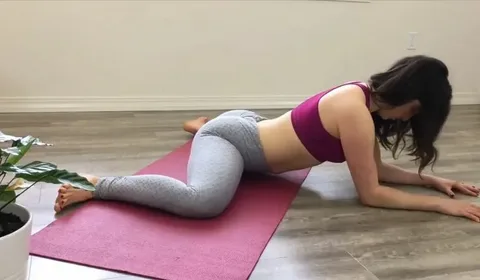
Top Frog Yoga Pose Benefits
Improves Hip Flexibility and Increases Mobility
One of the biggest benefits of the frog yoga pose is its ability to improve hip flexibility and hip mobility. Tight hips can affect posture, movement quality, and athletic performance. Regular practice helps improve mobility and increase flexibility throughout the lower body.
Provides an Effective Inner Thigh and Groin Stretch
Mandukasana creates an excellent inner thigh stretch and groin stretch. The position targets the adductor muscles and encourages a greater range of motion.
Benefits include:
- Stretch Inner Thighs
- Stretch Groin Muscles
- Improve Adductor Stretch capacity
- Increase lower-body flexibility
- Provide a Gentle Stretch for beginners
Strengthens Core Stability and Improves Posture
Although Frog Pose focuses on flexibility, it also requires core engagement. Practitioners must engage the core and draw the navel in to support the spine and maintain stability.
This helps:
- Improve Core Stability
- Support Spine Lengthening
- Enhance Yoga Alignment
- Promote better posture
Supports Relaxation, Mindfulness, and Better Breathing
Holding the frog yoga pose while focusing on deep breathing helps calm the mind and body.
Benefits include:
- Mindful Breathing
- Better Breath Awareness
- Relaxation
- Relaxation Through Breathing
- Improved Mindfulness
- Reduced Stress Relief
How to Do Frog Yoga Pose Correctly
Starting in Tabletop Position
Begin in a tabletop position or all-fours position with your hands under your shoulders and knees beneath your hips.
Frog Pose Steps for Proper Alignment
Follow these frog pose steps carefully:
- Start in tabletop position.
- Move your knees wide apart comfortably.
- Keep your elbows shoulder-width apart.
- Lower your forearms.
- Place your forearms on the ground.
- Press your palms on the earth.
- Keep your fingers spread wide.
- Reach the Crown of the Head Forward.
- Extend the tailbone back.
- Move the Hips Back and Down.
- Maintain Proper Frog Pose Form.
Frog Pose Breathing Technique
Breathing is an important part of the pose.
- Practice Deep Breathing
- Focus on Mindful Breathing
- Develop Breath Awareness
- Relax into the stretch gradually
Frog Pose Alignment Tips and Common Mistakes
Proper Frog Pose Form and Yoga Technique
Correct frog pose alignment helps maximize benefits while reducing discomfort.
| Alignment Point | Recommendation |
| Knees | Keep comfortably wide |
| Core | Stay engaged |
| Spine | Maintain length |
| Neck | Neutral position |
| Breath | Slow and controlled |
A good yoga technique ensures the body remains stable and supported throughout the posture.
Mistakes to Avoid for a Safe Frog Pose
Avoid these common mistakes:
- Forcing the hips too far
- Ignoring Core Engagement
- Holding the breath
- Rounding the spine
- Moving too quickly
These adjustments help create a safe frog pose experience.
Frog Pose for Beginners
Beginner Modifications for Better Comfort
Frog Pose for Beginners can feel intense at first. Consider these modifications:
- Use yoga blocks under the chest
- Place a folded blanket under the knees
- Reduce the distance between the knees
- Focus on Basic Stretching before deeper variations
This creates a more gentle stretch while building confidence.
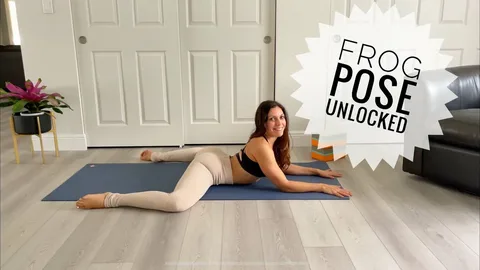
How Long Should Beginners Hold Frog Pose?
Beginners should hold the pose for 20-30 seconds initially. As comfort improves, gradually increase the duration to 1-3 minutes while maintaining relaxation and steady breathing.
How to Release Frog Yoga Pose Safely
Frog Pose Release Step by Step
To perform a proper frog pose release:
- Slowly shift weight forward.
- Bring knees together gently.
- Move into a comfortable resting position.
- Place the Soles of the Feet Together if desired.
- Rest and breathe deeply.
Who Should Avoid the Frog Yoga Pose?
Safety Precautions Before Practicing Mandukasana
Although generally safe, some people should approach the pose carefully:
- Individuals with knee injuries
- People with severe hip problems
- Anyone recovering from lower-body surgery
Consult a qualified instructor before adding this yoga exercise to your yoga practice.
Tips to Improve Your Frog Yoga Pose Practice
Build a Consistent Yoga Routine
Consistency is key for long-term results.
- Follow a regular Yoga Routine
- Practice several times weekly
- Combine with other hip-opening poses
- Prioritize proper form
Improve Flexibility with Regular Practice
Over time, consistent practice can:
- Improve Mobility
- Increase Flexibility
- Enhance Hip Flexibility
- Improve Hip Mobility
- Help Open Hips more comfortably
Frog Yoga Pose Benefits at a Glance
| Benefit | Result |
| Hip Flexibility | Greater range of motion |
| Hip Mobility | Easier movement |
| Inner Thigh Stretch | Reduced tightness |
| Core Stability | Better support |
| Relaxation | Reduced stress |
| Mindfulness | Improved focus |
| Posture | Better alignment |
10 Important Terms and Their Meanings
| Term | Meaning |
| Mandukasana | Sanskrit name for Frog Pose |
| Hip Opener | A pose that stretches the hips |
| Flexibility | Ability of muscles to stretch |
| Mobility | Joint movement capacity |
| Adductors | Inner thigh muscles |
| Alignment | Proper body positioning |
| Core | Muscles supporting the trunk |
| Mindfulness | Present-moment awareness |
| Posture | Body positioning and balance |
| Stretching | Lengthening muscles safely |
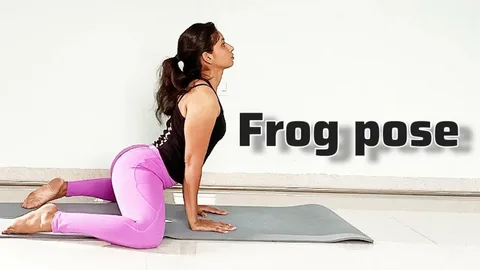
Conclusion
Frog Yoga Pose, or Mandukasana, is a highly effective hip opener that improves hip flexibility, hip mobility, and overall flexibility. By practicing regularly and maintaining proper alignment, you can enjoy better movement, reduced tension, enhanced relaxation, and a more rewarding yoga practice. Whether you are a beginner or an experienced yogi, Frog Pose can be a valuable addition to your wellness routine.
FAQs
1. What are the main benefits of the Frog Yoga Pose?
Frog Yoga Pose (Mandukasana) helps improve hip flexibility, hip mobility, and overall lower-body mobility. It provides a deep stretch for the inner thighs, groin, and hips while promoting better posture, core stability, mindful breathing, relaxation, and stress relief. Regular practice can also help reduce stiffness and increase flexibility over time.
2. Is Mandukasana good for improving hip flexibility?
Yes. Mandukasana is one of the most effective yoga poses for improving hip flexibility. It deeply stretches the hip joints, inner thighs, groin, and adductor muscles, helping to open tight hips and increase mobility when practiced consistently with proper alignment.
3. How long should I hold Frog Pose for the best results?
Beginners should hold Frog Pose for 20-30 seconds. Intermediate practitioners can hold it for 1–2 minutes, while advanced yogis may stay in the pose for up to 3–5 minutes if they can maintain proper form and breathe comfortably. Focus on slow, mindful breathing rather than forcing a deeper stretch.
4. Is the Frog Yoga Pose safe for beginners?
Yes, the Frog Yoga Pose is safe for beginners when performed correctly. Beginners should keep the knees at a comfortable distance, use a yoga mat or blanket for knee support, and avoid pushing into pain. If you have knee, hip, groin, or lower-back injuries, consult a healthcare professional or qualified yoga instructor before practicing.
5. Which muscles does Frog Yoga Pose stretch?
Frog Yoga Pose primarily stretches the inner thighs (adductors), groin muscles, hip flexors, and hips. It also gently lengthens the lower back and engages the core muscles to support stability and proper alignment during the pose.