Practicing two-person yoga poses is one of the easiest ways to make yoga more enjoyable while improving flexibility, strength, balance, and communication. Unlike solo practice, partner yoga allows two people to support each other during stretches and balance exercises, making many poses more accessible for beginners. Whether you are practicing with a friend, family member, or spouse, these partner yoga poses help build confidence and create a fun fitness routine at home.
This guide covers beginner-friendly poses, safety tips, and the best partner yoga exercises to improve your overall fitness without requiring advanced experience.
What are Two-Person Yoga Poses?
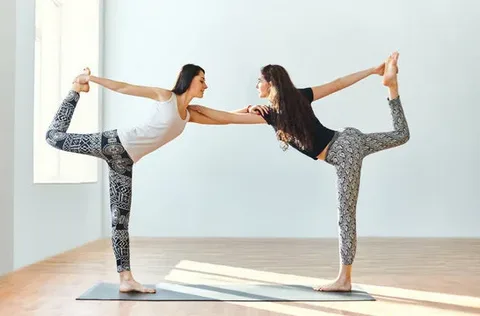
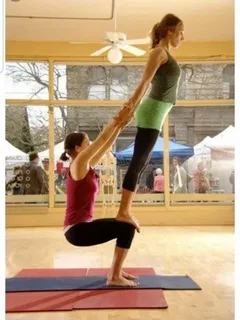
Two-person yoga poses are yoga postures performed by two individuals working together. Also known as partner yoga, these poses combine stretching, balance, and controlled breathing while using each other for support. Unlike traditional yoga, yoga with a partner encourages teamwork and helps both people improve alignment and stability.
Many yoga poses for two people are beginner-friendly because your partner can provide assistance during stretches and balancing movements. Whether you are trying yoga poses for two with a friend or enjoying couples yoga at home, these exercises make yoga more interactive and enjoyable.
Benefits of Two-Person Yoga Poses
- Improve flexibility safely
- Increase balance and coordination
- Strengthen the core and upper body
- Build trust and communication
- Reduce stress together
- Make workouts more enjoyable
- Improve posture and mobility
Table: Solo Yoga vs Partner Yoga
| Feature | Solo Yoga | Partner Yoga |
| Balance Support | Limited | Assisted by partner |
| Motivation | Self-driven | Shared motivation |
| Flexibility | Individual progress | Assisted stretching |
| Communication | Not required | Essential |
| Fun Factor | Moderate | High |
| Suitable for Beginners | Yes | Yes |
Benefits of Partner Yoga for Beginners
Beginner partner yoga offers much more than physical exercise. Practicing partner yoga for beginners encourages teamwork while helping both partners improve strength, posture, and flexibility. Many easy partner yoga poses are designed to increase confidence before moving to more advanced poses.
Builds Trust
Supporting each other’s body weight teaches communication and creates mutual confidence.
Improves Posture
Many partner yoga poses naturally lengthen the spine, helping reduce poor posture caused by prolonged sitting.
Enhances Balance and Flexibility
Balance and flexibility yoga exercises become easier when your partner provides support during challenging stretches.
Develops Functional Strength
Many poses improve muscle endurance through bodyweight resistance. Partner fitness yoga strengthens the arms, shoulders, legs, and core simultaneously.
Makes Exercise More Enjoyable
Practicing with someone else keeps motivation high and encourages consistency.
Main Benefits at a Glance
| Benefit | How Partner Yoga Helps |
| Flexibility | Assisted stretching improves range of motion |
| Strength | Builds core and upper-body muscles |
| Balance | Improves stability through shared support |
| Communication | Encourages teamwork and coordination |
| Stress Relief | Promotes relaxation and mindfulness |
Safety Tips Before Practicing Two-Person Yoga Poses
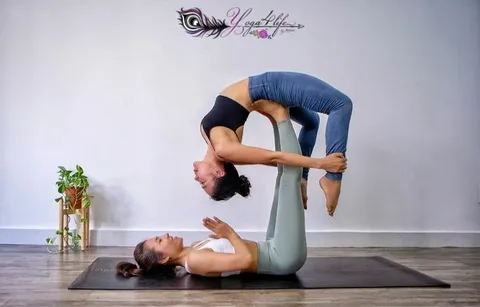
Safety should always come first when practicing partner stretching exercises. Even simple yoga partner stretches require communication and controlled movements.
Warm Up First
Spend 5-10 minutes warming up your shoulders, hips, hamstrings, and back before attempting partner poses.
Good warm-up ideas include:
- Neck rolls
- Shoulder circles
- Cat-Cow Stretch
- Gentle forward folds
- Hip circles
Communicate Clearly
Tell your partner immediately if a stretch feels uncomfortable. Never force a movement beyond your natural flexibility.
Focus on Proper Breathing
Inhale while lengthening your spine and exhale while deepening each stretch. Slow breathing helps relax muscles and improve flexibility.
Use a Stable Surface
Practice on a non-slip yoga mat with enough space around you to move safely.
Move Slowly
Avoid sudden movements when practicing yoga with a partner. Slow transitions help maintain balance and reduce injury risk.
Respect Your Limits
Everyone has different flexibility levels. Progress gradually instead of trying advanced poses on your first day.
Beginner Safety Checklist
- Warm up before every session
- Wear comfortable clothing
- Communicate throughout each pose
- Keep breathing steadily
- Stop if you feel pain
- Practice on a flat surface
- Stay hydrated
Conclusion
Practicing two-person yoga poses is an enjoyable way to improve your physical and mental well-being while spending quality time with someone you trust. Whether you’re exploring partner yoga poses for the first time or building a regular beginner partner yoga routine, these exercises can help increase flexibility, strengthen your core, improve balance, and enhance communication. From simple stretches like back-to-back twists to more challenging poses such as double plank pose, each movement offers unique benefits for both partners. Start with easy yoga poses for two people, focus on proper breathing and alignment, and progress at your own pace. With regular practice, yoga with a partner can become a rewarding habit that supports better fitness, relaxation, and overall health. Stay consistent, prioritize safety, and enjoy every step of your partner’s yoga journey.
FAQs
What are the best two-person yoga poses for beginners?
The best two-person yoga poses for beginners include back-to-back twists, child’s pose partner stretch, double boat pose, down dog partner stretch, wide-leg forward bend, double plank pose, easy pose twist, and hero pose stretch. These poses are simple, safe, and help improve flexibility, balance, and strength.
Is it safe for beginners to do partner yoga at home?
Yes. Beginners can safely practice partner yoga at home by warming up first, communicating with their partner, using a non-slip yoga mat, moving slowly, and avoiding movements that cause pain or discomfort.
Which partner yoga poses improve flexibility the most?
Child’s Pose Partner Stretch, Downward Dog Partner Stretch, Wide-Leg Forward Bend, Hero Pose Stretch, and Back-to-Back Twists are among the best partner yoga poses for improving flexibility in the hips, hamstrings, shoulders, and spine.
How often should I practice yoga with a partner?
For the best results, practice partner yoga 2 to 4 times per week. Consistent sessions can improve flexibility, balance, core strength, posture, and overall body awareness while reducing the risk of injury.
What equipment is needed for two-person yoga poses?
Most two-person yoga poses require only a non-slip yoga mat and comfortable clothing. Beginners may also use yoga blocks, straps, or cushions for additional support and stability during certain stretches.