Introduction
The Downward Dog Pose, also known as Downward-Facing Dog Pose or Adho Mukha Svanasana, is one of the most recognized postures in modern yoga. Used in Hatha yoga, Vinyasa yoga, Ashtanga yoga, and Iyengar yoga, this classic inversion combines strength, flexibility, balance, and relaxation in a single movement.
Whether you practice yoga’s downward dog during sun salutations (Surya Namaskar A) or as part of a gentle stretching routine, this pose can help improve posture, support spinal health, reduce low back pain, and increase shoulder and hamstring mobility.
What Is Downward Dog Pose?
Understanding Adho Mukha Svanasana
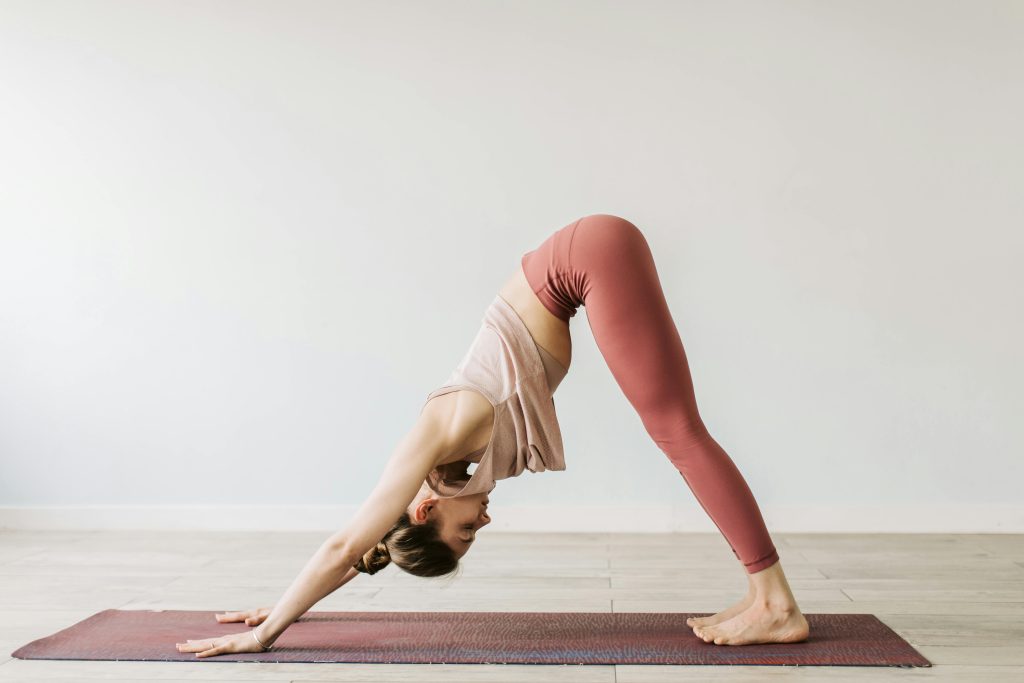
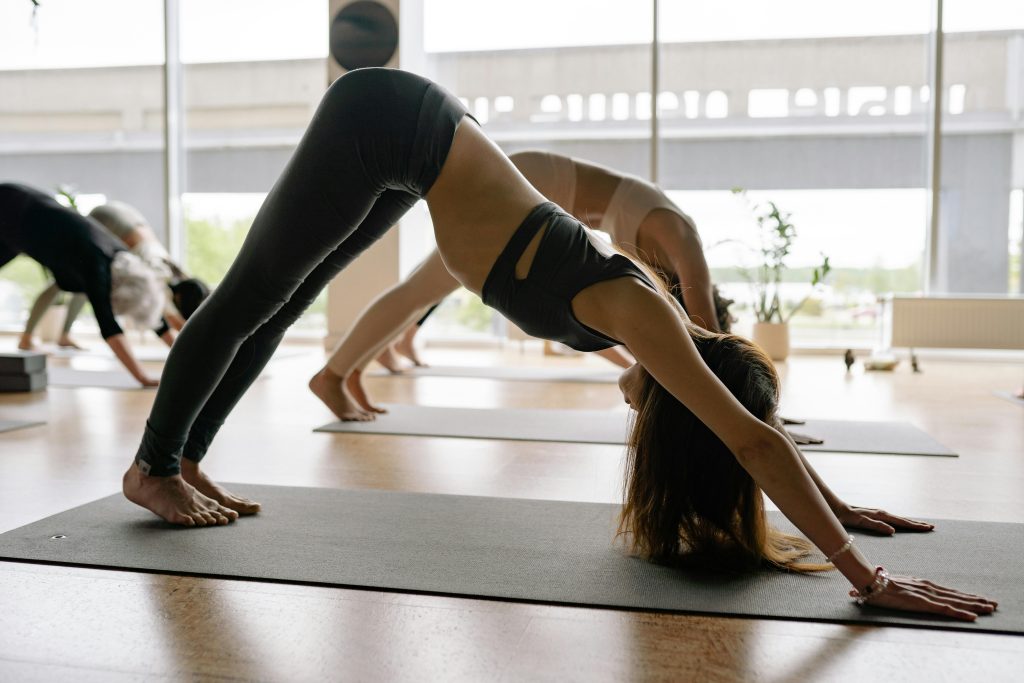
Adho Mukha Svanasana translates to “downward-facing dog posture” in Sanskrit. In this pose, the body forms an inverted “V” shape while the hands and feet press firmly into the mat.
Key Features of Downward-Facing Dog
- Full-body stretch
- Mild inversion pose
- Core and shoulder strengthening
- Spine lengthening
- Hip extension and hamstring flexibility
This foundational pose is widely used in:
- Hatha yoga
- Ashtanga yoga
- Vinyasa flow
- Iyengar yoga
- Dynamic yoga transitions
Why Downward Dog Is a Foundational Yoga Pose
Role in Yoga Practice and Mind-Body Balance
The downward dog yoga pose builds both stability and spaciousness in the body. It teaches proper alignment, mindful movement, and breath awareness while strengthening major muscle groups.
Benefits for Yoga Practice
| Benefit | How It Helps |
| Strength and flexibility | Builds muscular endurance while improving mobility |
| Mind-body balance | Encourages awareness and relaxation |
| Posture correction | Improves spinal alignment and shoulder positioning |
| Energy restoration | Increases circulation and reduces tension |
Anatomy of the Downward Dog Pose
Muscles Activated in Downward Dog
The Downward Dog Stretch activates multiple muscles simultaneously.
Primary Muscles Worked
- Hamstrings
- Quadriceps
- Calves
- Gastrocnemius
- Soleus
- Tibialis anterior
- Psoas muscle
- Erector spinae
- Quadratus lumborum
- Triceps
- Forearms
- Core muscles
- Shoulders
- Chest
- Arms
How Downward Dog Supports the Spine
This pose creates gentle decompression throughout the spine while strengthening the muscles that support posture.
Spinal Benefits
- Spine lengthening
- Support for the lumbar spine
- Reduced lower back tension
- Better spinal alignment
- Improved posture correction
The pose also helps release stiffness caused by prolonged sitting or poor posture.
Top Downward-Dog Pose Benefits
Downward Dog for Back Pain Relief
One of the biggest downward dog pose benefits is relief from muscular tightness in the lower back.
How It Helps Back Pain
- Lengthens the spine
- Relieves lumbar compression
- Strengthens postural muscles
- Releases tension in the hips and hamstrings
- Supports low back pain management
Improve Posture and Spinal Alignment
Poor posture often results from weak shoulders, tight hips, and limited spinal mobility. Practicing Downward Dog Yoga regularly may help improve overall body alignment.
Posture Benefits
- Opens the chest
- Strengthens shoulders
- Aligns the pelvis
- Activates the core
- Improves shoulder mobility
Increase Flexibility and Mobility
The pose stretches several major muscle groups at once.
Flexibility Benefits
- Deep hamstring stretch
- Improved hip mobility
- Better calf flexibility
- Increased shoulder mobility
- Relief for stiff shoulders
This makes it highly effective for people searching for the following:
- Yoga for tight hamstrings
- Yoga for stiff shoulders
- Yoga poses for flexibility
- Best yoga stretches
Build Strength and Joint Stability
The downward dog exercise is also a strength-building posture.
Strength Benefits
- Core strengthening
- Upper-body stability
- Arm endurance
- Joint stability
- Shoulder engagement
Improve Circulation and Relaxation
Because it is a gentle inversion pose, Downward Facing Dog encourages healthy blood flow and nervous system relaxation.
Wellness Benefits
- Improve circulation
- Heartbeat regulation
- Mental clarity
- Stress reduction
- Restorative yoga support
How to Do Downward Dog Correctly
Step-by-Step Downward Dog Pose Tutorial
Follow These Steps
- Start in a hands-and-knees position.
- Spread the fingers and press through the knuckles.
- Lift the hips upward.
- Lengthen the spine.
- Reach heels toward the mat.
- Engage the shoulders and core.
- Keep the neck relaxed.
Proper Alignment Tips
Safe Yoga Alignment Checklist
- Keep shoulders away from ears
- Avoid collapsing into wrists
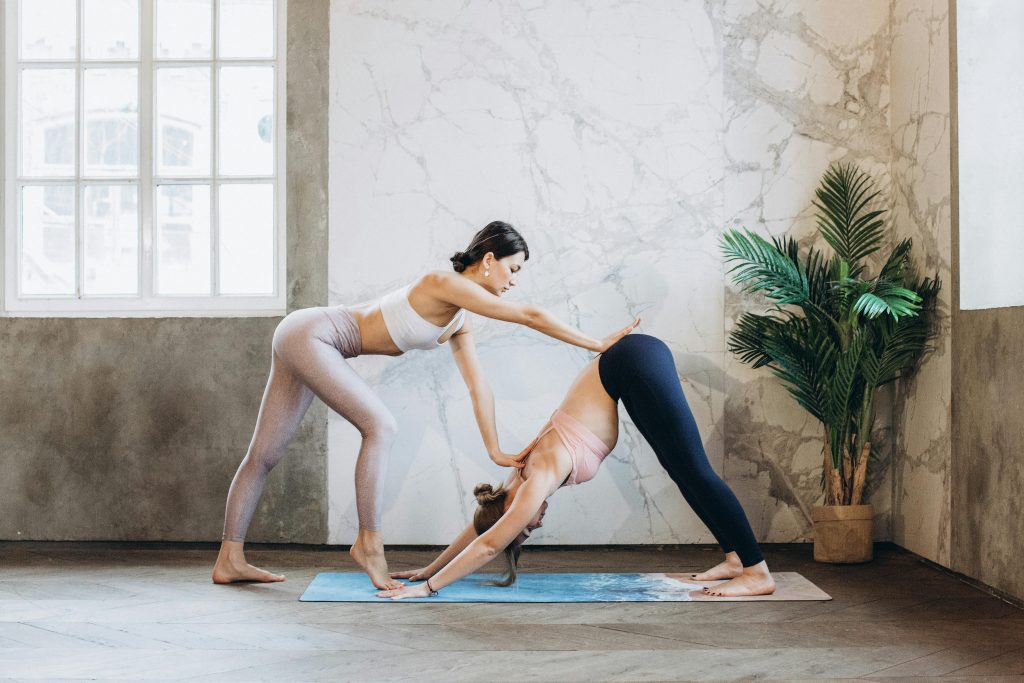
- Maintain soft knees if hamstrings are tight
- Keep elbows engaged but not locked
- Balance body weight evenly
Breath Awareness in Downward Dog
Breathing correctly improves stability and relaxation.
Breathing Tips
- Exhale and lift the hips
- Maintain steady breathing
- Relax facial muscles
- Focus on mindful movement
Common Downward Dog Mistakes to Avoid
Rounded Spine and Tight Hamstrings
Beginners often prioritize straight legs over spinal alignment.
Solution
- Practice Bent-Knee Downward Dog
- Focus on spine lengthening first
Excess Pressure on Wrists and Shoulders
Improper hand placement may strain the wrists.
Solution
- Press through fingertips and knuckles
- Engage forearms and triceps
- Activate shoulder blades
Incorrect Heel and Pelvis Position
Forcing the heels down may tilt the pelvis incorrectly.
Solution
- Keep knees slightly bent
- Prioritize pelvic alignment
Best Downward Dog Modifications for Beginners
Bent-Knee Downward Dog
This variation reduces strain on the lower back and hamstrings while improving proper alignment.
Using Yoga Blocks and Props
Yoga blocks help reduce wrist pressure and improve accessibility.
Beginner Yoga Tips
- Practice consistently
- Focus on safe yoga alignment
- Progress gradually
- Combine strength and flexibility training
Downward Dog Variations to Explore
Three-Legged Downward Dog
Eka Pada Adho Mukha Svanasana improves hip mobility, balance, and core activation.
Restorative Downward Dog Pose
A gentler version that supports relaxation and recovery.
Advanced Yoga Transitions
Common Transitions
- Plank Pose
- Upward-Facing Dog Pose (Urdhva Mukha Svanasana)
- Wheel Pose (Urdhva Dhanurasana)
Yoga Poses Similar to Downward Dog
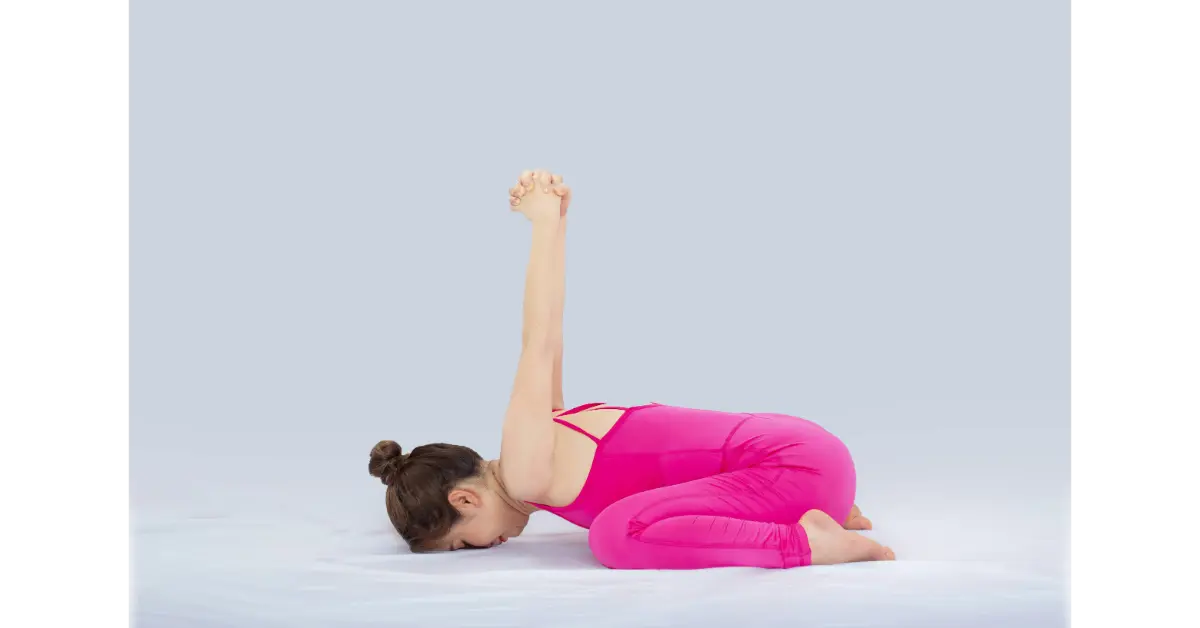
Child’s Pose (Balasana)
A restorative posture that gently stretches the spine and hips.
Cat Pose and Cow Pose
Excellent warm-up poses for spinal mobility and posture improvement.
Puppy Pose
Targets shoulder flexibility and chest opening.
Uttanasana (Standing Forward Bend)
Provides a deep hamstring and spine stretch.
One-Legged King Pigeon Pose
Eka Pada Rajakapotasana improves hip flexibility and lower-body mobility.
Downward Dog in Sun Salutations and Yoga Flow
Downward Dog in Surya Namaskar A
The pose is a core part of sun salutations and traditional yoga sequencing.
Role in Vinyasa Flow
It connects poses smoothly while building endurance, strength, and breath awareness.
Expert Insights on Downward Dog Pose
Yoga Anatomy and Alignment Guidance
Well-known yoga educators like Natasha Rizopoulos, Annie Carpenter, and Ray Long emphasize spinal alignment, shoulder stability, and mindful movement in Downward Dog practice.
Educational resources from Yoga Journal also highlight the importance of proper alignment and modifications for beginners.
Best Tips to Master Downward Dog Pose
Best Downward Dog Pose Tips
- Focus on alignment before flexibility
- Build core strength gradually
- Practice consistently
- Avoid forcing heels downward
- Improve shoulder engagement
How to Improve Downward Dog
- Practice mobility drills
- Stretch the calves and hamstrings
- Strengthen wrists and shoulders
- Use yoga modifications when needed
Safety Tips and Precautions
Who Should Modify or Avoid Downward Dog?
People with the following conditions should practice carefully:
- Wrist pain
- Shoulder injuries
- Severe low back pain
- High sensitivity in the neck or elbows
Safe Downward Dog Pose Practices
- Warm up properly
- Use props if needed
- Maintain breath awareness
- Practice gradual progression
Conclusion
The Downward Dog Pose is one of the most effective yoga postures for improving posture, mobility, flexibility, and spinal health. From hamstring stretching and shoulder mobility to core strengthening and low back pain relief, this pose delivers full-body benefits for beginners and advanced practitioners alike.
With proper alignment, mindful breathing, and consistent practice, Adho Mukha Svanasana can become a powerful tool for strength, relaxation, and long-term wellness.
FAQs
What are the benefits of the Downward Dog Pose?
Downward Dog improves posture, flexibility, circulation, spinal alignment, and core strength.
Is Downward Dog good for back pain?
Yes, it may help reduce muscular tension and improve spinal decompression.
How long should beginners hold downward dog?
Beginners can hold the pose for 20–30 seconds while focusing on alignment and breathing.
Why can’t I keep my heels on the mat?
Tight hamstrings, calves, and ankles commonly limit heel contact.
Does Downward Dog improve posture?
Yes, it strengthens the shoulders, spine, and core muscles that support posture.
What muscles are stretched in Adho Mukha Svanasana?
The pose stretches the hamstrings, calves, shoulders, chest, and spine.
What are the best Downward Dog modifications for beginners?
Bent-knee variations, yoga blocks, and shorter holds are ideal for beginners.
Can Downward Dog help with flexibility training?
Yes, regular practice improves flexibility in the hips, hamstrings, shoulders, and calves.
Is Downward Dog included in Sun Salutations?
Yes, it is commonly practiced in Surya Namaskar A and Vinyasa yoga sequences.
How can I improve my Downward Dog alignment?
Focus on spine lengthening, shoulder engagement, core activation, and even weight distribution.