Positions
Butterfly swimming is one of the most challenging yet rewarding swimming strokes. A strong butterfly body position helps swimmers move through the water with less swimming resistance, better stroke rhythm, and improved swimming efficiency.
Many beginner butterfly-position swimmers struggle with body alignment in water, breathing timing, and arm recovery. Learning the proper butterfly swimming position can reduce swimming drag, improve swimming speed, and make the stroke feel smoother and less exhausting.
This guide explains butterfly swim mechanics, butterfly breathing patterns, butterfly undulation, and butterfly kick technique in a beginner-friendly way.
What Is the Proper Butterfly Body Position?
Understanding Butterfly Body Position
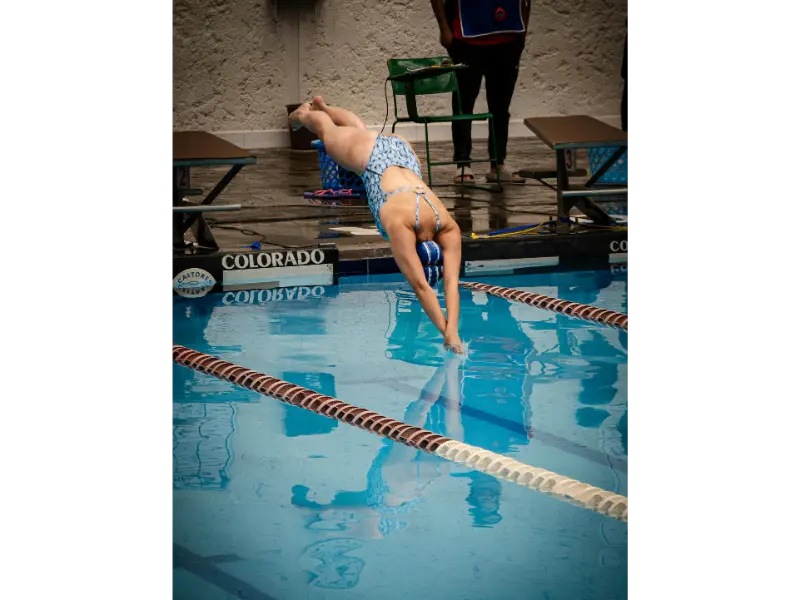
The butterfly body position refers to how the body stays aligned while performing the butterfly stroke. A proper butterfly body position keeps the hips high, the chest balanced, and the head aligned with the spine.
The goal is to maintain streamlined butterfly positions without excessive up-and-down movement. A good butterfly stroke body position allows swimmers to generate power while reducing water resistance.
Key Features of Proper Butterfly Body Position
- Neutral head position
- High hips near the water surface
- Controlled dolphin motion
- Smooth upper body movement
- Stable lower body alignment
Beginner butterfly swimming becomes easier when swimmers focus on balance rather than force.
Importance of Body Alignment in Water
Butterfly alignment directly affects swimming efficiency. Poor butterfly posture causes the hips to sink, increasing swimming drag and slowing the swimmer down.
Maintaining proper body alignment in water helps swimmers:
- Reduce water resistance
- Improve butterfly stroke efficiency
- Maintain smoother stroke timing
- Increase swimming speed
- Improve breathing control
Common Alignment Problems
| Problem | Effect on Swimming |
| Low hips | Increased drag |
| Excessive chest press in butterfly | Poor balance |
| Overlifting the head | Disrupted stroke rhythm |
| Weak torso stability | Loss of power |
The hip position in the butterfly should remain close to the surface while the torso stays stable.
Butterfly Swim Mechanics and Stroke Mechanics
Butterfly swim mechanics involve coordination between the pull phase, recovery phase, breathing, and kick timing.
Good butterfly stroke mechanics rely on the following:
- Smooth overwater arm recovery
- Controlled shoulder movement
- Proper stroke timing
- Efficient pull phase
- Balanced recovery phase
Competitive swimming technique focuses on maximizing power while minimizing resistance.
The Role of Butterfly Undulation in Swimming
What Is Butterfly Undulation?
Butterfly undulation is the wave-like dolphin motion used during butterfly swimming. This up-and-down movement helps swimmers recover their arms and maintain momentum.
The butterfly undulation technique begins from the chest and travels through the hips and legs. Excessive undulation creates swimming resistance, while controlled movement improves efficiency.
Benefits of Proper Butterfly Undulation
- Better body flow
- Improved butterfly alignment
- Easier arm recovery
- Increased swimming speed
- Reduced energy loss
How Undulation Improves Butterfly Swimming
Proper undulation improves stroke rhythm and timing. The movement supports the pull phase and helps the swimmer maintain balance during breathing.
A smooth dolphin motion also:
- Supports efficient butterfly breathing
- Reduces fatigue
- Improves swimming efficiency
- Helps maintain body alignment in water
The recovery phase should feel smooth rather than forced.
How to Reduce Drag in Butterfly
Reducing swimming drag is essential for faster butterfly swimming. Many swimmers create unnecessary water resistance by lifting too high or pressing too deep into the water.
Tips to Reduce Drag in Butterfly
- Keep hips high
- Avoid excessive chest press in the butterfly
- Maintain a streamlined butterfly position
- Use controlled undulation
- Improve butterfly stroke resistance reduction through timing
Small adjustments in butterfly posture can significantly improve speed.
Butterfly Arm Recovery Technique for Better Speed
Understanding Butterfly Arm Recovery
Butterfly arm recovery is the motion of bringing both arms over the water after each pull. Efficient overwater arm recovery reduces strain and supports smooth movement.
Proper shoulder movement and range of motion are important for relaxed recovery.
Butterfly Arm Recovery Technique Tips
The butterfly arm recovery technique should feel relaxed and controlled.
Important Tips
- Keep arms loose during recovery
- Avoid swinging arms too high
- Recover arms evenly
- Coordinate recovery with breathing
Proper butterfly stroke timing improves recovery efficiency and overall rhythm.
Common Butterfly Arm Recovery Mistakes
Recovering Arms Too Low
Low arm recovery increases water resistance and disrupts momentum.
Recovering Arms Too High
Overlifting the arms wastes energy and affects butterfly alignment.
Common Butterfly Body Position Mistakes
- Poor timing
- Sinking hips
- Excessive upper body movement
- Incorrect breathing rhythm
Correcting these mistakes improves butterfly stroke efficiency.
Butterfly Breathing Techniques Explained
Proper Butterfly Breathing for Beginners
Butterfly breathing should be quick, low, and well-timed. Proper breathing in the butterfly stroke helps swimmers maintain rhythm without disrupting alignment.
Butterfly Breathing Basics
- Lift the chin slightly
- Keep eyes forward and down
- Return the head quickly
- Breathe during the pull phase
Forward breathing is the most common technique among butterfly swimmers.
Best Butterfly Breathing Patterns
Butterfly breathing patterns depend on race, distance, and skill level.
| Race Type | Breathing Pattern |
| Sprint events | Every 2–3 strokes |
| Middle distance | Every other stroke |
| Endurance swimming | Every stroke is needed |
Correct butterfly breathing timing improves oxygen intake while maintaining speed.
Butterfly Side Breathing Technique
Side breathing helps some swimmers reduce excessive head lift.
Benefits of Butterfly Side Breathing
- Lower head position
- Better balance
- Reduced neck strain
However, the butterfly-side breathing technique still requires strong body alignment.
How Often Should You Breathe in a Butterfly?
Breathing frequency depends on conditioning and race strategy.
The butterfly sprint technique usually involves fewer breaths to maintain speed, while butterfly endurance training requires more regular breathing to supply oxygen.
The best butterfly breathing pattern is the one that balances oxygen and swimming efficiency.
Butterfly Kick Technique and Timing
Butterfly Kick Technique Basics
The butterfly kick technique uses a dolphin kick generated from the hips rather than the knees.
Proper Kick Mechanics
- Keep legs together
- Use hip-driven movement
- Maintain flexible ankles
- Create smooth dolphin motion
Efficient kicking improves propulsion and body control.
Stroke Timing and Kick Synchronization
Butterfly stroke timing connects the kick, pull phase, and recovery phase into one fluid movement.
Basic Timing Pattern
- First kick during hand entry
- Second kick during the pull phase
- Smooth recovery phase transition
Improving stroke rhythm helps swimmers move more efficiently.
How to Swim Butterfly Faster
To swim the butterfly efficiently,
- Reduce swimming resistance
- Improve breathing timing
- Maintain better body alignment
- Use stronger kick timing
- Develop smoother recovery
These adjustments improve butterfly swimming efficiency and speed.
Core Strength and Butterfly Body Control
Importance of Core Muscles in Butterfly Swimming
Core muscles stabilize the body during butterfly swimming. Strong abdominals and erector spinae muscles support torso stability and alignment.
Benefits of Core Strength
- Better butterfly posture
- Improved body control
- Reduced fatigue
- Stronger dolphin motion
Dryland Exercises for Butterfly Swimmers
Butterfly dryland exercises improve mobility, strength, and range of motion.
Effective Swim Training Exercises
- Planks
- Superman holds
- Medicine ball twists
- Resistance band shoulder drills
- Hip mobility exercises
Dryland work supports better butterfly stroke mechanics.
Butterfly Swimming Drills and Training Sets
Butterfly Swimming Drills for Beginners
Butterfly swimming drills help swimmers improve timing and body position.
Butterfly Technique Drills
- Single-arm butterfly
- Body dolphin drill
- Kickboard dolphin kicks
- 3-3-3 drill
These butterfly stroke drills for body position improve coordination and alignment.
Butterfly Swimming Sets for Endurance and Speed
Beginner Butterfly Swimming Sets
| Set | Purpose |
| 8×25 butterfly | Technique |
| 4×50 butterfly drill/swim | Coordination |
| 6×50 dolphin kick | Endurance |
Butterfly stroke training should focus on both speed and technique.
Swim Coaching Tips for Better Butterfly
Swim coaching helps swimmers identify technique flaws early.
Helpful Coaching Advice
- Focus on timing before power
- Keep breathing low
- Maintain high hips
- Avoid excessive undulation
Many competitive swimmers use USMS swimming tips for technical improvement.
Common Butterfly Position Mistakes and Fixes
Why Is Butterfly Swimming Difficult?
Butterfly swimming requires coordination, strength, timing, and breathing control. Many swimmers struggle because all body movements must work together.
Common Butterfly Body Position Mistakes
Common Problems
- Poor hip position in the butterfly
- Excessive chest press in butterfly
- Incorrect upper body movement
- Late breathing timing
- Weak torso stability
These issues increase swimming drag and reduce efficiency.
How to Improve Butterfly Body Position
Butterfly Swimming Alignment Tips
- Keep the head neutral
- Strengthen core muscles
- Practice timing drills
- Maintain relaxed recovery
- Focus on smooth undulation
Learning how to improve butterfly body position takes consistent swimming training.
Advanced Butterfly Technique for Competitive Swimmers
Competitive Butterfly Swimming Tips
Advanced butterfly technique focuses on precision and efficiency.
Butterfly Race Strategy
- Control breathing
- Maintain rhythm under fatigue
- Reduce unnecessary movement
- Improve stroke mechanics
Competitive butterfly swimming requires endurance and technical consistency.
Training for Faster Butterfly Performance
Effective swimming training plans include:
- Sprint sets
- Endurance sets
- Butterfly swimming drills
- Stroke-specific conditioning
- Dryland strength work
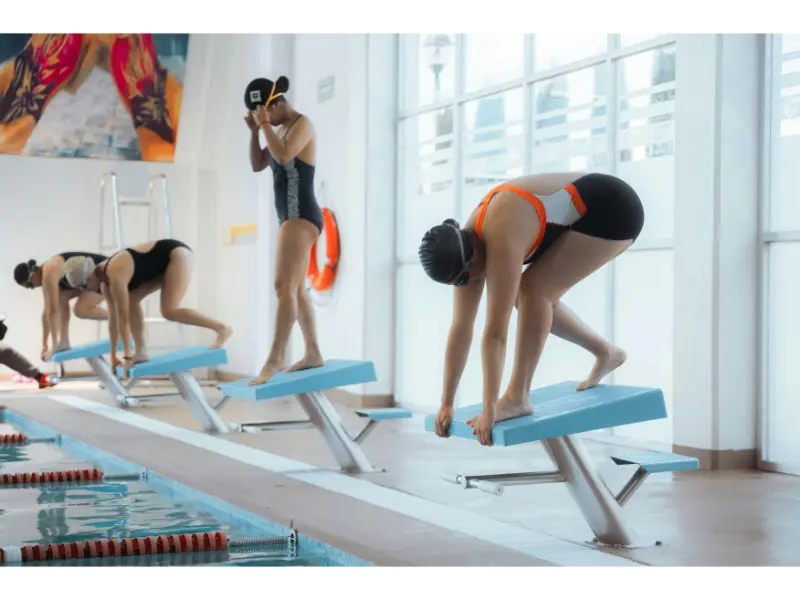
Building efficient butterfly mechanics leads to faster performance.
Conclusion
Mastering butterfly positions in swimming takes patience, timing, and technical practice. A strong butterfly body position improves swimming efficiency, reduces swimming resistance, and supports better speed.
Focus on butterfly alignment, controlled undulation, proper butterfly breathing, and smooth arm recovery. Combining drills, swim coaching, and dryland exercises will help beginner butterfly swimmers develop stronger butterfly stroke mechanics over time.
Consistent practice is the key to improving butterfly swimming technique and becoming a more confident swimmer.
FAQs
Why is butterfly swimming difficult?
Butterfly swimming is difficult because it requires full-body coordination, precise timing, and strong breathing control.
How do you breathe in a butterfly?
Breathe by lifting the chin slightly during the pull phase and returning the head quickly into alignment.
What is undulation in a butterfly?
Undulation is the wave-like dolphin motion that helps create momentum and supports arm recovery.
How often should you breathe in, butterfly?
Most swimmers breathe every other stroke, but breathing patterns vary based on race, distance, and conditioning.
Why do hips sink in butterfly?
Hips sink because of poor body alignment, weak core muscles, or lifting the head too high during breathing.
How do you reduce resistance in a butterfly?
Maintain high hips, streamline the body, control undulation, and avoid excessive upper body lift.
What are common butterfly mistakes?
Common mistakes include poor timing, excessive chest movement, low hips, and incorrect breathing rhythm.
Is side breathing good in the butterfly stroke?
Butterfly-side breathing can help some swimmers maintain a lower head position and improve timing.
How do you improve butterfly efficiency?
Improve efficiency through better timing, controlled breathing, proper alignment, and consistent drills.
How do you maintain body position in the butterfly?
Maintain body position by keeping the core engaged, hips high, and movements smooth and controlled.