Beginning yoga is one of the best ways to improve your physical and mental well-being. Whether you want to become more flexible, build strength, reduce stress, or simply move your body more often, beginner yoga provides a safe and accessible starting point.
Unlike advanced yoga styles that require greater flexibility or balance, yoga for beginners focuses on learning basic movements, proper breathing, and correct body alignment. With regular practice, you’ll gain confidence while developing healthy habits that support long-term wellness.
This beginner yoga guide explains everything you need to know, including benefits, essential poses, equipment, safety tips, and a simple routine to help you get started.
What Is Beginner Yoga?
Beginner yoga is an introduction to yoga designed specifically for people with little or no previous experience. The practice emphasizes simple movements, controlled breathing, and mindful awareness rather than difficult poses.
A typical beginner session includes:
- Gentle warm-up exercises
- Basic standing poses
- Easy seated stretches
- Balance practice
- Relaxation and breathing exercises
The goal isn’t perfection; it’s learning to move safely while improving strength, flexibility, balance, and overall health.
Why Should Beginners Practice Yoga?
Starting yoga offers benefits that extend beyond physical fitness. A consistent beginner yoga practice can improve both your body and mind.
Physical Benefits
| Benefit | How It Helps |
| Improved flexibility | Gradually loosens tight muscles |
| Better posture | Encourages proper spinal alignment |
| Increased strength | Builds core, legs, arms, and back |
| Better balance | Improves stability and coordination |
| Enhanced mobility | Makes everyday movements easier |
Mental Benefits
- Reduces everyday stress
- Encourages mindfulness
- Improves concentration
- Supports better sleep
- Promotes emotional balance
- Increases self-confidence
Who Can Practice Beginner Yoga?
Yoga’s accessibility is one of its biggest benefits.
Beginner-friendly yoga is suitable for:
- Complete beginners
- Students
- Office workers
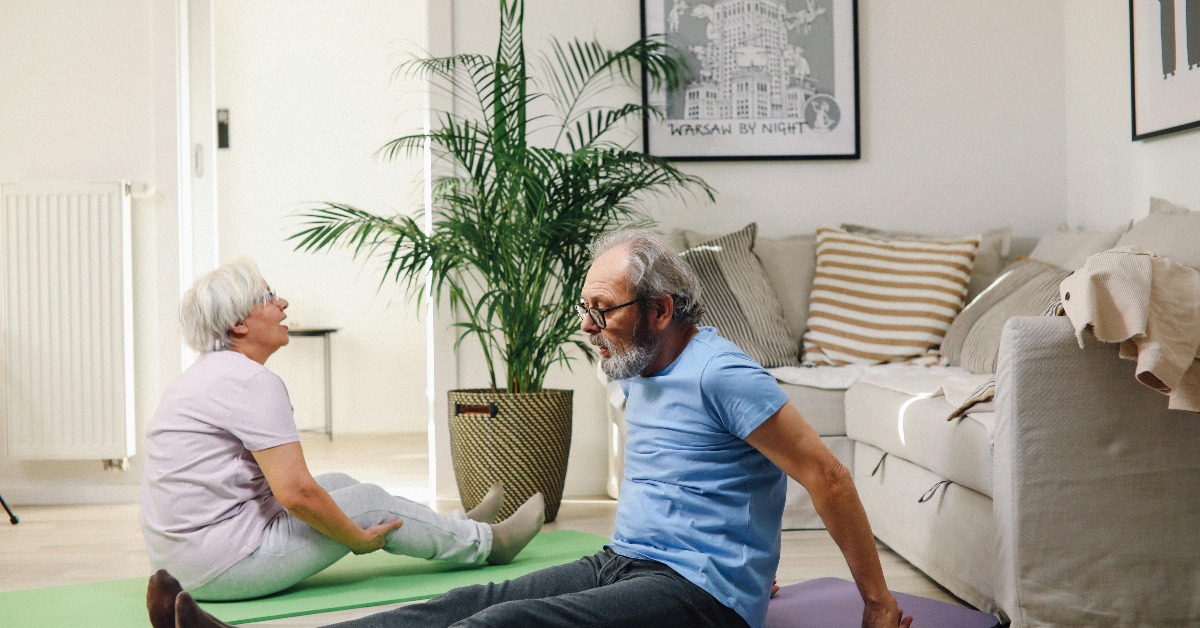
- Seniors (with modifications)
- People returning to exercise
- Individuals looking for low-impact workouts
To start, you don’t have to be athletic, flexible, or experienced. Yoga meets you where you are and progresses at your own pace.
What Do You Need Before Starting Beginner Yoga?
You don’t need expensive equipment to begin.
Essential Items
| Item | Purpose |
| Yoga mat | Provides comfort and grip |
| Comfortable clothing | Allows free movement |
| Water bottle | Keeps you hydrated |
| Small towel | Useful during longer sessions |
Optional Accessories
- Yoga blocks
- Yoga strap
- Cushion or folded blanket
- Bolster for additional support
These accessories can make beginner yoga exercises more comfortable but are not required.
How to Start Beginner Yoga Safely
If you’re wondering how to start beginner yoga, follow these simple steps.
1. Start Slowly
Practice for just 10–20 minutes during your first few weeks.
Consistency is much more important than long sessions.
2. Focus on Breathing
Your breathing should remain slow and controlled throughout every pose.
Never hold your breath unless specifically instructed.
3. Listen to Your Body
Yoga should create gentle stretching, not pain.
Stop immediately if you experience:
- Sharp pain
- Dizziness
- Tingling sensations
- Joint discomfort
4. Practice Consistently
Aim for:
- 3–5 sessions each week
- Gradually increase the duration
- Build confidence before attempting advanced poses
Small improvements each week produce lasting results.
Basic Yoga Principles Every Beginner Should Know
Before learning poses, understand these fundamental principles.
Proper Alignment
Correct alignment helps prevent injuries while maximizing each pose’s benefits.
Focus on:
- Neutral spine
- Relaxed shoulders
- Engaged core
- Even weight distribution
Controlled Breathing
Most yoga styles encourage breathing through the nose.
A simple breathing pattern:
- Inhale while lengthening
- Exhale while folding or twisting
Steady breathing helps improve focus and relaxation.
Move Mindfully
Avoid rushing between poses.
Instead:
- Move slowly
- Stay present
- Notice how your body feels
Mindful movement is one of the key differences between yoga and many traditional workouts.
Best Beginner Yoga Poses to Learn First
The following beginner yoga poses build a strong foundation for future practice.
| Pose | Main Benefit |
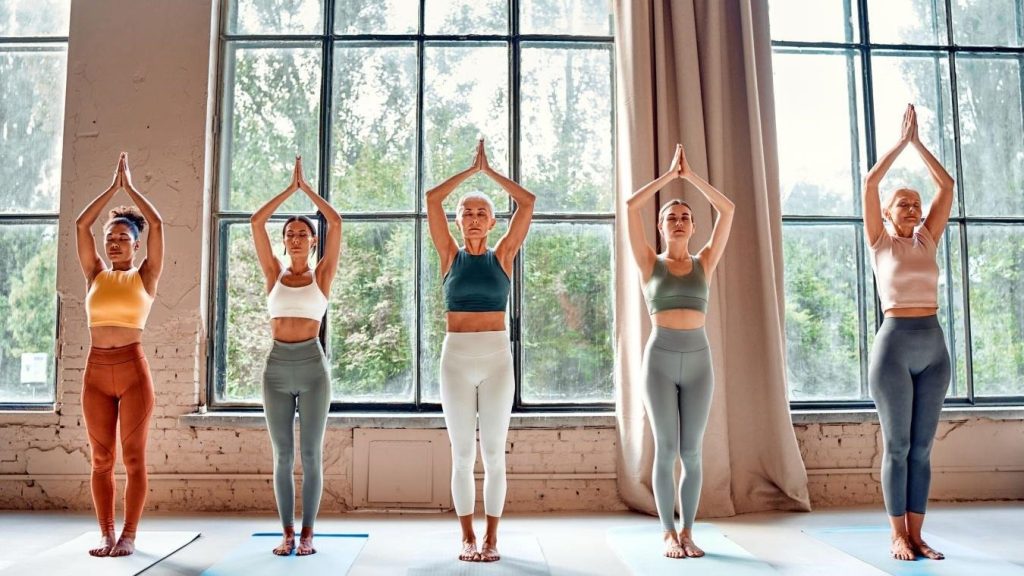
| Mountain Pose | Improves posture |
| Child’s Pose | Promotes relaxation |
| Cat-Cow Stretch | Increases spinal mobility |
| Downward-Facing Dog | Strengthens and stretches |
| Cobra Pose | Opens the chest |
| Tree Pose | Improves balance |
| Warrior II | Builds lower-body strength |
| Bridge Pose | Strengthens the back and hips |
| Seated Forward Fold | Improves flexibility |
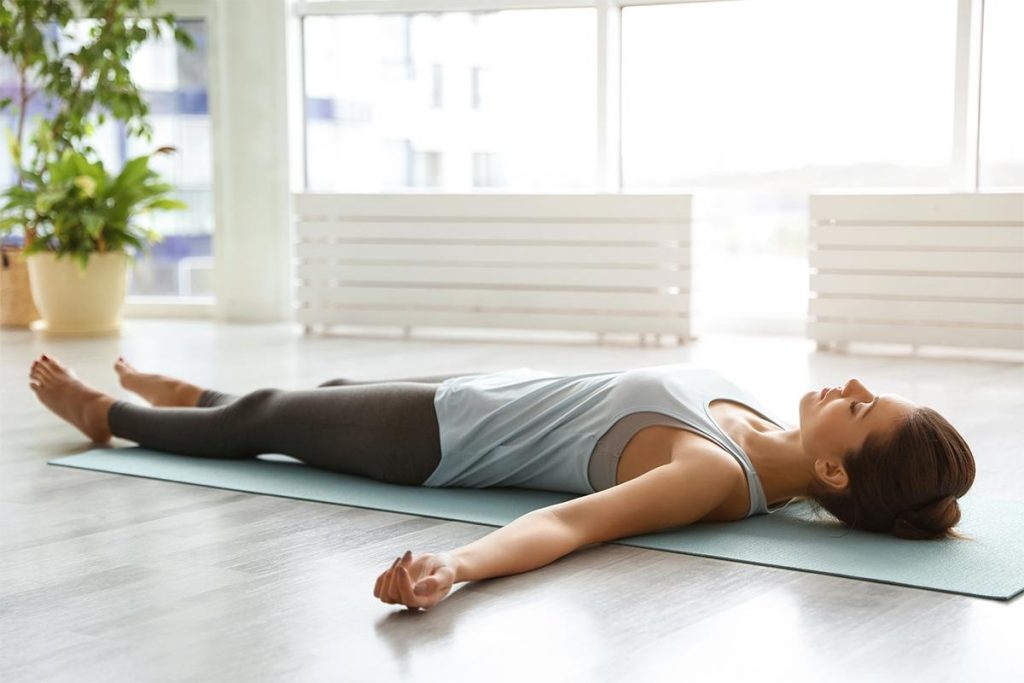
| Corpse Pose | Encourages deep relaxation |
These basic yoga poses are ideal for anyone starting their yoga journey.
Common Challenges for Beginners
It’s normal to face a few obstacles when beginning yoga.
Some of the most common include the following:
- Tight muscles
- Limited flexibility
- Difficulty balancing
- Feeling self-conscious
- Forgetting to breathe
- Comparing yourself to others
Remember that every experienced yogi was once a beginner. Progress comes with regular practice, not perfection.
Beginner Yoga Stretches to Improve Flexibility
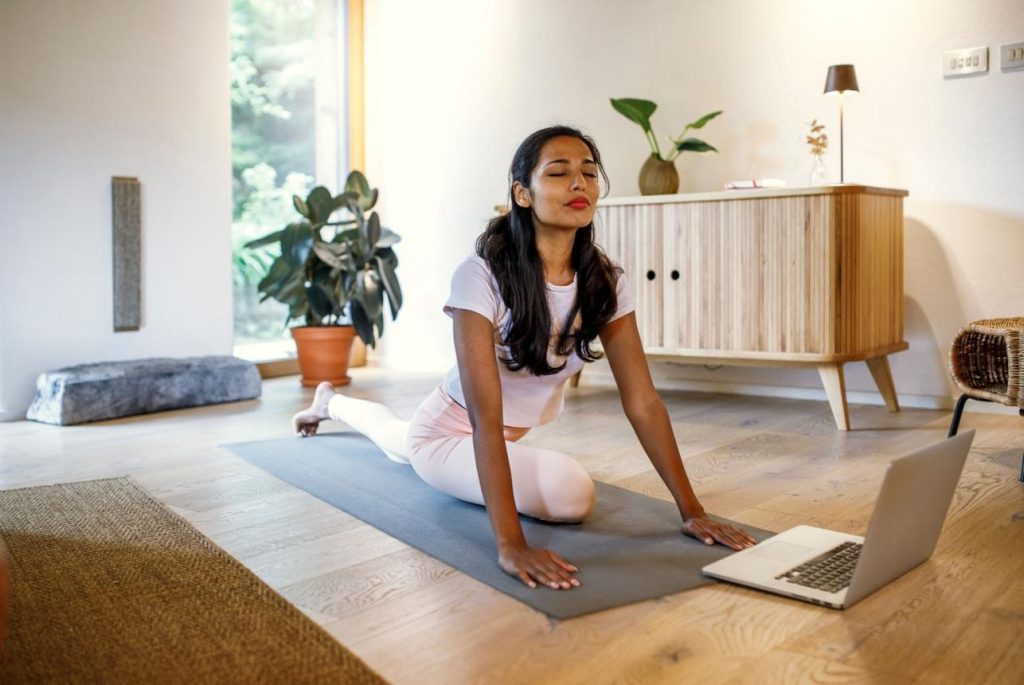
Adding gentle stretches to your beginner yoga practice helps increase flexibility, reduce muscle tightness, and prepare your body for more advanced poses. Move slowly and breathe deeply during each stretch.
| Stretch | Benefits | Hold Time |
| Child’s Pose | Relaxes the back and hips | 30–60 seconds |
| Cat-Cow Stretch | Improves spinal flexibility | 8–10 rounds |
| Seated Forward Fold | Stretches hamstrings | 30 seconds |
| Cobra Pose | Opens the chest and abdomen | 20–30 seconds |
| Downward-Facing Dog | Stretches the entire body | 30–45 seconds |
Practicing these beginner yoga stretches a few times each week can noticeably improve your mobility over time.
Beginner Yoga Routine (15-20 Minutes)
This simple beginner yoga routine is ideal for daily practice at home.
| Exercise | Duration |
| Deep Breathing | 2 minutes |
| Mountain Pose | 1 minute |
| Cat-Cow Stretch | 2 minutes |
| Child’s Pose | 1 minute |
| Downward-Facing Dog | 1 minute |
| Cobra Pose | 30 seconds |
| Warrior II | 30 seconds per side |
| Tree Pose | 30 seconds per side |
| Bridge Pose | 1 minute |
| Seated Forward Fold | 1 minute |
| Savasana (Relaxation) | 5 minutes |
This daily beginner yoga routine helps improve flexibility, posture, balance, and relaxation without overwhelming new practitioners.
Beginner Yoga Sequence
If you’re looking for a smooth flow, follow this beginner yoga sequence:
- Deep Breathing
- Mountain Pose
- Cat-Cow Stretch
- Downward-Facing Dog
- Cobra Pose
- Child’s Pose
- Warrior II
- Tree Pose
- Bridge Pose
- Seated Forward Fold
- Savasana
This sequence transitions naturally between poses and provides a balanced full-body workout.
Beginner Yoga at Home
Practicing beginner yoga at home is convenient and budget-friendly. To create a comfortable practice space:
- Choose a quiet, clutter-free area.
- Use a non-slip yoga mat.
- Wear comfortable clothing.
- Keep water nearby.
- Turn off distractions like phones or television.
- Practice at the same time each day to build consistency.
You don’t need a large room, just enough space to stretch your arms and legs comfortably.
Yoga Tips for Beginners
These yoga tips for beginners can help you enjoy a safer and more rewarding practice:
- Focus on proper form instead of flexibility.
- Breathe slowly throughout each pose.
- Warm up before starting.
- Practice regularly, even if only for 10–15 minutes.
- Stay hydrated before and after your session.
- Use yoga blocks or straps if needed.
- Rest whenever your body feels tired.
- Celebrate progress rather than striving for perfection.
Common Mistakes Beginners Should Avoid
Many beginners make similar mistakes during their first few weeks of yoga.
| Mistake | Better Approach |
| Holding your breath | Maintain slow, steady breathing |
| Forcing deep stretches | Stretch only to a comfortable level |
| Skipping warm-ups | Prepare your muscles with gentle movements |
| Comparing yourself to others | Focus on your personal progress |
| Practicing inconsistently | Aim for regular, shorter sessions |
| Ignoring pain | Stop immediately if a pose causes sharp pain |
Avoiding these habits will make your beginner yoga workout safer and more enjoyable.
How Often Should Beginners Practice Yoga?
Consistency is more important than duration.
A recommended schedule is:
| Experience | Weekly Goal |
| Week 1–2 | 3 sessions |
| Week 3–4 | 4 sessions |
| After 1 month | 4–5 sessions |
Even 15-20 minutes of yoga several times a week can lead to noticeable improvements in flexibility, strength, and mental well-being.
Conclusion
Beginner yoga is an excellent way to improve your physical health, reduce stress, and build a lifelong wellness habit. By learning basic yoga poses, practicing mindful breathing, and following a simple beginner yoga routine, you can safely develop strength, flexibility, balance, and confidence.
Remember that yoga is a personal journey. Progress doesn’t happen overnight, and every practice session is an opportunity to learn something new about your body and mind. Whether you’re practicing at home or attending your first yoga class for beginners, consistency and patience will help you enjoy lasting results.
FAQs
1. What is beginner yoga?
Beginner yoga is a gentle introduction to yoga that teaches basic poses, breathing techniques, and proper alignment for people with little or no experience.
2. How often should beginners practice yoga?
Most beginners benefit from practicing 3–5 times per week for 15–20 minutes, gradually increasing duration as they become more comfortable.
3. Can I do beginner yoga at home?
Yes. With a yoga mat, comfortable clothing, and enough space to move, you can safely practice beginner yoga at home using simple routines.
4. What are the best beginner yoga poses?
Mountain Pose, Child’s Pose, Cat-Cow Stretch, Downward-Facing Dog, Cobra Pose, Tree Pose, Warrior II, Bridge Pose, Seated Forward Fold, and Savasana are excellent starting poses.
5. Do I need to be flexible to start yoga?
No. Flexibility is not a requirement for yoga. Regular practice gradually improves flexibility, strength, and balance, making yoga suitable for complete beginners.