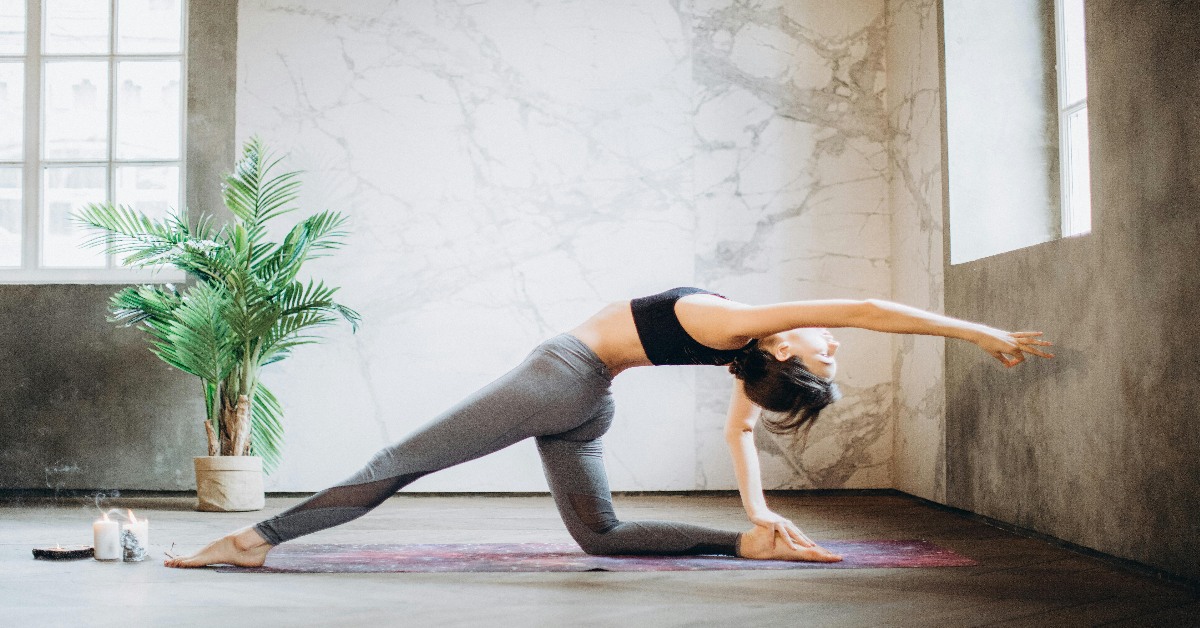
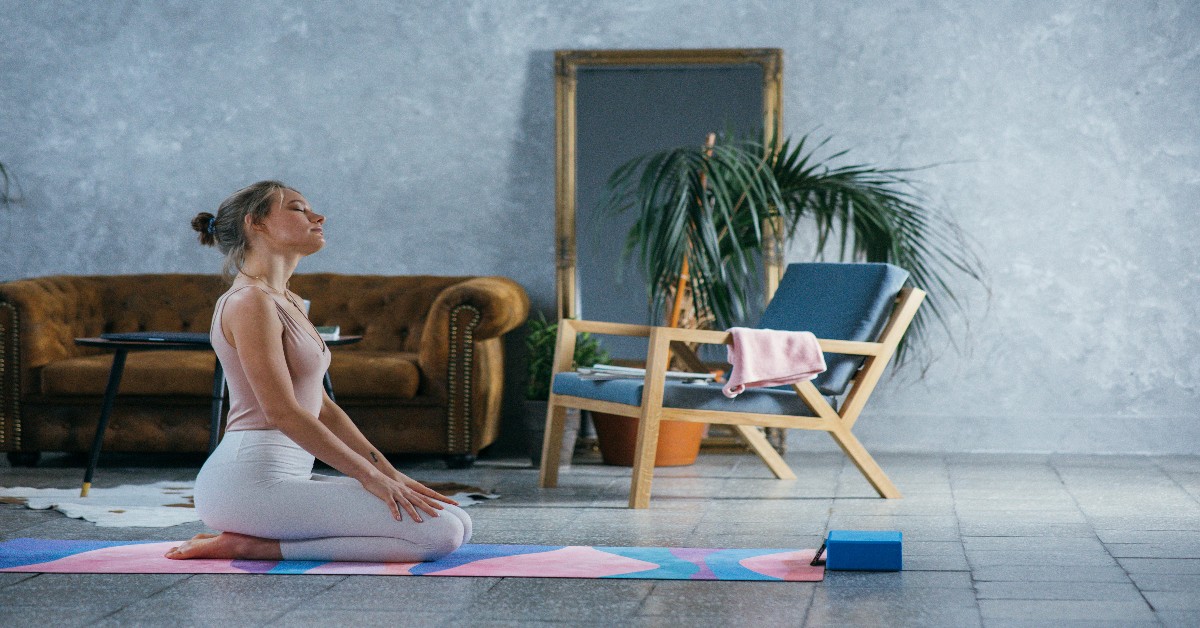
Ashtanga Yoga is a traditional yoga system that combines breath, movement, concentration, and discipline through a fixed sequence of yoga asanas. Known for its structured approach, the Ashtanga Yoga method develops strength, flexibility, mobility, mental focus, and body awareness.
Unlike many modern yoga styles, Ashtanga Yoga follows a specific progression of series and emphasizes consistency, self-practice, and mindful movement. Whether you are interested in Mysore Ashtanga Yoga, led classes, or understanding the history of Ashtanga Yoga, this guide covers everything you need to know.
What Is Ashtanga Yoga?
Understanding the Ashtanga Yoga Method
Ashtanga Yoga is a dynamic yoga practice rooted in Hatha yoga traditions. The Ashtanga yoga system consists of a predetermined series of poses connected by movement and breath.
Key characteristics include the following:
- Structured yoga practice
- Fixed yoga sequences
- Breath awareness
- Daily discipline
- Progressive learning
The practice is often considered the foundation of many modern Vinyasa yoga styles.
The Core Elements of Ashtanga Yoga
The traditional Ashtanga Yoga method is based on Tristana, which includes the following:
| Element | Meaning | Purpose |
| Vinyasa | Breath and movement | Creates flow and internal heat |
| Drishti | Gaze point | Improves concentration |
| Bandhas | Energy locks | Provides stability and control |
| Prana | Life-force energy | Enhances internal awareness |
Together, these elements create a complete mind-body practice.
Why Ashtanga Yoga Is Different
Unlike free-flow yoga classes, Ashtanga yoga follows a structured sequence that remains the same each day.
Benefits of this structure include:
- Consistent progress
- Better body awareness
- Improved concentration
- Long-term yoga development
- Strong yoga discipline
History of Ashtanga Yoga
The Origins of Ashtanga Yoga
The history of Ashtanga Yoga is closely linked to the teachings of Sri Krishnamacharya, often called the father of modern yoga.
His teachings influenced many modern yoga systems and emphasized the following:
- Traditional yoga practice
- Breath awareness
- Yoga philosophy
- Physical and mental discipline
Pattabhi Jois and Global Expansion
Pattabhi Jois developed and popularized the Ashtanga Yoga system through his yoga shala in Mysore.
His work introduced Ashtanga Yoga to students worldwide and helped establish it as one of the most recognized yoga traditions.
Sharath Jois and Saraswati Jois
The yoga lineage continues through:
- Sharath Jois
- Saraswati Jois
Both have played important roles in preserving traditional yoga teaching methods.
The Ashtanga Yoga System and Structure
How the Ashtanga Yoga System Works
The Ashtanga Yoga structure is based on:
- Set sequence yoga
- Progressive learning
- Consistent practice
- Teacher-guided advancement
Students gradually move through increasingly challenging series.
Why Fixed Sequences Matter
Repeating the same sequence allows practitioners to:
- Track progress
- Improve mobility
- Build physical strength
- Develop mental focus
- Create a sustainable yoga lifestyle
Ashtanga Yoga Sequence and Series Explained
Ashtanga Yoga Primary Series (Yoga Chikitsa)
The Ashtanga Primary Series is called Yoga Chikitsa, meaning “Yoga Therapy.”
Primary goals include:
- Supporting muscles and joints
- Improving digestion
- Building flexibility
- Developing strength
- Enhancing body health
Ashtanga Yoga Intermediate Series (Nadi Shodhana)
The name of the Intermediate Series is Nadi Shodhana, which translates as “Nerve Cleansing.”
Focus areas include:
- Parasympathetic nervous system
- Vital nerves
- Spinal axis health
- Deeper flexibility
- Increased mobility
Advanced Ashtanga Yoga Series (Sthira Bhaga)
The advanced levels are collectively known as Sthira Bhaga.
| Advanced Series | Description |
| Advanced A | Strength and balance |
| Advanced B | Deeper flexibility |
| Advanced C | Advanced control |
| Advanced D | Highest progression |
These series require exceptional physical ability and years of dedicated practice.
Yoga Series Progression
There are six series of Ashtanga Yoga in total:
- Primary Series (Yoga Chikitsa)
- Intermediate Series (Nadi Shodhana)
- Advanced A
- Advanced B
- Advanced C
- Advanced D
Progression depends on readiness rather than speed.
Mysore-style Ashtanga Yoga
What Is Mysore Style Ashtanga Yoga?
The conventional approach of learning Ashtanga yoga is called the Mysore style.
Students:
- Practice independently
- Follow individualized instruction
- Receive guidance from a teacher
- Progress at their own pace
How a Mysore Yoga Class Works
A typical description of a Mysore yoga class is the following:
- Group self-practice
- Private lesson within a group
- Individualized yoga practice
- Teacher-guided progression
Benefits of Mysore Style Practice
Benefits include:
- Stronger self-practice skills
- Better concentration
- Increased body awareness
- Greater internal focus
- Supportive yoga sangha (community)
Led Ashtanga Yoga Classes
What Is a Led Ashtanga Yoga Class?
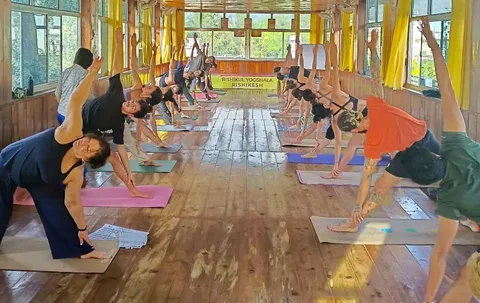
In a led class, the teacher guides the entire sequence while students move together.
Benefits of Led Classes
- Improved rhythm
- Better breath count awareness
- Enhanced focus
- Greater sequence memorization
- Strong group energy
Mysore Style vs Led Classes
| Mysore Style | Led Class |
| Self-paced | Teacher-paced |
| Individual attention | Group instruction |
| Personalized progression | Shared experience |
| Traditional learning | Structured guidance |
Ashtanga Yoga Breathing Techniques and Practice Principles
Vinyasa and Breath Awareness
Vinyasa means synchronizing breath and movement.
Benefits include:
- Mindful movement
- Improved concentration
- Internal focus
- Better energy flow
Understanding Ujjayi Breath
The traditional breathing approach emphasizes the following:
- Deep breathing
- Free breathing
- Consistent breath count
- Calm awareness
Drishti, Bandhas, and Prana Awareness
These techniques support:
- Concentration in yoga
- Energetic balance
- Stability
- Internal awareness
Benefits of Ashtanga Yoga
Physical Benefits
- Strength building
- Flexibility improvement
- Mobility enhancement
- Improved lung capacity
- Better posture
- Muscle lengthening
Mental Benefits
- Improved concentration
- Stronger mental focus
- Better discipline and consistency
- Increased mindfulness
- Greater emotional balance
Wellness Benefits
- Digestion support
- Nervous system health
- Health improvement
- Better internal processes
- Increased energy
Long-Term Benefits
- Yoga mastery
- Strong body awareness
- Sustainable yoga lifestyle
- Greater commitment
- Personal development
How to Practice Ashtanga Yoga
Ashtanga Yoga for Beginners
Beginners should:
- Learn from an experienced Ashtanga Yoga teacher
- Focus on the Primary Series
- Build consistency gradually
- Prioritize proper technique
Building a Morning Practice
A traditional Ashtanga yoga morning practice can include the following:
- Breath awareness
- Warm-up movements
- Primary Series practice
- Cool-down postures
- Relaxation
Practicing Six Days a Week
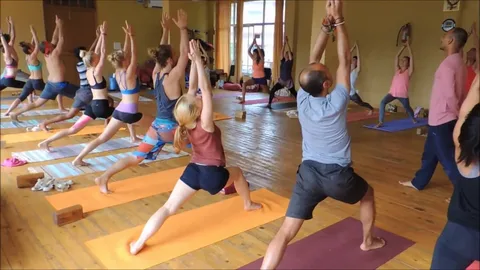
Traditionally, Ashtanga yoga is practiced six days a week, allowing one rest day for recovery and adaptation.
Learning With a Teacher
Benefits of teacher guidance include:
- Improved alignment
- Safer progression
- Personalized feedback
- Greater understanding of yoga philosophy
Ashtanga Yoga Moon Days
What Are Ashtanga Yoga Moon Days?
Moon days are traditional rest days observed during:
- New Moon
- Full Moon
Why Moon Days Matter
Many practitioners use moon days for:
- Recovery
- Reflection
- Meditation
- Gentle movement
Common Challenges in Ashtanga Yoga Practice
Physical Challenges
- Tight muscles
- Limited flexibility
- Mobility restrictions
- Strength deficits
Mental Challenges
- Consistency
- Patience
- Motivation
- Discipline
Overcoming Plateaus
Helpful strategies include:
- Working with a teacher
- Maintaining regular practice
- Focusing on technique
- Prioritizing recovery
Key Ashtanga Yoga Terms and Meanings
| Term | Meaning |
| Tristana | Three pillars of practice |
| Vinyasa | Breath-linked movement |
| Drishti | Focused gaze point |
| Bandhas | Energy locks |
| Prana | Life-force energy |
| Asana | Yoga posture |
| Yoga Chikitsa | Yoga therapy |
| Nadi Shodhana | Nerve cleansing |
| Sthira Bhaga | Steady strength |
| Sangha | Practice community |
Conclusion
Ashtanga Yoga is a structured and traditional yoga system that combines breath, movement, concentration, and discipline through a progressive series of yoga asanas. From the Primary Series (Yoga Chikitsa) to the advanced Sthira Bhaga sequences, the practice develops strength, flexibility, mobility, lung capacity, and mental focus.
Whether you choose Mysore-style Ashtanga yoga or a led Ashtanga yoga class, consistent practice can improve body awareness, concentration, nervous system health, and overall well-being. Starting with proper guidance and progressing gradually allows practitioners to build a safe, sustainable, and lifelong yoga practice.
FAQs
What is Ashtanga Yoga?
Ashtanga Yoga is a traditional yoga system that combines breath, movement, gaze points, and energy locks within a fixed sequence of postures to build strength, flexibility, and concentration.
What is the Ashtanga Yoga Primary Series?
The Primary Series, called Yoga Chikitsa, is the first sequence in Ashtanga Yoga and focuses on improving flexibility, strength, digestion, and overall body health.
What is the difference between Mysore and LED classes?
Mysore classes allow students to practice independently with teacher guidance, while led classes are conducted as a group with the teacher directing the sequence and breath count.
How often should you practice Ashtanga yoga?
Traditional Ashtanga Yoga is practiced six days a week, usually in the morning, with one weekly rest day and additional moon-day rest periods.
Is Ashtanga Yoga suitable for beginners?
Yes. Beginners can start with the Primary Series under the guidance of an experienced teacher and gradually build strength, flexibility, and confidence over time.