Introduction
Juneteenth, also known as Freedom Day, commemorates the end of slavery in the United States and celebrates freedom, resilience, culture, and progress. While the holiday is rooted in history, it also offers an opportunity for reflection, healing, gratitude, and community connection.
A Freedom Day Yoga Flow is a mindful yoga routine inspired by the values of liberation, strength, hope, and self-expression. Through intentional movement, breath awareness, and reflection, this Juneteenth-inspired yoga practice encourages participants to honor the journey toward freedom while nurturing physical and emotional well-being.
Whether you are practicing alone, with family, or as part of a community event, this yoga sequence can help create space for mindfulness, empowerment, and renewal.
What Is a Freedom Day Yoga Flow?
A Freedom Day Yoga Flow is a yoga practice designed around the themes of:
- Freedom and self-expression
- Strength and resilience
- Healing and restoration
- Community and connection
- Gratitude and reflection
The sequence combines grounding poses, heart-opening postures, balancing movements, and restorative stretches to create a meaningful experience suitable for most practitioners.
Benefits of a Juneteenth-Inspired Yoga Routine
Practicing yoga with intention can support both physical and emotional wellness.
Physical Benefits
- Improves flexibility and mobility
- Enhances balance and coordination
- Strengthens muscles and joints
- Supports healthy posture
- Encourages deep breathing
Mental and Emotional Benefits
- Reduces stress and tension
- Encourages mindfulness
- Promotes emotional awareness
- Cultivates gratitude
- Supports relaxation and recovery
Community Benefits
- Creates opportunities for shared reflection
- Encourages inclusivity and connection
- Honors cultural heritage through mindful practice
Preparing for Your Freedom Day Practice
Before beginning:
- Find a quiet and comfortable space.
- Wear comfortable clothing.
- Keep a yoga mat, blanket, and water nearby.
- Set an intention for your practice.
You may choose an affirmation such as:
“I honor freedom, resilience, and the strength within myself and others.”
Freedom Day Yoga Flow Sequence
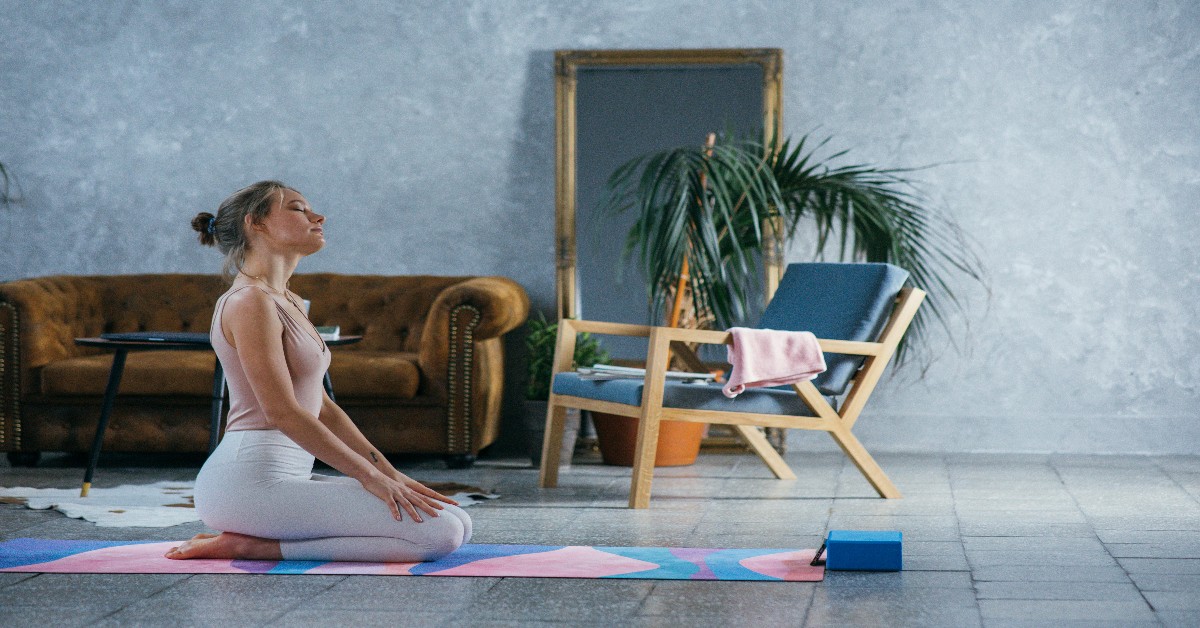
1. Easy Pose (Sukhasana) with Breath Awareness
Duration: 2–3 minutes
Begin seated comfortably.
- Close your eyes.
- Inhale deeply through the nose.
- Exhale slowly.
- Focus on gratitude and presence.
Purpose:
- Centers the mind
- Creates calm awareness
- Establishes intention
2. Cat-Cow Stretch (Marjaryasana-Bitilasana)
Duration: 1–2 minutes
Move gently between arching and rounding the spine.
Benefits:
- Improves spinal mobility
- Releases tension
- Connects movement with breath
3. Mountain Pose (Tadasana)
Duration: 5 breaths
Stand tall with feet grounded.
Benefits:
- Builds stability
- Encourages confidence
- Promotes body awareness
Reflection:
Feel rooted in your values and personal strength.
4. Warrior II (Virabhadrasana II)
Duration: 5 breaths per side
Extend your arms and ground through your feet.
Benefits:
- Builds strength
- Improves focus
- Encourages resilience
Warrior II symbolizes courage and determination, qualities reflected in the ongoing pursuit of equality and justice.
5. Reverse Warrior
Duration: 3–5 breaths per side
Open the side body while maintaining a strong foundation.
Benefits:
- Expands the chest
- Improves flexibility
- Encourages openness
6. Tree Pose (Vrksasana)
Duration: 5 breaths per side
Balance on one leg while focusing on a fixed point.
Benefits:
- Improves balance
- Builds concentration
- Encourages inner stability
7. Camel Pose (Ustrasana)
Duration: 3–5 breaths
Open through the chest and heart center.
Benefits:
- Stretches the front body
- Encourages confidence
- Promotes emotional openness
Modification:
Keep your hand on the lower back if reaching the heels feels uncomfortable.
8. Child’s Pose (Balasana)
Duration: 1–2 minutes
Rest and reconnect with your breath.
Benefits:
- Relieves tension
- Calms the nervous system
- Encourages reflection
9. Seated Forward Fold (Paschimottanasana)
Duration: 1 minute
Fold gently from the hips.
Benefits:
- Stretches the back body
- Encourages introspection
- Promotes relaxation
10. Savasana (Corpse Pose)
Duration: 5–10 minutes
Lie comfortably on your back.
Benefits:
- Supports deep relaxation
- Integrates the practice
- Encourages mental clarity
Final Reflection:
Consider the meaning of freedom, gratitude, community, and hope.
Sample Juneteenth Yoga Affirmations
Use these affirmations during your practice:
- I honor resilience and strength.
- I welcome freedom and growth.
- I move with purpose and gratitude.
- I embrace compassion and understanding.
- I celebrate progress while continuing to learn.
Tips for Hosting a Juneteenth Community Yoga Event
If leading a group practice:
- Begin with a brief reflection on Juneteenth.
- Create an inclusive environment.
- Incorporate moments of gratitude and silence.
- End with a community discussion or reflection.
Freedom Day Yoga Flow Summary
| Practice Element | Purpose |
| Breath Awareness | Centering and mindfulness |
| Standing Poses | Strength and confidence |
| Balancing Poses | Focus and stability |
| Heart Openers | Openness and courage |
| Forward Folds | Reflection and grounding |
| Savasana | Rest and integration |
Conclusion
A Freedom Day Yoga Flow offers a meaningful way to honor Juneteenth through mindful movement, breath awareness, and reflection. By combining strength-building postures, grounding poses, and restorative practices, this routine encourages resilience, gratitude, and connection.
Whether practiced individually or in a community setting, a Juneteenth-inspired yoga routine can serve as a powerful reminder of the values of freedom, healing, and hope while supporting overall physical and emotional well-being.
FAQs
What is a Freedom Day Yoga Flow?
A Freedom Day Yoga Flow is a yoga routine inspired by Juneteenth that focuses on themes of freedom, resilience, healing, and mindfulness.
Can beginners practice this Juneteenth yoga routine?
Yes. Most poses can be modified to suit beginners and different fitness levels.
How long should a Freedom Day Yoga Flow last?
A typical session lasts between 20 and 45 minutes, depending on the number of poses and meditation included.
What is the purpose of practicing yoga on Juneteenth?
The practice encourages reflection, gratitude, healing, community connection, and mindful celebration of freedom.
Do I need yoga props for this routine?
No. A yoga mat is usually sufficient, though blankets, blocks, or cushions may increase comfort.