The 8 limbs of yoga, also known as Ashtanga Yoga, are a foundational system of yoga philosophy introduced by the ancient sage Patanjali in the Yoga Sutras.
Unlike modern yoga, which often focuses only on physical postures, the 8 limbs of yoga provide a complete path to physical health, mental clarity, and spiritual growth.
This system guides practitioners through:
- Ethical living
- Self-discipline
- Physical practice
- Breath control
- Meditation
- Ultimate enlightenment
It is a complete lifestyle path, not just exercise.

W.hat Are the 8 Limbs of Yoga?
The eight limbs of yoga are
- Yama (Ethical Discipline)
- Niyama (Self-Discipline)
- Asana (Physical Postures)
- Pranayama (Breath Control)
- Pratyahara (Withdrawal of Senses)
- Dharana (Concentration)
- Dhyana (Meditation)
- Samadhi (Enlightenment)
Each limb builds on the previous one, leading toward inner peace and self-realization.
1. Yama-Ethical Discipline
Yama refers to moral principles that guide how we interact with others.
Five Yamas:
- Ahimsa (non-violence)
- Satya (truthfulness)
- Asteya (non-stealing)
- Brahmacharya (self-control)
- Aparigraha (non-possessiveness)
Benefits of Yama:
- Builds strong character
- Improves relationships
- Creates peaceful behavior
- Reduces conflict in life
2. Niyama – Self-Discipline
Niyama focuses on personal habits and self-care.
Five Niyamas:
- Saucha (cleanliness)
- Santosha (contentment)
- Tapas (discipline)
- Svadhyaya (self-study)
- Ishvara Pranidhana (surrender to a higher power)
Benefits:
- Builds self-control
- Increases positivity
- Improves mental clarity
- Strengthens spiritual awareness
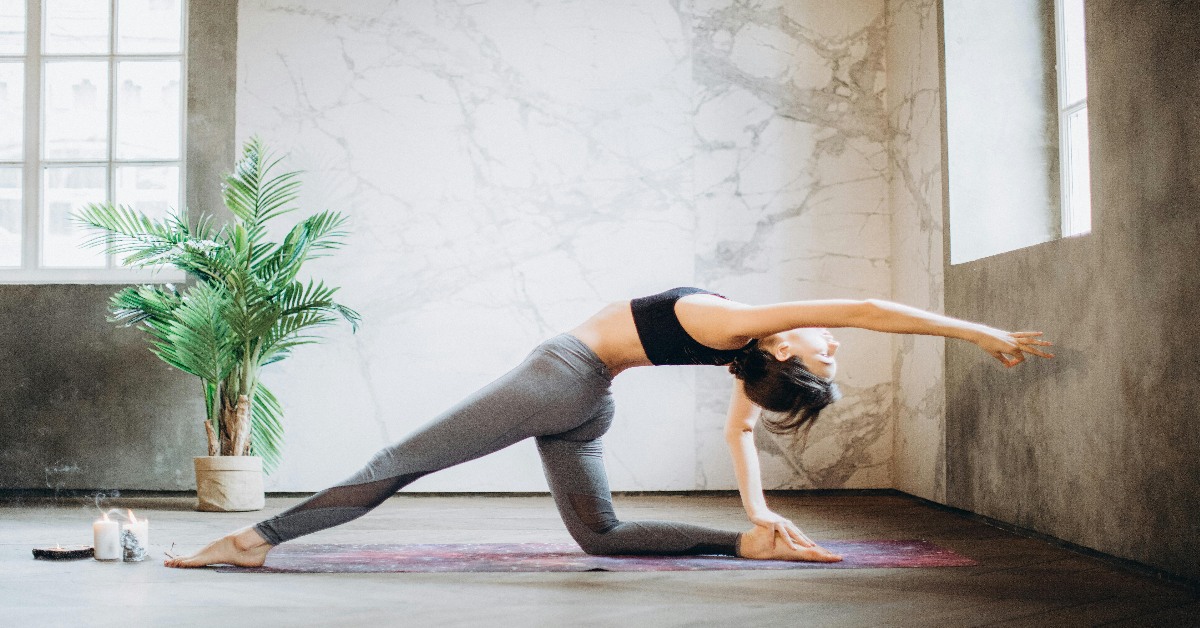
3. Asana – Physical Postures
Asana refers to yoga poses practiced in modern yoga.
Purpose of Asana:
- Strengthens the body
- Improves flexibility
- Prepares the body for meditation
- Enhances energy flow
Examples:
- Tadasana (Mountain Pose)
- Bhujangasana (Cobra Pose)
- Vrikshasana (Tree Pose)
Asana is the most widely practiced limb in the modern world.

4. Pranayama – Breath Control
Pranayama means controlling breath to control life energy (prana).
Types of Pranayama:
- Anulom Vilom
- Kapalbhati
- Bhramari
- Bhastrika
Benefits:
- Reduces stress
- Improves lung capacity
- Calms the mind
- Boosts energy levels
5. Pratyahara – Withdrawal of Senses
Pratyahara means turning attention inward by withdrawing from external distractions.
How it works:
- Reduces sensory overload
- Helps control desires
- Focuses the mind inward
Benefits:
- Better concentration
- Emotional stability
- Mental peace
- Reduced anxiety
6. Dharana – Concentration
Dharana is the practice of focusing the mind on a single point.
Techniques:
- Candle gazing
- Mantra repetition
- Breath focus
Benefits:
- Improves memory
- Enhances focus
- Builds mental discipline
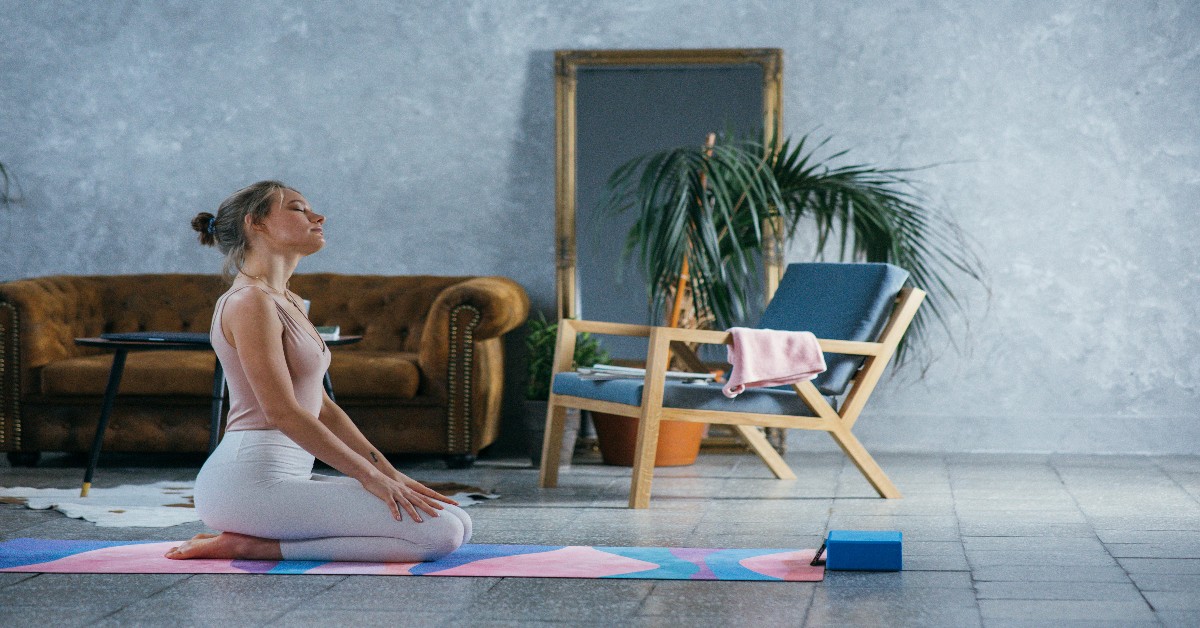
7. Dhyana – Meditation
Dhyana is continuous meditation and deep awareness.
Unlike concentration, meditation is effortless and flowing.
Benefits:
- Deep relaxation
- Emotional healing
- Stress reduction
- Inner peace

8. Samadhi – Enlightenment
Samadhi is the final stage of yoga where the practitioner experiences unity with the universe.
Key features:
- Complete peace
- No ego
- Pure awareness
- Spiritual awakening
This is considered the ultimate goal of yoga.
Importance of the 8 Limbs of Yoga in Modern Life
Even today, the 8 limbs of yoga are highly relevant:
- Reduce stress and anxiety
- Improve mental focus
- Support emotional balance
- Build healthy lifestyle habits
- Promote spiritual awareness
Modern yoga often focuses only on asana, but true yoga includes all 8 limbs.
Benefits of Practicing the 8 Limbs of Yoga
Physical Benefits:
- Better flexibility
- Strong body
- Improved breathing
Mental Benefits:
- Reduced stress
- Better focus
- Emotional stability
Spiritual Benefits:
- Inner peace
- Self-awareness
- Connection with the higher self
How to Start Practicing the 8 Limbs of Yoga
Beginner Tips:
- Start with asana and pranayama
- Practice daily meditation
- Follow simple ethical principles (yama & niyama)
- Avoid rushing spiritual progress
- Be consistent
Common Mistakes to Avoid
- Only focusing on physical yoga
- Skipping breathing practice
- Ignoring ethical principles
- Practicing without consistency
- Expecting instant results
Conclusion
The 8 limbs of yoga offer a complete path to physical health, mental peace, and spiritual growth. From yama and niyama to samadhi, each step guides you toward a balanced and meaningful life.
Yoga is not just an exercise; it is a lifestyle and a journey of self-discovery.
FAQs
1. What are the 8 limbs of yoga?
They are yama, niyama, asana, pranayama, pratyahara, dharana, dhyana, and samadhi.
2. Who created the 8 limbs of yoga?
They were written by sage Patanjali in the Yoga Sutras.
3. Which is the most important limb of yoga?
All are important, but meditation and ethics are foundational.
4. Is yoga only about asana?
No, asana is just one part of the 8 limbs of yoga.
5. Can beginners practice all 8 limbs?
Yes, beginners can start gradually with simple practices.