Crow Yoga Pose, traditionally known as Kakasana, is a foundational arm balance that helps practitioners develop strength, coordination, and mental focus. Although many beginners view this yoga posture as intimidating, it is often the first arm balance introduced in yoga classes because it teaches proper body control and balance.
By regularly practicing Crow Pose, you can strengthen your upper body, activate your core muscles, improve flexibility, and gain the confidence needed to progress into more advanced yoga poses and transitions.
What Is Crow Yoga Pose (Kakasana)?
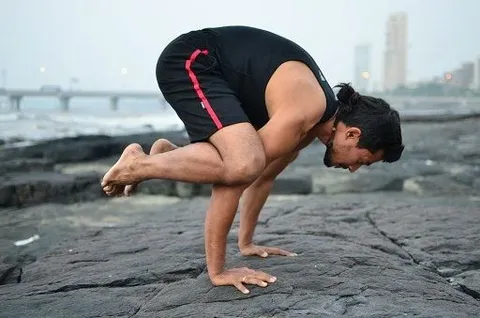
Crow Yoga Pose is a balancing posture in which the body is supported by the hands while the knees rest on the upper arms. The pose is called “Kakasana” in Sanskrit and is widely practiced in arm-balance yoga sequences.
This yoga pose encourages practitioners to shift their body weight forward while maintaining stability through the hands, arms, and core. As a result, it improves coordination, concentration, and overall body awareness.
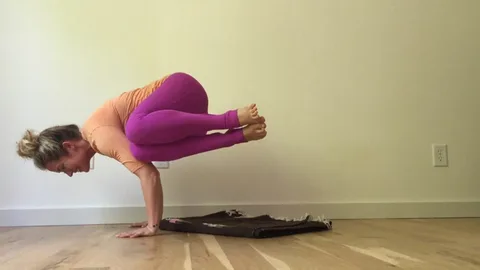
Crow Pose and Crane Pose: Understanding the Difference
Although Crow Pose and Crane Pose are often confused, they are not exactly the same posture.
| Feature | Crow Pose (Kakasana) | Crane Pose (Bakasana) |
| Elbows | Bent | Straight |
| Difficulty | Easier | More Challenging |
| Strength Demand | Moderate | High |
| Balance Requirement | Moderate | Advanced |
| Main Goal | Stability and Control | Strength and Precision |
For most practitioners, Crow Pose serves as the stepping stone toward mastering Crane Pose.
Major Benefits of Crow Yoga Pose
Develops Core Strength and Stability
One of the biggest advantages of the Crow Pose is its ability to strengthen the core. The abdominal muscles remain active throughout the pose to keep the body balanced and lifted.
Benefits include:
- Stronger abdominal muscles
- Better posture
- Improved spinal support
- Enhanced stability
- Greater body control
Strengthens the Upper Body
Crow Pose requires the arms and shoulders to support body weight, making it an effective upper-body strengthening exercise.
The pose targets:
- Shoulders
- Triceps
- Forearms
- Wrists
- Chest muscles
Over time, this increased strength makes other arm balances easier to perform.
Improves Balance and Coordination
Maintaining the crow pose requires precise weight distribution and focus. Practicing regularly helps improve balance and overall coordination.
Key benefits include the following:
- Better body awareness
- Enhanced concentration
- Improved movement control
- Increased confidence during yoga practice
Increases Flexibility and Mobility
To enter Crow Pose comfortably, the body needs adequate hip and wrist mobility. Regular practice helps improve flexibility while encouraging healthier joint movement.
Areas that benefit include:
- Hips
- Wrists
- Ankles
- Lower back
Builds Mental Confidence
Crow Pose challenges practitioners to move beyond their fear of falling. Learning to trust your body and maintain balance develops confidence both on and off the yoga mat.
Is Crow Pose Suitable for Beginners?
Yes. Crow Pose is considered one of the most beginner-friendly arm balances in yoga. While it requires patience and practice, most beginners can learn the pose safely by focusing on proper technique and gradual progression.
Important areas to develop include:
- Core strength
- Wrist mobility
- Hip flexibility
- Balance skills
- Consistent practice habits
With dedication, many people can achieve their first successful Crow Pose within several weeks.
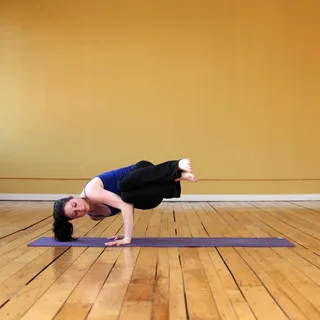
Warm-Up Exercises Before Crow Pose
Preparing the body before attempting the Crow Pose can improve performance and reduce injury risk.
Wrist Preparation
- Wrist stretches
- Tabletop rocks
- Palm raises
Core Activation
- Crow crunches
- Alternating crow crunches
- Boat Pose (Navasana)
Strength Building
- Plank Pose
- Chaturanga
- Chaturanga Dandasana
- Slow mountain climbers
- Hamstring curls
Hip Openers
- Knee-to-Chest Pose
- Eka Pada Apanasana
- Lizard Pose
- Half Happy Baby Pose
- Ardha Uttanasana
How to Practice Crow Pose
Follow these simple steps:
- Begin in a low squat.
- Place both hands firmly on the mat.
- Spread your fingers wide and engage your hand lock (Hasta Bandha).
- Bend the elbows slightly.
- Position the knees on the upper arms.
- Shift your weight forward gradually.
- Look slightly ahead rather than down.
- Engage your abdominal muscles.
- Lift one foot and then the other.
- Hold the pose while breathing calmly.
Common Crow Pose Mistakes
Many beginners struggle with Crow Pose because of a few common errors.
Frequent Mistakes
- Looking directly at the floor
- Allowing elbows to flare outward
- Weak core engagement
- Leaning backward
- Fear of falling forward
How to Correct Them
- Keep your gaze forward.
- Engage the core throughout the pose.
- Place the knees high on the triceps.
- Practice with yoga blocks for support.
- Build strength gradually.
Crow Pose Modifications
Using props can make Crow Pose more accessible.
Helpful Modifications
- Place a yoga block beneath the forehead.
- Stand on a block before entering the pose.
- Practice with one foot lifted at a time.
These adjustments allow beginners to become familiar with the balance point without excessive fear.
Advanced Crow Pose Variations
After mastering the basics, practitioners can explore more challenging variations.
Crow Jumpbacks
A powerful transition from Crow Pose into Chaturanga.
One-Legged Crow
Adds an extra balance challenge while increasing core activation.
Crow to Headstand
Develops inversion control and body awareness.
Headstand to Crow
Requires strength, balance, and smooth weight transfer.
Flying Frog Pose
A variation where the knees rest outside the arms instead of on the triceps.
Final Thoughts
Crow Yoga Pose is an excellent posture for building strength, flexibility, balance, and confidence. Whether you are a beginner exploring your first arm balance or an experienced yogi advancing toward complex transitions, Kakasana offers valuable physical and mental benefits. With regular practice, proper alignment, and patience, Crow Pose can become one of the most rewarding poses in your yoga journey.
FAQs
What are the main benefits of the Crow Yoga Pose?
Crow yoga pose helps improve core strength, upper body power, balance, flexibility, and concentration. It also builds confidence and prepares the body for more advanced arm balances and inversions.
Is Crow Pose suitable for complete beginners?
Yes, Crow Pose is beginner-friendly when practiced with proper alignment and preparation. Using yoga blocks and focusing on core strength can make learning the pose easier and safer.
How long does it take to learn Crow Pose?
The learning timeline varies from person to person. Some beginners may achieve the pose within a few weeks, while others may need several months of regular practice to build the required strength and balance.
What muscles does the crow pose work the most?
Crow Pose primarily targets the core, shoulders, triceps, forearms, wrists, chest, and upper back muscles. These muscle groups work together to support and stabilize the body.
What is the difference between Crow Pose and Crane Pose?
The main difference is arm position. In Crow Pose (Kakasana), the elbows remain bent, making it more beginner-friendly. In Crane Pose (Bakasana), the arms are straighter, requiring greater strength, balance, and control.