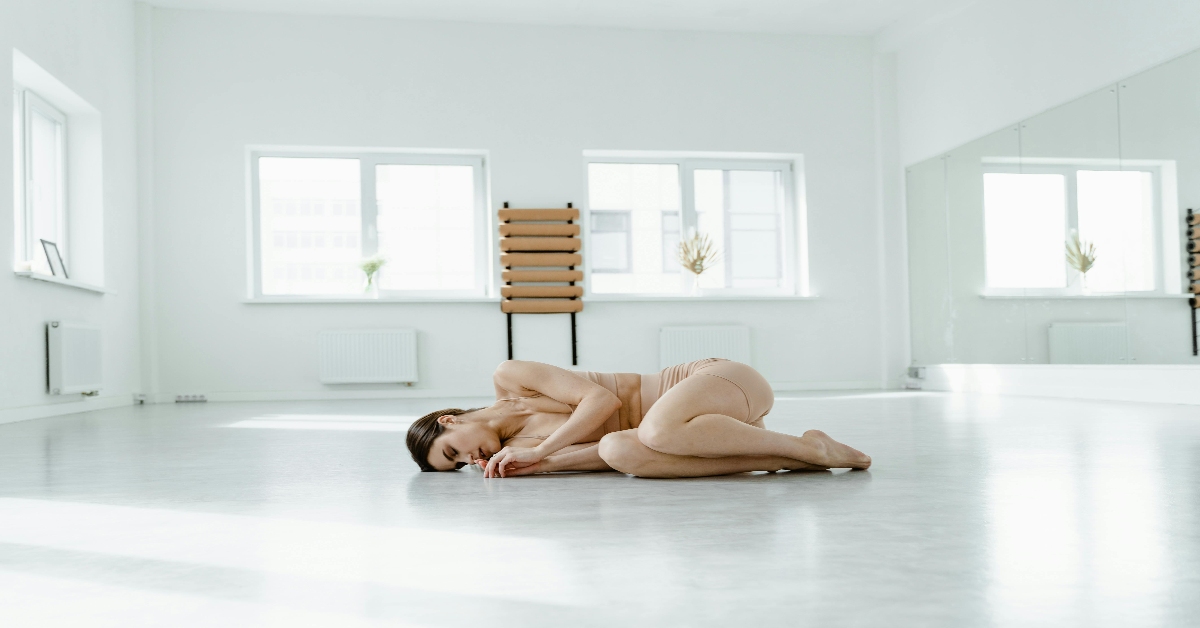
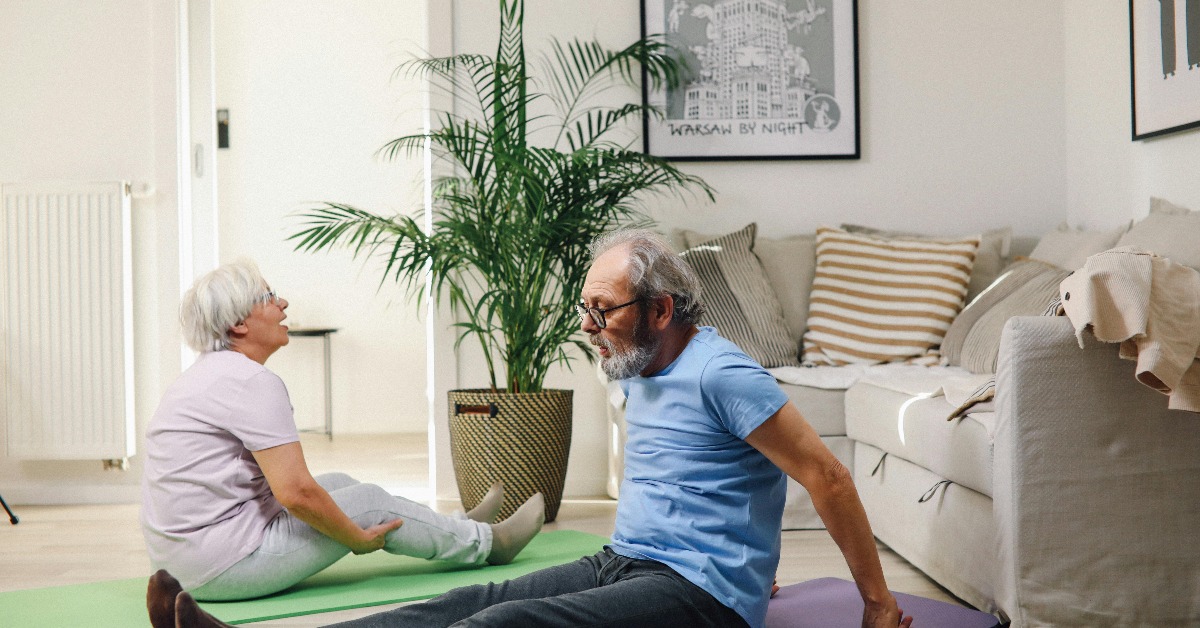
Introduction: The Power of Stillness in a Fast-Paced World
In the modern era, our lives are dominated by “Yang” energy: fast, aggressive, goal-oriented, and often exhausting. We go to the gym, we run, we meet deadlines, and we push our bodies to the limit. But what happens when the body needs to recover? This is where Yin Yoga steps in.
Unlike traditional styles of yoga that focus on muscle engagement and rhythmic breathing, Yin Yoga is a slow-paced practice that targets the connective tissues, the tendons, fascia, and ligaments, which often go neglected. By holding poses for long periods, usually between three and ten minutes, we invite a level of physical and mental release that “Yang” exercises simply cannot provide.
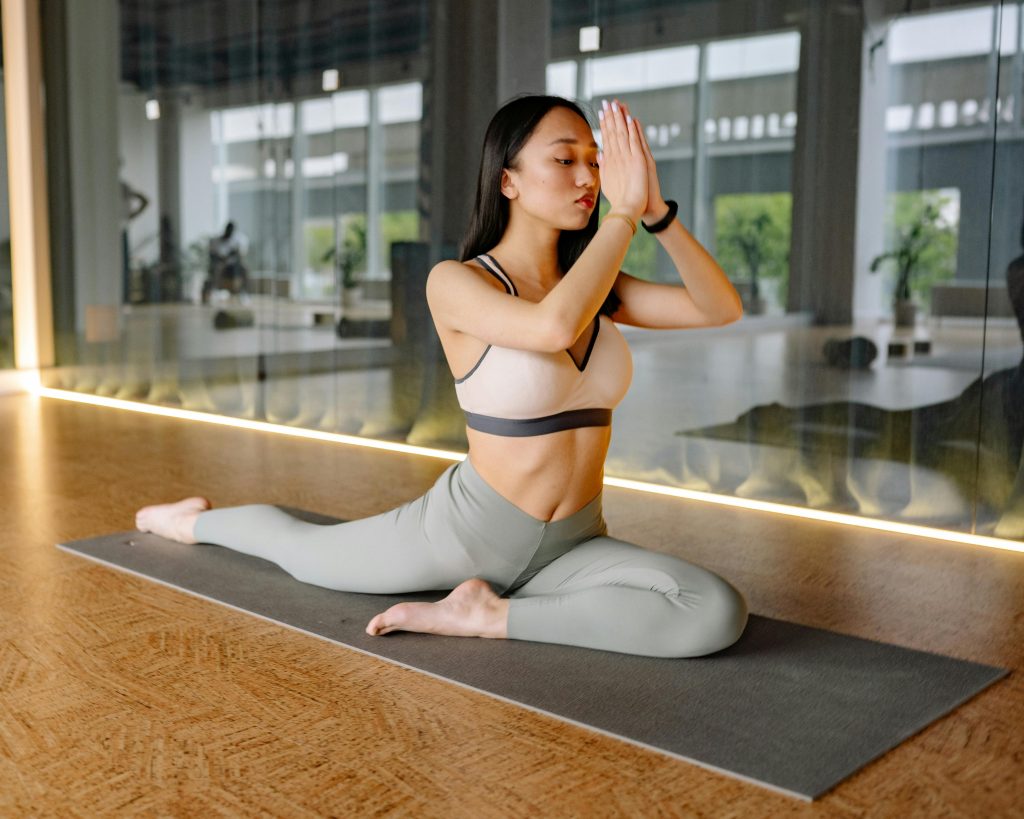
In this comprehensive guide, we will explore 26 essential Yin Yoga poses, breaking down their benefits, how to perform them safely, and why they are vital for your long-term mobility and spiritual grounding.
The Philosophy Behind Yin: Beyond the Physical
To truly appreciate these 26 poses, one must understand the foundation of Yin. Rooted in ancient Taoist traditions and Chinese medicine, yin yoga works with the body’s meridians (energy channels). When we apply gentle, sustained pressure to specific areas, we clear blockages in our “Qi” (life force), improving the function of our internal organs and nervous system.
The Three Golden Rules of Yin Yoga
Before you unroll your mat, remember these principles:
- Find Your Edge: Never force your body. Move into a shape until you feel a “significant sensation” about a 4 out of 10 on a pain scale.
- Commit to Stillness: Once you find your edge, settle. Fidgeting is often a way the mind tries to escape the present moment.
- Time is the Magic Ingredient: We don’t use the body to get into the pose; we use the pose to get into the body. Time allows the fascia to hydrate and stretch.
Detailed Breakdown of 26 Yin Yoga Poses
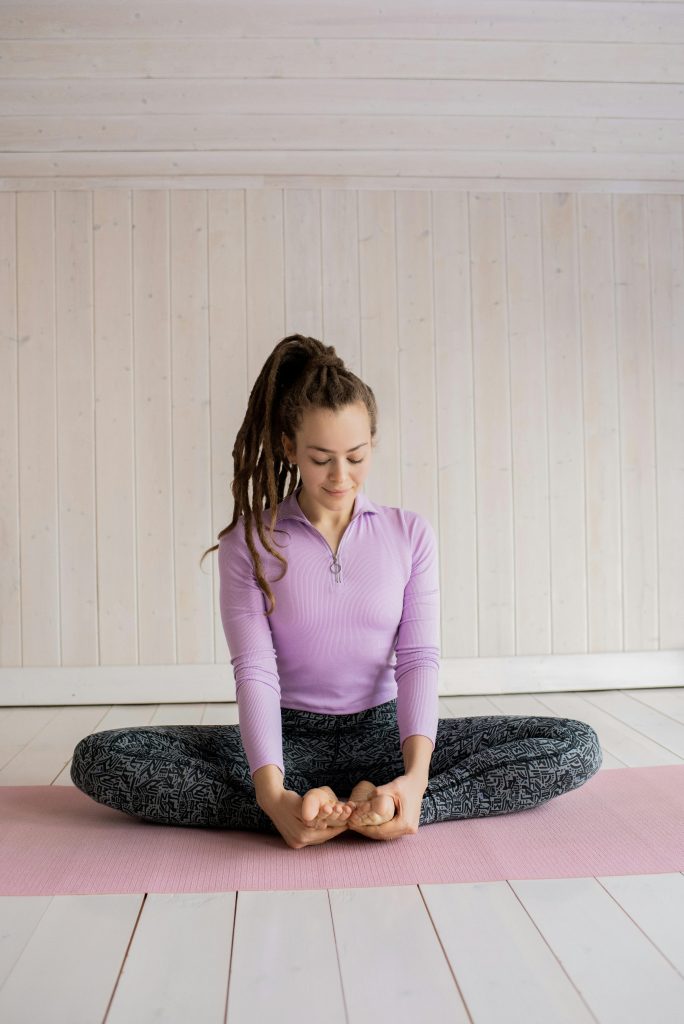
1. Butterfly Pose (Baddha Konasana)
This is the quintessential hip opener. By bringing the soles of the feet together and folding forward, you target the inner thighs and the lower back.
- How to do it: Sit on the floor, bring your feet together, and let your knees drop. Fold forward with a rounded spine.
- Anatomy Focus: Adductors and thoracolumbar fascia.
- Duration: 3-5 minutes.
2. Caterpillar Pose (Seated Forward Fold)
While it looks like a standard hamstring stretch, in Yin, we keep the muscles relaxed.
- Benefit: Decompresses the spinal column.
- Tip: If your hamstrings are tight, place a rolled-up blanket under your knees.
3. Sphinx Pose (Salamba Bhujangasana)
A gentle backbend that is perfect for office workers who spend all day hunching over a desk.
- Execution: Lie on your belly and prop yourself on your forearms.
- Target: Stimulates the kidney and bladder meridians.
4. Seal Pose
An extension of the Sphinx. By straightening the arms, you increase the compression in the lumbar spine.
- Caution: If you feel sharp pain in your lower back, return to Sphinx.
5. Child’s Pose (Balasana)
A sanctuary for the soul. This pose compresses the front of the body while gently stretching the back.
- Variation: Wide-knee child’s pose targets the inner groins more deeply.
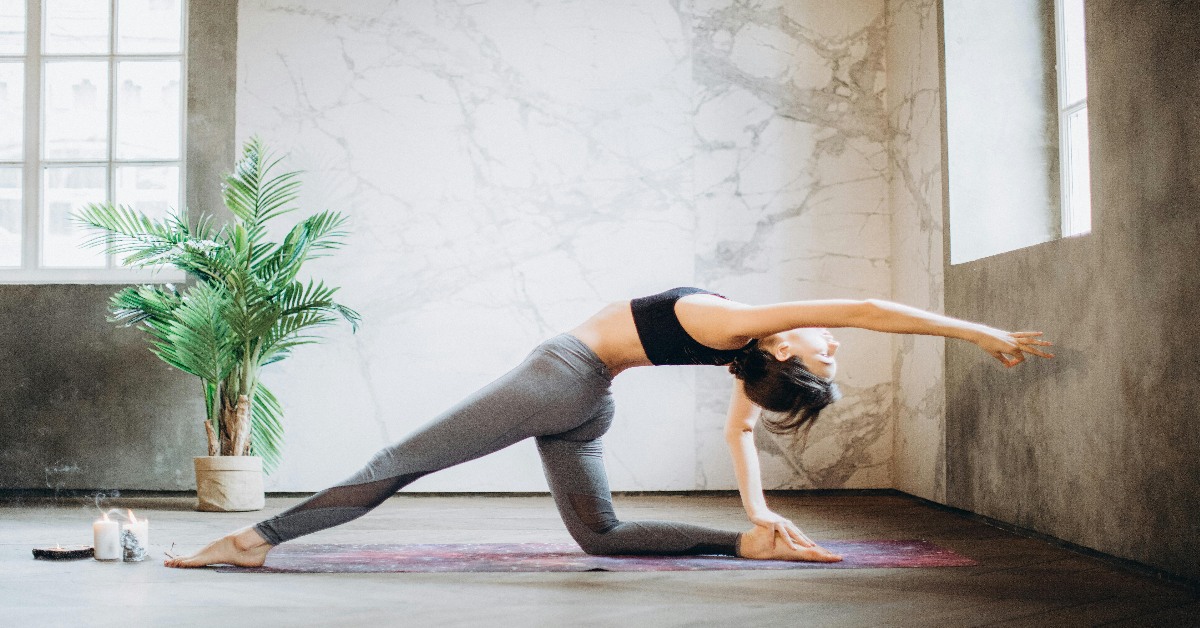
6. Dragon Pose (Deep Lunge)
Dragon is one of the most intense Yin poses. It gets deep into the psoas and hip flexors.
- Why it’s a “must-have”: Most people have tight psoas from sitting, which leads to back pain. Dragon fixes this.
7. Winged Dragon
By letting the front knee fall outward, you transition the stretch from the hip flexors to the deep glutes and inner groin.
8. Swan Pose (The Yin Pigeon)
Swan targets the liver and gallbladder meridians. It is excellent for releasing stored frustration and anger.
- Alignment: Ensure your back leg is straight, and your hips are squared.
9. Sleeping Swan
Lowering your chest to the floor in Swan pose adds a layer of surrender, making it a powerful meditative shape.
10. Shoelace Pose
Stacking the knees on top of each other is a profound stretch for the IT band and outer hips.
- Modification: If your knees don’t stack, sit on a block to tilt the pelvis forward.
11. Square Pose
Similar to the “Fire Log” pose. This is a linear hip opener that targets the gluteus medius.
12. Saddle Pose
One of the most challenging but rewarding poses. You sit between your heels and lean back.
- Warning: This requires healthy knees. Use a bolster behind your back for safety.
13. Half-Saddle
By keeping one leg straight, you can focus all your attention on one quad and hip flexor at a time.
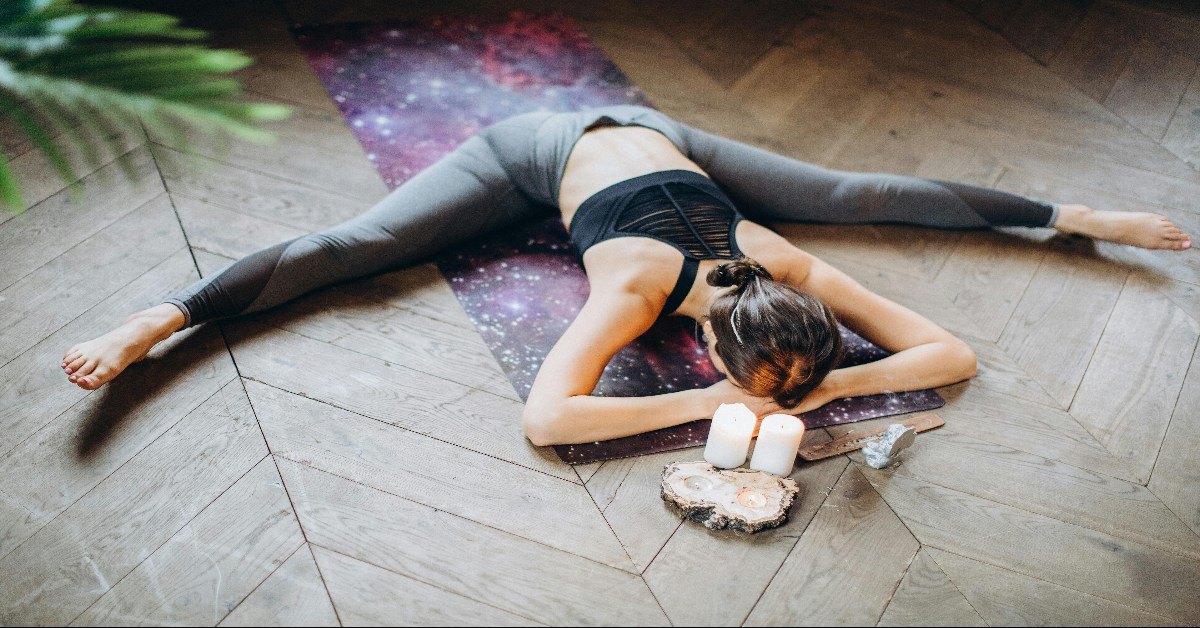
14. Dragonfly (Straddle)
Sit with legs wide and fold forward. This targets the “yin” side of the legs (the inner thighs).
- Focus: It stimulates the spleen and liver meridians.
15. Banana Asana
A side-bending pose done lying down. It stretches the obliques and the intercostal muscles between the ribs.
- Benefit: Increases lung capacity by opening the rib cage.
16. Melting Heart (Anahatasana)
A bridge between a backbend and a shoulder opener. It helps in “opening the heart” emotionally.
- Target: Upper and middle back.
17. Stirrup (Happy Baby)
Lying on your back and holding your feet. It’s a great way to decompress the sacroiliac (SI) joint.
18. Reclined Twist
Twists are essential for spinal health. They “wring out” the internal organs, aiding digestion and detoxification.
19. Snail Pose
The Yin version of Plow. It’s an intense stretch for the entire back of the body.
- Note: Avoid this if you have neck issues.
20. Frog Pose
A very deep adductor stretch. This pose is famous for being “uncomfortable,” but that discomfort is where the growth happens.
21. Deer Pose
A gentler alternative to Swan. It uses internal and external rotation of the hips simultaneously.
22. Dangling Pose
A standing forward fold. Gravity does the work here, pulling the vertebrae apart and stretching the hamstrings.
23. Squat (Malasana)
Essential for pelvic health and ankle mobility. In Yin, we often use a block under the tailbone for support.
24. Toe Squat
The “Screaming Toe Pose.” It opens the fascia of the feet, which is connected to the entire back line of the body.
25. Ankle Stretch
Sitting on the heels and lifting the knees are common yoga poses. Excellent for athletes and runners who have tight ankles.
26. Pentacle (The Ultimate Savasana)
Unlike a traditional Savasana, in Pentacle, we spread wide to let the energy (Qi) flow freely to every extremity.
The Science of Yin: Why 1,800 Words Aren’t Enough
What yogis have understood for millennia is finally being recognized by modern science. Fascia, the thin casing of connective tissue that surrounds every organ, bone, and muscle, is now recognized as a sensory organ.
When we are stressed, our fascia tightens. If we only do “Yang” exercises, our fascia can become brittle. Yin Yoga uses the scientific terms “creep” and “plastic deformation” for the slow stretching of tissues to ensure our bodies remain “juicy” and mobile.
The Psychological Impact
Yin Yoga is a training ground for the mind. When you are in a deep Dragon pose for 5 minutes, your mind will tell you to quit. By staying, you build resilience. This translates to real life: when things get tough at work or in relationships, you’ve already practiced how to breathe through the tension.
Practical Tips for Your Yin Journey
- Temperature Matters: In Yin, your body isn’t generating heat. Wear layers to keep your joints warm.
- The Rebound: After every pose, spend 1 minute lying flat. This is the most important part; it’s when the blood and energy rush back into the tissues.
- Consistency over Intensity: 20 minutes of Yin three times a week is better than a 2-hour session once a month.
Conclusion: Embracing the Yin Side of Life
The 26 poses outlined here are more than just stretches; they are a gateway to a more balanced life. In a society that rewards “doing,” Yin Yoga rewards “being.” By dedicating time to these poses, you aren’t just improving your flexibility; you are healing your nervous system and giving yourself permission to slow down.
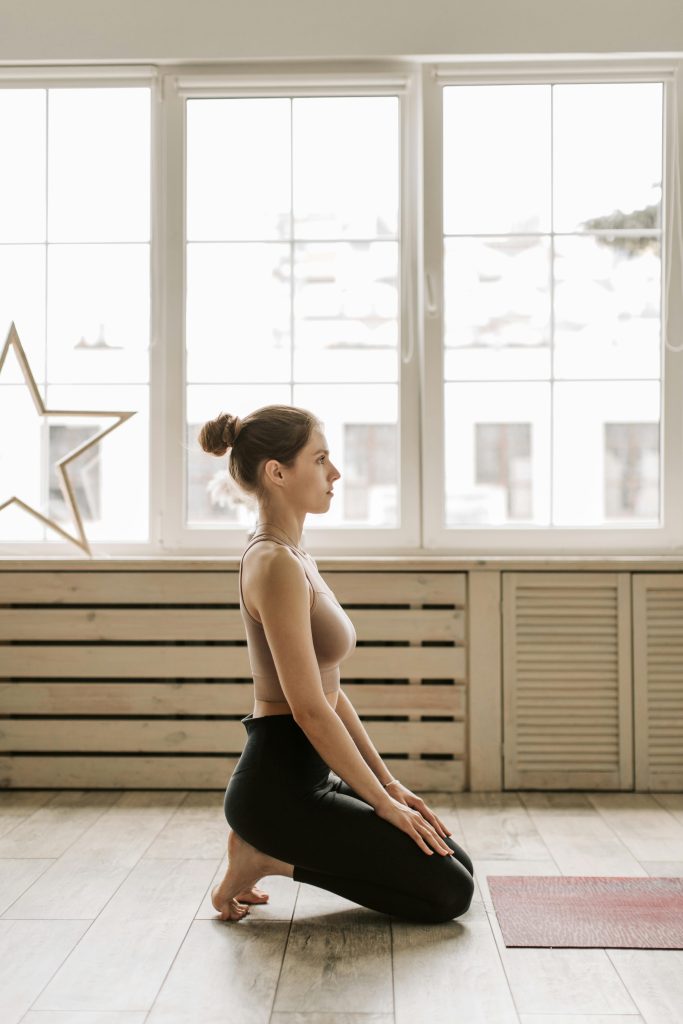
Start with just three poses tonight. Hold them, breathe, and witness the transformation.
(FAQs)
1. Is Yin Yoga safe for everyone? Generally, yes. However, if you are hypermobile or have joint injuries, you should avoid “pushing” into the joints and use props for support.
2. Can I do Yin Yoga while pregnant? Yes, but avoid deep twists and lying on your belly. Use bolsters to ensure there is no pressure on the abdomen.
3. Why do I feel cold during the practice? Yin is a “cold” practice. Since you aren’t moving, your heart rate slows down and your body temperature drops. Keep a blanket nearby.
4. How is Yin different from stretching? Stretching usually targets muscles. Yin targets the deeper connective tissues (fascia) by using long, passive holds.
5. Can Yin Yoga help with anxiety? Absolutely. It activates the Vagus nerve, which signals the brain to move from “Fight or Flight” to “Rest and Digest” mode.
6. I feel a “buzzing” sensation after a pose. Is that normal? Yes! Yogis call this “qi” or energy. Scientifically, it’s the blood and interstitial fluids returning to the compressed area.
7. Should I do Yin before or after the gym? Ideally, before, when muscles are cold, target the fascia. If done after, be careful not to overstretch, as warm muscles can lead you too deep into a joint.
8. What equipment do I need? At a minimum, a mat. However, two blocks, a bolster (or firm pillow), and a blanket are highly recommended for a professional practice.
9. Can Yin Yoga help with back pain? Yes, especially poses like Sphinx and Caterpillar, which hydrate the spinal discs.
10. How often should I practice? Even 15 minutes a day can yield results. For deep tissue changes, aim for 3 to 4 full sessions per week.