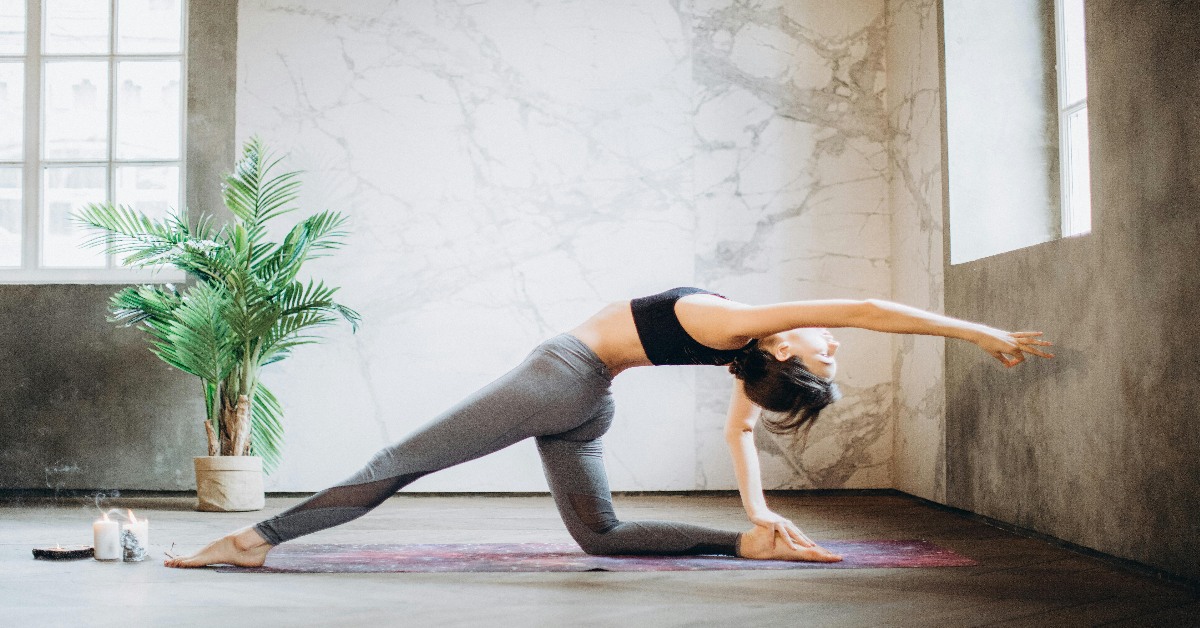
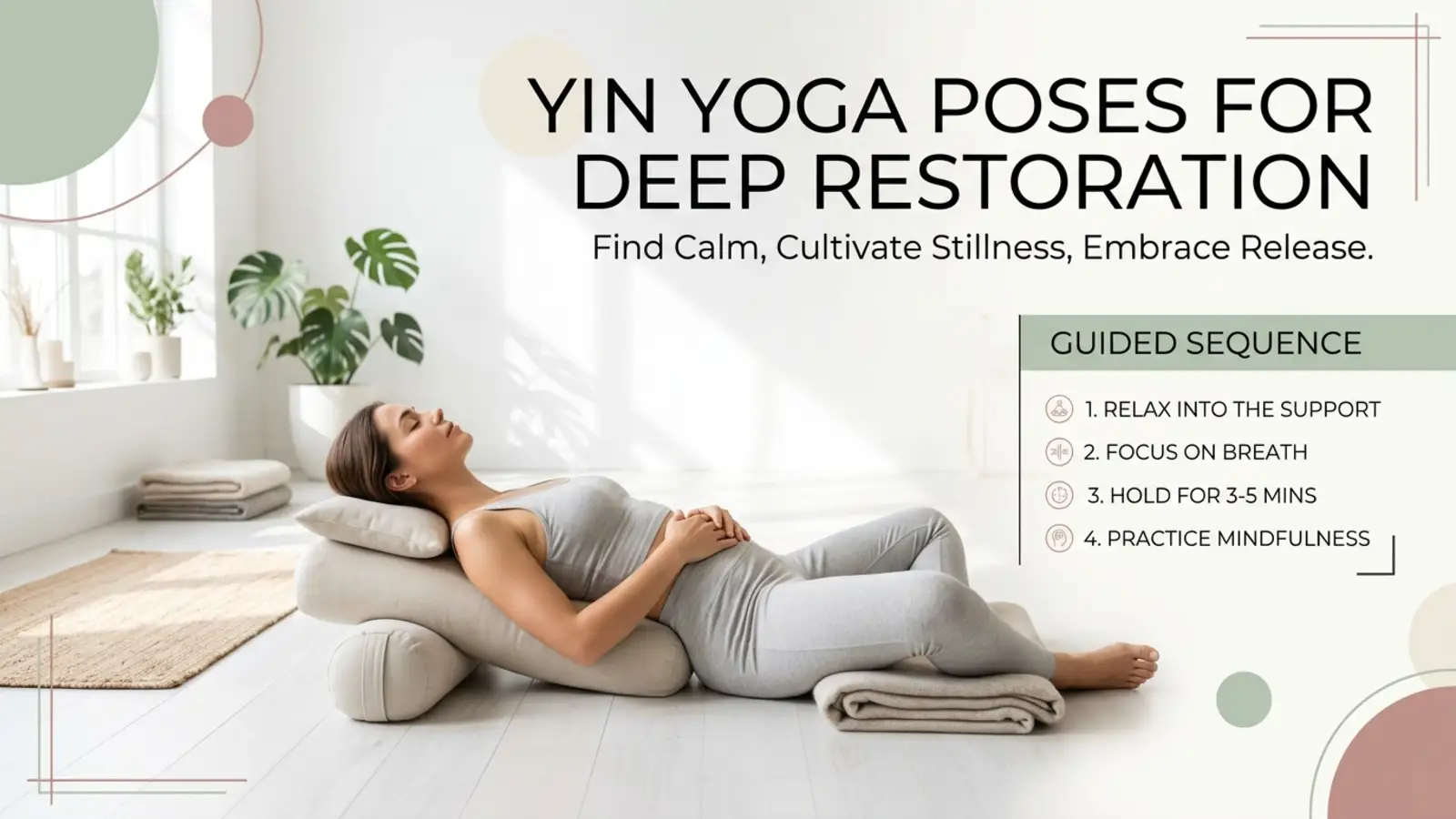
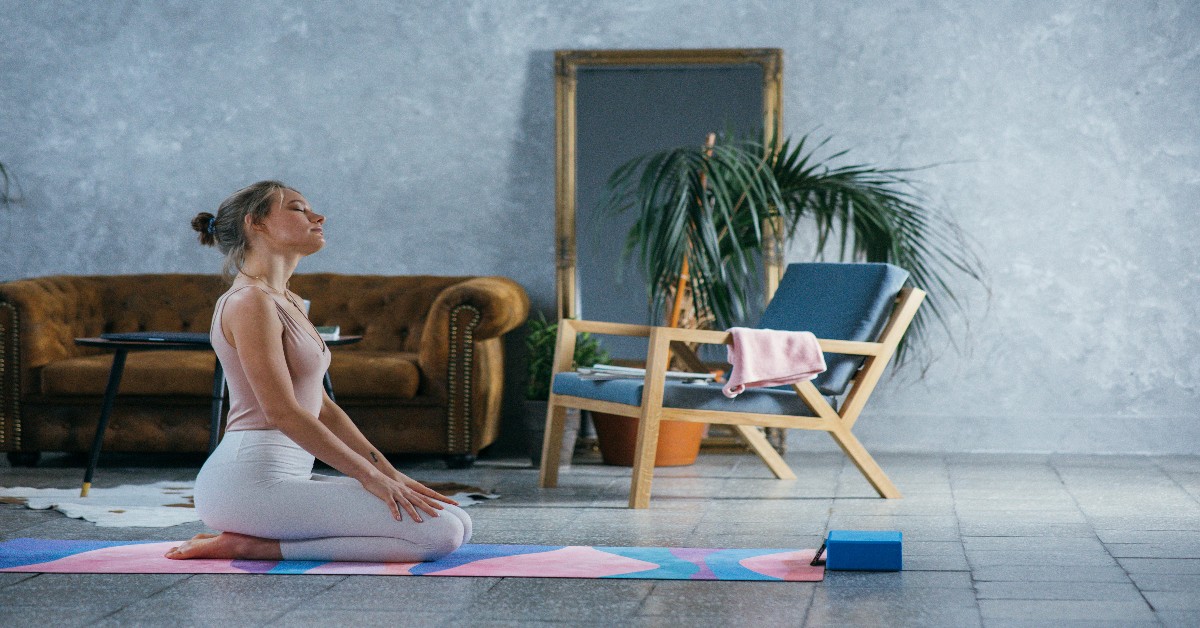
Pigeon Yoga Pose is one of the most effective hip-opening yoga poses for improving flexibility, mobility, and overall movement quality. Whether you are a beginner exploring yoga stretching or an experienced practitioner working toward advanced yoga poses, the pigeon pose can help release tension throughout the lower body.
This yoga pigeon pose targets the hips, glutes, and thighs while supporting better posture, spine flexibility, and relaxation. It is commonly included in flexibility training programs and hip-opening yoga sequences because of its ability to create a deep hip stretch.

What Is Pigeon Yoga Pose and Why Is It So Popular?
Pigeon Pose is a classic yoga posture designed to stretch the hip muscles and improve joint mobility. As a powerful hip-opener yoga pose, it helps counteract the effects of prolonged sitting and inactive lifestyles.
Benefits include:
- Improved hip flexibility
- Increased hip mobility
- Better lower body stretch
- Enhanced posture
- Reduced muscle tension
- Greater yoga flexibility
How Pigeon Pose Fits Into a Modern Yoga Practice
Modern yoga classes frequently include the pigeon pose because it complements many yoga styles.
Common uses include:
- Yoga stretching routines
- Yin Yoga sessions
- Restorative Yoga practices
- Hip-opening yoga sequences
- Athletic recovery programs
Top Pigeon Yoga Pose Benefits
Improves Hip Flexibility and Hip Mobility
One of the most recognized pigeon yoga pose benefits is its ability to increase the range of motion in the hips. Tight hips can affect walking, squatting, and overall movement patterns.
Benefits:
- Improves hip flexibility
- Supports hip mobility
- Reduces stiffness
- Enhances movement efficiency
Creates a Deep Hip Stretch and Lower Body Stretch
The pigeon stretch targets multiple muscle groups simultaneously.
| Area Targeted | Benefit |
| Hip Flexors | Improved mobility |
| Glutes | Reduced tightness |
| Piriformis | Better flexibility |
| Thighs | Greater range of motion |
| Lower Back | Reduced tension |
Supports Spine Flexibility and Better Posture
When practiced with proper alignment, Pigeon Pose encourages spinal lengthening and postural awareness.
Benefits include:
- Improved spine flexibility
- Better posture
- Reduced lower-back stress
- Enhanced body alignment
Builds Core Strength, Stability, and Balance
Although often viewed as a stretch, Pigeon Pose also requires engagement from stabilizing muscles.
Benefits:
- Improved core strength
- Better balance training
- Greater body control
- Enhanced coordination
Relieves Tension Through Restorative Yoga Practices
Pigeon pose is frequently used in Yin Yoga and Restorative Yoga because longer holds help release accumulated tension.
It may help:
- Reduce stress
- Promote relaxation
- Ease tight hips
- Improve body awareness
How to Do Pigeon Pose Correctly
Step-by-Step Instructions for Proper Alignment
- Begin in a tabletop position.
- Bring one knee forward toward the same-side wrist.
- Extend the opposite leg behind you.
- Keep your hips squared.
- Lengthen your spine.
- Hold the position while breathing steadily.
This approach makes the pigeon pose accessible for beginners practicing yoga poses.
Common Mistakes and Safety Tips
Avoid:
- Forcing the stretch
- Twisting the hips excessively
- Rounding the spine
- Holding your breath
Best Pigeon Pose Modifications for Beginners
Not everyone has the flexibility required for a full pose immediately.
Popular Pigeon Pose Modifications:
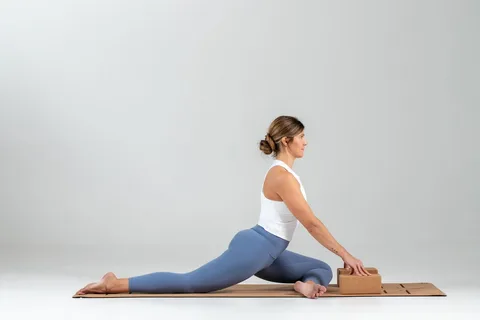
- Place a yoga block under the hip.
- Use folded blankets for support.
- Practice shorter hold times.
- Try Reclined Pigeon Pose instead.
Foundational Pigeon Pose Variations
Reclined Pigeon Pose and Figure 4 Stretch
Reclined Pigeon Pose, often called Figure 4 Stretch Yoga, offers many of the same benefits with less pressure on the hips.
Benefits:
- Beginner-friendly
- Gentle hip stretch
- Lower-back support
Reclined Pigeon Pose at the Wall
This variation uses wall support to deepen the stretch safely.
Benefits:
- Increased comfort
- Better alignment
- Controlled intensity
Seated and Standing Pigeon Pose Variations
Seated Pigeon Pose and Standing Pigeon Pose are excellent alternatives for individuals who struggle with floor-based positions.
Standing pigeon pose benefits include the following:
- Better balance
- Improved stability
- Functional mobility gains
Intermediate Pigeon Pose Variations for Greater Flexibility
Upright Pigeon Pose and Upright Pigeon Pose with Hands at Heart
These variations challenge balance and encourage greater spinal extension.
Benefits:
- Core strength
- Balance training
- Improved posture
Pigeon Pose Folding Forward for Deep Relaxation
Pigeon pose, folding forward, creates a calming experience while increasing flexibility.
Benefits:
- Deep hip stretch
- Relaxation
- Improved mobility
Pigeon Pose with Quad Stretch and Backbend
Adding a Quad Stretch or Pigeon Pose Backbend increases intensity and flexibility demands.
Benefits:
- Greater hip opening
- Improved spine flexibility
- Increased quadriceps mobility
Advanced Pigeon Pose Variations
Mermaid Pose Progression for Increased Flexibility
Mermaid Pose is a natural progression from standard Pigeon Pose.
Progressions include:
- Mermaid Pose Variation
- Mermaid Pose with Back Foot Tucked
- Full Mermaid Pose
Benefits:
- Shoulder opener
- Hip flexibility
- Backbend development
One-Arm King Pigeon Pose and Full King Pigeon Pose
King Pigeon Pose is among the most advanced yoga poses.
King Pigeon Pose Benefits:
- Deep hip opening
- Enhanced spine flexibility
- Increased shoulder mobility
- Improved balance
Flying Pigeon Pose for Arm Balance and Strength
Flying Pigeon Pose combines flexibility with arm-balance yoga skills.
Benefits:
- Improved upper-body strength
- Better coordination
- Advanced balance training
Crow pose practice often helps prepare students for the flying pigeon pose.
Yoga Poses That Complement Pigeon Pose
Deer Pose for Hip Mobility and Joint Health The
Deer Pose develops internal hip rotation and complements the Pigeon Pose’s external rotation.
Combining Figure 4 Stretch with Pigeon Pose
The Figure 4 stretch and standing Figure 4 stretch can help prepare the hips before deeper stretches.
Creating a Complete Hip Opening Yoga Sequence
Recommended sequence:
- Figure 4 Stretch
- Deer Pose
- Reclined Pigeon Pose
- Pigeon Pose
- Mermaid Pose
- King Pigeon Pose
Pigeon Pose Progressions for Long-Term Results
Moving from Beginner to Advanced Pigeon Pose Variations
Suggested progression:
| Level | Pose |
| Beginner | Reclined Pigeon Pose |
| Beginner-Intermediate | Seated Pigeon Pose |
| Intermediate | Upright Pigeon Pose |
| Advanced | Mermaid Pose |
| Expert | King Pigeon Pose |
| Expert+ | Flying Pigeon Pose |
Flexibility Training Tips for Safe Progress
- Warm up properly.
- Practice consistently.
- Focus on breathing.
- Avoid forcing flexibility.
- Progress gradually.
10 Important Terms and Their Meanings
| Term | Meaning |
| Hip Flexibility | Ability of the hips to move through a full range of motion |
| Hip Mobility | Controlled movement of the hip joints |
| Hip Opener | A pose that stretches hip muscles |
| Pigeon Stretch | Deep stretch targeting hips and glutes |
| Quad Stretch | Stretch for the front thigh muscles |
| Spine Flexibility | Ability of the spine to move comfortably |
| Shoulder Opener | Pose, improving shoulder mobility |
| Balance Training | Exercises that improve stability |
| Yin Yoga | Slow-paced yoga emphasizing longer holds |
| Restorative Yoga | Relaxing yoga supported by props |
Conclusion
Pigeon Yoga Pose is one of the best yoga poses for flexibility, mobility, and overall movement health. From beginner-friendly options like Reclined Pigeon Pose and Figure 4 Stretch to advanced variations such as King Pigeon Pose and Flying Pigeon Pose, this powerful hip-opening yoga pose offers benefits for practitioners at every level. Consistent practice can improve hip flexibility, enhance posture, support spine mobility, and contribute to a more balanced yoga practice.
FAQs
What are the main pigeon yoga pose benefits?
Pigeon Yoga Pose helps improve hip flexibility, increase hip mobility, and release tension in the glutes, hip flexors, and lower back. It can also support better posture, enhance yoga flexibility, and promote relaxation when held for longer periods.
How long should you hold Pigeon Pose for maximum flexibility?
Most people can hold the pigeon pose for 30 seconds to 2 minutes per side. For deeper flexibility work, experienced practitioners may hold the pose for 3 to 5 minutes in yin yoga. Always breathe deeply and avoid forcing the stretch.
Is Pigeon Pose safe for beginners?
Yes, Pigeon Pose is generally safe for beginners when practiced with proper alignment. Beginners can use yoga blocks or blankets or try the Reclined Pigeon Pose to reduce pressure on the hips and knees. Stop if you feel pain rather than a gentle stretch.
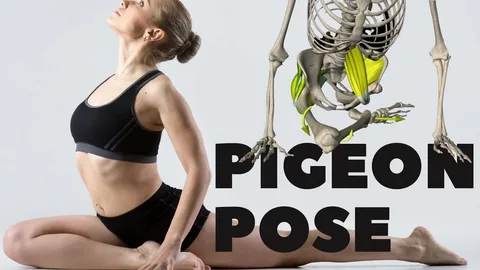
What muscles does Pigeon Pose stretch?
Pigeon pose stretches primarily
- Glutes
- Piriformis
- Hip flexors
- Quadriceps
- Inner thighs
- Lower back muscles
This deep hip stretch helps improve flexibility and mobility throughout the lower body.
What is the difference between the pigeon pose and the figure-4 stretch?
Pigeon Pose is performed on the floor with one leg bent in front and the other extended behind, creating a deeper hip-opening stretch. Figure 4: The stretch is usually performed lying on the back or standing, making it gentler and more beginner-friendly while still targeting the hips and glutes.