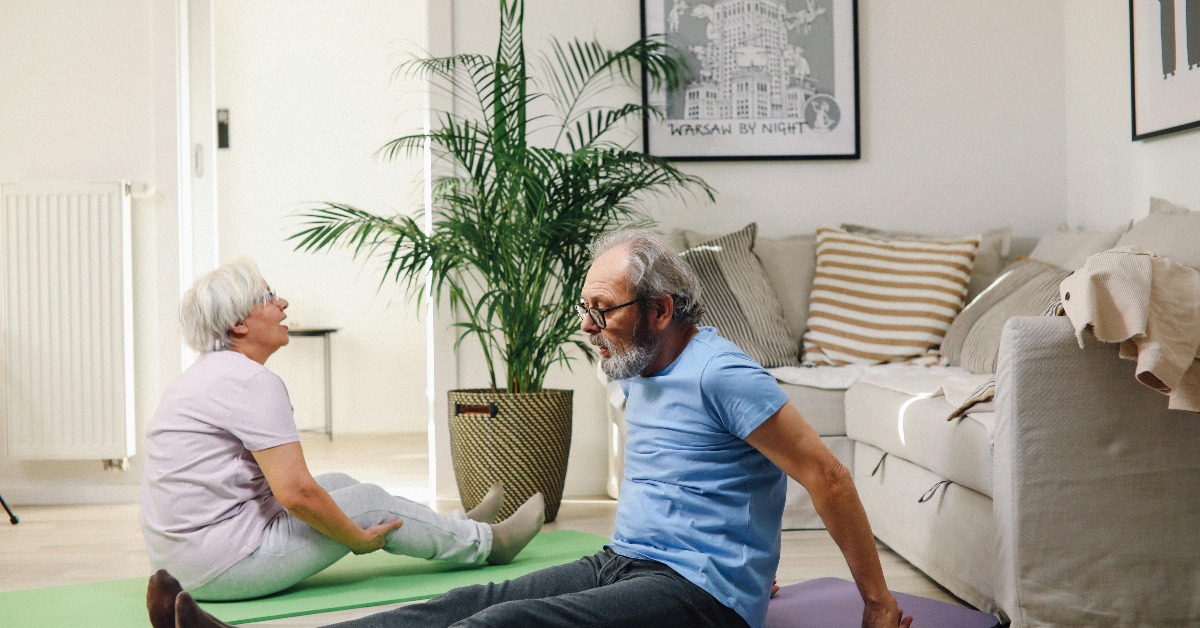
If you’re looking for the best yoga poses for beginner flexibility, you’re in the right place. Starting a yoga practice doesn’t require advanced skills or expensive equipment. With a few beginner yoga poses and a consistent routine, you can gradually improve flexibility, posture, balance, and overall mobility from the comfort of your home. Whether you have a stiff body or simply want to move better, these yoga exercises for beginners offer a safe and effective way to build strength and increase flexibility over time.
What Are Yoga Poses for Flexibility Beginners?
Yoga poses for flexibility for beginners are simple, low-impact movements that gently stretch muscles while improving joint mobility and balance. Unlike intense workouts, beginner flexibility yoga focuses on controlled movements, proper breathing, and steady progress.
Many people begin yoga because they want to.
- Increase flexibility safely
- Reduce muscle stiffness
- Improve posture
- Build strength gradually
- Relieve everyday stress
- Develop better balance
These beginner yoga poses are suitable for people of all fitness levels and can easily become part of your daily wellness routine.
Why Beginners Should Start with Basic Yoga Poses
Basic yoga poses teach proper body alignment before progressing to more advanced movements. Learning these foundational poses helps reduce injury risk while making every stretch more effective.
Benefits include:
- Better body awareness
- Improved muscle flexibility
- Increased joint mobility
- Better balance and coordination
- Greater confidence during practice
Practicing yoga for beginners consistently is far more effective than attempting difficult poses too soon.
Benefits of Beginner Yoga for Flexibility
Regular beginner yoga stretches provide benefits that extend beyond flexibility. Even short sessions performed several days each week can improve overall movement and physical wellness.
| Benefit | How Yoga Helps |
| Flexibility | Lengthens tight muscles safely |
| Mobility | Improves joint movement and daily function |
| Posture | Strengthens muscles that support spinal alignment |
| Balance | Enhances coordination and body control |
| Stress Relief | Combines movement with mindful breathing |
| Strength | Builds stability without high-impact exercise |
Improves Flexibility
One of the biggest advantages of flexibility yoga exercises is gradually increasing your range of motion. Consistent yoga stretches for flexibility help reduce stiffness in the hips, shoulders, back, and legs.
Supports Better Mobility
Yoga for mobility helps your joints move comfortably during everyday activities such as walking, climbing stairs, and bending. Improved mobility also reduces the feeling of tightness after sitting for long periods.
Encourages Better Posture
Many beginner yoga routines strengthen the muscles supporting the neck, shoulders, and spine. This makes yoga for posture especially beneficial for people who spend hours working at a desk.
Reduces Back Tightness
Gentle stretching and strengthening exercises improve yoga for back flexibility by releasing tension around the lower back and improving spinal alignment.
Loosens Tight Muscles
Regular practice helps yoga poses to loosen tight muscles in the hips, hamstrings, shoulders, and calves, making movement feel easier throughout the day.
Improves Overall Body Function
Practicing yoga poses for improving posture and flexibility can lead to better athletic performance, reduced discomfort during daily activities, and greater confidence in movement.
How to Start Yoga for Beginners at Home
Starting yoga at home is simple. You don’t need a large workout space or expensive equipment. A comfortable area and a consistent schedule are enough to build a successful home yoga practice.
Choose a Comfortable Practice Space
Find a quiet location with enough room to stretch your arms and legs freely. Keep the area free from distractions so you can focus on your movements and breathing.
Use the Right Equipment
Before starting your yoga poses at home, gather a few basic essentials:
- Non-slip yoga mat
- Comfortable workout clothes
- Water bottle
- Yoga blocks (optional)
- Yoga strap (optional)
Practice Yoga Breathing Exercises
Proper breathing is an essential part of every yoga session.
Try this simple breathing technique:
- Inhale slowly through your nose.
- Expand your chest and abdomen.
- Exhale gently through your nose.
- Repeat for one to two minutes before beginning your practice.
These yoga breathing exercises help improve concentration while preparing your body for movement.
Warm Up Before Stretching
A short warm-up prepares muscles and joints for exercise.
Good warm-up activities include:
- Shoulder rolls
- Neck stretches
- Gentle hip circles
- Arm swings
- Marching in place
- Light Cat-Cow movements

Build a Beginner Yoga Routine
A beginner yoga routine doesn’t have to be long. Practicing consistently matters more than spending hours on the mat.
A simple beginner yoga sequence may include:
| Step | Activity | Time |
| 1 | Breathing exercises | 2 minutes |
| 2 | Warm-up stretches | 5 minutes |
| 3 | Standing poses | 10 minutes |
| 4 | Floor stretches | 8 minutes |
| 5 | Relaxation | 5 minutes |
This yoga routine for beginners at home can easily fit into a busy schedule while supporting steady progress.
18 Best Yoga Poses for Flexibility Beginners
The following poses are excellent for improving flexibility, balance, posture, and strength. Start slowly, focus on proper alignment, and breathe naturally throughout each movement.
Standing Yoga Poses
Standing yoga poses help develop stability, improve coordination, and strengthen the lower body while increasing flexibility.
Mountain Pose (Tadasana)
Mountain Pose is often the first posture taught in beginner flexibility yoga because it creates proper alignment from head to toe.
How to do it:
- Stand with feet hip-width apart.
- Keep your spine tall.
- Relax your shoulders.
- Engage your abdominal muscles.
- Let your arms rest naturally beside your body.
- Breathe slowly for 30 to 60 seconds.
Benefits:
- Improves posture
- Enhances body awareness
- Builds balance
- Creates a strong foundation for other poses
Warrior I Pose (Virabhadrasana I)
Warrior, it strengthens the legs while stretching the hips and chest, making it one of the best beginner yoga poses for improving stability.
How to do it:
- Step one foot backward.
- Bend your front knee.
- Raise both arms overhead.
- Keep your hips facing forward.
- Hold for five slow breaths.
Benefits:
- Strengthens the lower body
- Opens the hips
- Improves balance
- Supports flexibility
Warrior II Pose (Virabhadrasana II)
Warrior II develops strength and endurance while improving flexibility in the hips and inner thighs.
How to do it:
- Take a wide stance.
- Turn one foot outward.
- Bend the front knee.
- Extend both arms parallel to the floor.
- Look over your front hand.
Benefits:
- Improves lower-body strength
- Increases hip mobility
- Builds balance
- Enhances coordination
Tree Pose (Vrikshasana)
Tree Pose is one of the most effective balancing yoga poses for beginners.
How to do it:
- Stand tall.
- Place one foot against the opposite inner calf or thigh.
- Bring your hands together at your chest.
- Focus on a fixed point.
- Hold for 20–30 seconds before switching sides.
Benefits:
- Improves balance
- Strengthens the legs
- Enhances concentration
- Builds stability
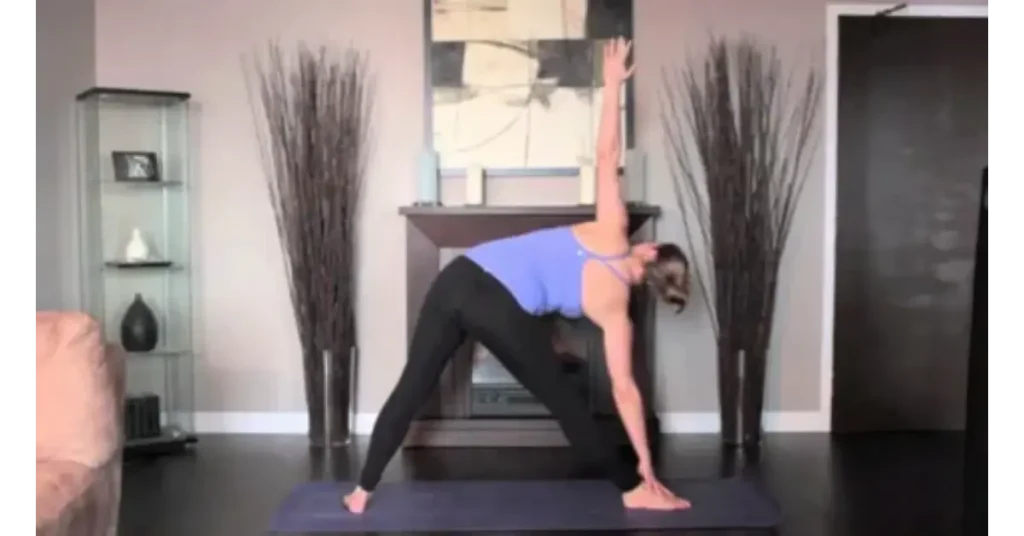
Triangle Pose (Trikonasana)
Triangle Pose combines standing strength with a deep side stretch, making it excellent for spine-stretching yoga.
How to do it:
- Stand with your feet wide apart.
- Extend your arms sideways.
- Reach toward one foot.
- Place your lower hand on your shin.
- Extend the opposite arm upward.
Benefits:
- Stretches the spine
- Improves flexibility
- Strengthens the legs
- Supports better posture
Chair Pose (Utkatasana)
Chair Pose challenges the legs while strengthening the core and improving endurance.
How to do it:
- Stand with your feet together.
- Bend your knees.
- Lower your hips as if sitting in a chair.
- Raise your arms overhead.
- Hold for several breaths.
Benefits:
- Strengthens the thighs
- Builds endurance
- Improves balance
- Supports full-body stability
Conclusion
Practicing yoga poses for flexibility for beginners is one of the simplest and most effective ways to improve your overall health and movement. By learning basic yoga poses and following a consistent beginner yoga routine, you can gradually increase flexibility, build strength, improve posture, and enhance balance without leaving home. The key to success is consistency rather than perfection. Start with easy yoga poses for beginners, focus on proper breathing and alignment, and progress at your own pace. Over time, these flexible yoga exercises can help loosen tight muscles, improve mobility, and make everyday activities feel easier and more comfortable. Whether your goal is to reduce stiffness, support better posture, or enjoy a healthier lifestyle, practicing yoga for beginners a few times each week can make a noticeable difference. Establish a consistent at-home yoga routine, have patience, and reap the long-term rewards of improving your strength, flexibility, and confidence with each practice.
FAQs
What are the best yoga poses for beginners’ flexibility?
The best yoga poses for flexibility for beginners include Mountain Pose, Downward-Facing Dog, Warrior I, Warrior II, Triangle Pose, Child’s Pose, Cobra Pose, Cat-Cow Pose, Bridge Pose, and Seated Forward Bend. These poses gently improve flexibility while building strength, balance, and mobility.
Can beginners improve flexibility with yoga at home?
Yes. Beginners can improve flexibility at home by practicing simple yoga poses regularly. A consistent beginner yoga routine of 15–30 minutes, three to five times per week, can gradually increase flexibility, reduce muscle stiffness, and improve posture.
How long does it take to become more flexible with yoga?
Most beginners notice improvements in flexibility within 4 to 8 weeks of consistent practice. Results vary depending on age, fitness level, and how often you perform yoga stretches for flexibility.
Which yoga poses help a stiff body?
If you have a stiff body, start with gentle poses such as Cat-Cow Pose, Child’s Pose, Downward-Facing Dog, Low Lunge, Happy Baby Pose, and Seated Forward Bend. These beginner yoga stretches help loosen tight muscles and improve overall mobility.
How often should beginners practice yoga for flexibility?
Beginners should practice yoga for flexibility at least three to five days per week. Even a daily beginner yoga routine of 15-20 minutes can improve flexibility, posture, balance, and overall physical well-being over time.