Wheel Yoga Pose, also known as Wheel Pose or Urdhva Dhanurasana, is one of the most effective backbend yoga poses for building strength, flexibility, and body awareness. This powerful yoga posture challenges the entire body while opening the chest, shoulders, and hips.
Whether you are learning your first beginner wheel pose or refining an advanced variation, understanding proper progressions is essential. The right wheel pose variations and wheel pose modifications help improve mobility, reduce injury risk, and make the pose accessible for every skill level.
In this guide, you’ll learn how to practice Wheel Yoga Pose safely, explore beginner-to-advanced variations, and discover the many benefits of Wheel Yoga Pose.
What Is Urdhva Dhanurasana, or Wheel Yoga Pose?
Understanding the Wheel Pose
Wheel Pose, or Urdhva Dhanurasana, is an advanced backbend yoga pose where the body forms an arch resembling a wheel. It requires flexibility in the spine, shoulders, and hips while developing strength throughout the entire body.
This yoga posture is commonly practiced in intermediate and advanced yoga classes because it combines flexibility, stability, and endurance.
Wheel Yoga Pose Anatomy and Muscle Engagement
The wheel pose activates and stretches multiple muscle groups simultaneously.
| Muscle Group | Function in Wheel Pose |
| Glutes | Promote stability and hip extension |
| Hamstrings | Support the strength of the lower body |
| Core Muscle | Spinal Stabilization |
| Lower Back Muscles | Support spinal extension |
| Wrist Muscles | Maintain balance and support |
| Hip Flexors | Lengthen during the backbend |
| Shoulder Muscles | Improve shoulder mobility |
The pose also targets the gluteus maximus, gluteus medius, gluteus minimus, biceps femoris, semimembranosus, semitendinosus, iliacus, psoas, pectineus, rectus femoris, and sartorius.
Benefits of Wheel Yoga Pose
The Advantages of Wheel Pose for Mobility and Flexibility
Benefits include:
- Improve flexibility throughout the body
- Increase flexibility in the spine and hips
- Improve spinal mobility
- Improve spinal flexibility
- Open shoulders
- Open hips
Wheel Pose Benefits for Strength
Regular practice helps:
- Strengthen the entire body
- Build core strength
- Improve spine strength
- Increase glute strength
- Develop leg strength
- Enhance arm strength
- Improve wrist strength
Posture and Breathing Benefits of Wheel Yoga Pose
The deep backbend helps:
- Open chest
- Improve posture
- Improve breathing
- Increase lung capacity
- Encourage deep breathing
Mental Health Benefits of Urdhva Dhanurasana
Many practitioners report:
- Reduced stress
- Better relaxation
- Increased energy
- Greater confidence
- Improved focus and mood
Wheel Pose to Reduce Back Pain
When performed correctly and under proper guidance, Wheel Pose may help improve mobility, relieve joint stiffness, and support healthy posture.
How to Do Wheel Yoga Pose Correctly
Wheel Pose Step-by-Step Guide
- Lie on your back.
- Bend your knees and place your feet hip-width apart.
- Position hands beside your ears.
- Press into your palms and feet.
- Lift hips and chest upward.
- Straighten arms gradually.
- Hold while breathing steadily.
- Lower slowly with control.
Wheel Pose Form and Technique
Key points:
- Keep knees aligned.
- Press evenly through hands and feet.
- Engage core muscles.
- Avoid collapsing into the lower back.
- Maintain steady breathing.
Essential Wheel Pose Alignment Tips
- Keep elbows shoulder-width apart.
- Distribute weight evenly.
- Lengthen through the spine.
- Avoid turning feet outward.
Safe Wheel Pose Practice for Beginners
Avoid the pose if you have:
- Recent wrist injuries
- Severe back injuries
- Shoulder instability
- Uncontrolled high blood pressure
Best Backbend Preparation for Wheel Pose
Why Preparation Matters
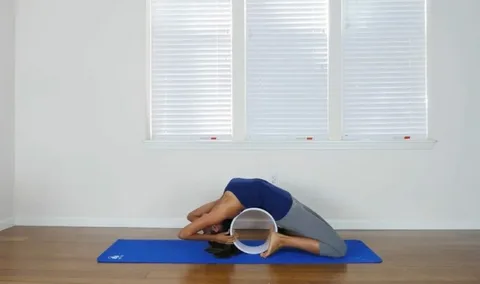
A proper spine warm-up improves mobility and reduces strain during deep backbends.
Preparatory Poses for Wheel Yoga Pose
Recommended poses:
- Bridge Pose
- Camel Pose
- Bow Pose
- Locust Pose
- Upward-Facing Dog
Shoulder Opening Exercises and Hip Mobility Drills
Useful exercises include:
- Arm circles
- Puppy Pose
- Low Lunge
- Shoulder stretches
- Hip flexor stretches
Beginner Wheel Pose Variations
Wheel Yoga Pose for Beginners
Beginners should focus on mobility and confidence before attempting Full Wheel Pose.
Wall-Supported Wheel Pose
This variation uses a wall to provide balance and support while learning the movement pattern.
Supported Wheel Pose with Blocks
Yoga blocks can elevate the hands, making shoulder opening easier and reducing wrist pressure.
Easier Wheel Pose Alternatives
Good alternatives include:
- Bridge Pose
- Supported Bridge
- Camel Pose
Wheel Pose Adjustments for Limited Mobility
Wheel Pose for Tight Shoulders
- Widen hand placement slightly
- Use Yoga Blocks
- Perform shoulder mobility drills
Wheel Pose Modifications Using a Yoga Strap
A yoga strap helps keep elbows aligned and prevents outward flaring.
Block Between Thighs Modification
Holding a block between the thighs encourages proper leg engagement and stability.
Wrist-Friendly Wheel Pose Adaptations
- Elevate hands on blocks
- Warm up wrists thoroughly
- Reduce hold time
Intermediate Wheel Pose Variations
Deepening Your Backbend Safely
Focus on gradual improvements in chest opening and spinal mobility.
Dynamic Wheel Pose Practice
Controlled repetitions help develop endurance and movement quality.
Improving Wheel Pose for Strength and Stability
Advanced engagement techniques improve balance and body control.
Advanced Wheel Pose Variations
Full Wheel Pose Mastery
Mastering Full Wheel Pose requires consistent practice and excellent alignment.
Leg Lift Variation
Lifting one leg challenges balance, core strength, and stability.
Advanced Backbend Yoga Pose Progressions
Advanced practitioners may explore:
- One-leg wheel
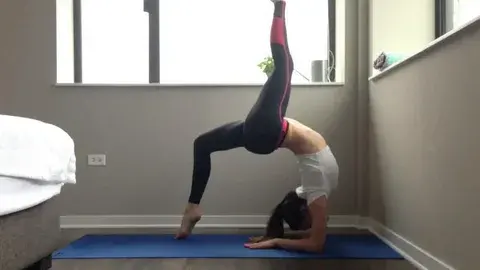
- Forearm wheel
- Drop-backs
- Deep backbend transitions
Common Wheel Pose Mistakes and How to Fix Them
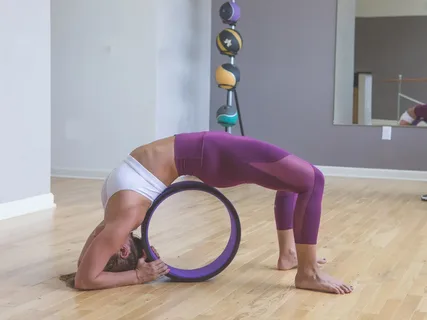
Alignment Mistakes
Common issues:
- Flaring elbows
- Turning feet outward
- Compressing the lower back
Mobility and Strength Limitations
Challenges often include:
- Tight shoulders
- Tight hip flexors
- Weak glutes
- Weak core muscles
Corrective Strategies for Better Results
- Use modifications
- Improve mobility first
- Strengthen supporting muscles
- Practice consistently
Yoga Equipment and Accessories for Wheel Pose Practice
Best Yoga Mat for Wheel Pose
A natural rubber yoga mat provides superior grip and stability.
Helpful Yoga Accessories
- Yoga Blocks
- Yoga Strap
- Support cushions
Choosing Comfortable Yoga Apparel
Recommended:
- Flexible leggings
- Supportive sports bra
- Breathable yoga apparel
10 Wheel Yoga Pose Terms and Their Meanings
| Term | Meaning |
| Urdhva Dhanurasana | Sanskrit name for Wheel Pose |
| Backbend | A pose that extends the spine backward |
| Flexibility | The freedom of movement of muscles and joints |
| Mobility | Controlled movement through a range of motion |
| Core Strength | Stability from abdominal and trunk muscles |
| Alignment | Proper body positioning |
| Hip Flexors | Muscles that lift the thigh toward the torso |
| Shoulder Mobility | Ability to move shoulders freely |
| Deep Breathing | Slow, controlled breathing pattern |
| Full Wheel Pose | Traditional advanced Wheel Pose |
Conclusion:
Wheel Yoga Pose is a powerful backbend that improves flexibility, strength, posture, and overall mobility. By using appropriate wheel pose variations and wheel pose modifications, practitioners of every level can safely build confidence and progress toward a stronger full wheel pose. Focus on proper preparation, alignment, and consistency to enjoy the full benefits of Urdhva Dhanurasana.
FAQs
What are the benefits of the Wheel Yoga Pose?
Wheel Yoga Pose improves flexibility, strengthens the arms, legs, core, and back, opens the chest and shoulders, enhances posture, boosts energy, and supports better breathing.
How do you do the wheel yoga pose correctly?
Lie on your back, bend your knees, place your hands beside your ears, press into your hands and feet, lift your hips and chest, straighten your arms, and breathe steadily while maintaining alignment.
Is wheel yoga pose suitable for beginners?
Yes, beginners can practice modified versions such as Bridge Pose, Wall-Supported Wheel Pose, or Wheel Pose with blocks to build strength and flexibility safely.
What muscles does Wheel Pose work?
Wheel Pose works the glutes, hamstrings, core muscles, lower back muscles, shoulders, arms, wrists, and hip flexors while stretching the chest and spine.
Can Wheel Pose improve posture and flexibility?
Yes, Wheel Pose helps improve posture by opening the chest and shoulders while increasing flexibility in the spine, hips, and shoulders.