The Wild Thing Yoga Pose, also known as Camatkarasana, is a dynamic backbend that combines strength, flexibility, and balance. This heart-opening posture helps improve spinal mobility, chest expansion, and overall body awareness. Many yogis practice this pose to build confidence, energy, and flexibility.
What Is the Wild Thing Yoga Pose?
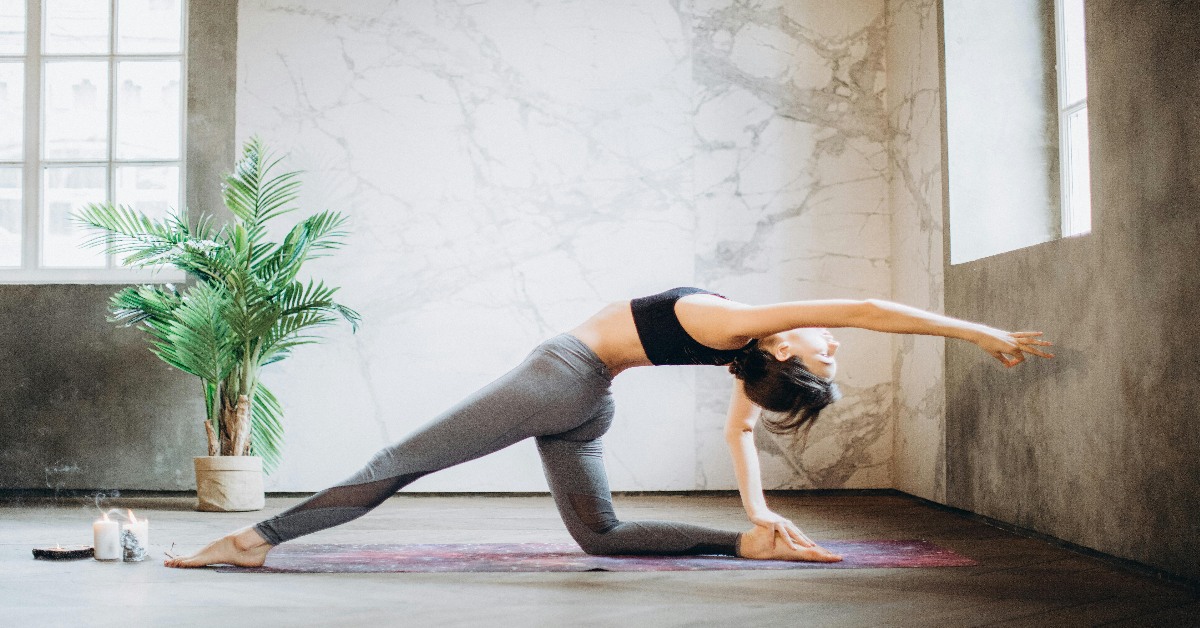
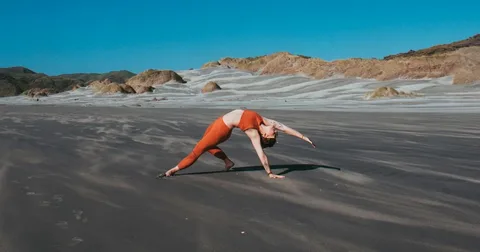
Wild Thing Yoga Pose, or Camatkarasana, is an advanced yoga pose that combines a backbend with a balancing movement. The pose involves lifting the hips while opening the chest and extending one arm overhead.
This posture is considered both a yoga backbend pose and a heart-opening yoga pose because it stretches the front body while strengthening the arms and legs.
Meaning of Camatkarasana
The Sanskrit word “Camatkarasana” translates to “the ecstatic unfolding of the enraptured heart.” The pose symbolizes freedom, confidence, and openness.
What Are the Benefits of the Wild Thing Yoga Pose?
The wild thing yoga pose benefits include both physical and mental improvements.
Physical Benefits
- Increases spinal flexibility.
- Opens the chest and shoulders.
- Strengthens the arms and legs.
- Improves balance and coordination.
- Enhances hip mobility.
- Builds core stability.
Mental Benefits
- Boosts confidence and energy.
- Encourages emotional openness.
- Reduces stress and tension.
- Improves focus and body awareness.
How to Do the Wild Thing Yoga Pose
Follow these wild thing yoga pose steps carefully.
Step 1: Start in Side Plank
Begin in side plank pose with your right hand on the floor and your feet stacked.
Step 2: Bend the Top Knee
Bend your left knee and place your left foot behind your body.
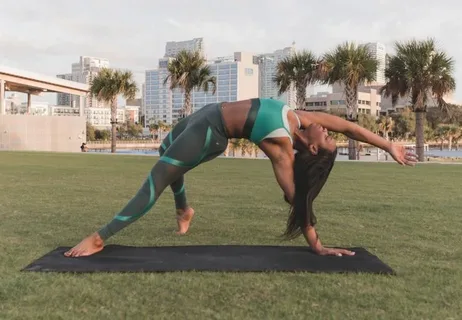
Step 3: Lift the Hips
Press through the grounded hand and foot while lifting your hips upward.
Step 4: Open the Chest
Extend the top arm overhead and allow your chest to rotate upward.
Step 5: Hold and Breathe
Maintain the pose for several breaths before returning to the starting position.
Which muscles does the Wild Thing Pose Work?
Wild Thing Pose activates several muscle groups:
- Shoulders
- Chest muscles
- Core muscles
- Glutes
- Hamstrings
- Hip flexors
- Spinal muscles
- Leg muscles
This makes it one of the best yoga poses for strength and balance.
Beginner Modifications for Wild Thing Pose
If you are new to the pose, these modifications can help:
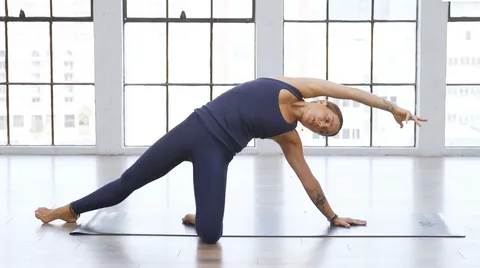
- Keep the supporting knee on the floor.
- Lift the hips only slightly.
- Practice the Side Plank first.
- Use yoga blocks for additional support.
- Focus on chest opening before attempting a deep backbend.
Wild Thing Pose Variations
Several wild thing pose variations can suit different skill levels.
Supported Wild Thing
Keep one knee grounded for stability.
Full Wild Thing Pose
Perform the complete backbend with lifted hips and extended arms.
Side Plank Transition
Move between Side Plank and Wild Thing to build strength.
Common Wild Thing Pose Mistakes
Avoid these common wild thing pose mistakes:
- Dropping the hips too low.
- Overarching the lower back.
- Collapsing the supporting shoulder.
- Holding the breath.
- Turning the neck excessively.
- Entering the pose without proper warm-up.
Who Should Avoid Wild Thing Yoga?
You should avoid or modify the pose if you have:
- Shoulder injuries.
- Wrist pain.
- Lower back issues.
- Neck injuries.
- Recent surgeries.
- Balance problems.
Consult a qualified yoga instructor if needed.
Tips for Practicing Wild Thing Safely
Warm Up Properly
Prepare your body with gentle backbends and shoulder stretches.
Engage the Core
Core engagement protects the lower back.
Breathe Deeply
Steady breathing helps maintain stability.
Progress Gradually
Do not force the depth of the backbend.
Conclusion
The Wild Thing Yoga Pose is a powerful heart-opening posture that improves strength, flexibility, and confidence. By practicing proper alignment and progressing gradually, you can safely enjoy the many benefits of Camatkarasana while enhancing balance, spinal mobility, and overall well-being.
FAQs
What is the Wild Thing Yoga Pose?
Wild Thing Pose, or Camatkarasana, is a heart-opening backbend that combines balance, strength, and flexibility.
What are the benefits of the Wild Thing Pose?
The pose improves flexibility, opens the chest, strengthens the body, and increases energy and confidence.
Is the Wild Thing Pose suitable for beginners?
Beginners can practice modified versions with proper guidance and gradual progression.
How long should you hold Wild Thing Pose?
Most practitioners hold the pose for 3 to 5 breaths on each side.
What are the common mistakes in the Wild Thing Pose?
Common mistakes include collapsing the shoulder, overextending the lower back, and failing to engage the core muscles.