Introduction
A yoga novice is someone who is new to yoga and is just beginning to explore the practice. Whether you consider yourself a yoga beginner, yoga learner, yoga student, or new yoga practitioner, everyone starts at the same place, learning the basics.
Today, beginner yoga is more popular than ever because it offers physical, mental, and emotional benefits. From improving flexibility to promoting mindful living, yoga helps people develop healthier habits and a deeper connection with themselves.
In this guide, you’ll learn what a yoga novice is, the benefits of yoga for beginners, how to start a sustainable yoga practice, and how a beginner can eventually pursue yoga certification or yoga teacher training.
What Is a Yoga Novice?
Yoga Novice Meaning Explained
A yoga novice is a person with little or no previous experience practicing yoga. Unlike experienced practitioners, a beginner is still developing basic movement patterns, breathing techniques, and yoga knowledge.
A yoga novice may also be referred to as
- Yoga beginner
- Yoga learner
- Yoga student
- New yoga practitioner
Common signs of a beginner include:
- Learning basic yoga poses
- Exploring yoga foundations
- Building yoga awareness
- Developing yoga skills
- Starting a personal yoga journey
The Typical Journey of a Yoga Beginner
Every yoga journey starts with learning simple movements and breathing exercises.
| Stage | Focus |
| Beginner | Learning yoga foundations |
| Intermediate | Improving consistency and confidence |
| Advanced | Deepening yoga philosophy and practice |
| Teacher Path | Pursuing yoga education and certification |
Over time, yoga learning becomes a path of self-discovery, personal growth, and transformation.
Why Yoga for Beginners Is More Than Physical Exercise
Physical Benefits of Beginner Yoga
Many people start yoga for fitness, but the benefits extend much further.
Benefits include:
- Improved flexibility
- Better posture
- Increased mobility
- Enhanced balance
- Stronger mind-body connection
- Greater resilience
A consistent daily yoga practice can help beginners feel stronger and more energized.
Mental and Emotional Benefits of Yoga Practice
Yoga supports mental well-being through:
- Mindfulness
- Meditation practice
- Breathwork
- Presence
- Self-awareness
- Inner clarity
Regular meditation and breathwork can help calm the mind and reduce stress.
Wellness Through a Holistic Yoga Practice
A holistic yoga practice focuses on the whole person rather than just physical postures.
Benefits include:
- Improved emotional health
- Better self-regulation
- Increased harmony
- Greater wellness through yoga
- Long-term healthy habits
Yoga becomes a healing practice that supports mind, body, and spirit.
Understanding Yoga Philosophy as a Beginner
The Yoga Roots Every Beginner Should Know
Yoga is an ancient system that extends beyond exercise.
Important concepts include:
- Yoga history
- Yoga traditions
- Yoga roots
- Yogic principles
- Authentic yoga
Learning yoga philosophy helps beginners understand the deeper purpose behind the practice.
Yoga Ethics and Everyday Living
Yoga encourages ethical living through values such as the following:
- Compassion
- Honesty
- Self-discipline
- Respect
These principles help practitioners bring yoga off the mat into daily life.
The Eight Limbs of Yoga for Beginners
The Eight Limbs of Yoga provide a complete framework for personal development.
They teach:
- Ethical behavior
- Self-discipline
- Meditation
- Concentration
- Self-awareness
This approach helps beginners experience yoga beyond the postures.
How to Start a Daily Yoga Practice as a Yoga Novice
Creating a Beginner-Friendly Yoga Routine
Start small and stay consistent.
Tips:
- Practice 10–20 minutes daily
- Focus on basic poses
- Add breathing exercises
- Track progress
Consistency matters more than intensity.
Choosing the Right Beginner Yoga Style
Popular beginner-friendly styles include:
| Style | Best For |
| Hatha Yoga | Learning fundamentals |
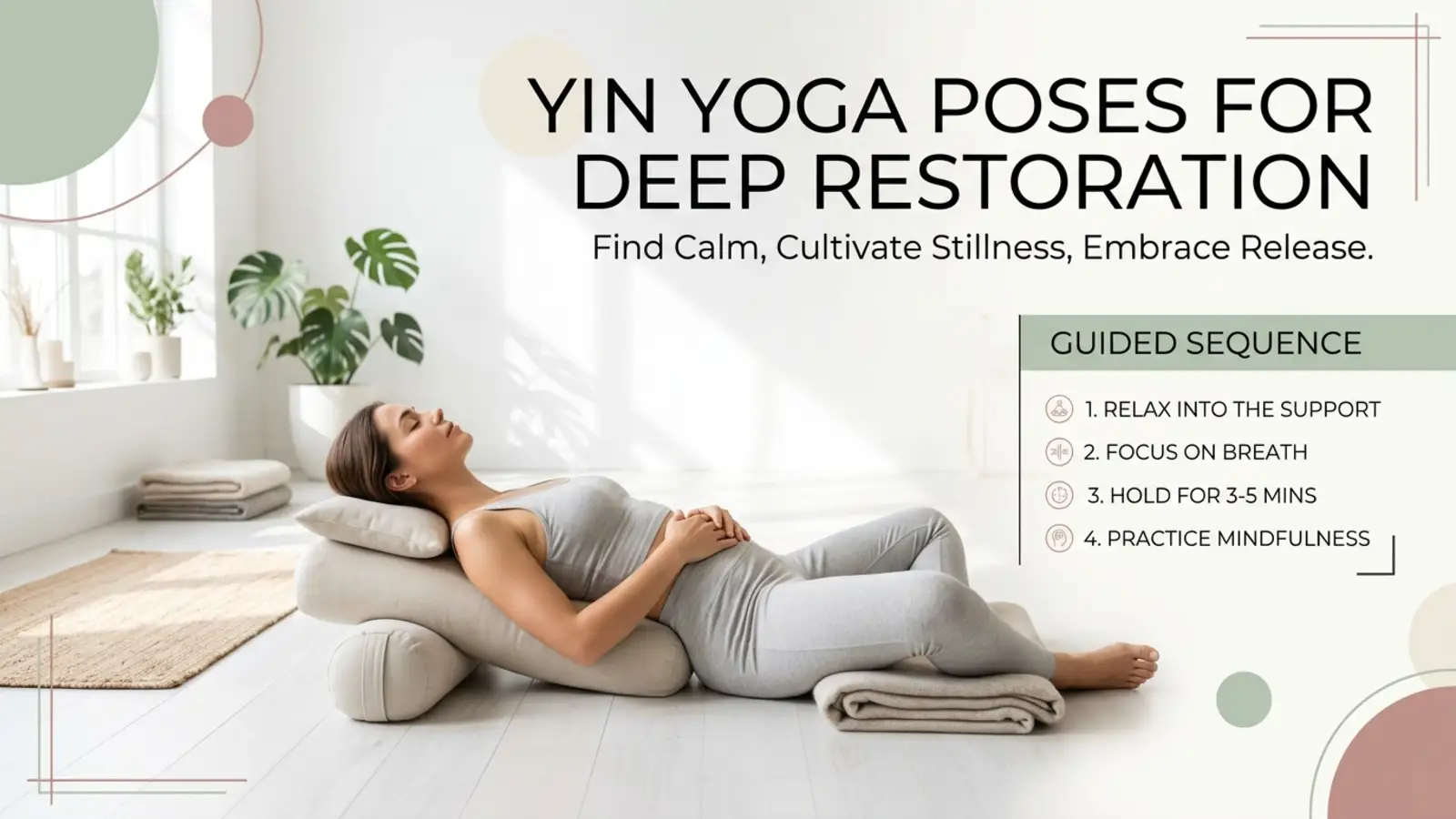
| Yin Yoga | Flexibility and relaxation |
| Restorative Yoga | Stress reduction |
| Gentle Flow | Building confidence |
These options make yoga accessible and support the idea that yoga is for everyone.
Common Mistakes New Yoga Practitioners Make
Avoid these mistakes:
- Comparing yourself to others
- Practicing inconsistently
- Ignoring recovery
- Rushing progress
- Focusing only on physical poses
Essential Tools for Yoga Beginners
Meditation and Breathwork for New Practitioners
Focus and awareness are increased through breathwork and meditation.
Helpful grounding tools include:
- Guided meditation
- Deep breathing
- Journaling
- Mindful walking
Building a Strong Mind-Body-Heart Connection
Yoga promotes:
- Self-awareness
- Mind-body-heart connection
- Emotional balance
- Yoga growth
This connection is a major reason many people continue practicing long-term.
Developing a Sustainable Yoga Lifestyle
A healthy yoga lifestyle includes:
- Mindful living
- Yoga consciousness
- Yoga self-discovery
- Yoga empowerment
- Daily reflection
Can a Yoga Novice Become a Certified Yoga Teacher?
The First Step Toward Becoming a Certified Yoga Teacher
Yes. Every certified yoga teacher starts as a beginner.
Many aspiring yoga teachers begin by:
- Deepening their practice
- Studying yoga philosophy
- Participating in yoga education programs
Beginner Yoga Teacher Training Options
Popular options include:
- Yoga training for beginners
- Beginner yoga teacher training
- Beginner yoga education programs
- Beginner-friendly yoga training
What Is a 100-Hour Yoga Teacher Training?
A 100-hour yoga teacher training, or 100-hour YTT, introduces students to:
- Yoga philosophy
- Teaching basics
- Meditation
- Anatomy
- Personal development
It is often considered the initial step in obtaining certification as a yoga instructor.
Online Yoga Teacher Training and Certification for Beginners
Benefits of Online Yoga Teacher Training
Advantages include:
- Flexible yoga learning
- Self-paced yoga learning
- Online yoga curriculum
- Study from anywhere
Choosing the Right Self-Paced Yoga Course
Look for:
- Experienced instructors
- Comprehensive curriculum
- Practical learning opportunities
- Clear certification pathways
Many beginners choose an online 100-hour yoga teacher training because of its flexibility.
Understanding Yoga Certification for Beginners
When selecting a program, consider:
- Yoga certification online options
- Affordable yoga certification
- Affordable yoga teacher training certification
- Continuing yoga education opportunities
Exploring Modern Approaches to Yoga Education
Trauma-Informed Yoga Training for Beginners
Yoga that is trauma-informed fosters a secure and encouraging atmosphere.
Benefits include:
- Increased comfort
- Greater body awareness
- Improved emotional regulation
Holistic Yoga Teacher Training
Holistic programs focus on:
- Mind-body integration
- Personal growth
- Holistic yoga philosophy
- Authentic yoga practice
Yoga and Meditation Courses for Personal Growth
A quality yoga and meditation course can support:
- Yoga development
- Yoga exploration
- Yoga immersion
- Long-term personal growth
The Power of Community in Yoga
Building Meaningful Connections Through Yoga
Yoga often creates opportunities for:
- Relationship building
- Meaningful conversations
- Authentic connection
- Community support
Connection-Centered Yoga and Community Growth
Connection-centered yoga encourages:
- Yoga for connection
- Community building
- Communal growth
- Stronger relationships
Community Service and Yoga for the Common Good
Many practitioners use yoga as a tool for:
- Community service through yoga
- Collective healing
- Compassionate living
- Yoga for the common good
Yoga and Social Impact
Understanding Social Justice Yoga
Social justice yoga explores how yoga can contribute to the following:
- Equity
- Inclusion
- Community wellness
- Relational activism
Yoga as a Path to Liberation and Compassion
Yoga encourages:
- Compassion
- Liberation through yoga
- Personal responsibility
- Positive social change
Conclusion: Starting Your Yoga Journey with Confidence
Being a yoga novice is the beginning of an exciting journey. Whether your goal is improving flexibility, developing mindfulness, exploring yoga philosophy, or eventually pursuing yoga certification for beginners, the key is to start consistently.
Focus on building a sustainable practice, learning the foundations, and embracing gradual growth. Yoga develops into much more than just physical activity over time; it becomes a means of achieving self-awareness, wellness, deep connection, and transformation throughout one’s life.
FAQs
1. What is a yoga novice?
A yoga novice is someone who is new to yoga and is learning the basic poses, breathing techniques, and principles of the practice.
2. How frequently should a novice do yoga?
Most beginners benefit from practicing yoga 3–5 times per week or starting with a short daily yoga practice.
3. Do I need to be flexible before starting yoga?
No. Flexibility is developed through consistent practice, making yoga suitable for people of all fitness levels.
4. Can a beginner join a yoga teacher training program?
Yes. Many beginner yoga teacher training programs and 100-hour yoga teacher training courses are designed specifically for newcomers.
5. Is online yoga teacher training worth it?
Online yoga teacher training can be a flexible and affordable option for beginners who want to deepen their practice or pursue certification.