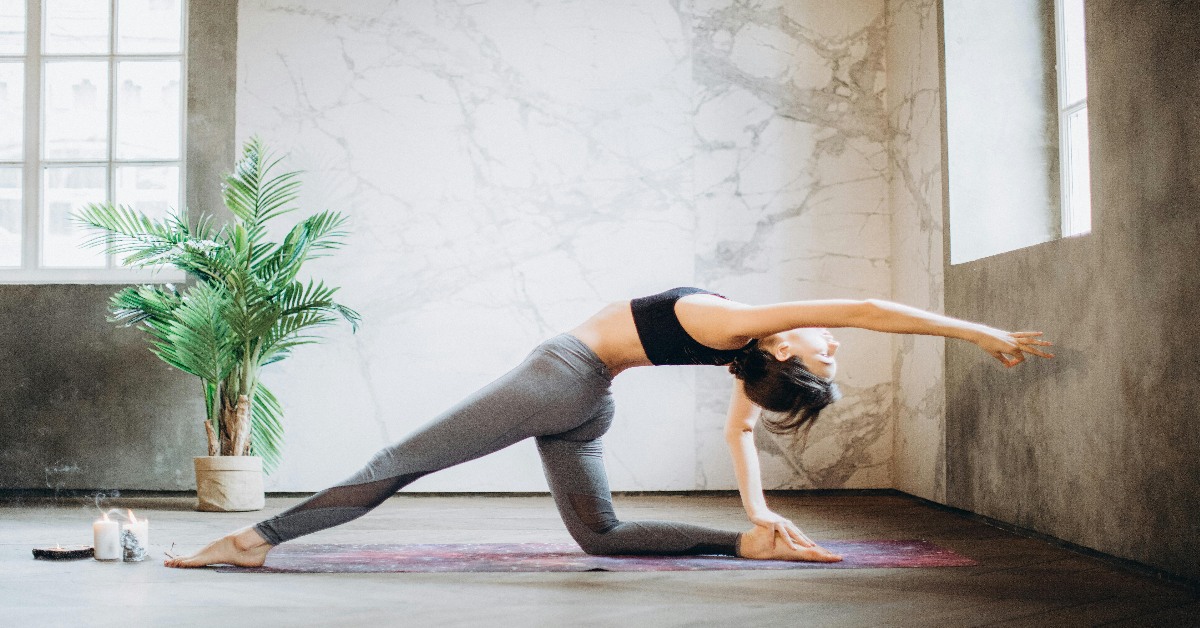
Starting your day with morning yoga is one of the easiest ways to improve both your physical and mental well-being. Instead of reaching for your phone or rushing into work, spending just 10–20 minutes practicing yoga can wake up your muscles, improve circulation, reduce stiffness, and prepare your mind for the day ahead.
Morning yoga is suitable for beginners and experienced practitioners alike. It combines gentle stretching, mindful breathing, and simple poses that increase flexibility, strengthen the body, and promote a calm, focused mindset. Whether your goal is to reduce stress, improve posture, or simply feel more energized, a consistent morning yoga routine can make a noticeable difference.
Benefits of Morning Yoga
Practicing yoga first thing in the morning offers several health benefits.

Physical Benefits
- Improves flexibility
- Reduces muscle stiffness
- Increases blood circulation
- Strengthens muscles
- Enhances posture
- Improves balance
- Supports joint mobility
Mental Benefits
- Boosts energy naturally
- Improves focus
- Reduces stress
- Promotes mindfulness
- Enhances mood
- Encourages positive thinking
Why Practice Yoga in the Morning?
Morning is often the best time to practice yoga because your mind is fresh and there are fewer distractions. A short session helps wake up the body after sleep, loosen tight muscles, and create healthy momentum for the rest of the day.
Unlike high-intensity workouts, morning yoga gently activates the body without causing excessive fatigue.
Best Morning Yoga Poses
1. Mountain Pose (Tadasana)
Mountain Pose improves posture and encourages deep breathing.
Benefits
- Improves balance
- Promotes body awareness
- Strengthens posture
2. Cat-Cow Stretch
This flowing movement warms up the spine and reduces stiffness.
Benefits
- Improves spinal mobility
- Relieves back tension
- Enhances flexibility
3. Downward-Facing Dog
The body is stretched in this traditional position.
Benefits
- Lengthens the spine
- Strengthens arms and shoulders
- Increases flexibility
4. Child’s Pose
A relaxing stretch that gently releases tension.
Benefits
- Calms the mind
- Relieves lower back tightness
- Encourages relaxation
5. Cobra Pose
Cobra strengthens the back while opening the chest.
Benefits
- Improves posture
- Strengthens spinal muscles
- Stretches the abdomen
6. Low Lunge
Low lunge stretches the hip flexors and legs.
Benefits
- Improves hip mobility
- Enhances balance
- Reduces stiffness
7. Standing Forward Fold
This pose gently stretches the hamstrings and back.
Benefits
- Improves flexibility
- Relieves muscle tightness
- Promotes relaxation
8. Tree Pose
Tree Pose develops concentration and balance.
Benefits
- Strengthens legs
- Improves stability
- Enhances focus
9. Seated Forward Bend
A gentle seated stretch for the back and legs.
Benefits
- Improves flexibility
- Reduces stress
- Stretches the spine
10. Corpse Pose (Savasana)
Finish your morning routine with complete relaxation.
Benefits
- Lowers stress
- Calms the nervous system
- Promotes mindfulness

15-Minute Morning Yoga Routine
| Pose | Time |
| Mountain Pose | 1 minute |
| Cat-Cow | 2 minutes |
| Downward Dog | 1 minute |
| Low Lunge | 2 minutes |
| Cobra Pose | 1 minute |
| Child’s Pose | 2 minutes |
| Standing Forward Fold | 2 minutes |
| Tree Pose | 2 minutes |
| Seated Forward Bend | 1 minute |
| Savasana | 1 minute |
Tips for a Successful Morning Practice
- Wake up a few minutes earlier.
- Practice on an empty stomach when possible.
- Wear comfortable clothing.
- Focus on slow, controlled breathing.
- Move gently and avoid rushing.
- Stay consistent by practicing most days of the week.
- Drink water after your session.
Common Mistakes to Avoid
- Skipping your warm-up
- Holding your breath
- Pushing beyond your flexibility
- Practicing with poor alignment
- Comparing yourself to others
- Being inconsistent
Who Should Practice Morning Yoga?
Morning yoga is ideal for:
- Beginners
- Office workers
- Students
- Older adults
- Athletes
- Anyone looking to improve flexibility, posture, energy, and stress management.
If you have a recent injury, chronic pain, or a medical condition, consult a healthcare professional before starting a new exercise routine.

Vocabulary
| Word | Meaning |
| Flexibility | Ability of muscles and joints to move freely |
| Balance | Ability to stay stable |
| Posture | Position of the body |
| Mobility | Ease of movement |
| Mindfulness | Awareness of the present moment |
| Circulation | Movement of blood through the body |
| Alignment | Proper body positioning |
| Stamina | Ability to sustain physical activity |
| Relaxation | State of being calm |
| Routine | A regular series of activities |
Conclusion
Adding morning yoga to your daily routine is a simple yet powerful way to improve your overall health. Even 10–15 minutes each morning can increase energy, reduce stiffness, improve flexibility, strengthen muscles, and help you start the day with a calm, focused mind. With consistent practice, morning yoga can become a healthy habit that supports both physical fitness and mental well-being.
FAQs
1. What are the benefits of morning yoga?
Morning yoga helps increase energy, improve flexibility, reduce stress, strengthen muscles, improve posture, and promote better focus throughout the day.
2. Is morning yoga good for beginners?
Yes. Gentle morning yoga routines are suitable for beginners and can be modified to match different fitness levels.
3. How long should a morning yoga session be?
A session of 10–20 minutes is enough for most people to experience noticeable health benefits.
4. Should I do morning yoga before or after breakfast?
Morning yoga is generally best practiced on an empty stomach or at least 2–3 hours after eating.
5. Can morning yoga help with weight loss?
Morning yoga supports weight management by encouraging daily movement, improving metabolism, reducing stress, and promoting healthy lifestyle habits.