Side planks are one of the most effective bodyweight exercises for building core strength, improving balance, and enhancing overall stability. Unlike traditional planks, the side plank exercise specifically targets the obliques while engaging the shoulders, hips, and deep core muscles. Whether you’re a beginner or an experienced fitness enthusiast, incorporating side planks into your routine can enhance posture, athletic performance, and functional strength.
What Is a Side Plank Exercise?
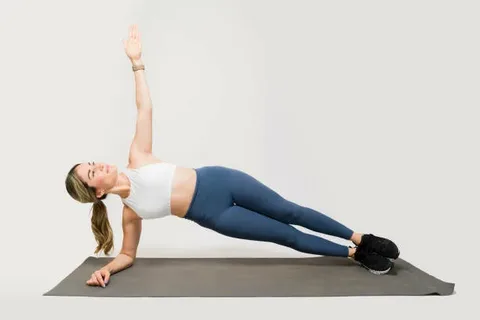
A side plank exercise is a core-strengthening movement performed by supporting your body on one forearm or hand while keeping your body aligned in a straight line from head to feet.
The exercise requires you to maintain a stable side plank position, engaging your core muscles to prevent the hips from dropping.
Why Are Side Planks Important for Core Strength?
The primary reason many trainers recommend side plank training is its ability to activate multiple muscle groups simultaneously.
Muscles Worked During Side Planks
- Obliques
- Transverse abdominis
- Rectus abdominis
- Glutes
- Shoulders
- Lower back muscles
- Hip stabilizers
This makes the side plank core exercise an excellent addition to any fitness program.
Top Benefits of Side Planks
1. Strengthens the Core
One of the most recognized side plank benefits is improved core strength.
The exercise targets deep abdominal muscles that support the spine and help stabilize the body during movement.
How It Helps
- Improves trunk stability
- Enhances functional movement
- Supports everyday activities
- Reduces reliance on lower back muscles
2. Improves Stability and Balance
Maintaining a side plank hold requires constant activation of stabilizing muscles.
Stability Benefits
- Better body control
- Improved coordination
- Enhanced athletic performance
- Greater joint support
This is why side planks are commonly included in sports conditioning programs.
3. Builds Stronger Obliques
The obliques play a key role in rotational movement and lateral stability.
A regular side plank workout effectively strengthens these muscles, helping improve overall core performance.
Benefits of Strong Obliques
- Better posture
- Increased rotational power
- Improved balance
- Reduced injury risk
4. Supports Better Posture
Weak core muscles are often the cause of poor posture. Strengthening your core can significantly improve your posture.
A consistent side plank posture routine helps strengthen muscles responsible for maintaining spinal alignment.
Posture Improvements
- Reduced slouching
- Better shoulder alignment
- Improved standing posture
- Enhanced body awareness
5. Helps Reduce Lower Back Strain
Unlike some abdominal exercises that place pressure on the spine, side planks can strengthen supporting muscles without excessive spinal stress.
Why It Works
- Supports the lower back
- Improves spinal stability
- Strengthens surrounding muscles
- Encourages proper movement patterns
How to Do a Side Plank Correctly
Learning how to do a side plank with proper technique is essential for maximizing results.
Step-by-Step Instructions
Step 1: Start on Your Side
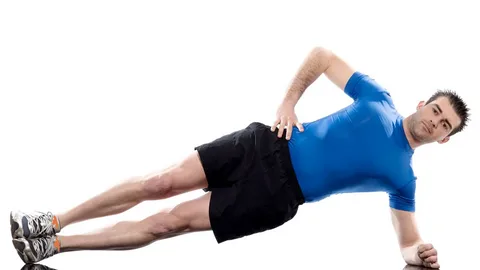
Lie on one side with your legs extended and stacked.
Step 2: Position Your Elbow
Place your elbow directly beneath your shoulder.
Step 3: Lift Your Hips
Lift your hips until your shoulders and heels are in a straight line.
Step 4: Engage Your Core
Tighten your abdominal muscles and keep your spine neutral.
Step 5: Hold the Position
Maintain the position while breathing normally.
This proper side plank form helps prevent unnecessary strain and improves effectiveness.
Common Side Plank Form Mistakes
Many beginners make errors that reduce the exercise’s effectiveness.
Avoid These Mistakes
- Letting hips sag
- Rotating the torso
- Holding the breath
- Raising hips too high
- Placing the elbow too far from the shoulder
Using proper side plank technique ensures safer and more effective workouts.
Side Plank for Beginners
A side plank for beginners can be modified to make the movement more accessible.
Modified Side Plank
Instead of supporting your body on your feet, bend your lower knee and place it on the floor.
Benefits
- Less pressure on the shoulders
- Easier balance control
- Improved confidence
- Gradual strength development
This modified side plank is ideal for those new to core training.
Easy Side Plank Variations
Once comfortable with the basic version, try these easy side plank variations.
Kneeside Knee Side Plank
Keeps one knee on the floor for added support.
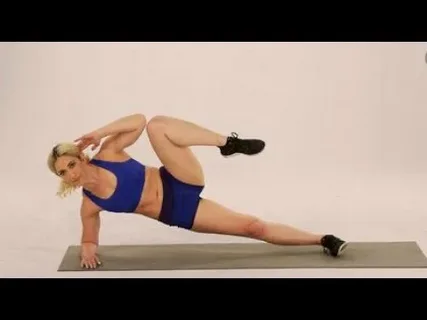
Side Plank with Leg Lift
Adds a balance challenge while strengthening the hips.
Side Plank Reach Through
Improves mobility and rotational control.
Arm-Extended Arm Side Plank
Performed on the hand instead of the forearm for increased difficulty.
How Long Should You Hold a Side Plank for Best Results?
The ideal side plank hold duration depends on your fitness level.
| Fitness Level | Hold Time |
| Beginner | 15–20 seconds |
| Intermediate | 30-45 seconds |
| Advanced | 60+ seconds |
Focus on maintaining proper alignment rather than holding the position for an excessive time.
Side Plank Tips for Better Results
Follow These Tips
- Keep your body in a straight line
- Engage your core throughout the exercise
- Avoid holding your breath
- Practice both sides equally
- Increase duration gradually
These side plank tips can help improve performance and reduce injury risk.
Vocabulary
| Word | Meaning |
| Core | Muscles supporting the trunk and spine |
| Obliques | Side abdominal muscles |
| Stability | Ability to maintain balance and control |
| Alignment | Proper positioning of the body |
| Endurance | Ability to sustain activity over time |
| Posture | Position of the body while standing or sitting |
| Technique | Correct method of performing an exercise |
| Balance | Ability to remain steady |
| Strength | Capacity of muscles to generate force |
| Mobility | Ability to move freely and efficiently |
Conclusion
The side plank exercise is a powerful movement for building core strength, improving stability, enhancing posture, and supporting overall fitness. Whether you’re performing a beginner side plank or progressing to advanced variations, consistent practice can strengthen your core muscles and improve body control. By focusing on proper side plank form and gradually increasing difficulty, you can maximize the many benefits this simple yet effective exercise provides.
FAQs
What are the benefits of side planks?
Side planks strengthen the core, improve balance, enhance posture, build oblique strength, and support spinal stability.
How Long Can Beginners Safely Hold a Side Plank?
Beginners can start by holding a side plank for 15 to 20 seconds on each side and gradually increase the duration.
Do side planks help build abs?
Yes, side planks engage the abdominal muscles, particularly the obliques, making them effective for core development.
What is the proper side plank form?
Proper side plank form involves keeping the body in a straight line, engaging the core, and positioning the elbow directly under the shoulder.
Are modified side planks effective for beginners?
Yes, modified side planks help beginners build strength, improve stability, and learn proper technique before progressing to more challenging variations.