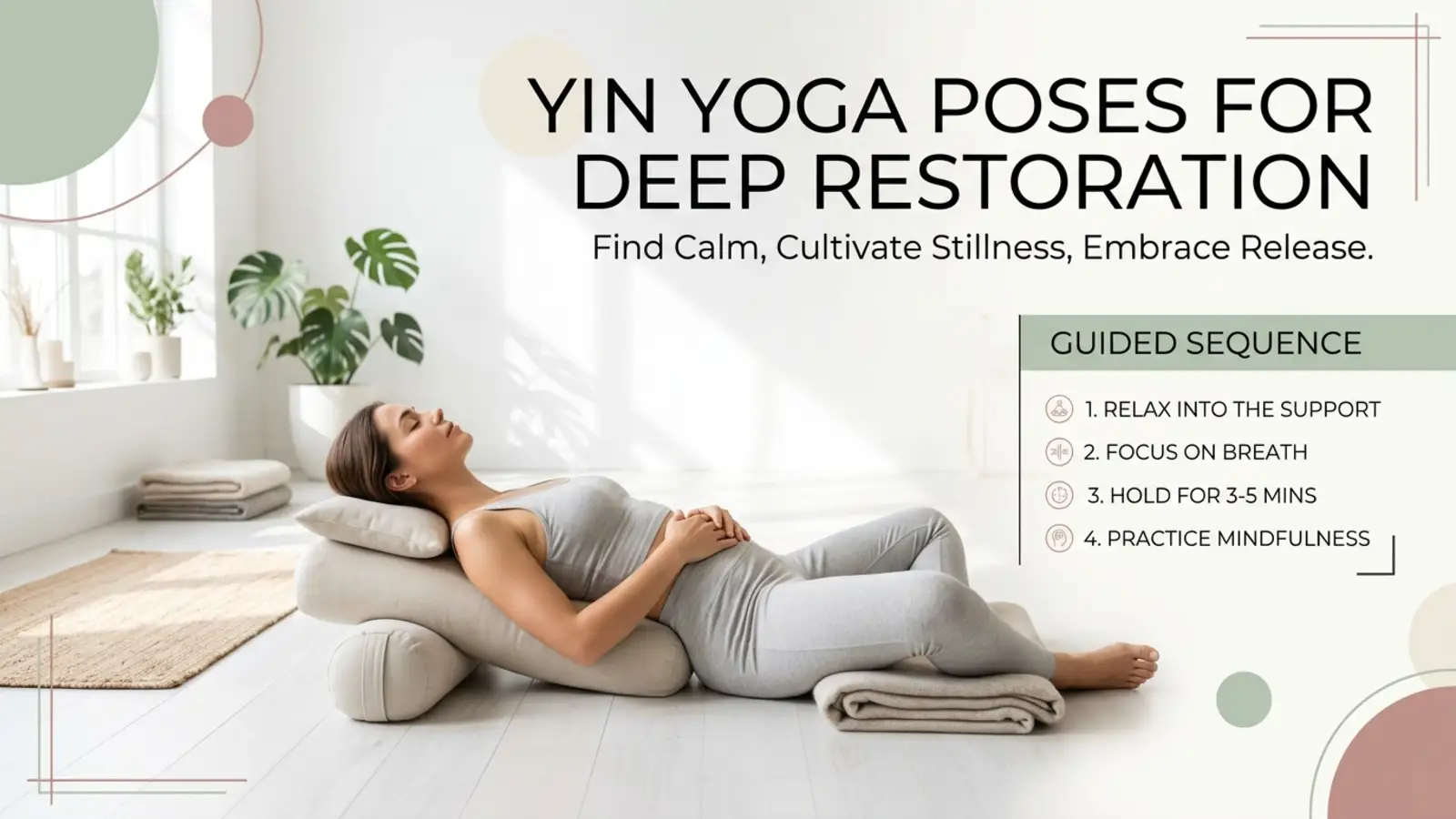
Recovering from pain, injury, or limited mobility can feel frustrating, especially when everyday movements become uncomfortable. Many people are now turning to yoga for physical therapy because it offers a gentle and natural way to support healing, improve flexibility, and restore movement.
Unlike intense workouts, therapeutic yoga focuses on slow, controlled movement combined with breathing and mindfulness. This approach helps the body recover safely while also reducing stress and improving overall wellness.
Today, healthcare professionals increasingly combine yoga and physical therapy because both focus on restoring strength, mobility, posture, and body awareness. Beginners can benefit from practicing simple yoga exercises at home to improve flexibility, balance, and recovery without overwhelming the body.
This beginner’s guide explains how yoga therapy works, its health benefits, the best poses to start with, and how to safely build a home recovery routine.

What Is Therapeutic Yoga in Physical Therapy?
Understanding Yoga Physical Therapy
Yoga physical therapy combines traditional yoga movements with rehabilitation principles used in physical therapy. The goal is to improve movement, support healing, and reduce discomfort through safe and controlled exercises.
Unlike regular yoga classes designed mainly for fitness, physical therapy yoga focuses on recovery and functional movement. It is often used for:
- Injury rehabilitation
- Chronic pain management
- Posture correction
- Mobility improvement
- Muscle recovery
- Stress reduction
Many rehabilitation specialists now include yoga-based physical therapy in treatment plans because it helps strengthen muscles without placing excessive stress on the body.
In many cases, clinical yoga therapy includes stretching exercises, breathing techniques, guided relaxation, and posture-focused movements designed for beginners and recovery patients.
How Therapeutic Yoga Supports Healing
The growing popularity of therapeutic yoga comes from its ability to connect physical healing with mental wellness. It combines principles of eastern philosophy healing with modern rehabilitation practices found in western medicine and yoga programs.
This balanced approach encourages both physical recovery and emotional wellness.
Benefits of Integrative Yoga Therapy
| Benefit | How It Helps |
| Improved flexibility | Reduces muscle stiffness |
| Better mobility | Supports healthy joint movement |
| Stress reduction | Calms the nervous system |
| Pain management | Encourages gentle movement |
| Mind-body healing | Improves body awareness |
Integrative yoga therapy is commonly used as part of a complete yoga therapy treatment plan because it supports healing through movement, breathing, and relaxation.
Top Benefits of Yoga for Physical Therapy Recovery
Yoga for Mobility and Flexibility
One of the most important benefits of yoga is improved movement. Tight muscles and stiff joints can limit daily activities and increase discomfort over time. Practicing yoga regularly can help restore healthy movement patterns safely.
How Yoga Improves Mobility
- Increases range of motion
- Improves joint mobility
- Enhances muscle flexibility
- Reduces stiffness
- Supports better posture
Many beginners practice yoga for mobility because it helps the body move more comfortably without high-impact exercise.
Regular stretching and controlled movement also improve yoga for flexibility and mobility, making everyday activities easier and safer.
Yoga for Strength, Balance, and Posture
Yoga does more than improve flexibility. It also helps strengthen stabilizing muscles that support posture, balance, and coordination.
Benefits of Yoga for Strength and Balance
- Improves core strength
- Enhances body mechanics
- Supports posture correction
- Increases muscle balance
- Reduces risk of falls
Practicing yoga for strength and balance helps beginners build body awareness while improving overall movement quality.
Yoga for Pain Relief and Healing
Pain frequently lowers quality of life and restricts activity. Many people use yoga for pain relief because it encourages gentle stretching and relaxation without placing too much pressure on the joints.
Yoga may help relieve:
- Lower back pain
- Neck and shoulder tension
- Joint stiffness
- Muscle soreness
- Chronic pain symptoms
Studies also suggest that yoga therapy for chronic pain may help improve mobility while reducing stress-related tension in the body.
Regular practice of yoga for healing can support long-term pain management and recovery naturally.
How Yoga Helps Physical Therapy and Rehabilitation
Yoga for Injury Recovery and Rehabilitation
After an injury, the body often becomes stiff and weak due to limited movement. Therapeutic yoga for injury recovery focuses on gentle rehabilitation exercises that gradually restore flexibility and strength.
Benefits of Yoga Rehabilitation Exercises
- Improves mobility and rehabilitation
- Supports muscle recovery
- Encourages healthy movement patterns
- Enhances flexibility after injury
- Reduces stiffness and tension
Many beginners choose yoga for rehabilitation and healing because it allows them to recover slowly and safely at home.
Yoga for Muscle Recovery and Injury Prevention
Yoga is also helpful for active individuals and athletes. Stretching and mobility work can improve muscle recovery while reducing the risk of future injuries.
Benefits for Active Lifestyles
- Faster recovery after workouts
- Better muscle balance
- Improved flexibility
- Enhanced athletic performance
- Reduced injury risk
Practicing yoga for sports recovery and yoga for injury prevention athletes can improve movement quality and performance over time.

Best Beginner Yoga Therapy Exercises at Home
Gentle Therapeutic Yoga Warm-Up
Warming up the body helps improve circulation and prepare the muscles for movement.
Simple Warm-Up Exercises
- Neck mobility circles
- Shoulder rolls
- Gentle seated twists
- Cat-Cow Pose for spine mobility
These movements support therapeutic movement and help reduce stiffness before beginning yoga poses.
Beginner Yoga Poses for Physical Therapy
Child’s Pose
Child’s Pose gently stretches the hips, lower back, and spine while promoting relaxation.
Cobra Pose
Cobra Pose strengthens the back muscles and supports posture correction.
Bridge Pose
Bridge Pose improves core strength, glute activation, and spinal stability.
Legs-Up-the-Wall Pose
This relaxing pose improves circulation and reduces muscle fatigue.
Seated Forward Fold
Seated Forward Fold improves hamstring flexibility and lower back mobility.
These beginner-friendly yoga therapy exercises can improve balance, flexibility, and muscle recovery with regular practice.
Yoga Breathing Exercises for Healing
Breathing exercises are an important part of therapeutic yoga because they help calm the nervous system and improve relaxation.
Benefits of Yoga Breathing Exercises
- Reduces stress and anxiety
- Supports mindfulness
- Encourages emotional wellness
- Improves focus and relaxation
Popular breathing methods include:
- Deep belly breathing
- Slow meditative breathing yoga
- Relaxation breathing exercises
These breathing and relaxation techniques are commonly used in restorative yoga therapy and stress reduction programs.
Therapeutic Yoga for Mental Health and Stress Relief
Yoga for Anxiety and Depression
There is a close relationship between physical and mental wellness. Chronic stress and anxiety can increase muscle tension, fatigue, and pain.
Practicing yoga for anxiety and yoga for depression may help:
- Improve mood
- Promote emotional wellness
- Reduce stress levels
- Encourage mindfulness and relaxation
Gentle yoga movements combined with breathing exercises create a calming effect that supports mental well-being.
Yoga for Stress Reduction and Nervous System Healing
Stress affects the body’s nervous system and can contribute to tension, fatigue, and poor sleep. The body’s natural relaxing reaction is triggered by yoga.
Stress Relief Benefits of Yoga
| Benefit | Result |
| Relaxed breathing | Reduced stress levels |
| Improved sleep | Better recovery |
| Reduced muscle tension | Less discomfort |
| Better focus | Improved mindfulness |
Using yoga therapy for stress reduction regularly may improve overall mental health recovery and emotional balance.
Condition-Specific Yoga Therapy Benefits
Yoga for Lower Back Pain and Chronic Pain
Gentle yoga stretches may help reduce stiffness, improve posture, and relieve lower back discomfort.
Yoga for Aging Adults and Mobility
Older adults often practice yoga to improve balance, flexibility, and joint mobility safely.
Yoga for Athletes and Performance Enhancement
Athletes use yoga to improve flexibility, recovery, body awareness, and muscle balance.
Yoga for Sedentary Lifestyle Recovery
Yoga can reduce stiffness caused by prolonged sitting and improve posture correction.
Yoga for Pregnancy Recovery and Pelvic Floor Mobility
Certain yoga exercises may support pelvic floor mobility and gentle recovery after pregnancy.
Creating a Safe Yoga Physical Therapy Routine at Home
How Often Should Beginners Practice?
Beginners should start slowly and focus on consistency instead of intensity.
Recommended Beginner Routine
- 15–30 minute sessions
- 2–3 times weekly
- Gentle stretching and breathing exercises
As strength and mobility improve, sessions can gradually increase.
Safety Tips for Home Yoga Therapy
Important Safety Guidelines
- Avoid overstretching
- Move slowly and carefully
- Stop if pain increases
- Focus on posture and alignment
- Use yoga blocks or cushions if needed
Safe movement is important for long-term recovery and rehabilitation.
When to See a Physical Therapist
Consult a healthcare professional if you:
- Have severe pain
- Recently had surgery
- Experience balance problems
- Have chronic medical conditions
- Feel discomfort during exercise
Professional guidance can help ensure safe recovery and physical wellness improvement.

Final Thoughts on Yoga for Physical Therapy at Home
Practicing yoga for physical therapy at home is a simple and effective way to improve mobility, flexibility, strength, balance, and recovery. Whether you are healing from an injury, managing chronic pain, or improving posture, therapeutic yoga offers gentle support for both physical and emotional wellness.
The long-term therapeutic yoga benefits include better body awareness, reduced stress, improved movement, and enhanced recovery. By starting slowly and practicing consistently, beginners can safely experience the healing power of yoga at home.
FAQs
What is yoga for physical therapy?
Yoga for physical therapy combines gentle yoga movements, breathing exercises, and rehabilitation techniques to improve recovery and mobility.
Can therapeutic yoga help with chronic pain?
Yes, therapeutic yoga may reduce stiffness, improve flexibility, and support natural pain management.
Which yoga poses are best for injury recovery?
Child’s Pose, Cobra Pose, Bridge Pose, and Cat-Cow Pose are beginner-friendly options for recovery.
Is yoga good for mobility and flexibility?
Yes, yoga helps improve range of motion, joint mobility, and muscle flexibility.
Can beginners practice yoga therapy at home?
Of course. Many of the movements used in yoga therapy for beginners are simple and safe to perform at home.
How often should I do yoga for rehabilitation?
Beginners should practice 2–3 times per week using short and gentle sessions.
Does yoga help with stress and anxiety?
Yes, yoga breathing exercises and mindfulness techniques can reduce stress and support emotional wellness.
What type of yoga is best for physical therapy?
Gentle styles such as Hatha yoga, restorative yoga, and therapeutic yoga are ideal for beginners.
Can yoga improve posture and balance?
Yes, yoga strengthens stabilizing muscles and improves body awareness, posture, and balance.
Is yoga safe after an injury?
Yoga can be safe after injury when exercises are modified properly and approved by a healthcare professional.