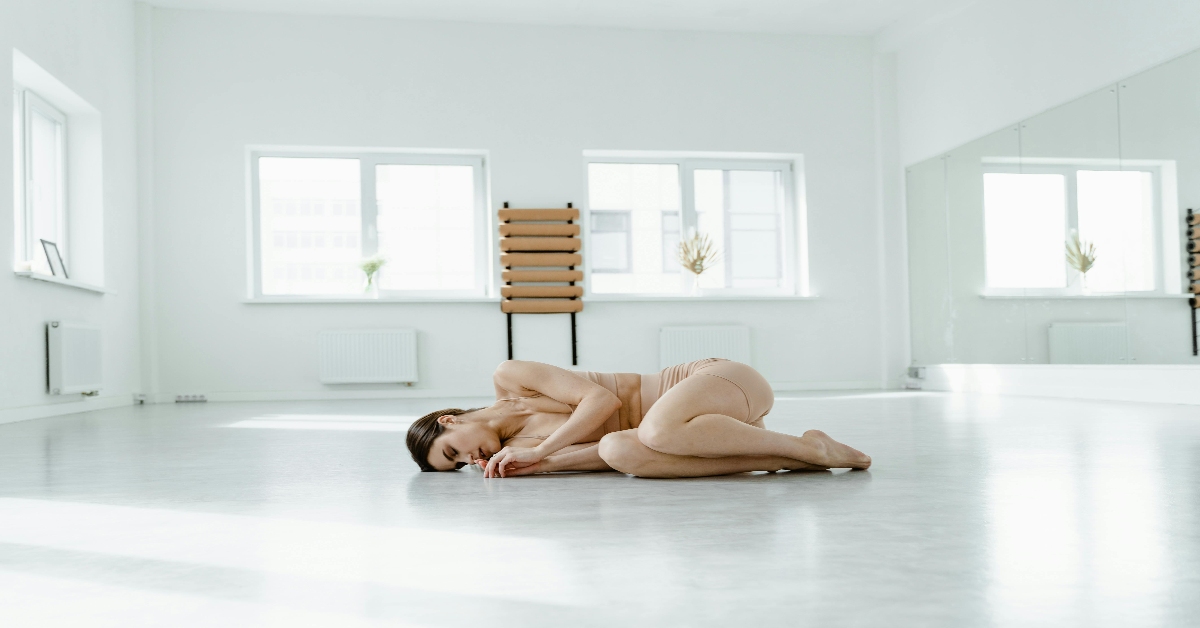
Child pose yoga is one of the most calming and restorative practices in modern yoga. Also known as child’s pose or Balasana, this gentle yoga pose is widely used in restorative yoga for relaxation, recovery, and mindfulness and has 10 amazing benefits.
This restorative pose supports:
- Stress relief and emotional balance
- Improved flexibility and mobility
- Better breathing and mindfulness
- Gentle full-body recovery
It is a foundational beginner yoga pose and an essential part of many yoga routines.
What is Child Pose Yoga (Balasana)?
Understanding Child’s Pose in Yoga
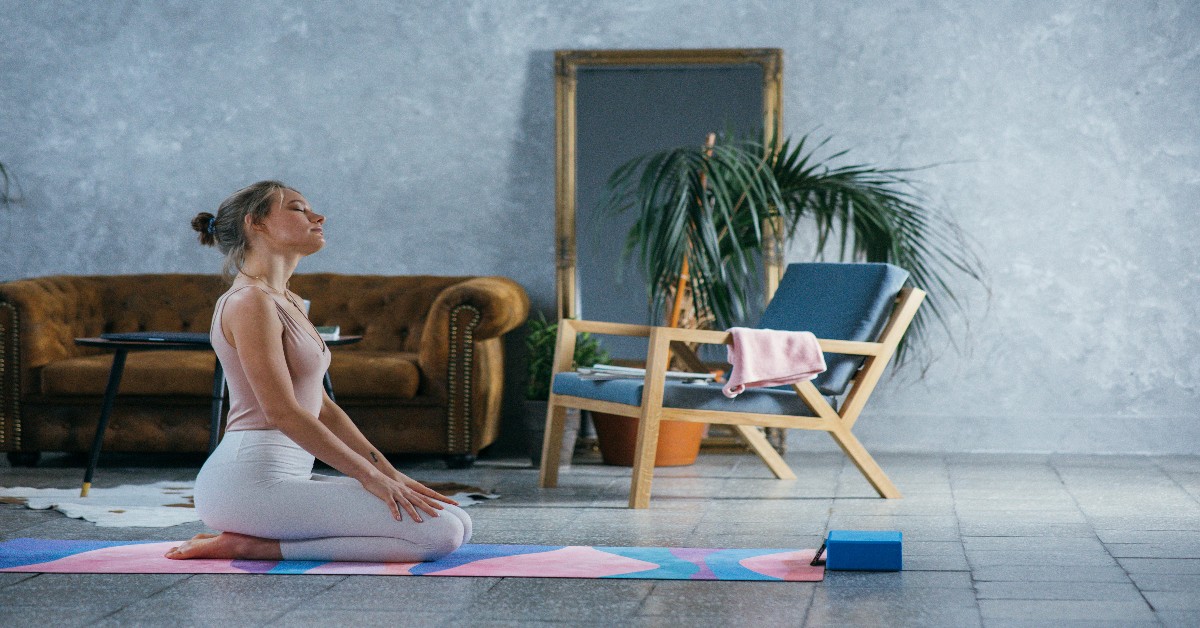
Balasana is a classic yoga posture where the body folds forward into a resting position.
Key features:
- A natural resting yoga pose
- Used as a transitional yoga pose
- Considered a deeply calming yoga posture
- Suitable for all levels, especially beginners
Why Child’s Pose Is Important in Restorative Yoga
In restorative yoga, the child’s pose helps the body relax deeply.
Benefits include:
- Activates nervous system relaxation
- Supports slow, deep breathing
- Encourages full-body restorative relaxation
Correct Child’s Pose Techniques for Novices
Step-by-Step Guide on How to Do Child’s Pose
Follow these simple steps for correct alignment:
- Start in a kneeling position with knees together or hip-distance apart
- Lower torso with forehead to floor
- Extend arms forward or place palms turned up
- Keep tailbone down
- Maintain a long spine
- Ensure proper neck alignment and a neutral neck
- Relax your shoulders with correct shoulder positioning
- Sit comfortably on heels (seated on heels)
Child’s Pose Breathing Technique for Relaxation
Breathing is the key to this pose:
- Focus on breath awareness
- Expand ribs with rib expansion
- Practice slow breathing exercises
- Improve the mindfulness yoga experience
Child Pose Yoga Alignment Tips
Proper alignment improves safety and comfort:
- Maintain correct yoga alignment
- Avoid a collapsing chest or neck
- Keep gentle spine extension
- Avoid pressure on the hips or shoulders
10 Amazing Benefits of Child Pose Yoga
1. Stress Relief and Emotional Calm
- Supports stress-relief yoga
- Reduces anxiety and tension
- Promotes calming pose experience
2. Improves Spine Stretch and Back Health
- Deep spine stretch
- Supports spinal lengthening
- Helps lower back stretch
- Useful for child’s pose yoga for back pain
3. Enhances Hip, Thigh, and Ankle Flexibility
- Gentle hip stretch
- Improves thigh stretch
- Supports ankle stretch
- Boosts flexibility improvement
4. Relieves Neck and Shoulder Tension
- Improves shoulder relaxation
- Supports a gentle neck stretch
- Reduces stiffness in the upper body
5. Supports Healthy Digestion
- Helps massage organs
- Improves digestion improvement
- Useful for the child’s pose for digestion
6. Full Body Relaxation and Recovery
- Works as a full-body stretch
- Improves mobility improvement
- Reduces muscle fatigue
7. Improves Posture Alignment
- Enhances posture alignment
- Encourages spinal awareness
- Supports better body balance
8. Improves Breathing and Mindfulness
- Develops breath awareness
- Enhances rib expansion
- Supports mindfulness yoga
9. Deep Restorative Relaxation
- Ideal relaxation pose
- Promotes restorative child’s pose
- Helps nervous system recovery
10. Safe Beginner-Friendly Yoga Pose
- Best child’s pose yoga for beginners
- Easy beginner yoga modifications
- Suitable for all fitness levels
Child Pose Yoga Variations
Extended Child’s Pose
- Deepens back stretch
- Improves spinal flexibility
Wide Knee Child’s Pose
- Opens hips (hip distance apart)
- Reduces abdominal pressure
Child’s Pose With a Twist
- Also called twisted balasana
- Improves spinal mobility
Threaded Child’s Pose
- Opens shoulders
- Improves upper back flexibility
Round Back Child’s Pose
- Deep spinal stretch
- Improves the flexibility of the back line
Rabbit Pose Variation
- Known as a rabbit variation
- Deep spinal stretch and release
Partner Child’s Pose
- Safe partner yoga pose
- Enhances assisted stretching
Child Pose Yoga Modifications for Safety
Beginner Modifications
- Adjust depth for comfort
- Use props if needed
Using Yoga Props
- Yoga props improve comfort
- Use bolster support
- Try cushion support
- Use a rolled blanket support
- Practice child’s pose with a bolster
- Try supported child’s pose
Knee Pain Modifications
- Helpful for knee injury yoga modifications
- Use support under the hips or knees
Pregnancy & Neck Safety
- Safe pregnancy yoga modifications
- Helps with neck strain modifications
- Can support relaxation in migraine yoga pose
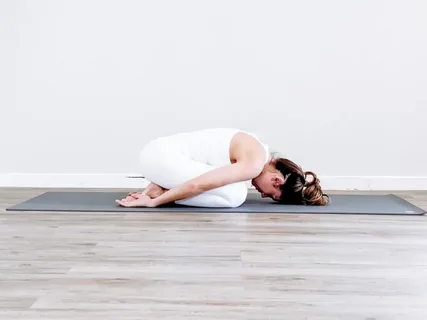
Child’s Pose as a Yoga Counterpose
- Used in yoga counterposes
- Helps recovery after intense poses
- Restores energy and balance
Common Child Pose Yoga Mistakes
- Incorrect shoulder positioning
- Poor neck alignment
- Overarching lower back
- Lifting hips too high
- Forcing flexibility
Final Thoughts
Child pose yoga (balasana) is one of the most powerful yet simple yoga poses for relaxation. It improves flexibility, reduces stress, supports digestion, and promotes deep mindfulness.
Whether you practice it as a restorative pose, a beginner yoga pose, or a recovery posture, it remains essential for physical and mental wellness.
FAQs
1. What are the benefits of child’s pose yoga?
It improves flexibility, reduces stress, supports digestion, and relaxes the nervous system.
2. How to do the child’s pose correctly?
Kneel, sit back on your heels, extend your arms forward, and rest your forehead on the floor with relaxed breathing.
3. Is child’s pose yoga good for beginners?
Yes, it is one of the safest and easiest beginner yoga poses.
4. Can the child’s pose help with lower back pain?
Yes, it gently stretches and relaxes the lower back muscles.
5. How long should you hold the child’s pose?
Anywhere from 30 seconds to 10 minutes, depending on comfort.
6. What muscles does child’s pose stretch?
It stretches the hips, thighs, ankles, the spine, and the lower back.
7. Can I use a bolster in child’s pose?
Yes, bolster support improves comfort and makes it more restorative.
8. Is the child’s pose safe during pregnancy?
Yes, with proper modifications and support, it is generally safe.
9. What is the difference between child’s pose and balasana?
They are the same; Balasana is the Sanskrit name for child’s pose.
10. What are the best breathing techniques in child’s pose?
Deep belly breathing with rib expansion and slow mindful exhalation works best.